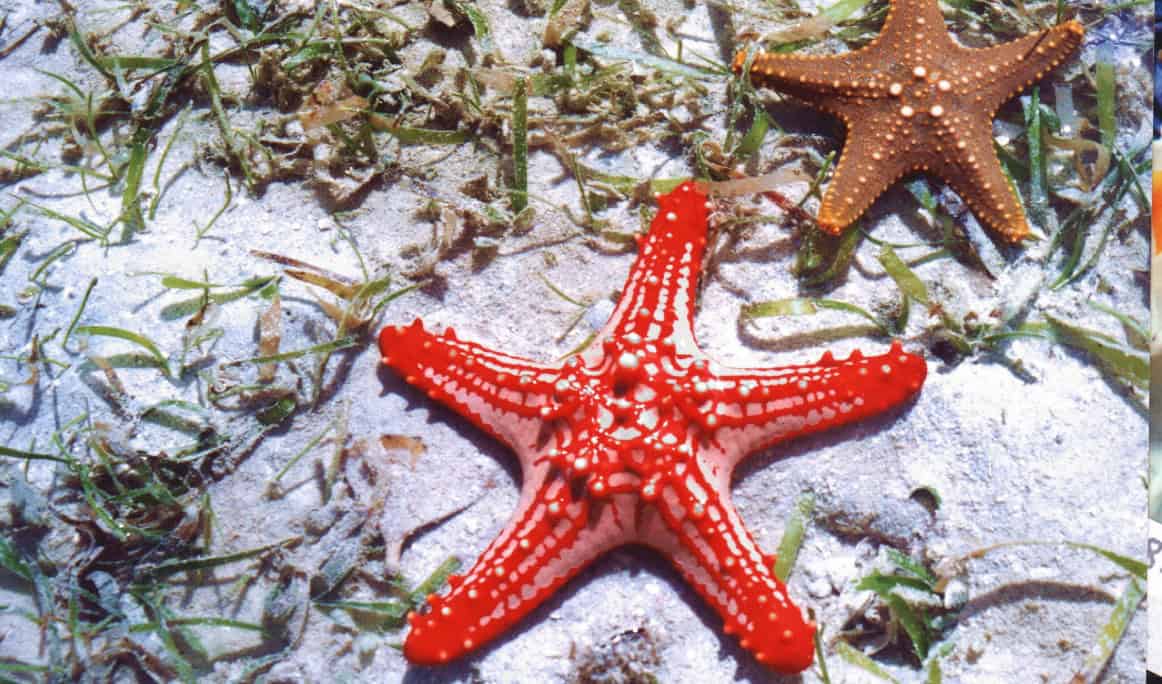



Illegal Travel Souvenirs:
1. Ivory Products Travel Souvenirs
The trade of ivory from elephants is strictly prohibited in many countries due to the devastating impact on species conservation. While some other animals, such as narwhal and walrus tusks or hippo teeth, also contain ivory, elephant ivory is the most well-known and widely sought after. However, it’s important to note that the trade and sale of ivory from any animal are subject to regulations and restrictions due to conservation concerns and the protection of endangered species.
2. Turtle/Tortoiseshell Travel Souvenirs
Where we might think of synthetic alternatives, jewellery and hair clips may be actually made from sea turtle shell – when 6/7 turtle species are endangered. Other products include musical instruments, sea turtle soup, eggs and sea turtle leather products – best to avoid altogether.
3. Coral and Seashells Souvenirs
Easy to buy in coastal communities, but some are endangered species so many countries limit exports. If you’re set on bringing home that shell you found on the beach, research the host country’s laws, and make 100% sure that what you’ve found (or bought) is allowed.
4. Sea Horses in Travel Souvenirs
Many of the 40+ different species are endangered or vulnerable. But still approximately, 150 million are captured and left in the sun to dry every year, later to be used in traditional medicine or sold as souvenirs.
5. Hummingbird Charms Souvenirs
Allegedly help you win the heart of a man for around just $3 in a market in Mexico, Texas or Southern California! But purchasing, selling or possessing these dead birds (chuparosas) without proper documentation is a crime that will cost you a lot more!
6. Birds in Travel Souvenirs
Live or mounted may not be surprising, but also nests and even feathers are illegal trade.
7. Animal Skins and Furs in Travel Souvenirs
Surprisingly perhaps, the purchase of genuine handicrafts made by Alaska natives using polar bear and otter fur is legal, but requires authentic certification and written proof. Elsewhere, handbags made from crocodile leather or a rabbit coat, products from reptiles like lizards and snakes or furs of seals and tigers… generally illegal, these are just not worth the risk.
8. Shahtoosh
Made from the wool of an endangered Tibetan antelope called Chiru, these shawls are illegal because obtaining the wool means killing several of the species.
(Un)Consumables:
9. Snake Wine Consumption
You might find bottles of wine stuffed with whole snakes for sale in Southeast Asia. Some believe it’s medicinal (not true), others like the oddness. But it’s cruel – often made by drowning a live snake in alcohol – and maybe dangerous, either by passing on deadly parasites, or even sometimes a snake hasn’t died and wakes from a drunken sleep and bites the consumer!
10. Shark Fins in Food
As a delicacy in some Asian countries, and a traditional Chinese medicine, historically shark fin has been eaten in large amounts, such as in soup. But the fishermen, to save space, cut off fins and drop the shark body back in the ocean. Unable to swim properly, they sink and die or are predated, depleting our oceans of sharks – many species are threatened with extinction. ‘Shark-finning’ is sometimes linked to organised crime and is illegal in many countries including the EU.
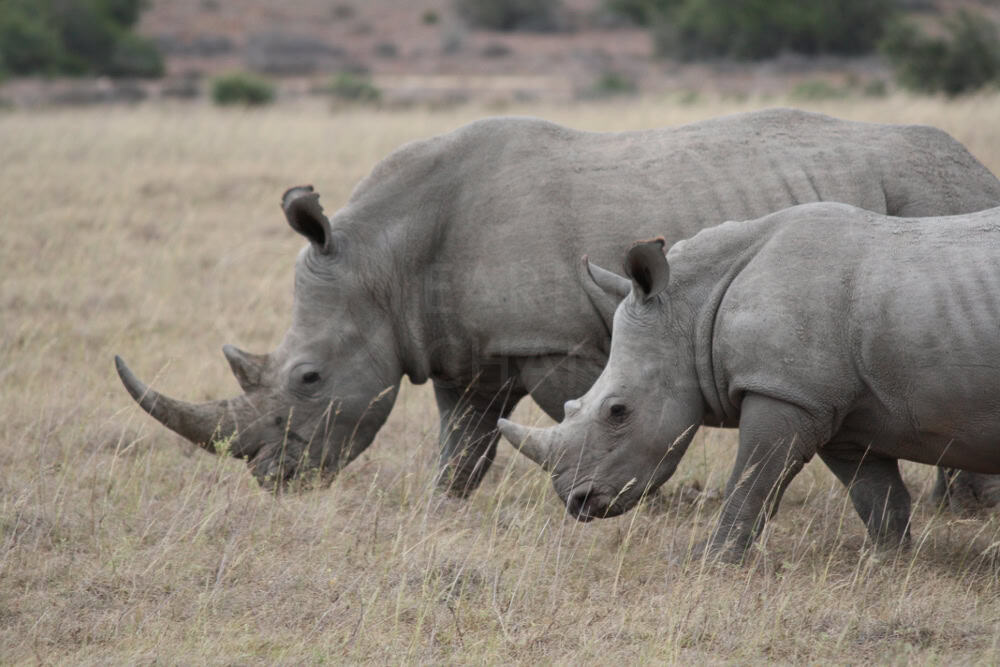
11. Rhino, Tigers, Lions and other Big Cats in Consumables
Again, 2000-old Chinese medicine has historically made popular consumption of horn, tusk, teeth and bones as a ground powder ingredient to treat conditions from fever to rheumatism, as a pain killer or even aphrodisiac. Tiger meat, teeth and eyes are even seen to have magical properties: their rare nature becomes an in-demand status symbol for the wealthy. But there is no medicinal value and the animals are endangered.
12. Pangolin Product Consumption
The most trafficked animal in the world, their scales are used in Traditional Chinese medicine (TCM), but also their meat is considered a rare delicacy and luxury in high-end restaurants in China and Vietnam. Live animals may even be shown to customers before being killed and served. All eight pangolin species are listed in CITES, which prohibits them from international trade.
13. Whales in Food
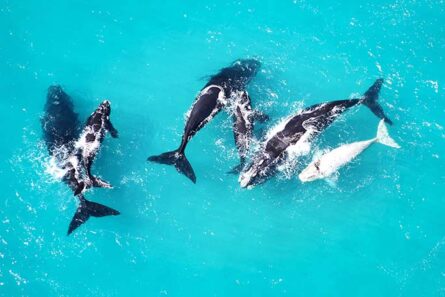
While often marketed as a ‘traditional dish’ to tourists, whale products trade is banned to protect these threatened species, but unfortunately you still might see it on a menu in Iceland, Norway, Japan and Greenland.
14. Other Endangered Species in Travel
You might, but shouldn’t, see on a menu ‘Bush meat’ like Elephant, Gorillas and Chimpanzees; Blue Fin Tuna (often sushi, Japan); Chinese Giant Salamander (another ‘delicacy’ and critically endangered due to human consumption); Yellow-Breasted Buntings (South East Asia bird, hunted despite a ban). Hard pass.
15. Civet Coffee Consumption
Regarded as the world’s most expensive coffee, kopi luwakl is made from coffee beans partially digested and excreted by the civet (luwak), a small racoon-like mammal native to Asia and Africa, especially tropical forests. The civet likes ripe coffee cherries but can’t digest them: the excreted coffee cherries are collected, cleaned, dried and roasted to create luwak coffee. In theory the digestive enzymes create a more smooth, less acidic taste that people drink for flavour, novelty, status, or exotic allure.
But demand meant civets were caught, caged, commercially-farmed, force-fed coffee beans (not a balanced diet), kept in appalling conditions and handled by tourists by day causing stress for these mostly nocturnal creatures. It’s even created spin-off products using other animals such as elephants, monkeys and birds, and fake civet coffee…
While it’s not illegal to consume civet coffee, responsible coffee producers have banned it due to animal welfare concerns. Purchasing such products supports exploitation and abuse.
Some countries also have limitations on plant products, cultural artefacts, controlled substances and counterfeit goods: Read more on out accompanying blog: Buyer Beware! 7 Things Not To Buy on Your Travels
Do you know of any we’ve missed?