

UN Sustainable Development Report
Red List Index
Global Gender Gap Rank
Climate Change Performance Index
Human Development Index
Population: 67 million UK; including 56m England, 5.5m Scotland, 3.2m Wales, 1.8m Northern Ireland
Language: English; Welsh in Wales; Gaelic & Scots in Scotland; Irish in Northern Ireland
Currency: £ Great British Pound / Pound Sterling
Tourism contribution to GDP: 10% UK; 5% Wales (WTTC);
See Things Differently
The United Kingdom is made up of the countries of England, Wales, Scotland and Northern Ireland, each with a rich tapestry of history, culture, and natural beauty in stunning landscapes.
Wales (further information on the UK’s other countries to follow) top destinations include:
From hiking in national parks to exploring the Wales Coast Path, there are plenty of opportunities for outdoor enthusiasts, as well as culture. Experiences Wales’ unique Welsh Celtic culture through music, festivals like Eisteddfod, and local traditions.
Wales:
The UK has a maritime moist climate, characterized by mild, wet winters and cool, cloudy summers. The climate can be marked by regional differences influenced by geography and maritime conditions, with coastal areas experiencing milder temperatures compared to the more extreme conditions in the north and mountains.
December to February: Winter – Average temperatures 1°C – 7°C (34°F to 45°F). Generally cool and damp but can be more wet and windy, especially in coastal areas. Snow is possible, especially in the north, mountains and Scotland. Shorter daylight hours. Ideal for enjoying cozy pubs, festive markets or winter sports in the Highlands.
March to May: Spring – Average temperatures 5°C – 15°C (41°F to 59°F). Gradually warming temperatures and increasing sunshine, though rain still common. March can be chilly, while May often brings pleasant weather. Great time for hiking, visiting gardens, and enjoying blooming landscapes.
June to August: Summer – Average temperatures 12°C – 20°C (54°F to 68°F), mild to warm with and longer daylight hours and occasional heatwaves,. Rainfall is less frequent, but occasional showers occur. Perfect for outdoor activities, festivals, beach trips, exploring coastlines and national parks.
September to November: Autumn – Average temperatures 7°C – 15°C (45°F to 59°F). Weather can be quite variable, from mild in September turning cooler and wetter by November. Fall foliage adds to the scenic beauty. Enjoy harvest festivals, parks, and visiting historical sites.
UK Weather Variations
North vs. South: The northern regions, such as Scotland and Northern England, tend to be cooler and wetter, with more frequent rainfall. In contrast, southern England generally experiences milder temperatures and less rainfall.
West vs. East: The western parts of the UK, including Wales and the southwest of England, receive more rainfall due to prevailing westerly winds that bring moist air from the Atlantic. The eastern regions, such as East Anglia, are often drier and sunnier.
The UK experiences frequent rain, with some areas, such as the Lake District and western Scotland, receiving substantial amounts. Rainfall can occur at any time of year, but summer showers are common.
As an island, the UK is susceptible to strong winds and storms, particularly in autumn and winter. Coastal areas are often more exposed to these weather events.
UK Climate Change Trends
The UK has seen a consistent rise in temperatures, with the decade 2012 – 2021 being on average 1.0°C warmer than the 1961-1990 average. All ten of the warmest years in the UK have occurred since 2003, with 2022 was the hottest year on record.
Winters in the UK are projected to become warmer and wetter, while summers are expected to be hotter and drier with more frequent and intense extremes expected, including heatwaves, storms, and heavy rainfall. The chance of experiencing 40°C days is increasing.
Heavy rainfall events are becoming more common, contributing to an increased risk of flash flooding, particularly in urban areas.
A significant portion of the UK population is concerned about climate change, with many reporting lifestyle changes to mitigate its impact. However, there is a perception that the UK is not well-prepared, underscoring the importance of adapting infrastructure and policies to address the impacts of climate change, including enhancing flood defenses, improving water management, and ensuring public health and safety during extreme weather events.
Wales is known for its diverse and picturesque physical environment:
Wales is home to several mountain ranges, including the famous Snowdonia in the north, which contains Mount Snowdon, the highest peak in Wales. The Brecon Beacons in the south and the Cambrian Mountains in the central region also offer stunning landscapes and outdoor activities.
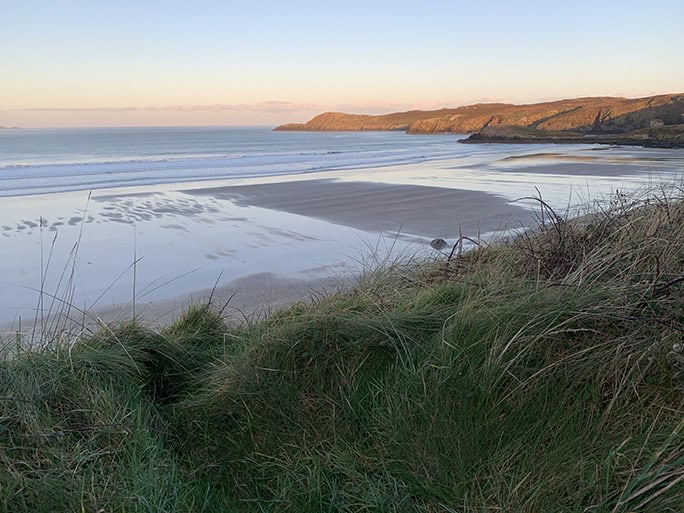
Wales boasts over 1,680 miles of coastline, featuring dramatic cliffs, sandy beaches, and picturesque bays. The Pembrokeshire Coast National Park is renowned for its natural beauty and biodiversity.
The Welsh landscape is characterized by numerous valleys and rivers, including the Wye and the Severn, which are important for both wildlife and human activities.
Wales has several national parks and protected areas that preserve its natural beauty and biodiversity. These include Snowdonia, Brecon Beacons, and Pembrokeshire Coast National Parks, as well as numerous Sites of Special Scientific Interest (SSSIs).
The diverse habitats in Wales support a wide range of plant and animal species.
Wales is committed to maintaining and enhancing its natural environment through a comprehensive legislative framework and collaborative efforts:
The Environment (Wales) Act 2016: focuses on the sustainable management of natural resources. It includes assessing the state of natural resources, setting priorities and policies, and duties for public authorities to enhance biodiversity, and promote ecosystem resilience, including maintaining and improving habitats and species that are crucial for ecological health. Climate change mitigation plans are included with ambitious targets for reducing carbon emissions: at least an 80% reduction by 2050, with interim targets and carbon budgets to guide progress and support decarbonisation.
Initiatives to increase green infrastructure, such as expanding urban green spaces and increasing canopy cover, are part of efforts to improve environmental health and resilience.
Well-being of Future Generations (Wales) Act 2015: This aims to improve the social, economic, environmental, and cultural well-being of Wales. It establishes seven well-being goals, including a “Resilient Wales,” which focuses on maintaining a biodiverse natural environment with healthy ecosystems.
The economy of Wales is characterized by a mix of traditional industries and modern sectors, with several unique features distinguishing it from the broader UK economy:
Manufacturing remains a significant part of the Welsh economy, accounting for nearly one-third of the GDP. The region has attracted foreign investment in high-technology industries, including electrical, automotive, and chemical manufacturing.
Agriculture, forestry, and fishing contribute less than 2% to the GDP, with sheep and cattle farming being predominant in rural areas. The Forestry Commission manages large timber estates, and fishing is limited but includes catches like clams and lobsters.
The services sector, including financial, business services, government, education, and health services, accounts for more than half of the GDP and nearly two-thirds of employment. This sector is concentrated in urban areas like Cardiff.
Tourism is a cornerstone of the Welsh economy, particularly in rural areas where it is a key employer. Prior to COVID-19, about 5% of the total GDP and ~11.8% of employment in Wales.
Wales faces challenges with lower GDP per capita and employment rates compared to the UK average. The region has a higher proportion of employment in agriculture, manufacturing, and government, with fewer jobs in financial and business services.
There are significant economic disparities within Wales, with parts of western and southern Wales having previously received EU developmental aid to improve conditions.
A Winning Wales Strategy: This aims to transform the Welsh economy by increasing knowledge, research, and innovation capacity. It focuses on sustainable development, green growth sectors, and increasing job opportunities in financial and business services.
Infrastructure and Investment: Improvements in transportation infrastructure have facilitated diversified manufacturing and attracted foreign-owned companies. The strategy also emphasizes building on strengths in manufacturing and increasing home-grown successful businesses.
Wales also has several hydroelectric projects and windmill electricity-generation installations. The focus on clean and renewable energy aligns with the commitment to sustainable development.
Conservation in UK
19th century: The conservation movement in the UK began in the 1800s, driven by growing interest in antiquarianism and the preservation of natural landscapes and historical monuments. This period saw the introduction of key legislation, such as the Wild Birds Protection Act of 1872 and the Ancient Monuments Act of 1882, which laid the groundwork for future conservation efforts.
Early 20th Century: The interwar period saw the establishment of organisations dedicated to conservation, such as the National Trust for Scotland and the Association for the Preservation of Rural Scotland. The Forestry Commission was also created in 1919 to manage reforestation efforts, marking a significant land change in Britain.
Post-World War II: The National Parks and Access to the Countryside Act 1949 was a major milestone, leading to the creation of national parks in England and Wales. The first four national parks, established in 1951, included the Peak District, Lake District, Dartmoor in England, and Snowdonia in Wales. These parks aimed to balance conservation with tourism, agriculture, and industry.
Established in 1949, the Nature Conservancy played a crucial role in identifying and protecting areas of scientific interest through the designation of National Nature Reserves and Sites of Special Scientific Interest (SSSIs).
The Wildlife and Countryside Act 1981 marked a significant step forward in conservation, addressing the need for more comprehensive protection of wildlife and natural habitats.
Wales
Wales has also integrated conservation into its broader sustainable development goals. “One Wales: One Planet” emphasises the role of cultural heritage in economic and social development, recognising heritage as a vehicle for regeneration and fostering local character and distinctiveness.
Cadw was established as the historic environment service of the Welsh Government, playing a crucial role in protecting and managing Wales’s historic sites. It developed a set of conservation principles to guide the sustainable management of the historic environment, emphasising the importance of understanding heritage values, and managing change sensitively to ensure changes bring benefits that outweigh any potential harm.
Informed and active participation for a collaborative approach, engaging local communities, public authorities, and private owners in the stewardship of historic and natural assets is an approach that ensures conservation efforts are inclusive and benefit both current and future generations.
The history of responsible, sustainable, and regenerative tourism in the UK reflects the broader global movement, yet also as a core hub, thanks to Professor Harold Goodwin, recognised in the Travel Global Hall of Fame as the Founder of the Responsible Tourism Movement.
1895: The National Trust’s first site, Dinas Oleu, was acquired in Wales, marking an early commitment to preserving natural landscapes for public enjoyment and conservation.
1960s and 1970s: The movement towards sustainable tourism began to gain traction following increased environmental awareness during this period. The rise of “mass tourism” led to concerns about its environmental and social impacts, prompting calls for more responsible tourism practices.
1970: Centre for Alternative Technology founded near Machynlleth, Wales. This pioneering institution has been researching renewable energy and sustainable building techniques, contributing significantly to the sustainable tourism movement.
1973: The European Travel Commission initiated efforts to promote environmentally sound tourism, marking one of the earliest organized attempts to address tourism’s environmental impacts.
1997: The Green Tourism Business Scheme was established in Scotland. It has since become one of the largest leading sustainable certification programmes globally, promoting environmentally friendly practices in the tourism and hospitality industry. Businesses from hotels to BandBs Breakfast theme parks and venues are awarded Bronze, Silver or Gold for their sustainability.
2002: At the (Earth Summit) Rio+20 World Summit on Sustainable Development in Johannesburg, a side event, the Cape Town Conference on Responsible Tourism in Destinations, organised by the Professor Goodwin’s Responsible Tourism Partnership and Western Cape Tourism, resulted in the Cape Town Declaration, the definition of responsible tourism, and its first policy implementation, in South Africa. Professor Goodwin’s involvement and global students has seeded influence on responsible tourism worldwide from the UK.
2009: One Wales: One Planet initiative set a vision for sustainable development in Wales, including sustainable tourism. It emphasized the importance of managing the historic environment sustainably and promoting sustainable transport options for visitors.
2015: Well-being of Future Generations (Wales) Act: This groundbreaking legislation requires public bodies to consider the long-term impacts of their decisions, including those related to tourism. It aims to improve social, economic, environmental, and cultural well-being, aligning with sustainable tourism goals.
2020: Wales’ Addo Campaign encourages responsible tourism by promoting positive visitor behaviour, supporting local businesses, and respecting the environment.
2020–2025: The Visit Wales Tourism Strategy emphasises sustainable tourism through quality visitor experiences, innovative branding, and community engagement. It aligns with the Well-being of Future Generations Act and promotes initiatives like the Dark Skies Programme in Brecon Beacons National Park.
2022: To mark 20 years since the Cape Town Declaration on Responsible Tourism in Destinations, the 2022 Responsible Tourism Charter was launched and signed at Magna Carta Island, UK. The Charter updated its language to address contemporary issues in tourism, and builds upon the principles of responsible tourism, emphasising that sustainability is an ongoing journey, achievable through taking responsibility for making tourism sustainable, and making better places for people to live in and visit.
2023: Sustainable Tourism Wales Campaign focuses on helping tourism businesses achieve sustainability goals in areas such as water, waste, supply chain, energy, and travel. It supports Wales’ ambition to become Net Zero.
The UK’s journey towards clean energy began with the use of hydroelectric power. The first hydroelectric plant started operating in Cragside, UK, in 1878. In the 1880s, the first house in Wales with electric lighting powered from its own hydro-electric power station was established.
Late 20th Century: The UK started to focus more on renewable energy sources towards the end of the 20th century. The first wind farm in the UK was established in 1991 on the Cornish coast, marking a significant step towards harnessing wind energy.
Early 21st Century: The UK saw a significant increase in the production of renewable energy. By 2010, renewable energy production had grown significantly, and the UK became a leader in offshore wind energy. The country ranks fifth globally in wind power generation as of 2022.
Wales has a high natural resource base for renewable energy, including wind, wave, and tidal power.
In 2019, Wales generated 27% of its electricity consumption from renewable sources, aiming for 70% by 2030.
The UK is a signatory to the Paris Agreement, committing to reduce carbon emissions and limit global warming. The government has set ambitious targets to phase out carbon fuels and power all homes using clean energy.
While the UK has made substantial progress in renewable energy, challenges remain, such as the need to accelerate the construction of renewable energy infrastructure and improve energy efficiency in buildings.
The Ancient Monuments Act of 1882 was one of the first pieces of legislation aimed at protecting historic sites, laying the groundwork for future conservation efforts and the establishment of organisations like the National Trust, founded in 1895 to preserve places of historic interest or natural beauty in England, Wales, and Northern Ireland.
The UK has also been a core hub as a centre for responsible tourism education and influence globally, and saw the foundation of one of the first sustainable tourism certification frameworks, the Green Tourism Business Scheme.
Visit Wales Tourism Strategy aligning with the Well-being of Future Generations (Wales) Act 2015, was pioneering in promoting sustainable tourism through outstanding landscapes, creative culture, and unique experiences.