

Recommended duration
Price per night per adult
The Kasbah du Toubkal is a warm welcoming mountain refuge not a hotel: an important distinction and considerate cultural reflection. It’s not a 4 or 5 star hotel approach. Rather it allows guests to engage with the real, unpretentious extension of the hospitality that stems from the homes of the Berbers who run and manage the Kasbah.
It’s a flagship development for sustainable tourism in a fragile mountain environment: A hospitality centre of excellence and business, to enhance the life and culture of the High Atlas Berber local community.
Working with the local community is integral to its ethos, meaning a unique feeling of equality and community offering an exceptional experience.
As such it is an extraordinary venture, the product of an imaginative Berber and European partnership in a unique setting.
Hollywood movie director Martin Scorsese found it an ideal location and would-be Tibetan monastery for Kundun, a film about the Dalai Lama.
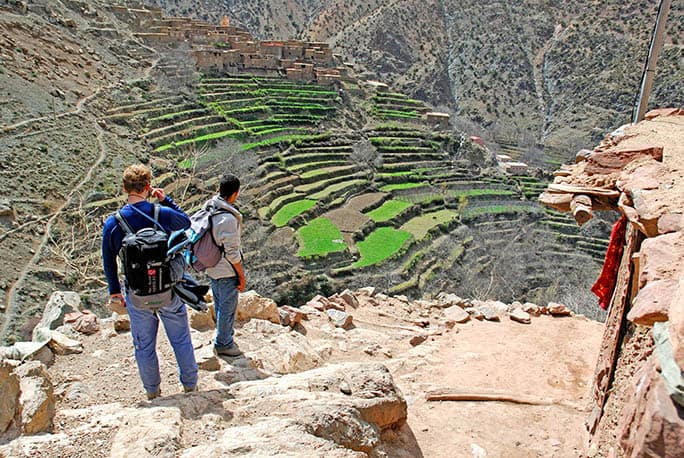
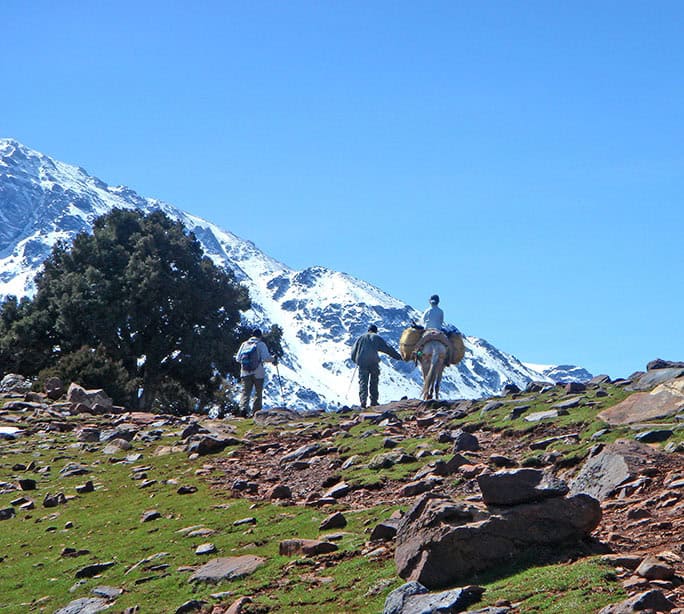
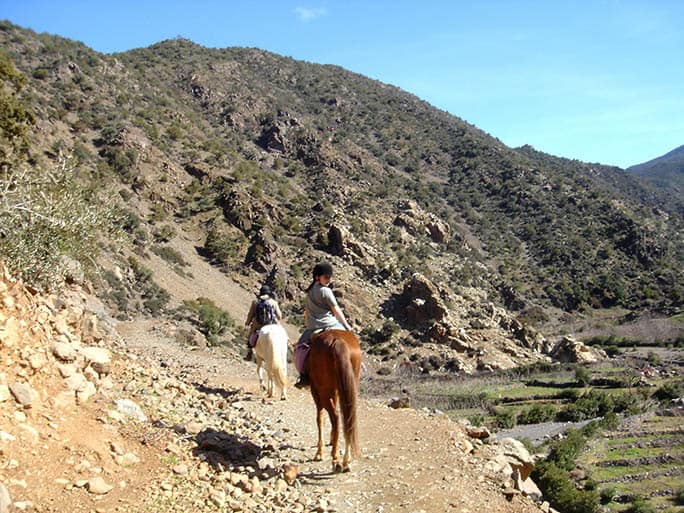
Great for adventure, hiking and nature breaks in Toubkal National Park
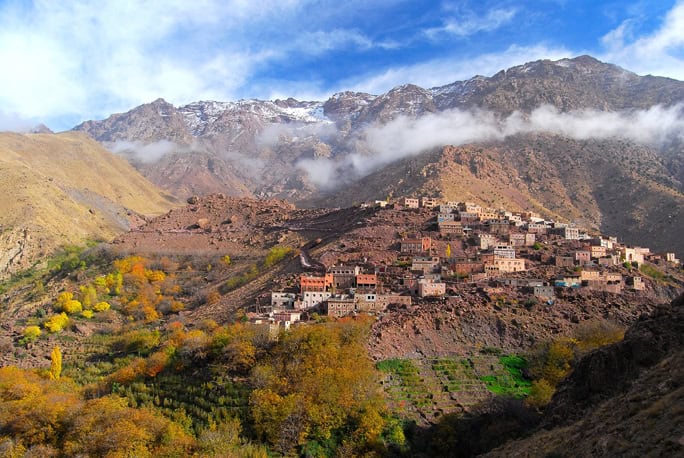
Just 60km from bustling exotic Marrakech in tranquil peace of the High Atlas Mountains.
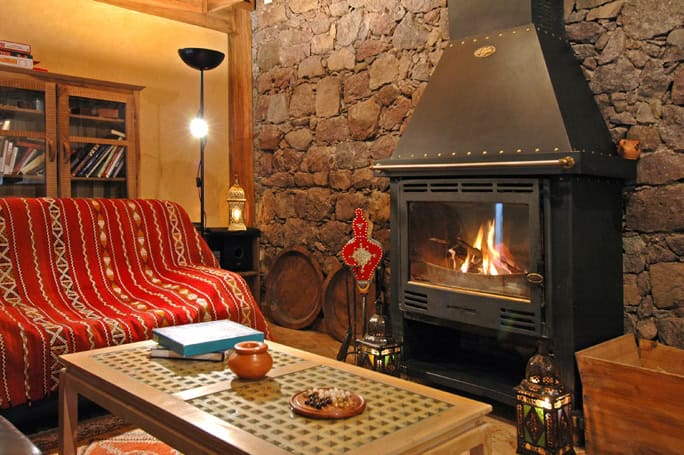
Authentic, eco-friendly and cozy guest house with all modern comfort
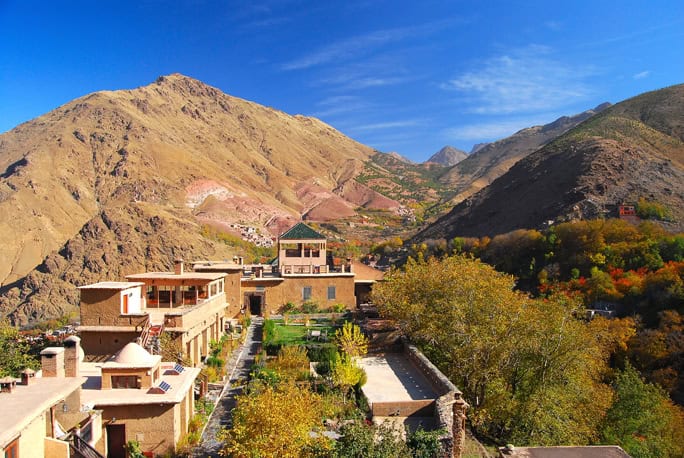
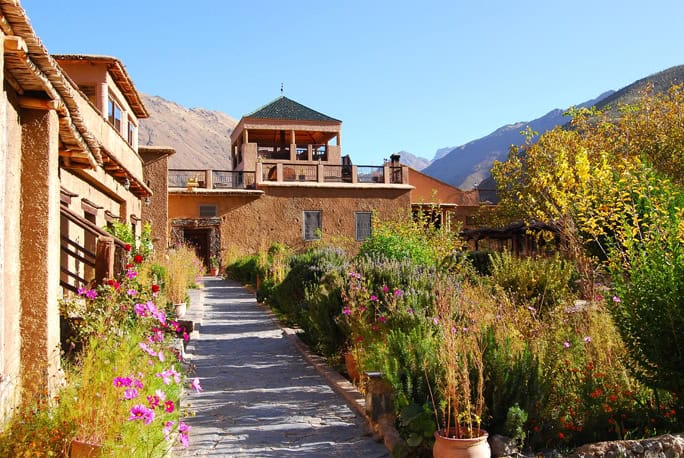
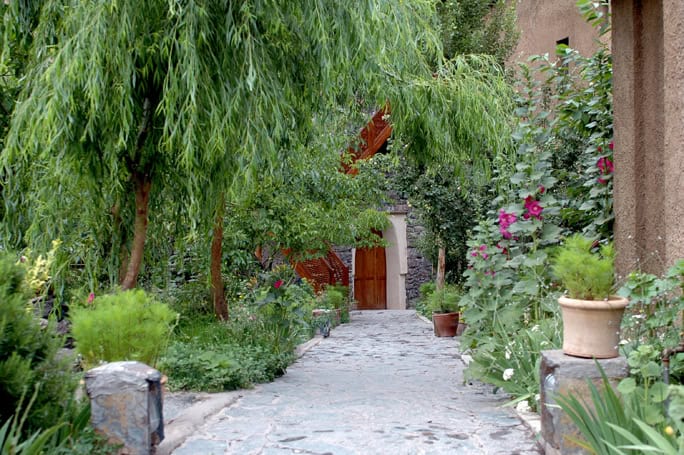
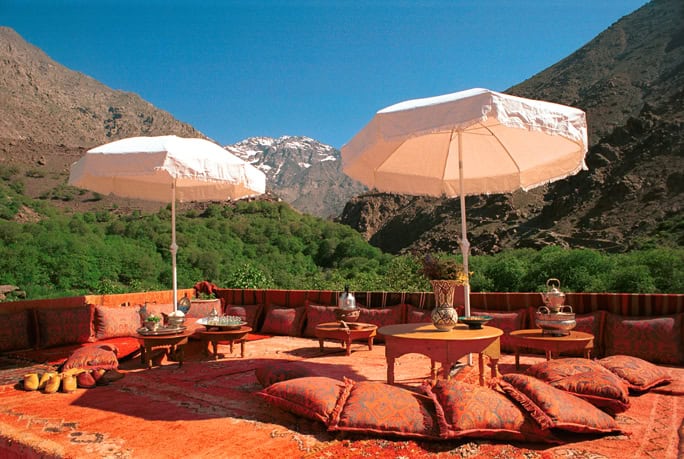
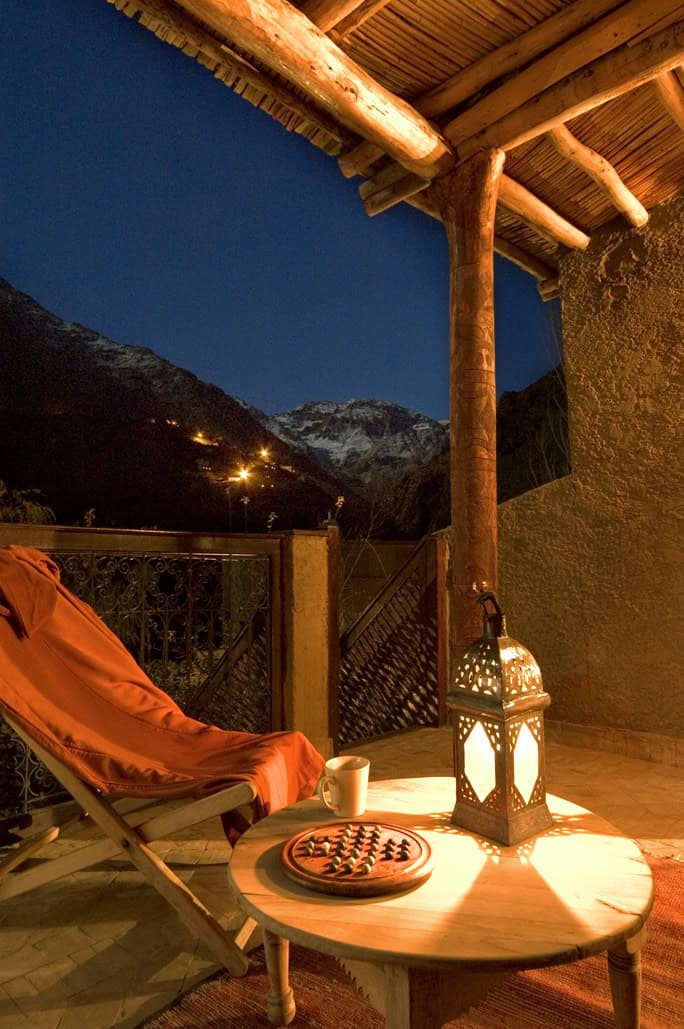
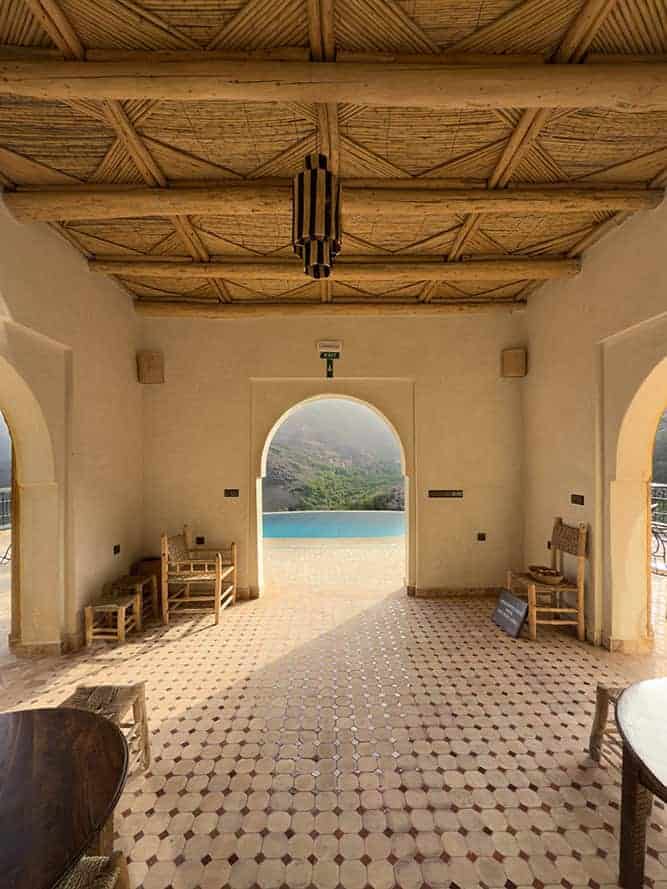
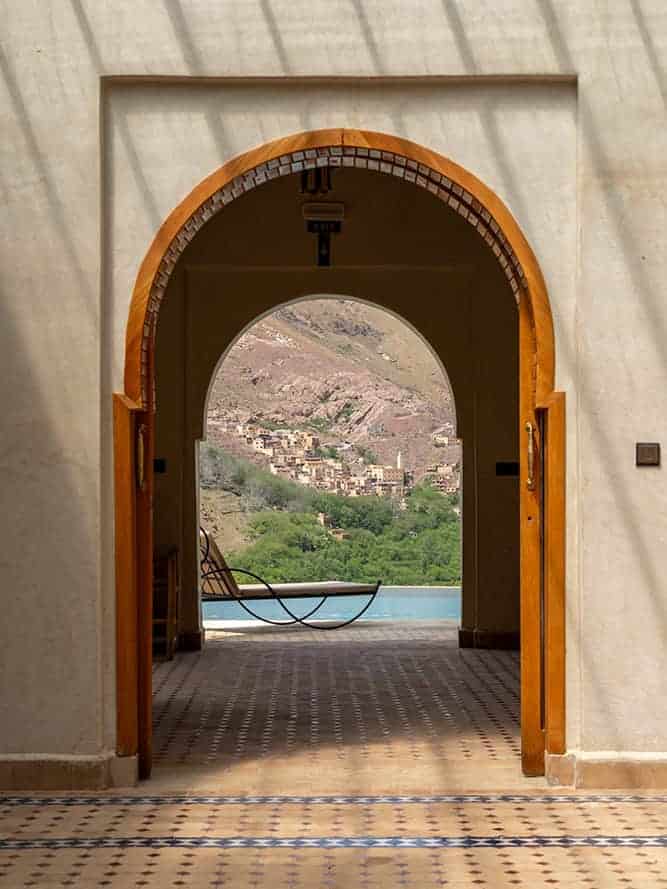
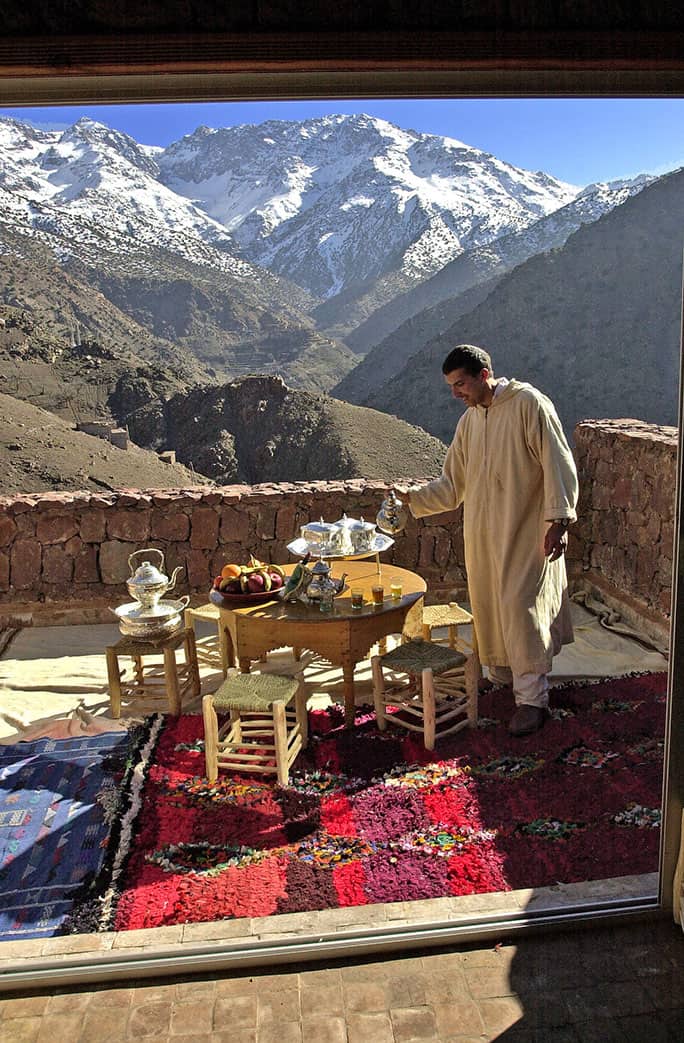
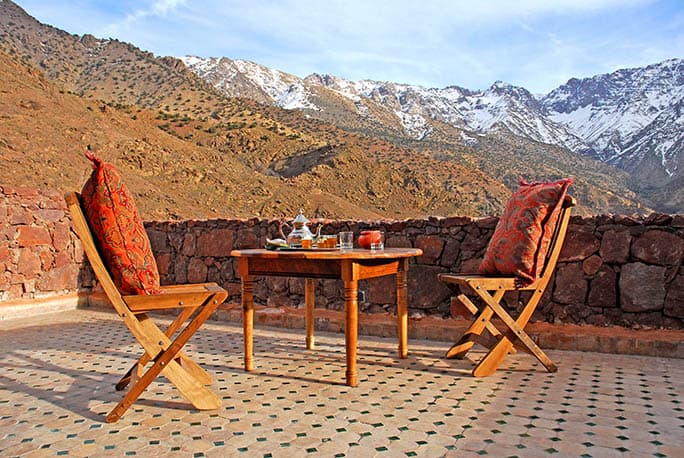
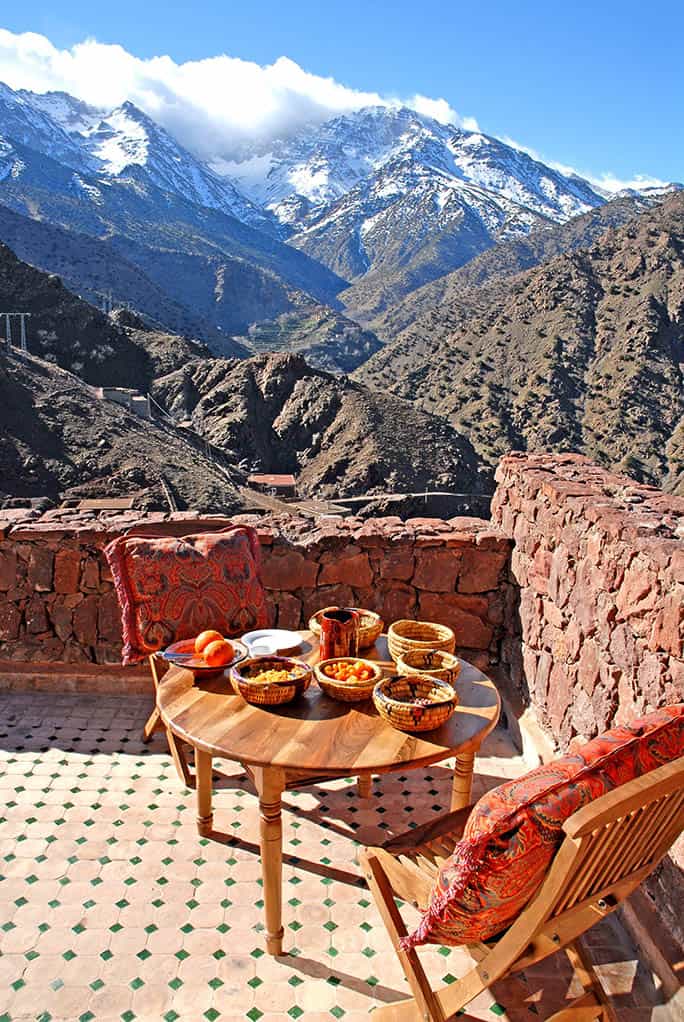
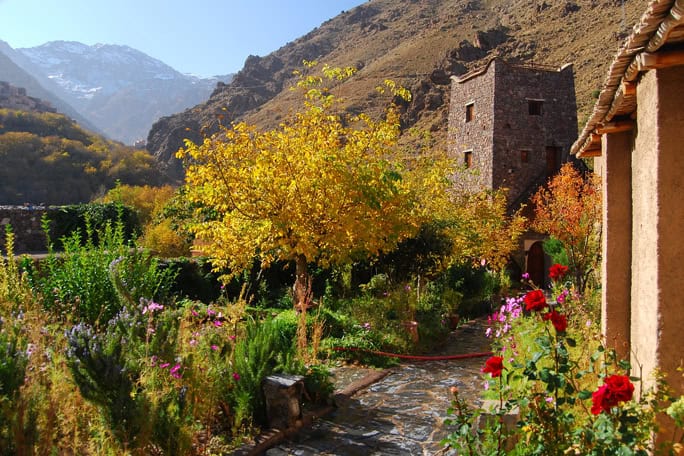
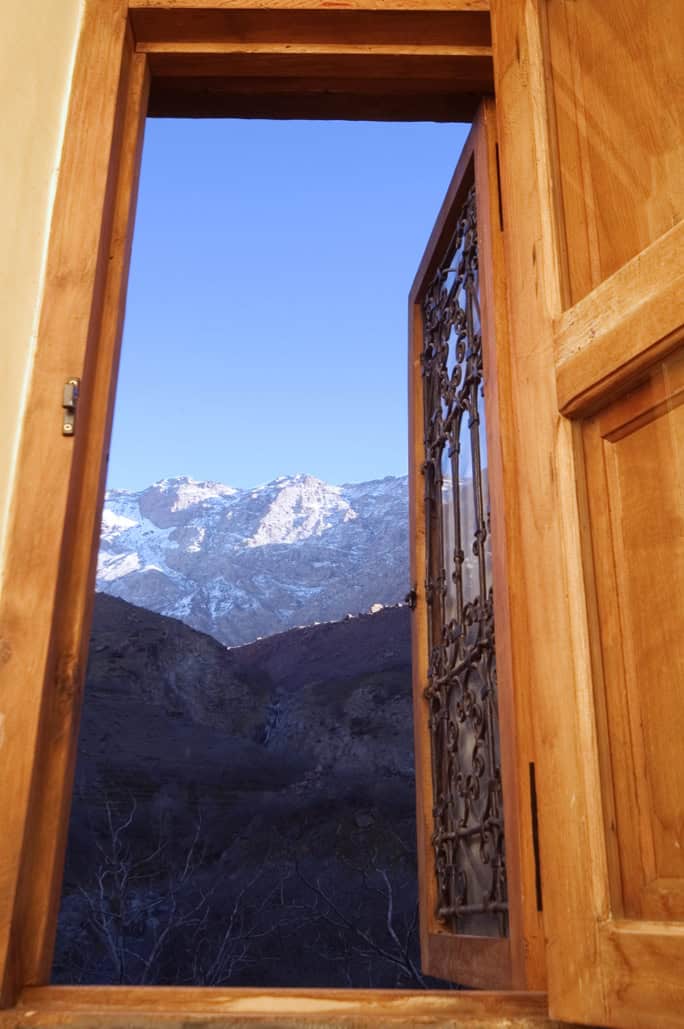
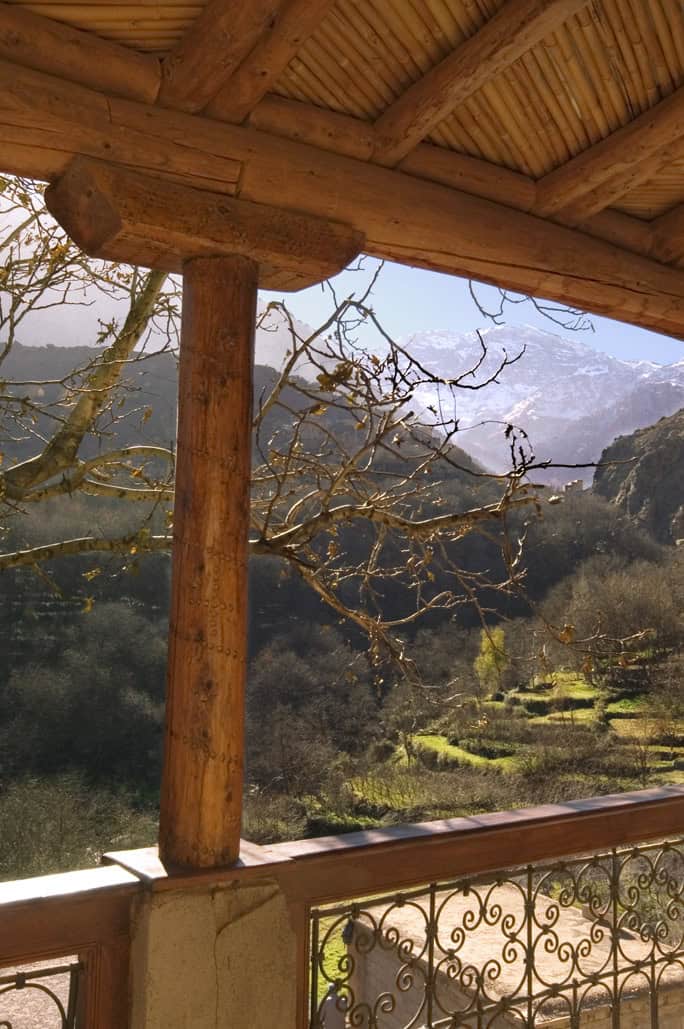
Beautiful garden and large rooftop terraces offer unparalled panoramic views
Ideal for all short or long breaks, couples, families, school groups or large parties
NB. Alcohol may be consumed but is not sold
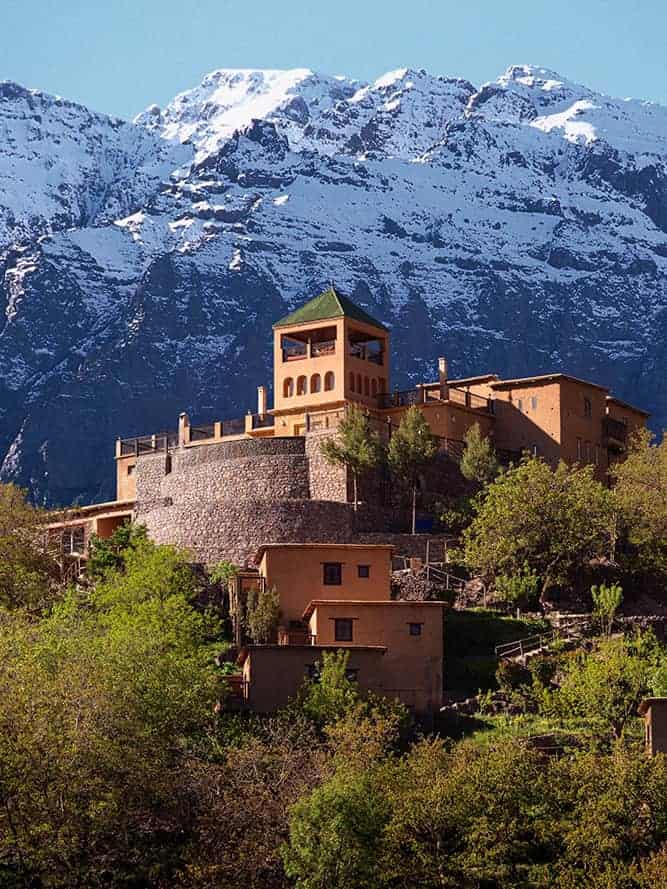
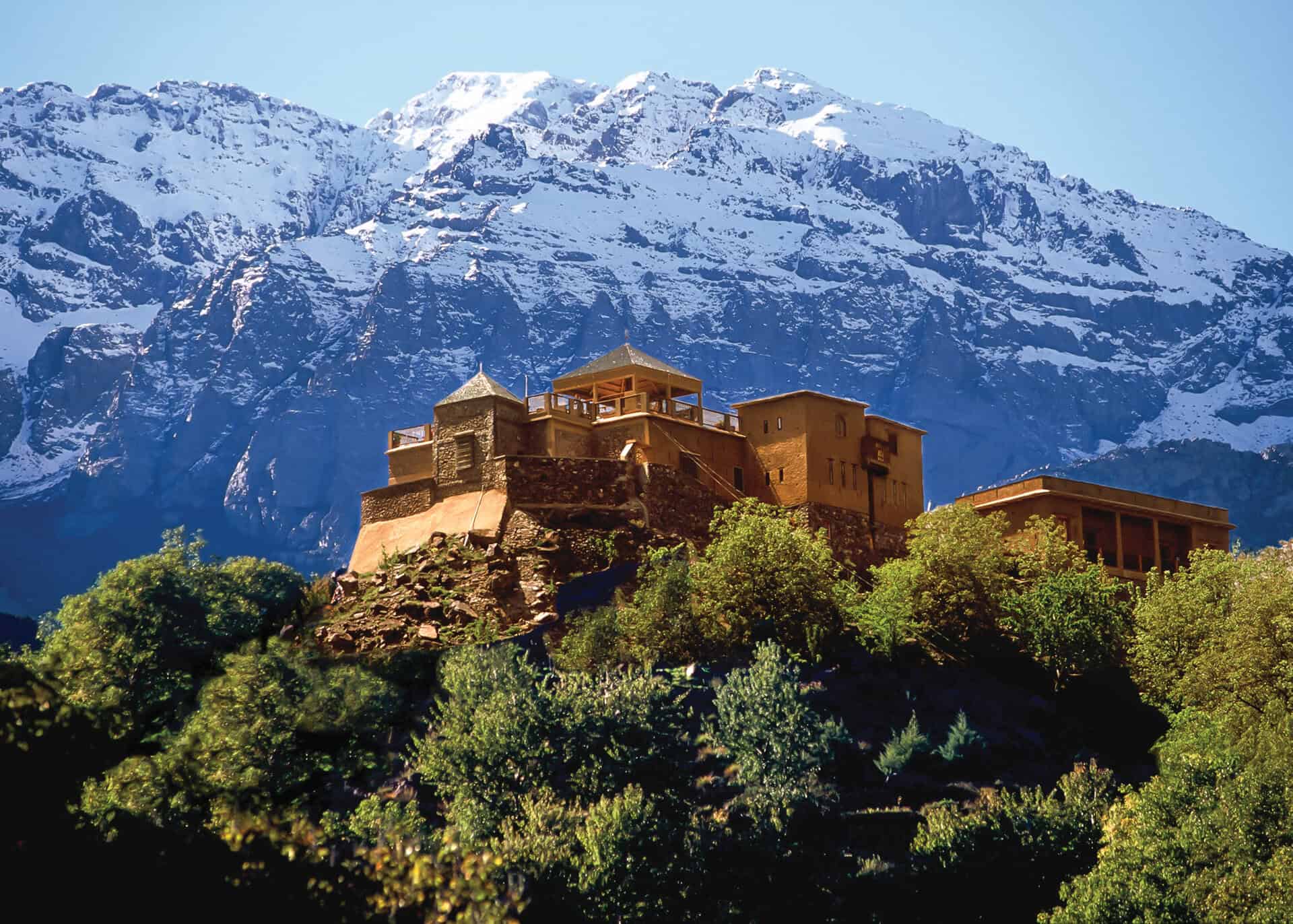
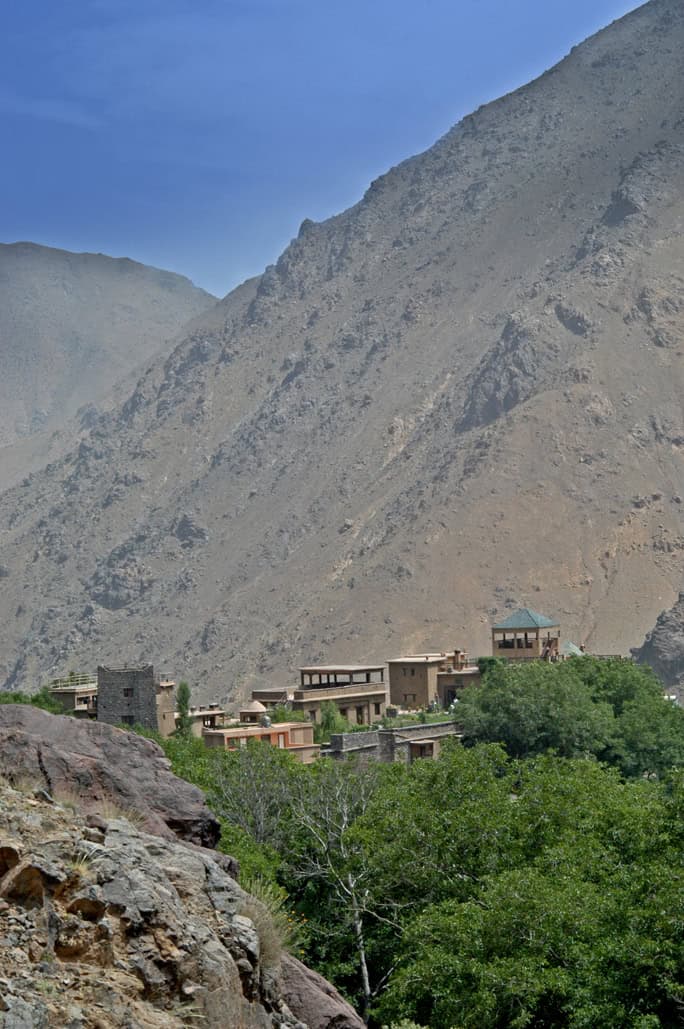
The Kasbah du Toubkal is an award-winning unique mountain lodge just 60km from bustling Marrakech in the stunning peace of the Imlil valley of the High Atlas mountains.
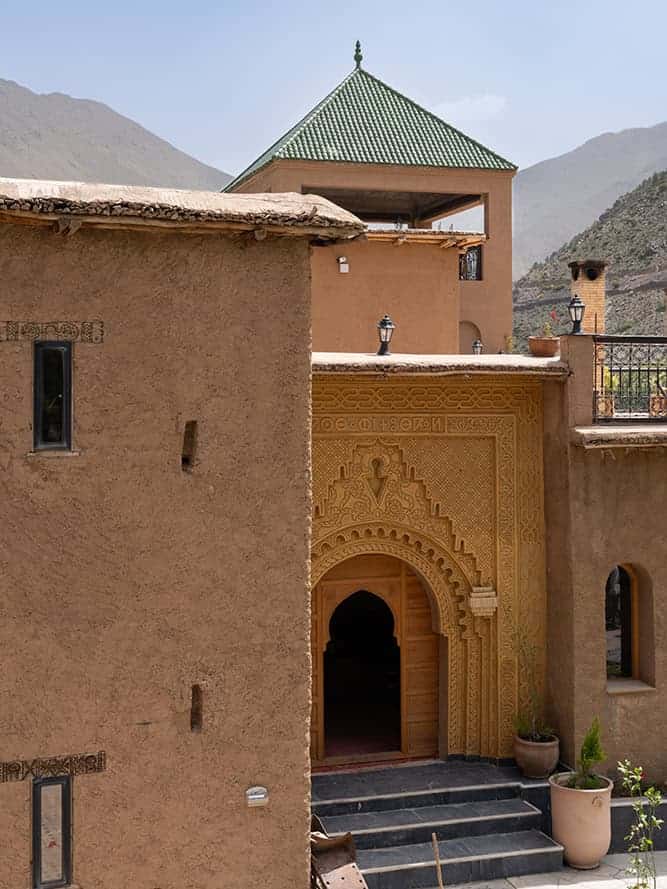
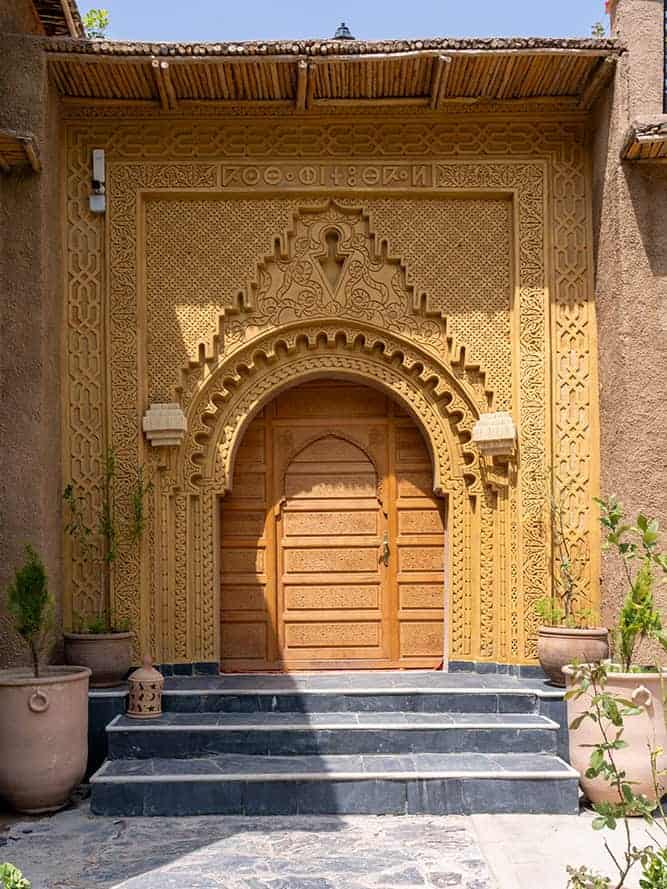
The Kasbah’s restoration, from the home of a feudal caïd (local baron) to hospitality haven by brothers Chris and Mike McHugo, was so sympathetic to its original design that ‘visitors regularly believe it to be hundreds of years old’, and the approach followed later enforced by the King of Morocco, as a regional standard.
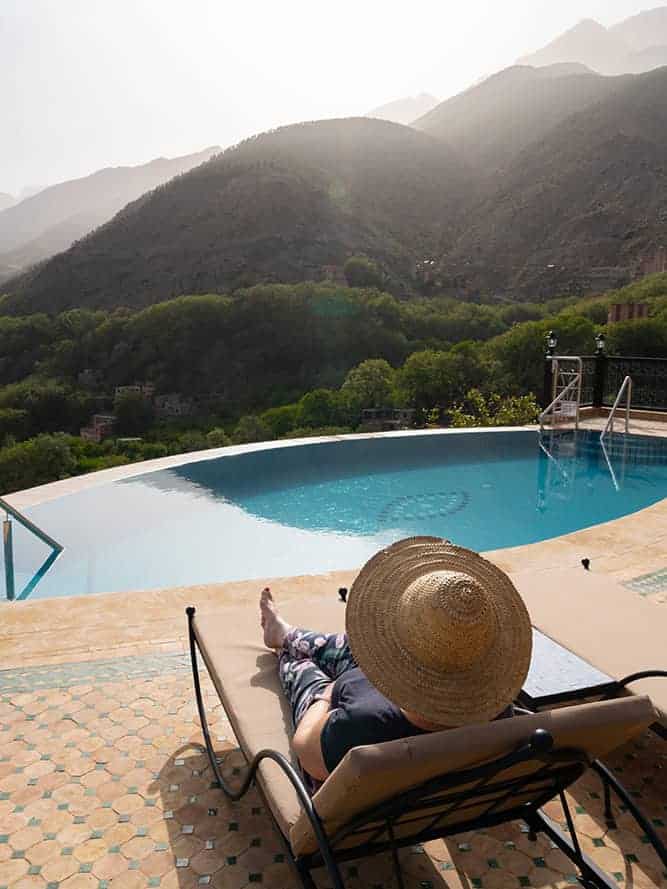
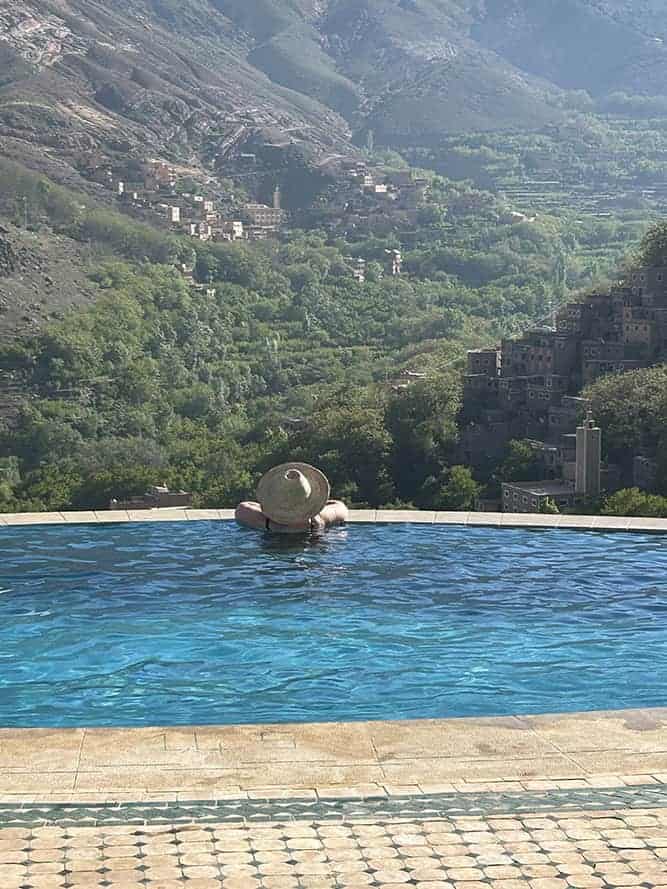
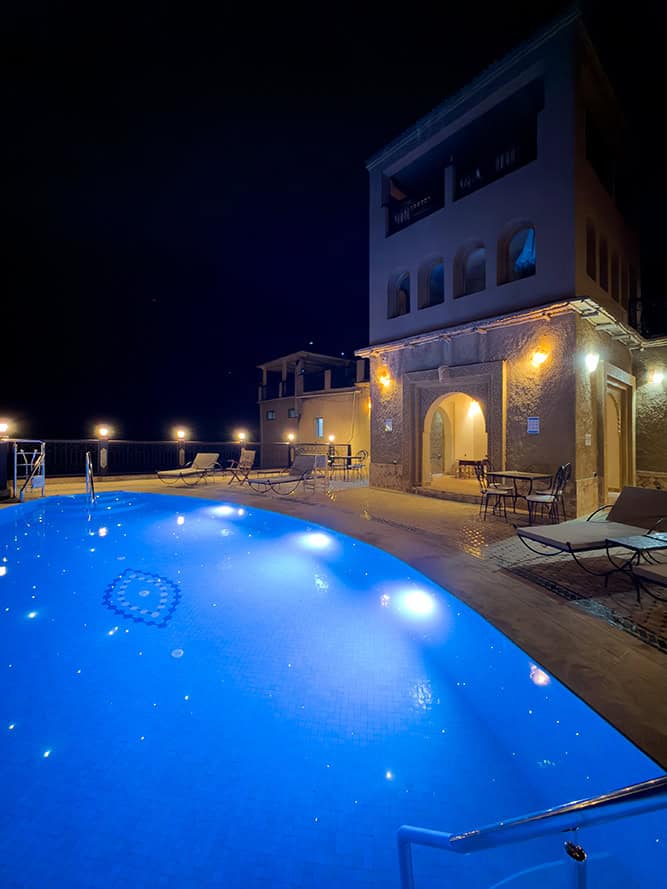
Such is the Kasbah’s ability to rise again from ashes, when a restoration was forced by Mother Nature and the earthquake of 2023, it enabled silver linings including a beautiful new swimming pool and open courtyard, rebuilt reception rooms, 3-floor belvedere, roof terrace and new vistas over the Ait Souka Valley.
5% of turnover is channelled to local initiatives, to preserve the environment and support the local population and specific not-for-profit projects in education, health and welfare.
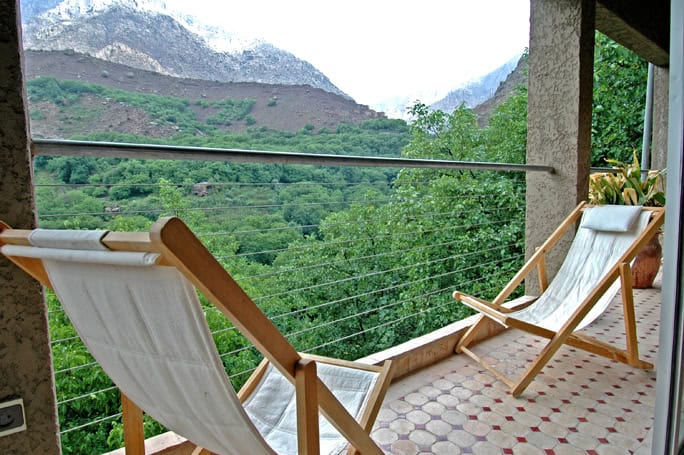
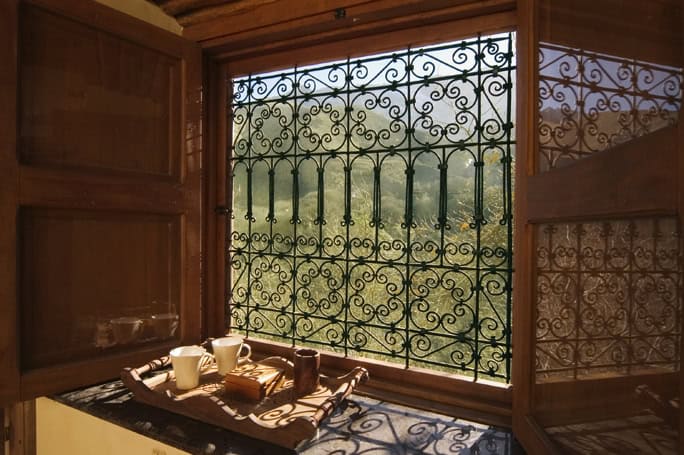
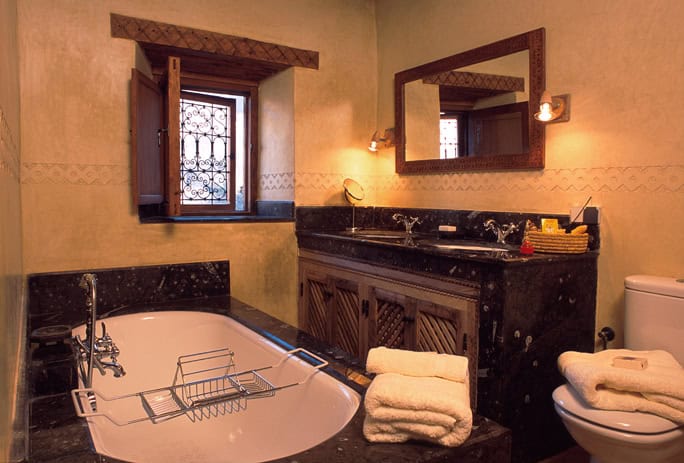
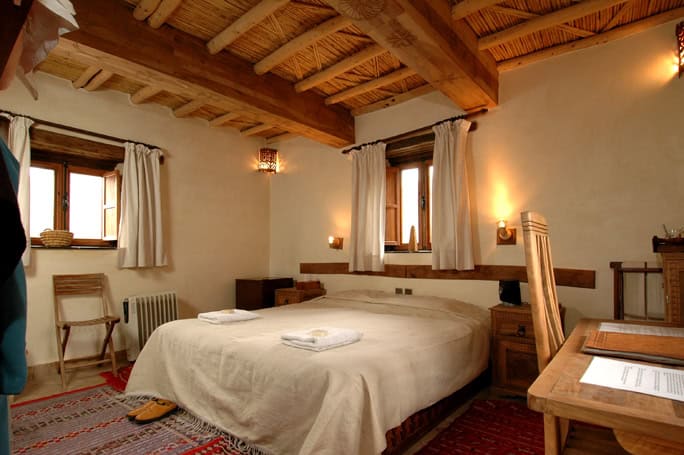
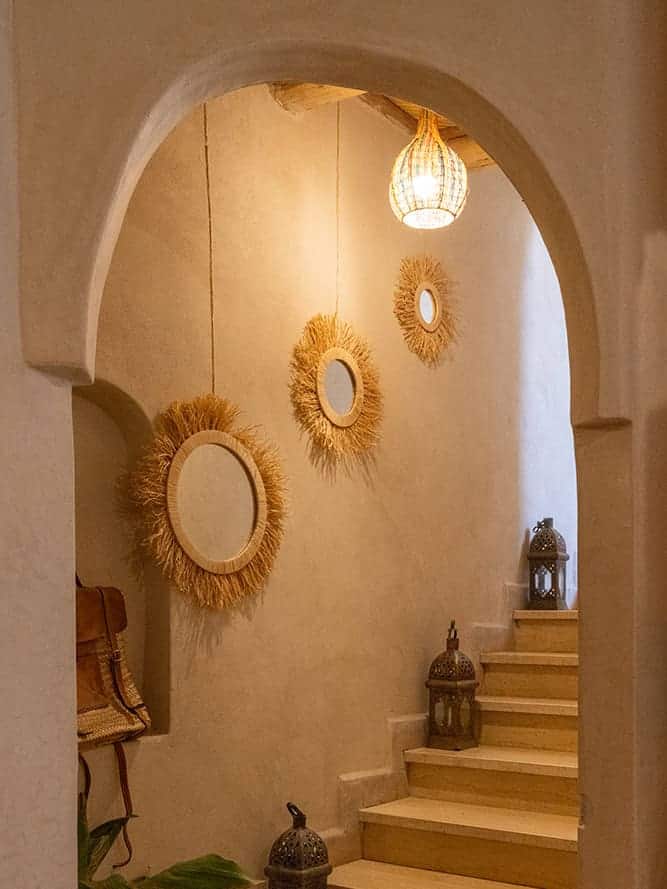
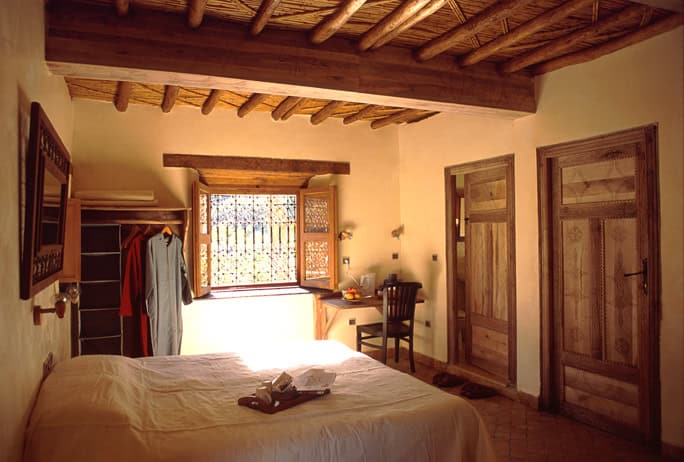
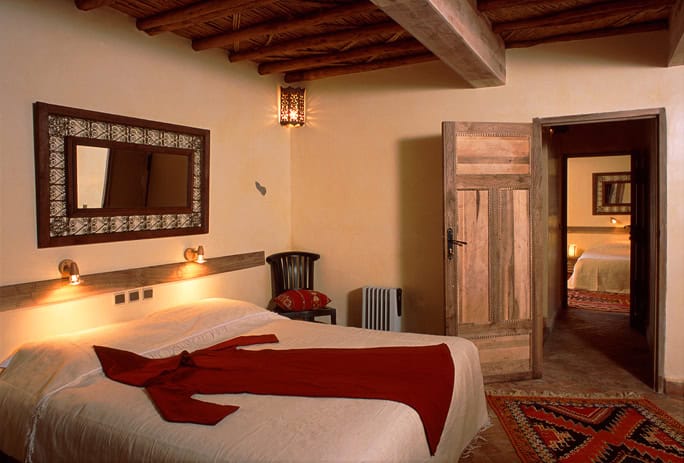
Fully refurbished in genuine Berber style, offering an authentic, homely feel.
Standard rooms are simple and comfortable.
Standard check-in is 2pm, check-out 11am, flexible depending on availability.
Included:
Excluded:
See “Options to book” for more details.
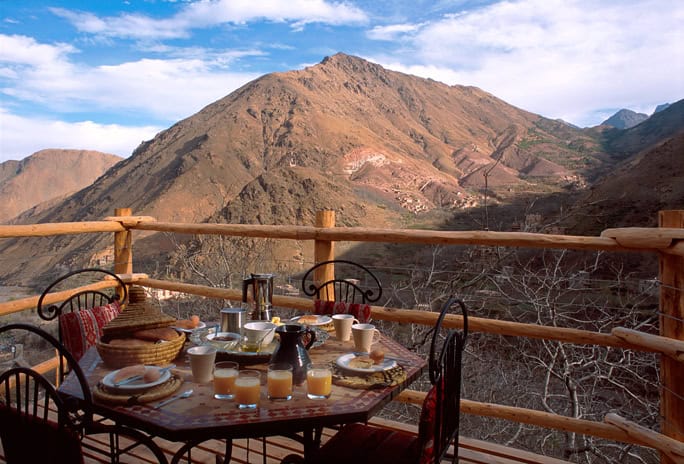
Included Breakfast: an array of freshly prepared local specialties. Includes freshly squeezed orange juice, home-baked breads, home-made yogurts, Berber Moroccan pancakes, fresh fruit, cereals and nuts, dried fruit and a selection of hot drinks.
All meals include spring water, tea or coffee.
Optional Extras: Lunch and Dinner:
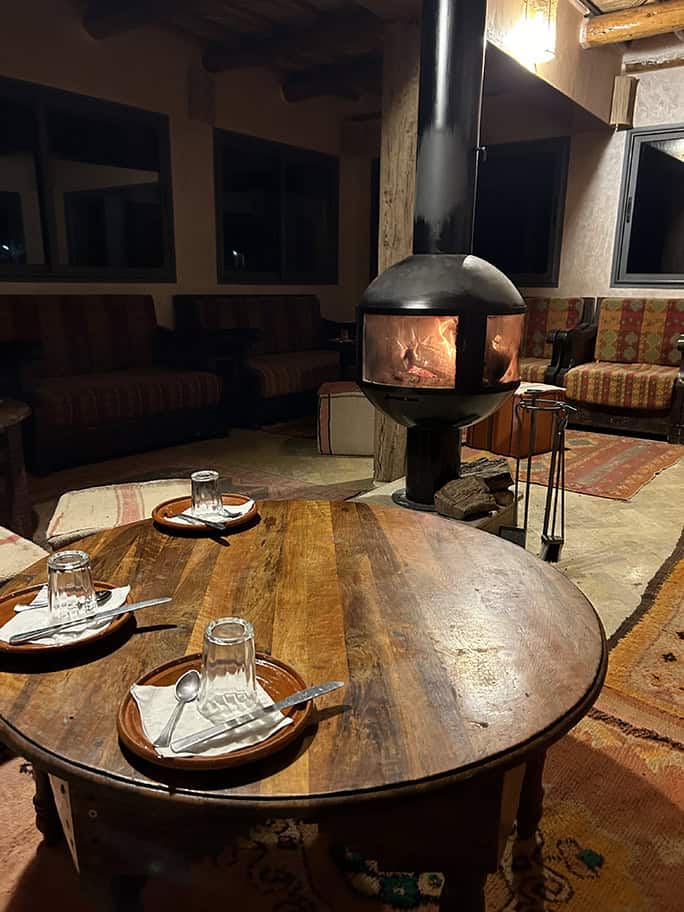
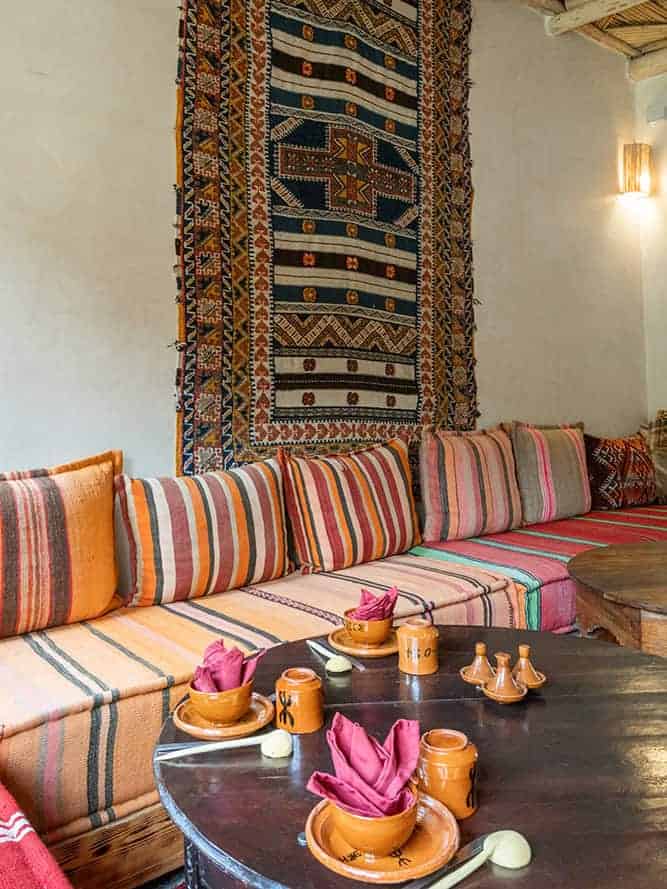
The charming dining room is typically traditional, complete with low tables, candle lighting, sofas, stools and an array of cushions.
You can choose to eat downstairs in the restaurant or
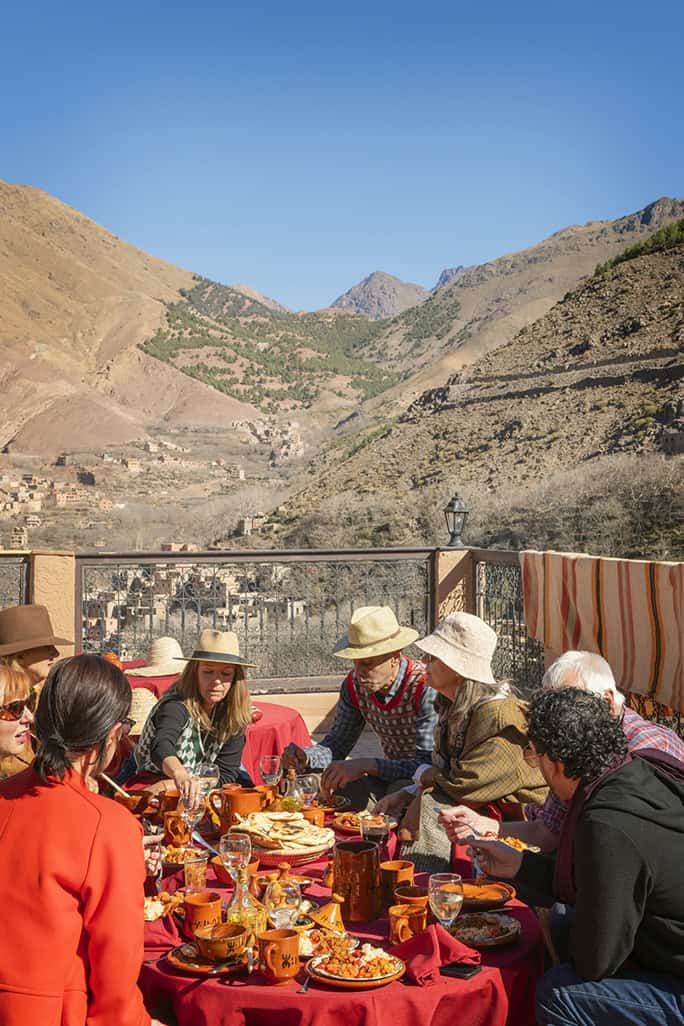
upstairs on the roof terrace adjacent to the tower with amazing views. On the second floor is a private dining room or meeting room.
Alcohol The Kasbah is not licensed to sell alcohol in respect of the local Islamic traditions. If you wish to drink alcoholic beverages during your meals or at the bar you are welcome to bring them with you. From an environmental perspective the Kasbah also asks you take the empties away with you—they will at least be lighter!
Trip packages are available: Combine with Marrakech, Essaouira and multi day treks in the Azzaden Valley – available on request.
March to May: Spring. Mild to warm, 10°C -25°C (50°F-77°F). Generally pleasant with increasing temperatures and blooming flora.
June to August: Summer. Warm to hot, with daytime highs often reaching 30°C-35°C (86°F-95°F). Mostly sunny and dry, making it a popular time for trekking and outdoor activities. The typical mountain altitude climate offers a sunny but cooler break from the hot city of Marrakesh though shade and sun protection are vital.
September to November: Autumn. Cooling down, 10°C-25°C (50°F -77°F). Crisp air with occasional rainfall, especially towards November.
December to February: Winter. Cold, especially at night, with daytime highs 5°C-15°C (41°F-59°F). Snow is possible in the mountains.
Annual Rainfall: Mostly during the winter months, with occasional showers in spring and autumn. There is the risk of thunderstorms and rains during summer afternoons however rain is only likely to fall for two or three days during any given summer month.
Overall, the best time to visit Kasbah du Toubkal for trekking and outdoor activities is during the spring and autumn months when the weather is mild and the landscapes are particularly beautiful.
Sorry – no disabled access or facilities.
As a protected area, The Toubkal National Park, with North Africa’s highest peak, houses Barbary sheep, foxes, owls, and more life than you might imagine!
Working with the local community is integral to the ethos, meaning a unique feeling of equality and community offering an exceptional experience.
Please bear in mind Morocco is still a conservative country. Islamic religion governs 99% of the population and 5 times a day you will hear the Muezzin (call to prayer) ring out from the speakers of mosques near and far, beckoning the loyal listeners to kneel in Prayer. Please be patient if you need to wait for them to finish worship, such as in a shop, and especially respectful during the month of Ramadan.
Hand-holding in pubic can cause offense. For same sex couples, whilst there may be a degree of tolerance if discrete, please be aware of the legal and cultural position in Morocco.
Dress: Even though only 40 miles from less conservative Marrakech, in Imlil it’s shocking for local people to see shorts, skirts above the knee, and sleeveless/low cut tops (both genders).
The genuine warm friendly and knowledgeable local team make every effort to ensure your stay is as enjoyable as possible.
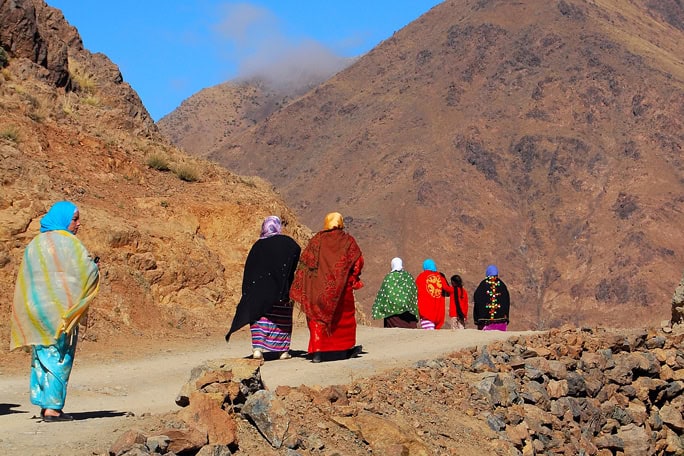
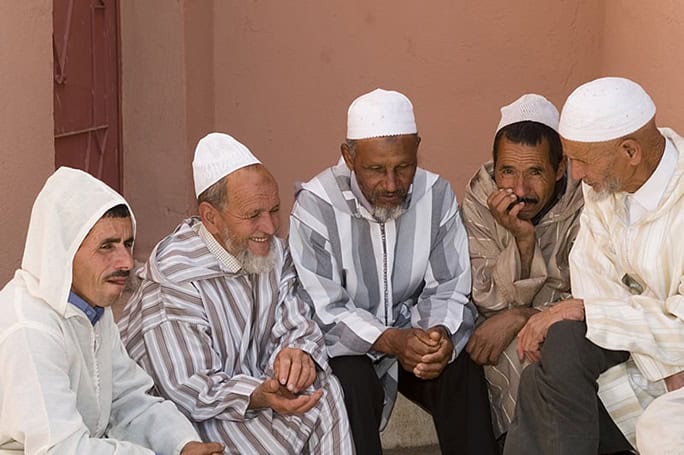
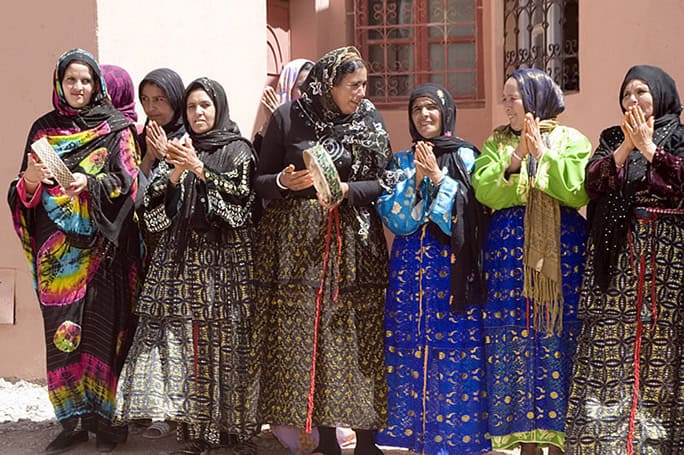
The Kasbah has been run in a unique partnership with the local Berber community since the beginning throughout its development and management today. So a stay is a unique chance to learn about the Berber culture and simple lifestyles of these proud mountain people who have changed little over the centuries.
“Such a project would not be possible without close and deep local ties… by our correct behaviour and respect for the local population, hopefully they have come to respect us and also accept some of our differences.” – Chris McHugo
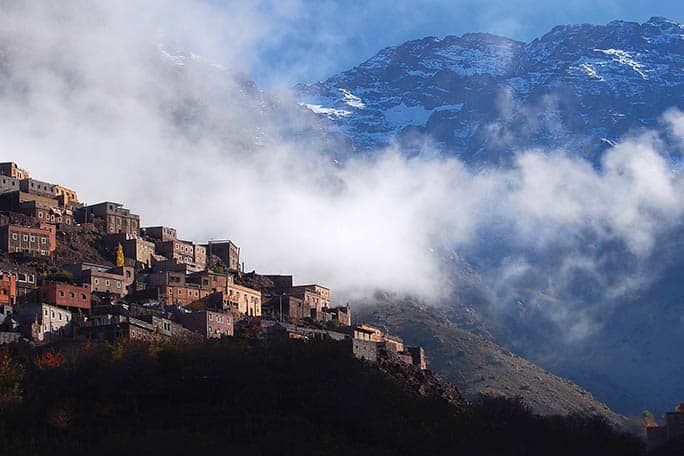
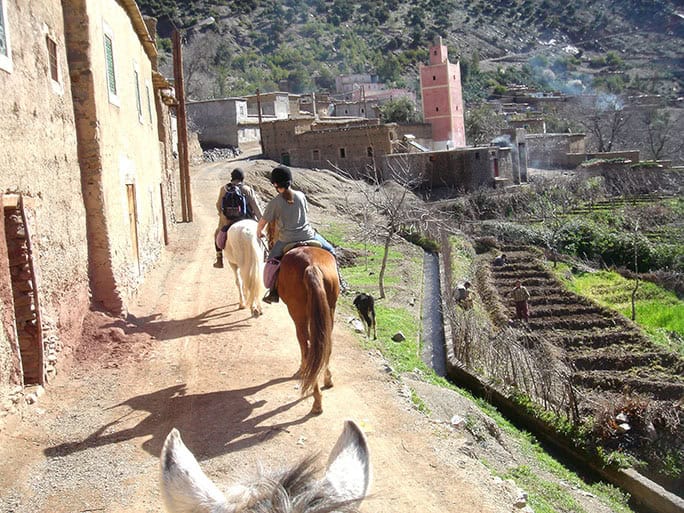
The village of Imlil comprises some five separate settlement areas with a population of just 1,500. Its location is at the end of the main road system, beyond which narrow footpaths and precipitous mule tracks are the only channels of communications with the outside world.
The guest house was renovated using traditional building techniques, local materials and craftsmen, with everything carried in by hand or mule. Power tools could not be used, as electricity didn’t arrive in the remote region until 1997. Even an industrial washing machine was brought by hand: it took 3 teams of 16 (48) men and a special constructed sling.
Imlil Valley’s population are mostly subsistence farmers, whose own fields and walnut, cherry and apple orchards flourish below the Kasbah.
Moroccan families often live near each other and usually in the same house, which can mean upwards of ten people under one roof where only one or two are earning money. A single son may bear the expenses of his mother, sisters, younger brothers, his wife and his own children.
In the valley it’s still quite rare for women to work outside of the home, and in fact it can be seen as shameful for them to do so, although this is slowly changing with education opportunities. This is something to bear in mind when bartering:
The average income for a guide or muleteer can range anywhere between 1500 – 2500 MAD per month. That’s around 150 – 250 euro per month to support ten people.
For this reason, when Hollywood movie director Martin Scorsese found the Kasbah an ideal location for a film about the Dalai Lama, it led to the formation of the Village Association to receive the fee negotiated for the film.
In Berber villages, no one speaks on behalf of another, but collective decision making is nothing new. With an outside source of funding, and no previous system, an umbrella structure was required to share the benefits of the filming equitably between villages and individuals.
Now in the village there are several shops selling souvenirs, groceries to locals, and a number of basic cafés offering local food. In the evenings, however, the village shuts up early: there is little or no alternative to eating an evening meal at the Kasbah.
Language: Berber, vastly different spoken and written even from the Arabic national language.
The Kasbah du Toubkal’s quest is to preserve the environment and support the health, wealth and well-being of the local village populations.
There is a shared belief that the beauty of the Toubkal National Park should be accessible to all who respect it.
A 5% levy is added to final invoices to support the Education For All charity and Village Association (Association Des Basins d’Imlil, which covers the surrounding valleys) organisations facilitated by the Kasbah.
The Association’s aim is to co-ordinate development and projects in the region on a purely apolitical basis.
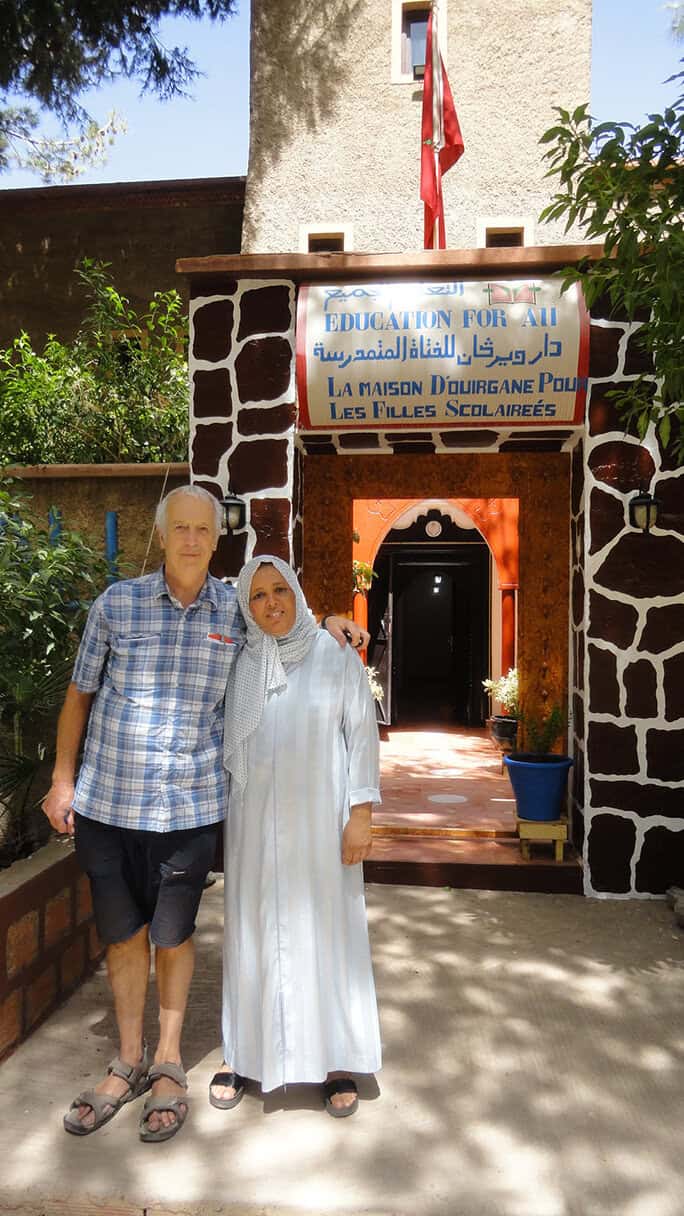
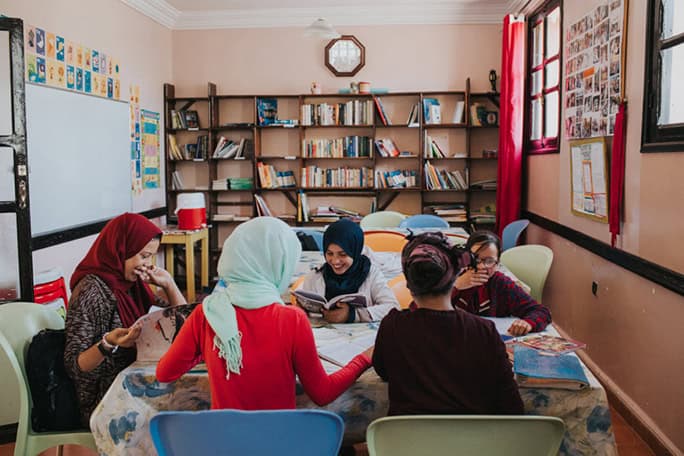
The Kasbah also gave rise to and continues to support Education for All, a charity supporting girls personal and professional development.
Historically, locally there was not the understanding of waste’s effect on the environment, air, water, and so food and health, so change has been a large education initiative.
There are no municipal services able to collect rubbish let alone recycle, which inevitably leads to rubbish dumped in backyards. Additionally, tourists coming for day trips leave rubbish on the mountains, which gets blown into grazing lands, water sources and where children play. Removal by burning means plastic fumes.
As a result, that Kasbah has
(In this valley) “It wasn’t complicated, but it was ambitious” – Mike McHugo
The subsequently created Village Association, supported by a 5% levy on the Kasbah’s tourism bookings, has also:
The Kasbah also works with SPANA, a British charity for the Protection of Animals abroad and responsible mule handling. Mules should not be tired, overloaded (more than 75kg baggage, or half that for over 20 minutes), thirsty, or have a traditional Berber iron bit, which causes pain, destroys teeth and affects the mule’s ability to chew, hence eat, leading to illness and even starvation.
Muleteers are also need to be paid a decent living wage to look after their mules responsibly, championed by the Kasbah in an industry-leading move, which also includes micro-chipping the mules for more individual tracking of life story data and care.
Bearded Vultures are an impressive but rare bird of prey on the IUCN Red List, disappearing from North Africa and Morocco. The Kasbah has supported this Toubkal conservation project throughout the High Atlas.
A primary motivation was to reduce the number deaths resulting from a lack of dedicated transport to Asni and Marrakech, especially deaths during childbirth. A vehicle purchased from England arrived in Imlil in December 1999. More recently moved to a more remote village, The Village Association then had a newer ambulance donated by a French Charity. After the earthquake in September 2023, the Kasbah raised funds once again for a new, 4×4 ambulance, thanks to a joint venture with the Eve Branson Foundation and Mike McHugo’s extraordinary rain-soaked 1000km fund-raising bike ride. The retired ambulance will continue its sterling work in another village!
After more than 35 years of bringing school groups to Morocco, it’s no surprise that supporting local education is also high priority. One of its largest ongoing initiatives has been:
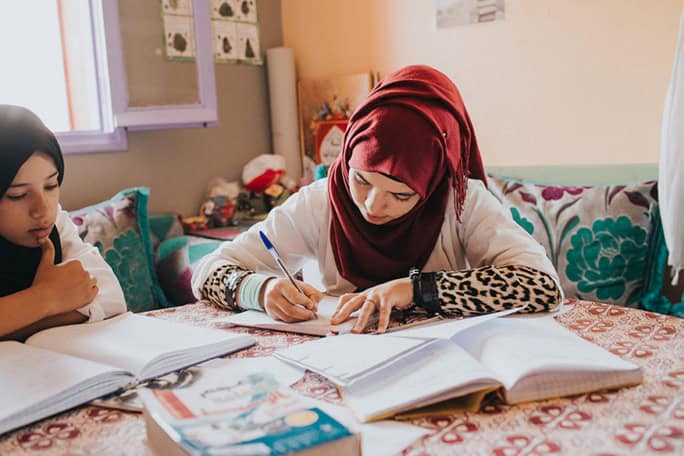
Very few girls from rural communities in Morocco attend school past primary 11 years old: they are not available locally, further afield is cost prohibitive for most families, and it has not been acceptable culturally for girls to stay away from home, especially in Dickensian state boarding houses. Therefore, they leave education, the illiteracy rate is high in rural areas and they get locked in early to marriages and having family and are not able to realise other potential in their lives.
“Educate a boy and you educate the man; educate a girl and you educate a family, a community, a nation.” — the ethos of Education for All c/o Derek Workman, Reasonable Plans
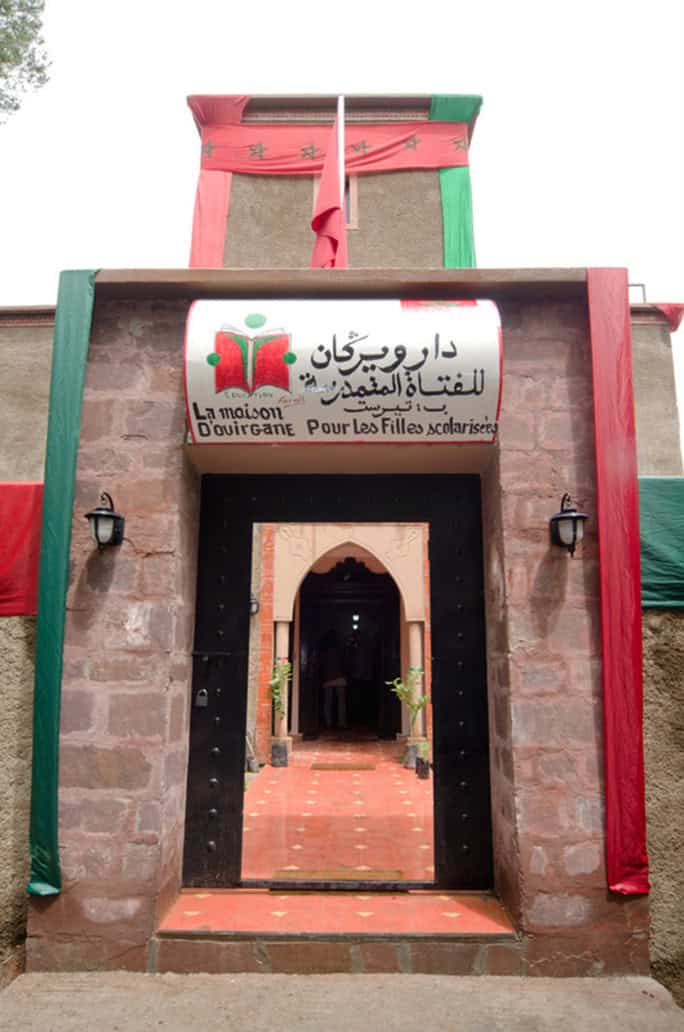
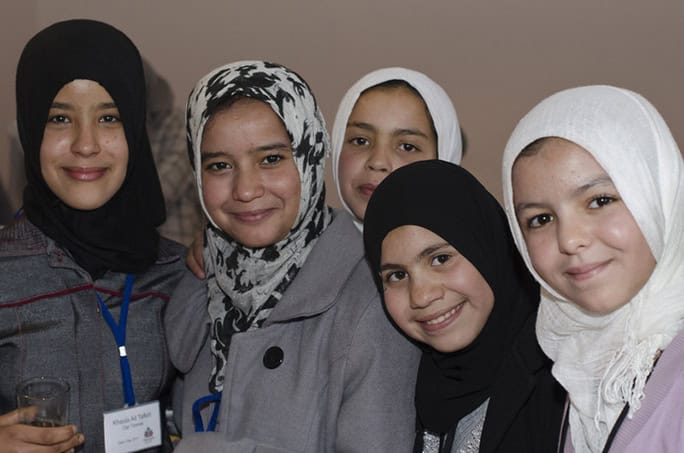
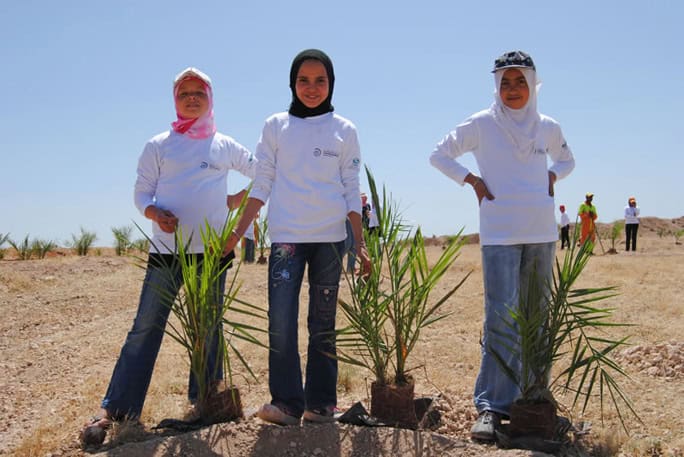
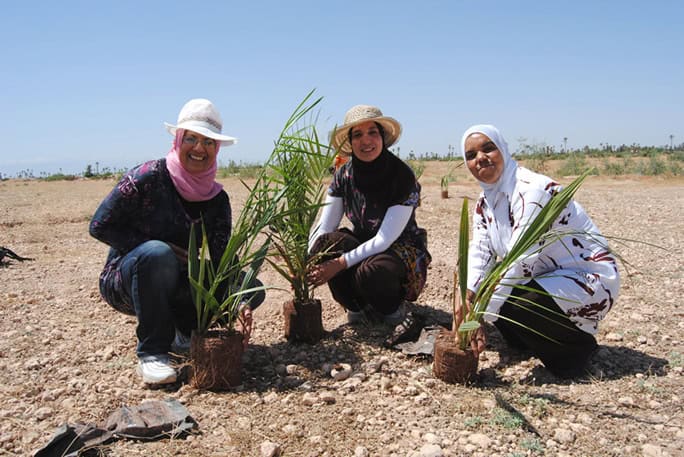
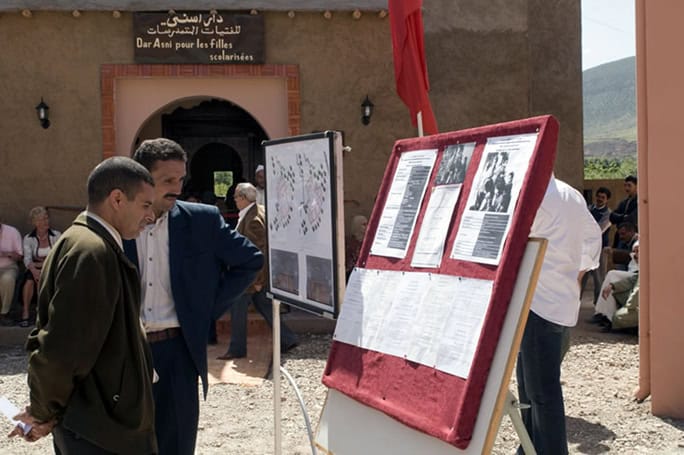
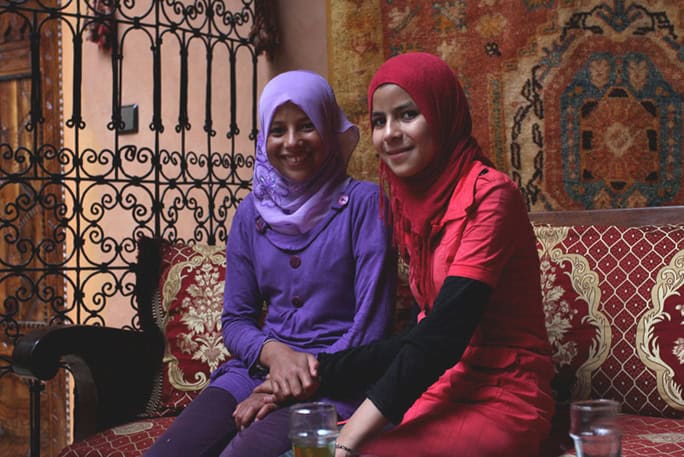
Education for All is a charity the Kasbah helped create that enables young girls from local villages to pursue their education by providing scholarships and high quality girls’ boarding houses. Everything is provided for free: 3 nutritious meals a day, hot showers, cosy beds, access to computers, study support via an international volunteer programme and dedicated, local housemothers. Education for All thus gives disadvantaged girls from 12-18 the opportunity to not just complete secondary and high school and attend university, but really settle in and thrive in their studies, gaining valuable life skills and experiences too, such as visiting the coast and tree planting.
The charity started in 2007 with 10 girls, and by 2023 had reached more than 450 in total, 250+ girls in a year, with 21 local staff employed to support them.
On average, 90% girls pass their secondary education (96% Bac in 2022 vs 60% national average) and over 170 EFA girls have enrolled at university since 2013, 2 now with Master’s degrees!
Girls are now able to pursue dreams and becoming doctors, teachers, architects… however, only 20% of applicants could be previously supported due to a limit of 6 boarding houses.
Sadly, the September 2023 earthquake heavily damaged 5/6 of the school boarding houses. Thankfully most of the girls were away at family homes for the weekend and survived. After the immediacy of accounting for the girls, short term focus turned to the damaged boarding houses, which needed to be demolished, and temporary replacement school and boarding houses.
As a separate charity, Education for All is able to raise funds externally (along with contribution from the Kasbah’s 5% turnover for the Village Association) and has been working on the long term rebuild of the school boarding houses.
The Kasbah aims to be a viable business that contributes to the development of the Moroccan economy while enhancing the local community’s quality of life.
5% of the Kasbah’s turnover is channeled into local initiatives supporting education, health, and welfare
Products and services are made and bought as locally as possible. Reliance on animal power means working animals and their conditions are included in sustainability concerns.
The Kasbah was only temporarily closed as a result of the devastating earthquake in September 2023. Thankfully it’s solidly sustainable renovation and rebuild led to its sturdiness, with just the dining area affected. For 3 months they supported other local properties with relocating their guests while the dining area was unusable.
After the earthquake, as well as supporting their own Education for All charity to relocate students for schools and boarding houses, and to raise funds for their rebuilding, the Kasbah encouraged donations to the British Moroccan Society (BMS) charity.
SDG 1 No Poverty: Supports local community development and employment opportunities.
SDG 4 Quality Education / SDG 5 Gender Equality: Founded and tourism helps fund Education For All charity to provide secondary education and associated suitable accommodation for girls. Also hosts student groups and supports education of sustainable development.
SDG 8 Decent Work and Economic Growth: Employs local staff and supports local businesses and services.
SDG 9 Industry, Innovation and Infrastructure: Recognised as a flagship development for sustainable tourism in Morocco, designed and restored to blend with the local architecture and preserve Berber cultural heritage.
SDG 11 Sustainable Cities and Communities: Preserves local architecture and supports community infrastructure.
SDG 12 Responsible Consumption and Production: Created local incinerator, organises mountain waste clean ups, implements waste management and recycling initiatives.
SDG 13 Climate Action: Operates as an eco-friendly lodge with sustainable practices.
SDG 15 Life on Land: Located in Toubkal National Park, supporting conservation efforts and responsible mule husbandry.
SDG 17 Partnerships for the Goals: Collaborates with local associations and international organizations for sustainable development.
Just 90 minutes from Marrakech.
Transfer: The easiest way to reach the Kasbah du Toubkal is by the lodge’s private transfer from Marrakech with a driver who knows the route: €85 one way with up to 4 passengers a time.
On arrival at Imlil, check-in at the lodge reception, and porters, with mules for luggage, will escort you for the 15 minute walk to the Kasbah.
Check-in / Check-out: Standard check-in is 2pm, check-out 11am, flexible depending on availability.
This place is magical. The Kasbal offers warm and welcoming hospitality, making you feel right at home. The food is delicious. It is quite an experience to sit in the porch to read a book and enjoy the scenery. We also went on an overnight trek to the Azande Trekking Lodge. The hike was beautiful and well organized. Abdul is a fantastic guide and shared great stories about the area and Berber culture. We love the experience and it is a great example of sustainable tourism.

Fantastic place with lovely staff and views to die for. They do such great work for the community there. A must visit for many reasons! Food was delicious, lovely clean rooms and a Hamman as well. Important you visit the region to support these people post earthquake devastation.
2021 The Glasgow Declaration – Launch Signatory
2014-18 Trip Advisor Certificate of Excellence – Recognising 5 Consecutive Years of Consistently High Ratings from Travellers
2012 Association of Independent Tour Operators – 5* Sustainable Tourism Award
2012 The Green Key Morocco – awarded by the Mohammed VI Foundation for the Protection of the Environment.
2011 Finalist Responsible Tourism Awards – Highly Commended in Best Accommodation for the Environment category.
2011 Condé Nast Johansens 2012 Awards for Excellence – Winner Knight Frank Award for outstanding excellence and innovation.
2010 Finalist Responsible Tourism Awards – Highly Commended – Mountain Environment Category.
2009 Eco Hotels of the World – 4 Green Stars rating.
2008 National Geographic ADVENTURE magazine – Top 50 Eco-Lodges.
2008 Fair Trade Travel: 5 Globe Rating
2008 Moroccan Sustainable Tourism Award – Winners
2004 Responsible Tourism Awards – Winner, Best in a Mountain Environment.
2002 British Airways Tourism for Tomorrow Awards – Highly Commended.
1998 Green Globe Award: Highly Commended for sustainable tourism
Enquire to find out what’s on offer for your trip dates, ensuring you get the best deals and availability tailored to your travel plans. Don’t miss out on exclusive promotions and packages designed to enhance your experience.