



The BBC’s Blue Planet II wildlife documentary series, presented and narrated by Sir David Attenborough, enthralled audiences exploring the planet’s oceans.
Experts predicted the popularity of Blue Planet to lead to an increased demand for sustainable holidays. Turned off by over-tourism in cities, up to one third expected to head to new destinations, with some 70% supporting tourism with a positive impact to help local people and economy. (ABTA/Daily Mail)
Here are some fabulous examples:
Ocean Conservation Expedition Sailing Where “Seeing is believing”
Regular people join a front line team at sea on exceptional sailing expeditions to observe, document, learn and communicate about marine exploration, conservation & education.
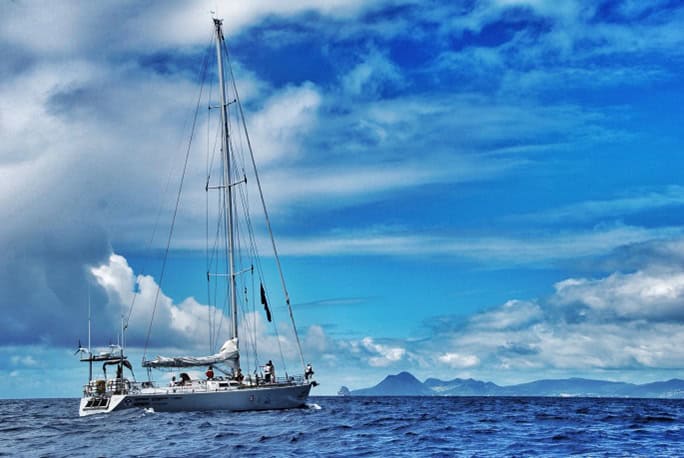
On the expedition vessel, professional leaders work alongside visiting crew as one team, providing valuable manpower, skills and financial support for the mission.
When: Various sailing expeditions and ocean conservation trips, year round >
In Tanzania: “One of the most spectacular coral gardens to be found anywhere in the world.”
The first privately established and managed Marine Protected Area in the world, and the only one fully-funded through ecotourism, Chumbe Island Coral Park is a small island off the coast of Zanzibar, off the coast of Tanzania in East Africa.
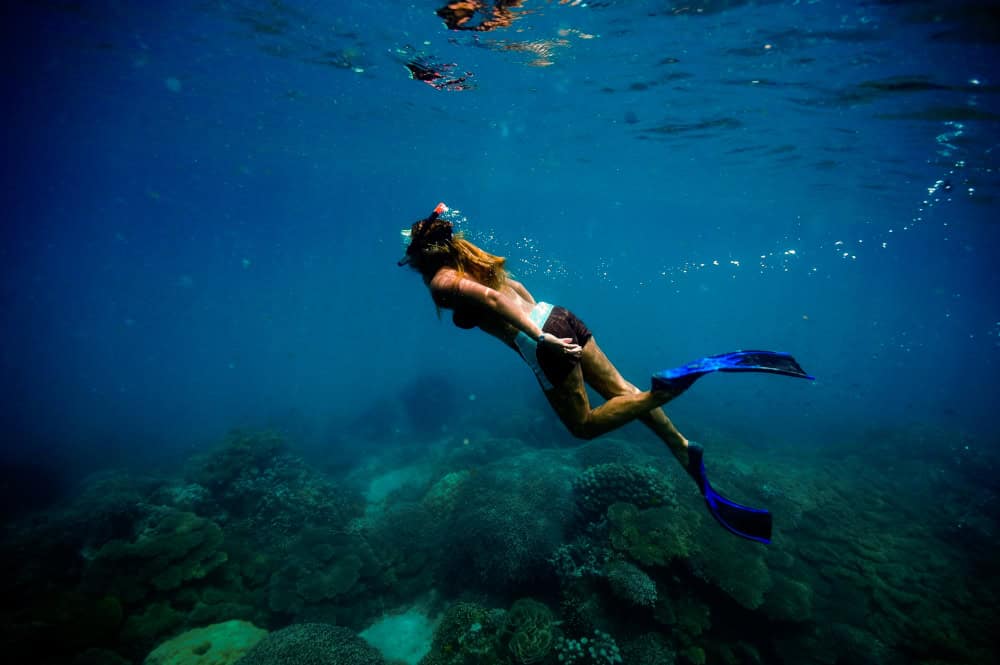
Snorkel the island’s stunning coral reef sanctuary and coral rag forest, relax in the exclusive eco-bungalows, savour traditional Zanzibari cuisine, all the while supporting conservation and education efforts.
When: June-March inclusive (Closed April and May due to rainy season)
Read more & enquire: Private Marine Protected Area >
Galapagos: Out-of-this-World Wildlife and Marine Life
Away from the tourist crowds, experience island beauty and the Galapagos old way of life while supporting Floreana locals in the first community-based tourism initiative in the Galapagos Islands, on the island that really helped shape Darwin’s theory of evolution.

In this World Heritage Marine Reserve, Floreana’s extinct volcano lava base is in evidence around the coast, from volcanic cones providing some of the world’s best and unique diving experiences, to olivine crystal beaches and rocky shores, providing habitats to remarkable and highly adapted endemic and indigenous wildlife. Kayak, snorkel, dive and SUP and get close up to sea lions, marine iguana, manta rays, sharks and sea turtles – look out for dolphins and whales!
When: June – November is cool and dry; December – June warm and wet – the better time to visit for warmer, calmer seas and good underwater visibility.
Read more & enquire: Galapagos Islands: A World Apart >
Costa Rica: Sustainable Luxury on the Osa Peninsula
On the western Pacific coast of Costa Rica, at the southern-most tip of the Osa Peninsula, Central America’s last remaining lowland dense tropical rainforest, this is one of the most nature-immersed ecolodge experiences in the world.

As well as being a wildlife corridor to Corcovado National Park on land, with hundreds of species of birds, mammals, reptiles, trees and plants, learn about the marine biology of the Golfo Dulce, one of only four tropical fjords in the world, where you can see land crabs, starfish and sea cucumbers. You may see any of the three species of dolphin (common, bottled-nosed or spotted), whales and turtles. Snorkel and go sea and mangrove kayaking.
When: January to April is the dry season with reliable sunny weather with little or no rainfall. May to November is the “green season” – the best time to experience a true rainforest.
Read more & enquire: Exploration and education immersed in nature >
Find all of these places and more at Earth Changers, featuring some of the best positive impact, transformative tourism for people to find & book trips that change the world.