

Recommended duration
Price per night per adult
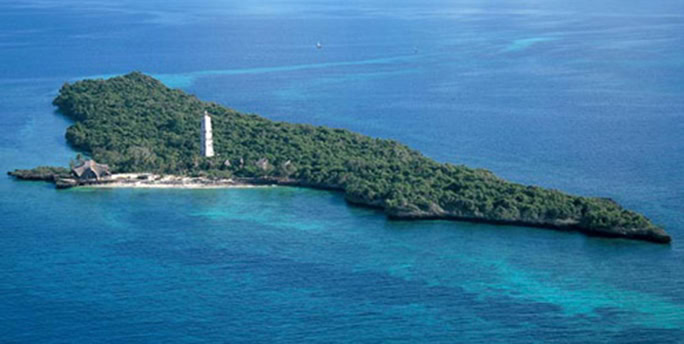
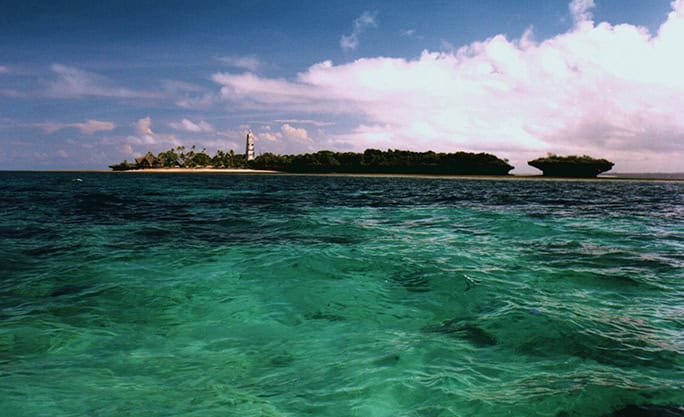
Chumbe Island Coral Park is a small island off the coast of Zanzibar, off the coast of Tanzania in East Africa. The first privately established and managed Marine Protected Area in the world, usually fully-funded through ecotourism, Chumbe Island was set up by Sibylle Riedmiller.
Explore the island’s stunning coral reef sanctuary and coral rag forest, relax in the exclusive eco-bungalows, savour traditional Zanzibari cuisine, all the while supporting conservation and education efforts. Chumbe Island is
“One of the most spectacular coral gardens to be found anywhere in the world.” — Coral taxonomist Professor Veron from the Australian Institute of Marine Sciences
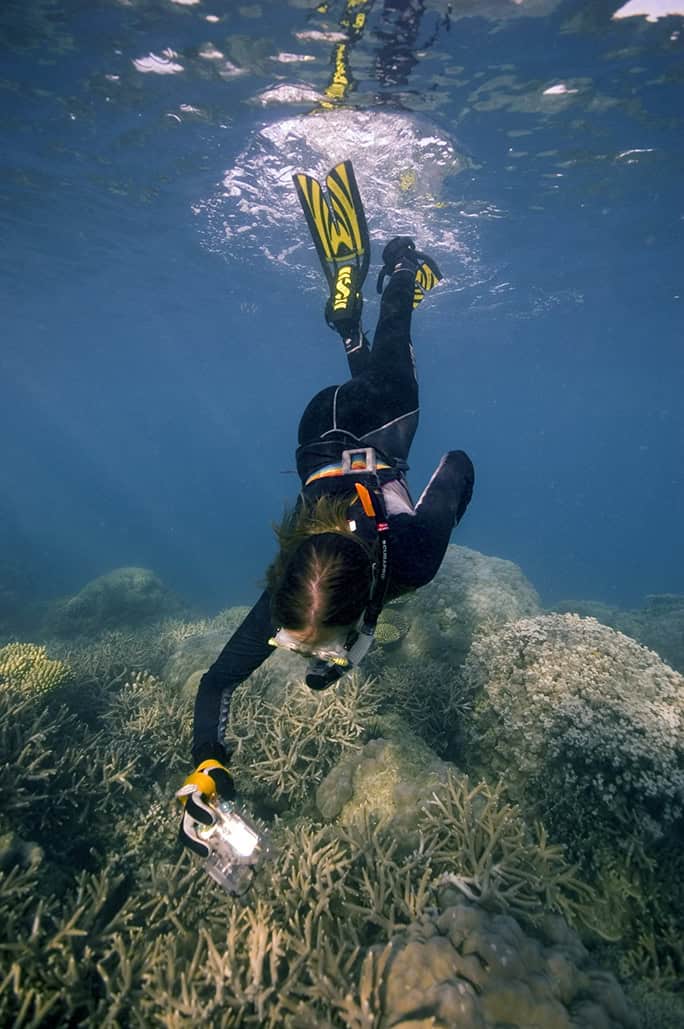
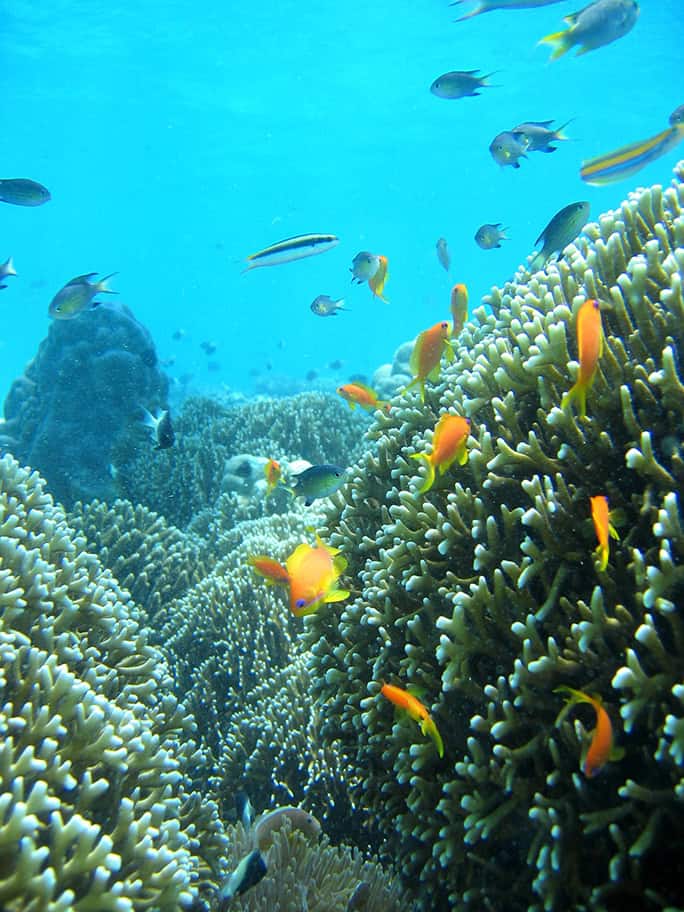
Pristine Coral Reefs: Snorkel among 200+ coral and 500+ fish species.
Model Excellence: Ecotourism supports pioneering conservation & education
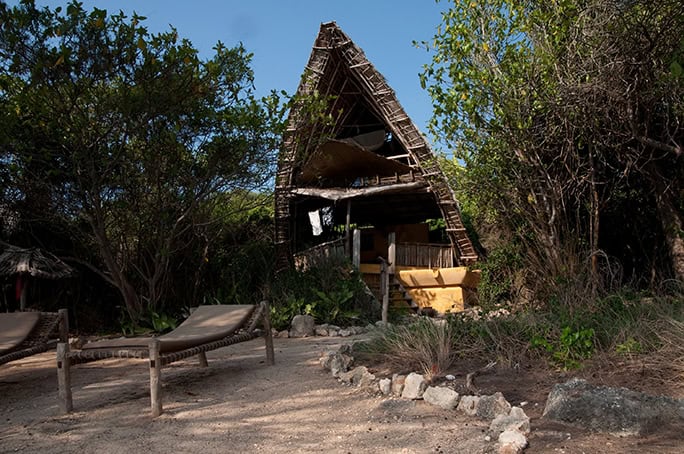
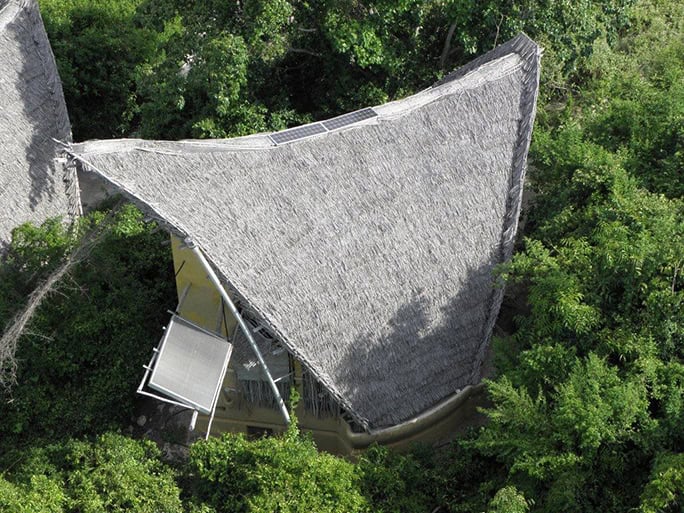
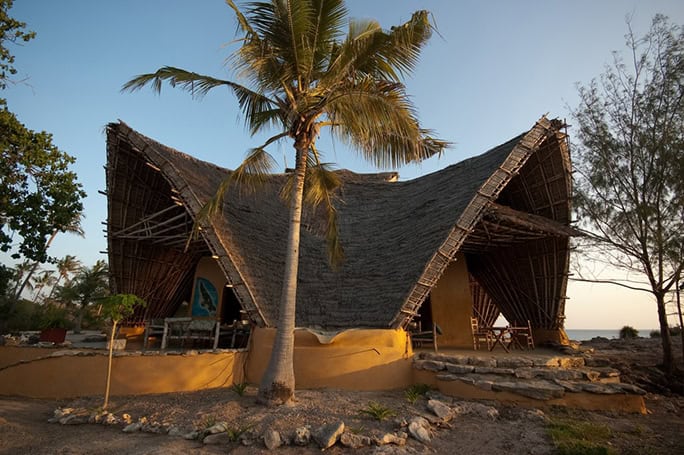
Eco-Friendly Bungalows: Sustainable, solar-powered, flip-down fronts & 30 seconds to the beach!
Biodiversity Hotspot: Forest reserve harbours rare species like coconut crabs and Aders' duikers.
Guided Nature Walks: Discover unique ecosystems with expert-led tours.
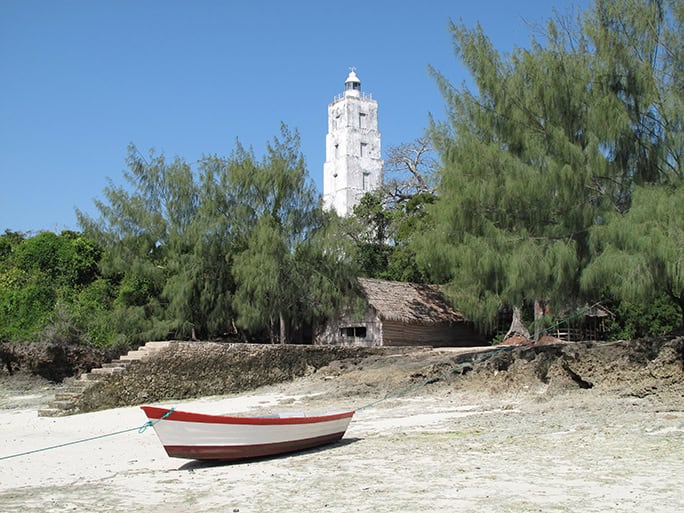
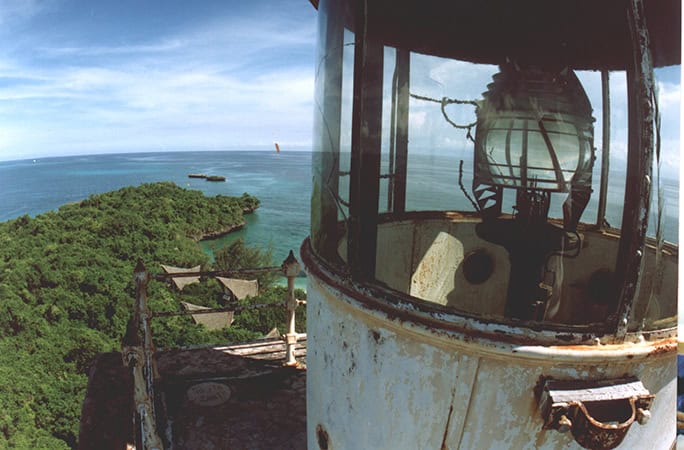
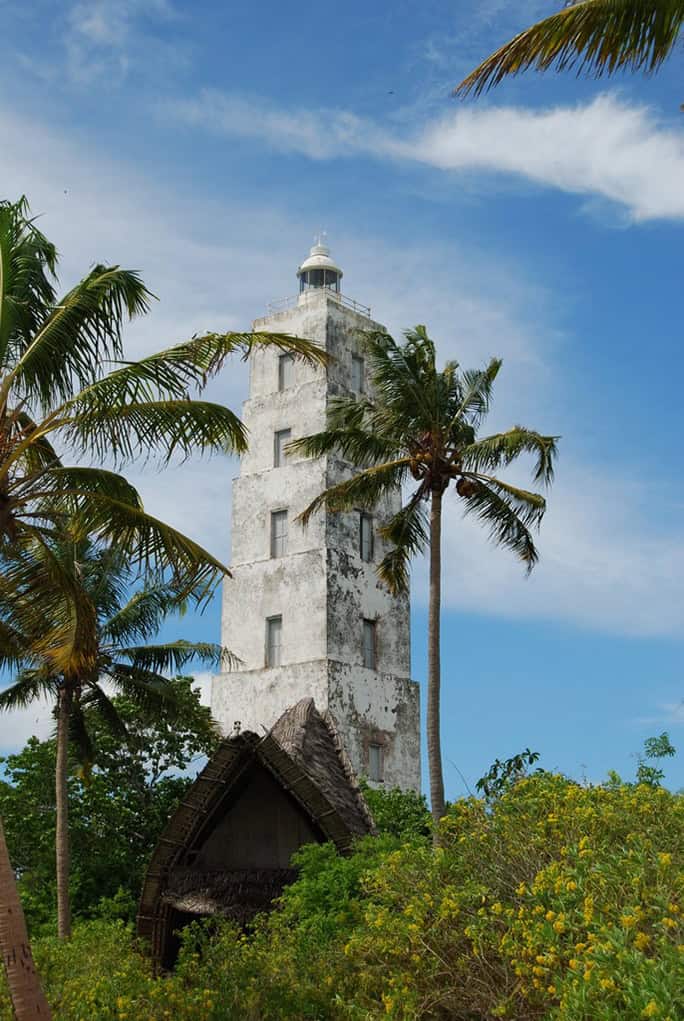
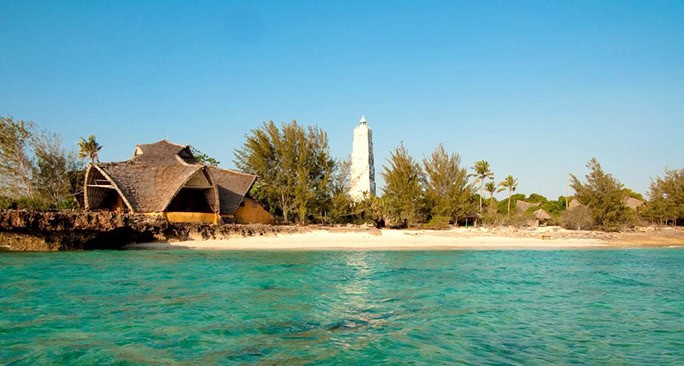
Historic Lighthouse: Climb the 1904 lighthouse for panoramic views.
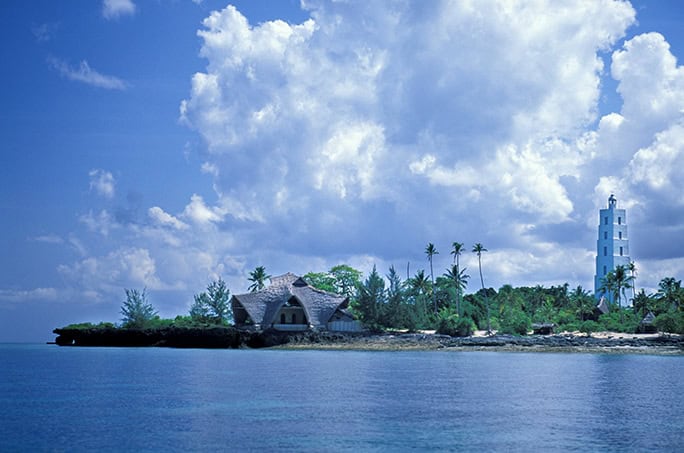
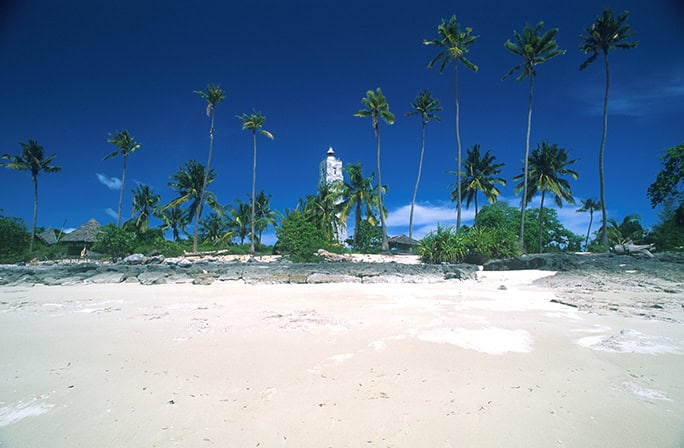
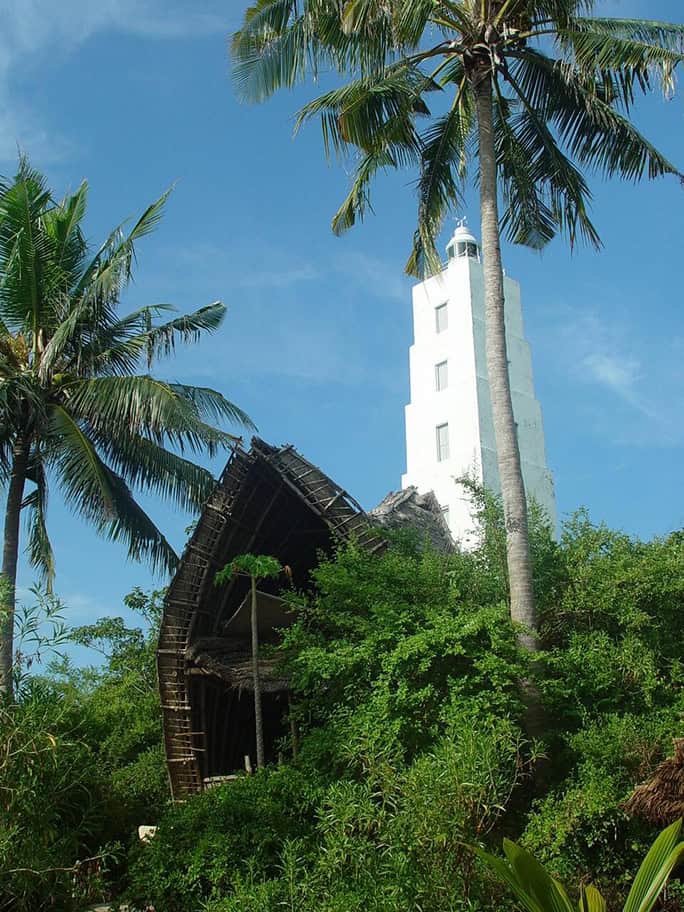
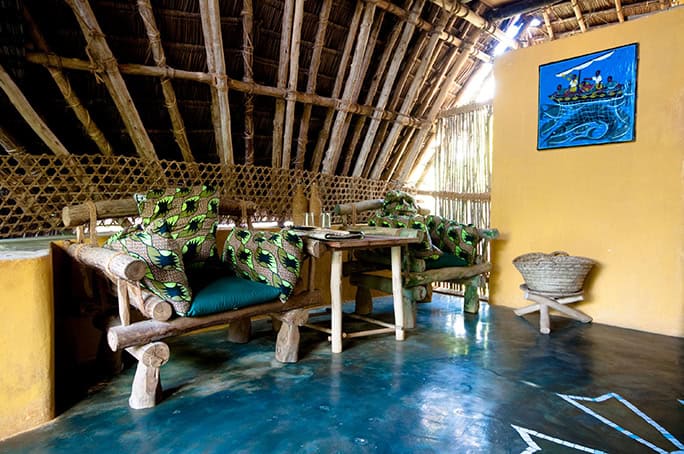
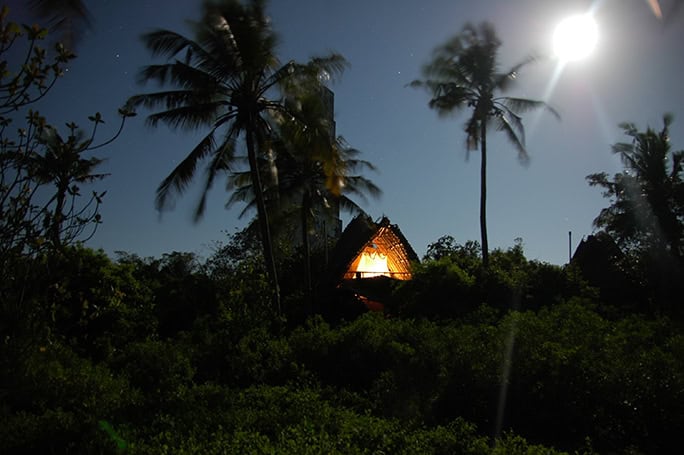
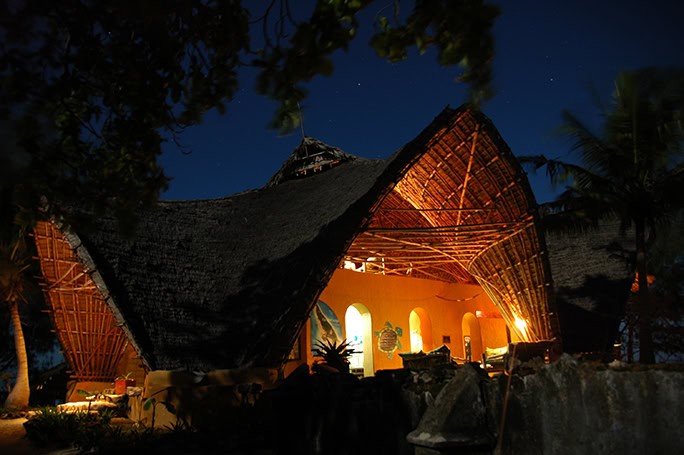
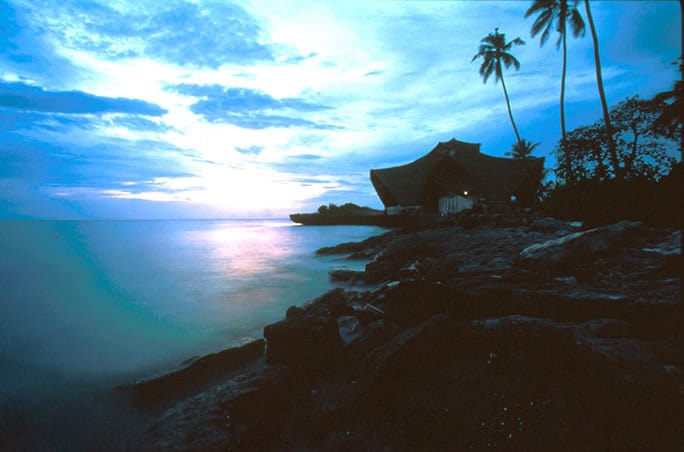
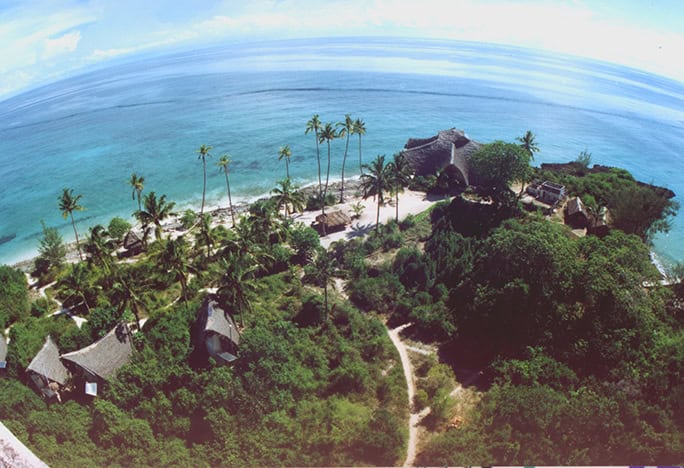
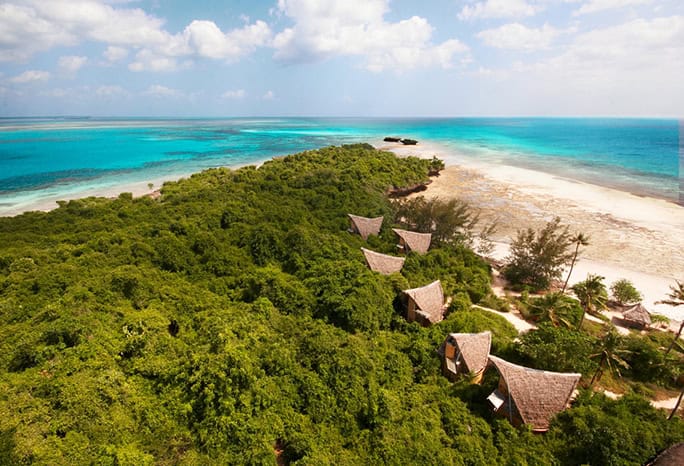
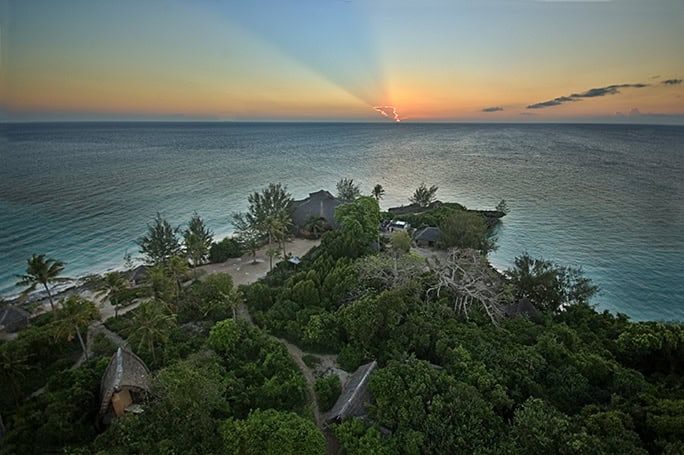
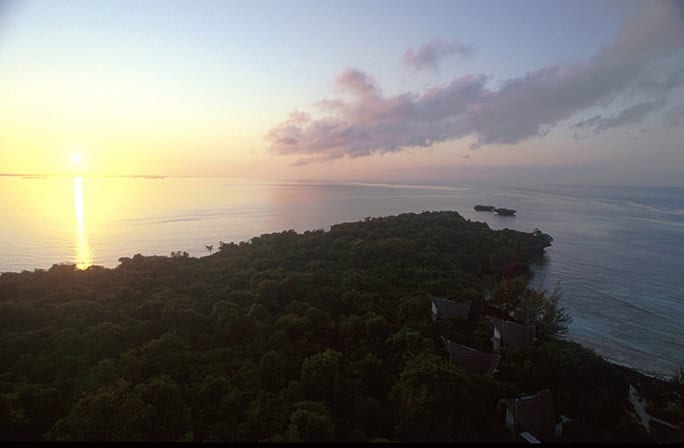
On Chumbe Island, just seven thatched roof bandas (bungalows), are idyllically set in the surrounding forest, 30 seconds to the beach, offering natural beauty with privacy, yet a sense of freedom facilitated by the open design, providing natural air conditioning by the sea breeze. In fact, the only doors and windows anywhere on the island are in the 100-year-old lighthouse which offers spectacular views of the turquoise sea between Tanzania mainland and Zanzibar, especially for sunset.
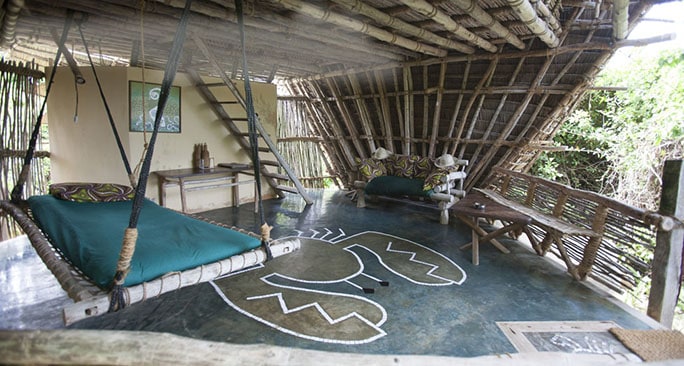
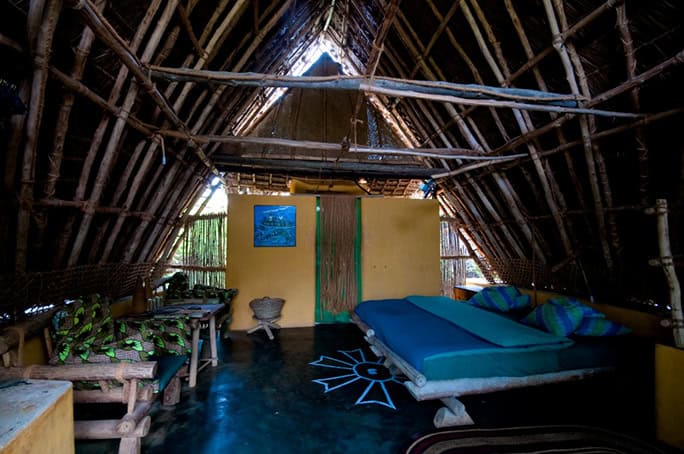
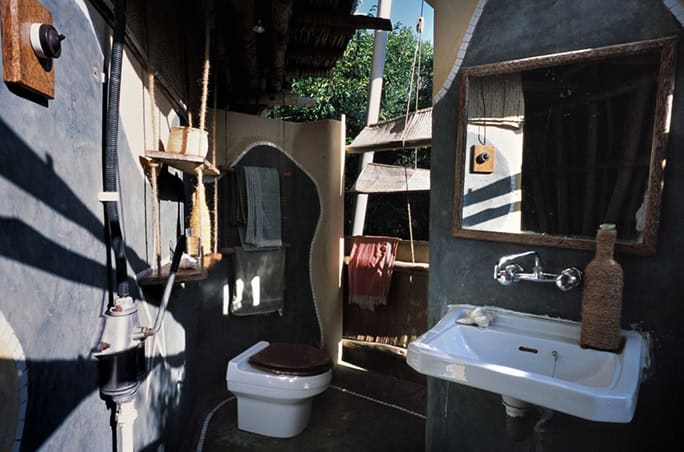
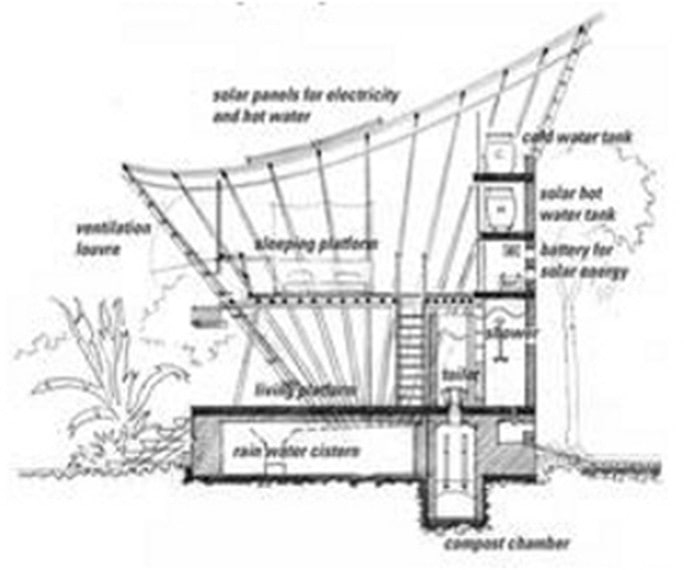
The stunning off-grid, solar-powered eco-bungalows are perfectly blended with the surrounding nature and situated between the beach and the forest. Each bungalow is equipped with a king-size bed on a sleeping platform under a palm-thatched roof (twins and triple beds on request), a living room with handmade furniture and African art, a very comfortable bed-style hammock, and a self-contained eco-bathroom.
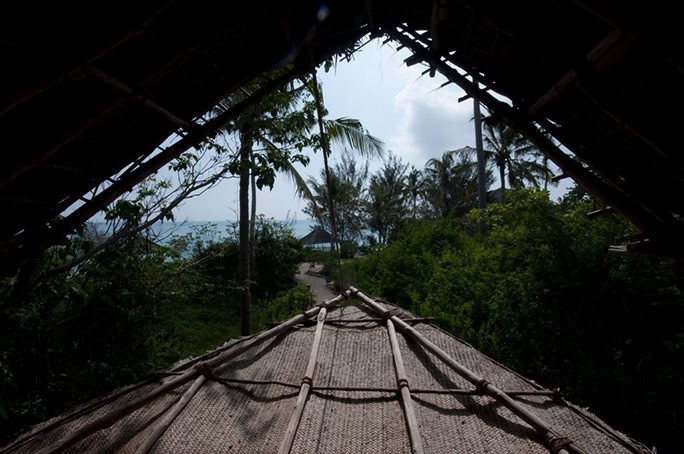
Bandas include a double or twin sleeping platform under a thatched area upstairs. Calm tranquility in nature abounds. The large living room, where tea and coffee is brought for you in the morning, features handmade furniture, African art and hammocks to add to the eco experience. To top it off, a section of the roof can be let down for a view of the ocean! See “Options to book”.
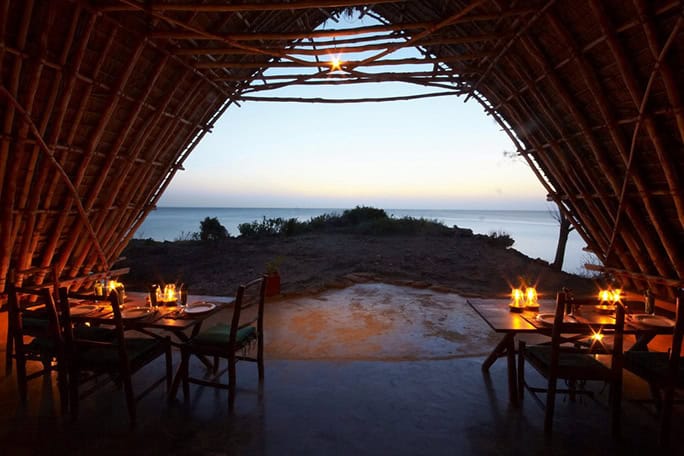
Dining takes places in the former lighthouse keeper’s home which has been restored and remodelled into a giant-clam-shaped visitors’ centre and restaurant bungalow.
Dinner can also be taken outside on tables set up in the sand or by candlelight on the beach.
Guests are offered a daily selection of typical Zanzibarian and Swahili cuisine, a delicious blend of Asian, Arabic, African and European flavours and spices of the islands, lovingly prepared by the kitchen team, including a variety of vegan, vegetarian, gluten and lactose-free dishes if required.
Made from local produce, dishes also minimise waste, packaging, processing, pollution and food miles, transported in locally made, biodegradable baskets. This also helps raise awareness and pride in the local culture.
Chumbe purchases only fresh fish from local fishers and has implemented a sustainable seafood purchasing policy, avoiding ecologically important reef fish species and promoting marine species less prone to overfishing.
Tates are full board and include all food and drinks, except alcoholic beverages. A selection of locally inspired cocktails, sustainable wines, beers, and other drinks are available at an extra cost.
Please inform the team before visiting if you have any dietary needs or allergies.
As the whole of Chumbe Island is a nature reserve, you can explore at leisure or with the guidance of experienced local rangers.
Over 20 years as a protected area means an exceptional amount of biodiversity in rare and endangered plant, animal and marine life. All guided activities are included and scheduled daily.
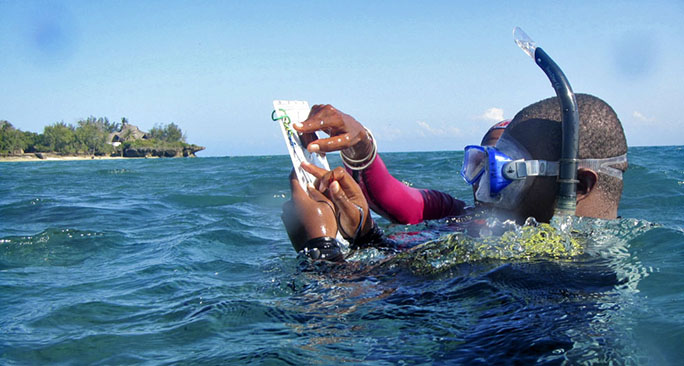
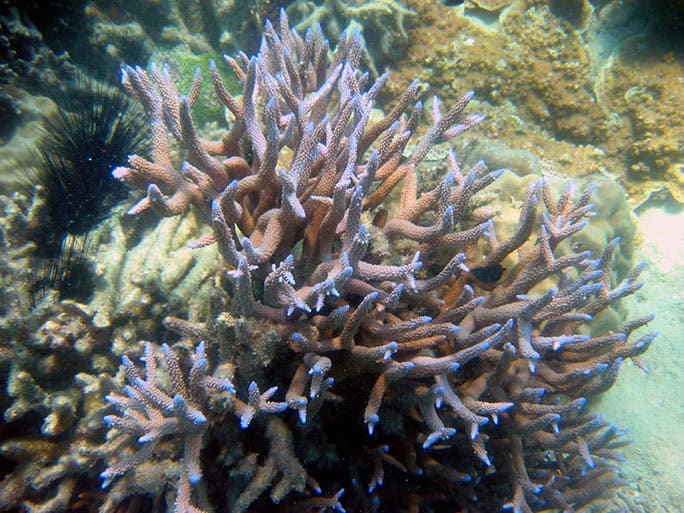
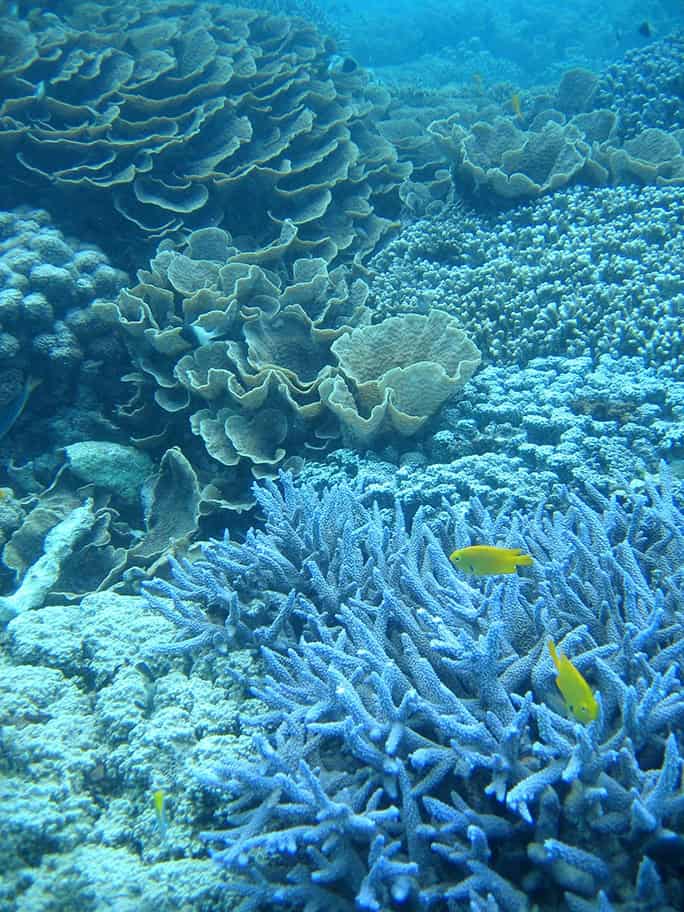
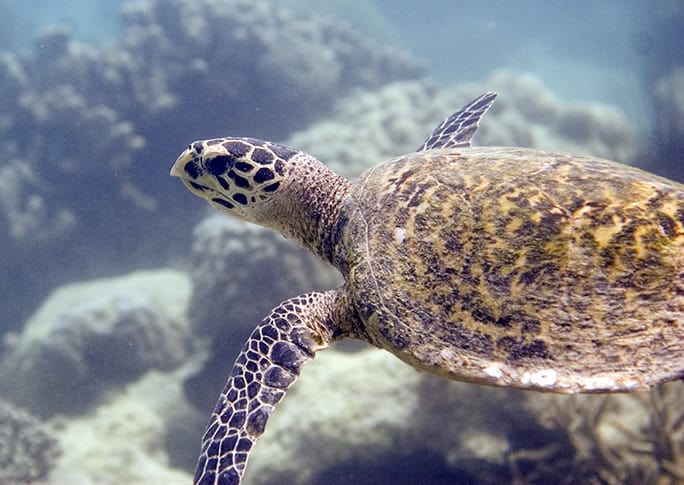
Snorkelling: Witness the breath taking beauty of more than 200 coral species on just one kilometre stretch of reef (90% of all coral species found in Africa) acting as a forest home, shelter and food for more than 450 fish species, plus turtles year-round, able to reside with enough food due to a no-take fishing zone and the park’s protected status.
All guests are expected to follow the internationally recognised UNEP/Green Fins code of conduct to ensure safety for yourself and the protection of the delicate coral reef.
SCUBA is not allowed in the Chumbe Reef Sanctuary (except for research and filming activities), but it is possible to enjoy diving on nearby reefs.
With local guides, learn more about the geology of the island, plant adaptations to survive without groundwater, medicinal uses of local trees and shrubs, hidden fauna and the island’s inter-tidal shores.
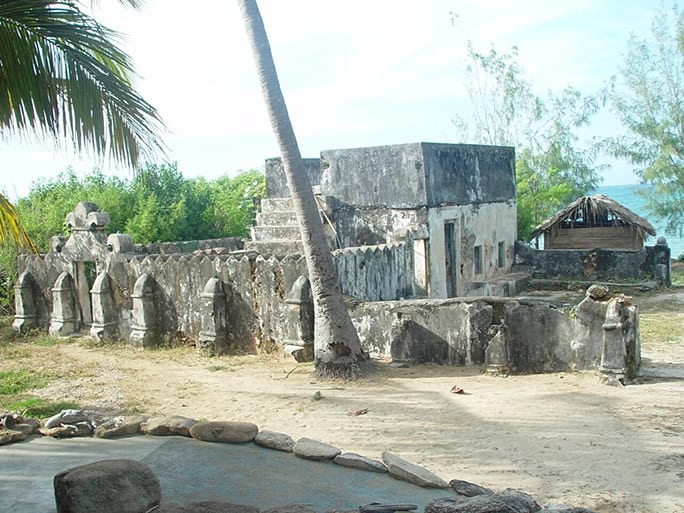
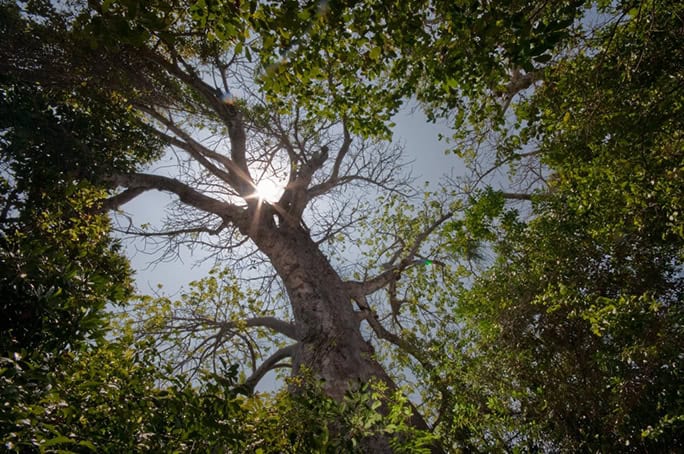
Several well-marked trails explore mangroves, baobabs and 15,000 year old fossils. You can also visit the lighthouse, which continues to function as an essential signal of shallow water to maritime users under Zanzibar Ports Corporation, and the mosque, built for the Indian lighthouse keeper by their community at the turn of the century and still used for daily prayers by Chumbe’s Muslim team members on the island.
Learn about medicinal plant use from the guides and see how many of the ~180 plant species you can identify with the ID cards!
Intertidal walks, circling the whole island are only possible during spring low tides and will take about an hour.
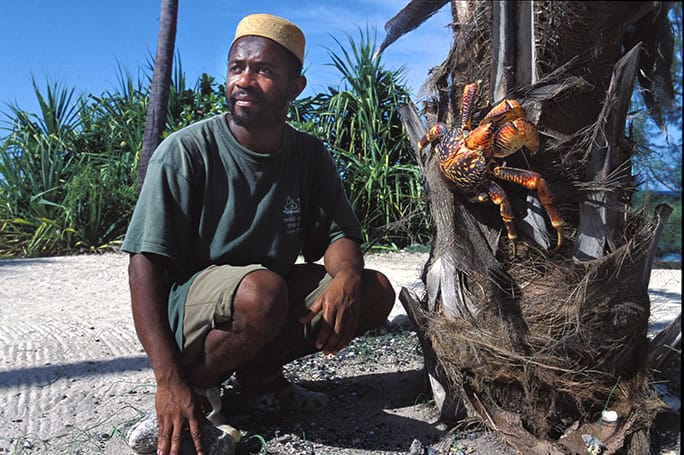
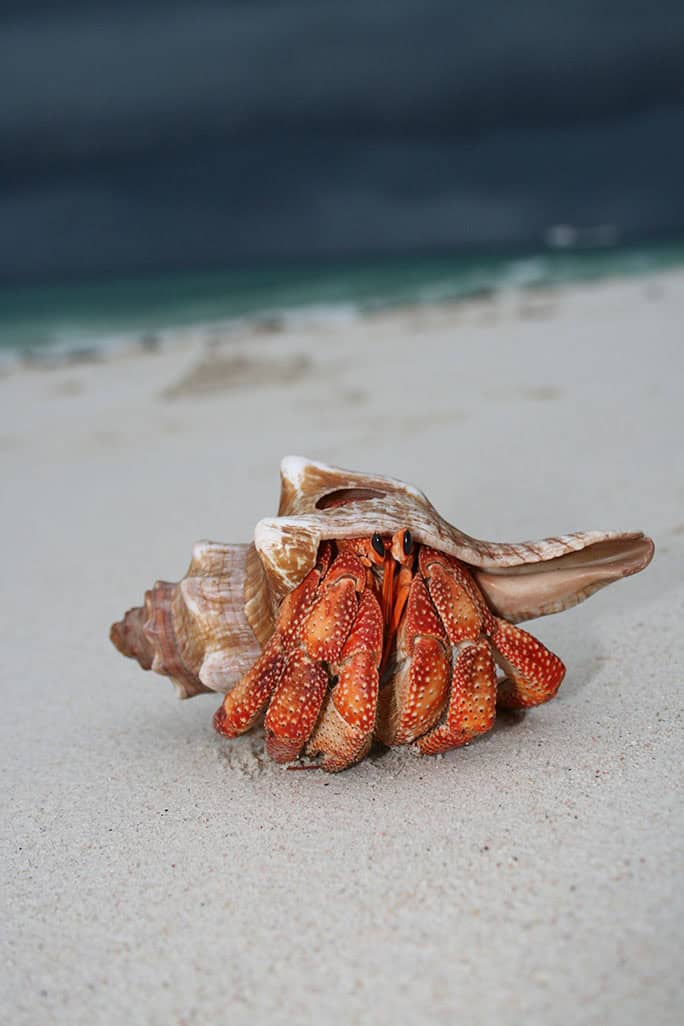
After sunset, talk an evening walk to encounter with giant coconut crabs in the coral rag forest looking for food. The crabs (Birgus latro) reach up to 45 cm in diameter – the largest living land crabs in the world!
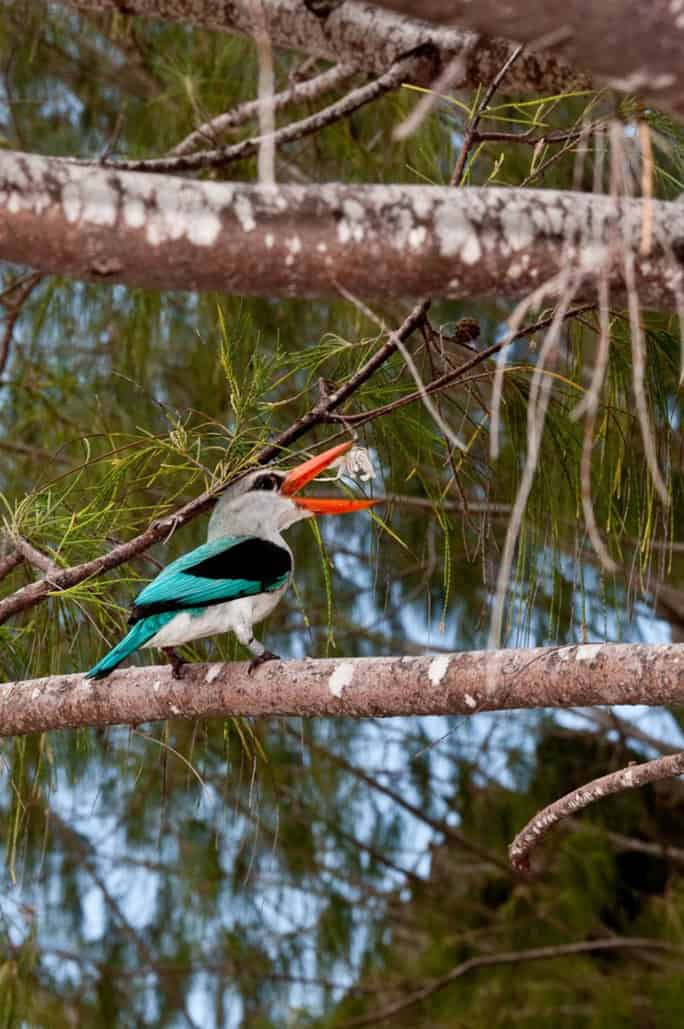
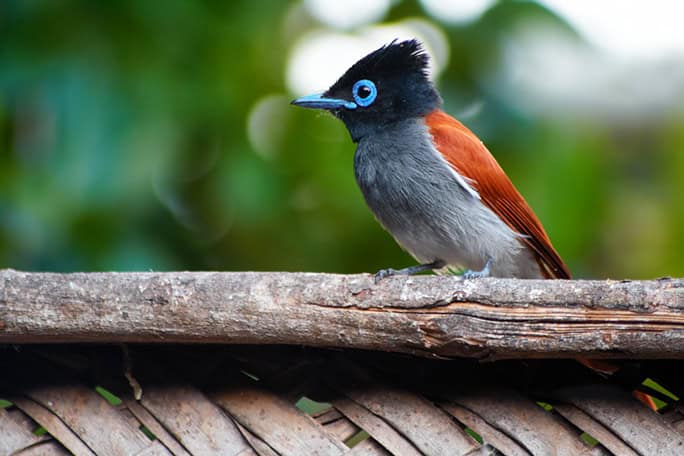
Birds: Hang out in the bird hide to spot some of the island’s 77 species of birds, like the mangrove kingfisher (Halcyon senegaloides) and majestic paradise flycatcher (Terpsiphone viridis). At the shore, see a range of herons, egrets, the african fish eagle (Haliaeetus vocifer) and sandpipers.
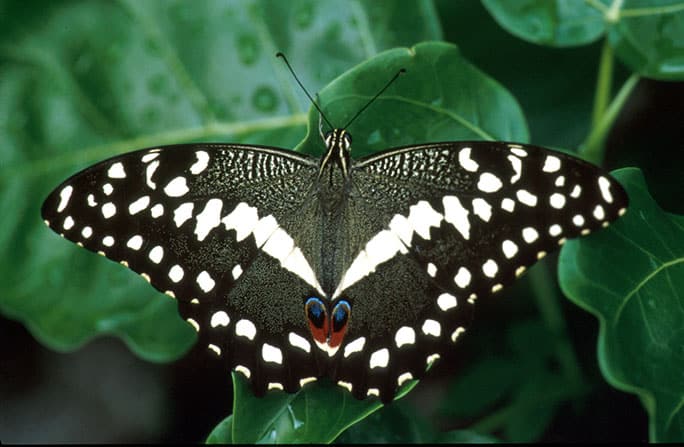
Around the eco-lodge spot some of our 26 species of butterfly, eg. southern and eastern African monarch (Danaus chrysippus). And at dusk or early morning, Chumbe’s five resident bat species, including the giant leaf-nosed bat (Hipposideros commersoni), Wahlberg’s fruit bat (Epomophorus wahlbergi), and the white-bellied free-tailed bat (Tadarida limbate).
There’s also the Visitor Centre for education. and the 132 steps’ restored Sultan of Zanzibar’s lighthouse, an important historic monument and still a navigational guiding aid – climb to the top for panoramic views of the island and surrounds.
There’s also the mosque of Indian architecture, which staff use and guests are welcome to visit on request.
Chumbe Island experiences a tropical climate throughout the year, characterized by distinct wet and dry seasons:
Overall, temperatures rarely fall below 27°C, making it a warm destination year-round.
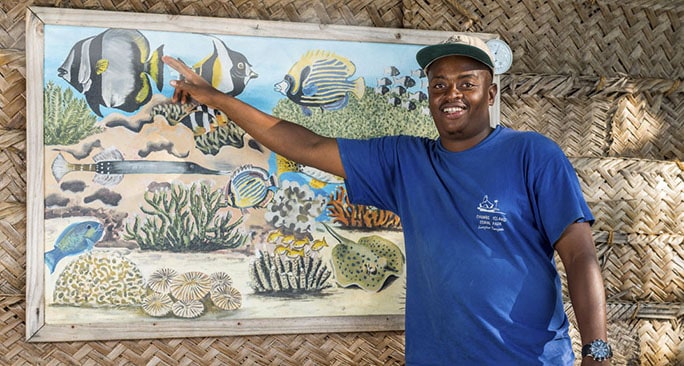
Snorkelling? At least 59 hard coral genera have been scientifically recorded. This corals garden acts like a below water forest habitat: providing home, shelter and food for an array of marine species.
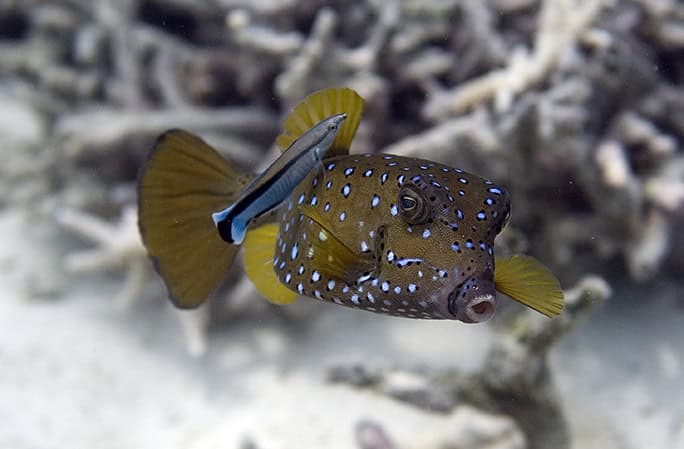
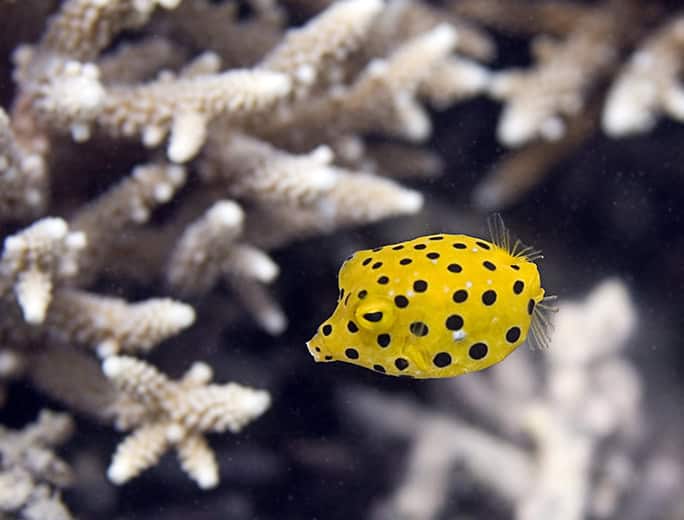
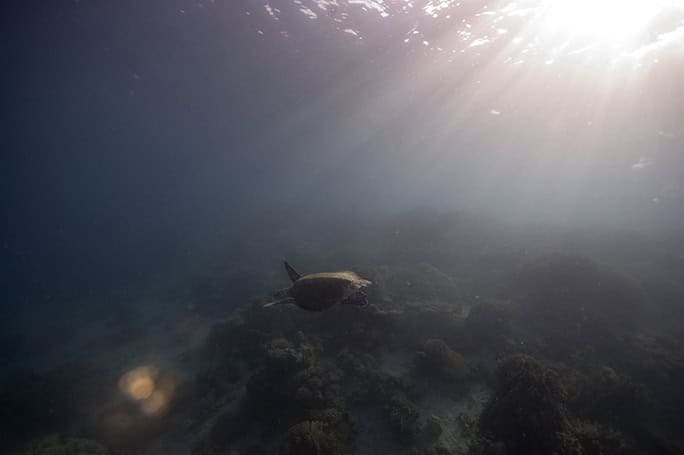
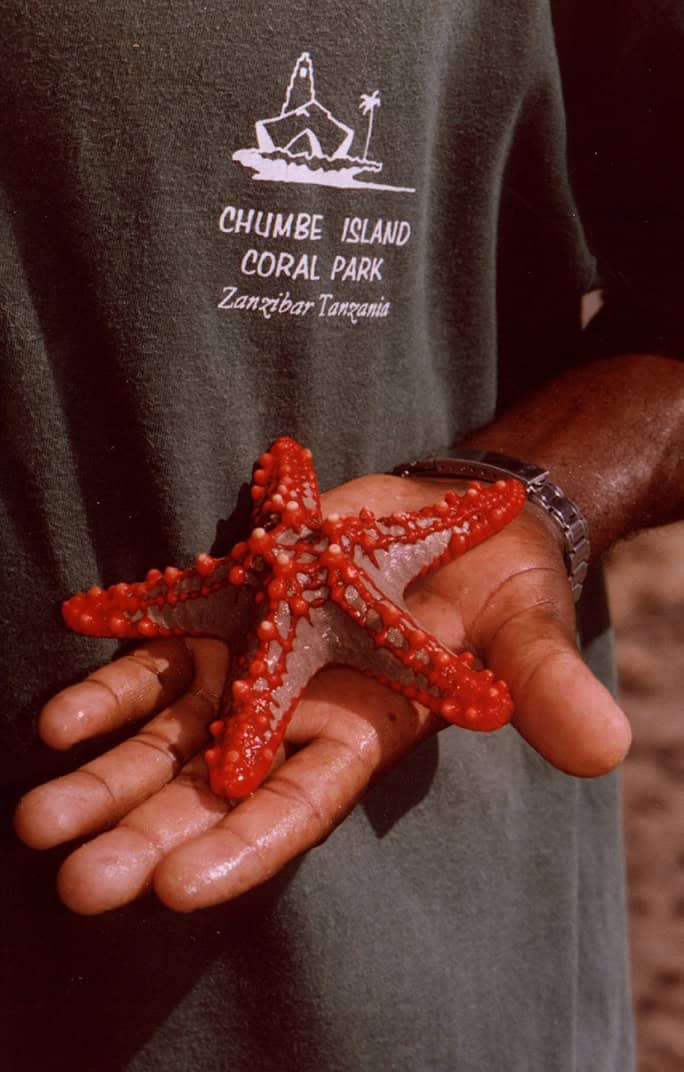
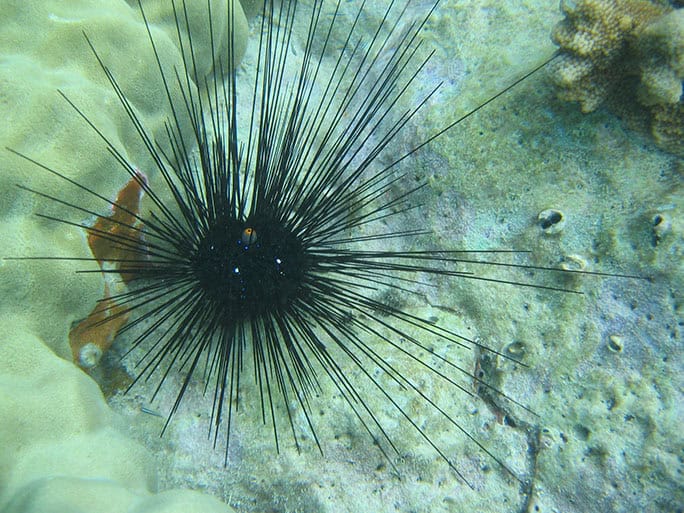
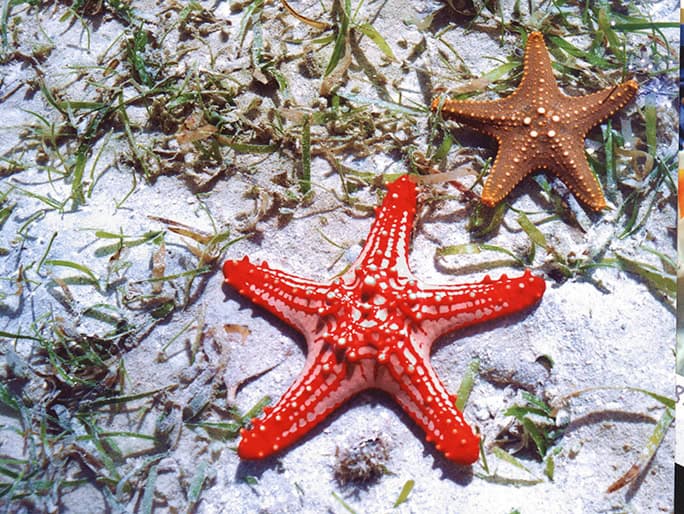
Reef inhabitants include 525 identified reef fish species, microfauna and critters such as nudibranchs, sponges, molluscs, starfish, clams and other invertebrates, and megafauna such as hawksbill and green turtles, blacktip reef sharks and – if you are lucky – you might even spot dolphins!
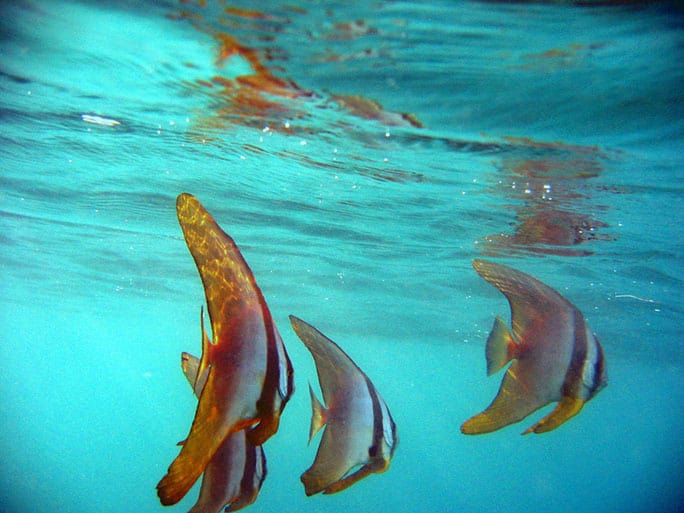
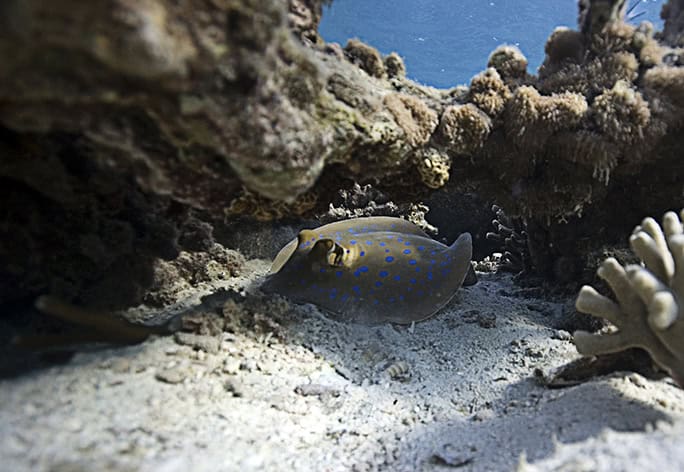
Spot batfish, lobster, blue-spotted stingray, giant grouper, Oscar, a 1m+ potato grouper, and large, colourful Parrotfish!
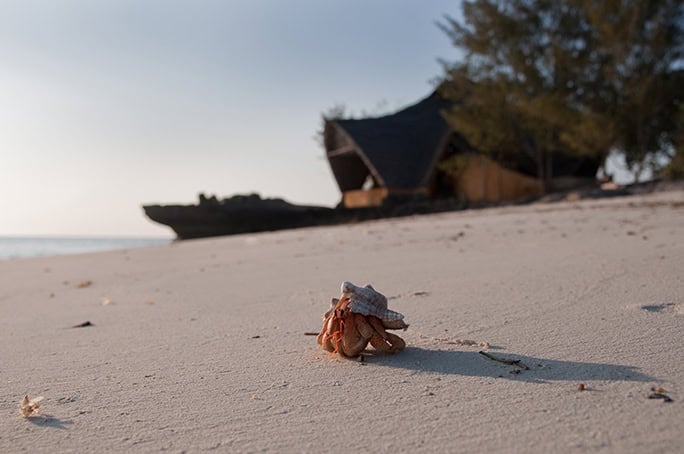
On the island: The virgin Chumbe forest reserve harbours extremely rare and endangered species, such as the giant Robber or Coconut crab, the largest land crabs on earth, endemic Aders Duikers and seabirds such as the Roseate Tern.
With just seven rooms, restricting guests to a maximum of 14, Chumbe Island probably has the highest employee/room ratio in tourism in Tanzania, and three times the international average for eco-lodges.
Here are some guest advice tips for visiting Chumbe Island!
Set realistic expectations: Chumbe Island offers a rustic, eco-friendly luxury of experience rather than luxury opulence, which enhances its authentic charm.
Plan for a minimum stay: at least three nights to fully enjoy the island’s activities and natural beauty.
Participate in activities: Engage in guided snorkeling, forest walks, and evening excursions to see coconut crabs, all included in your stay.
Pack accordingly: Bring reef-friendly sunscreen, comfortable clothing, and any personal items you may need, as the island is remote and has limited amenities.
Team contributions: include a natural mosquito repellent, traditional Zanzibari khangas and kikois provided for use around the island.
Stay connected: While the island is off-grid, there is Wi-Fi available in the visitor center, but it is limited.
Take advantage of educational opportunities: Engage with researchers and marine biologists on the island to learn more about the local ecosystem and conservation efforts.
Children: Of all ages are welcome, including toddlers and babies (baby cots provided). The team loves children and will do their best to accommodate them, but do not have babysitting services on the island.
Finally, please be aware that the bungalows are very open (including the upstairs sleeping platforms). The bungalows are also located in relatively close proximity when it comes to sound travelling.
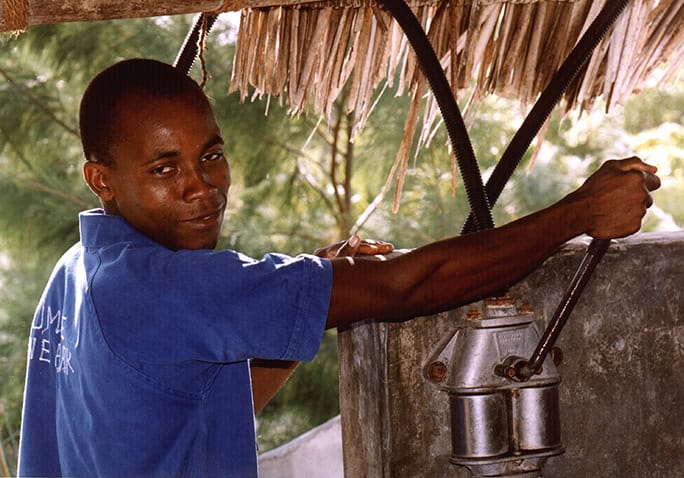
Chumbe train former fishers as park rangers, enhancing their skills and providing alternative livelihoods to the illegal fishing and coral trade.
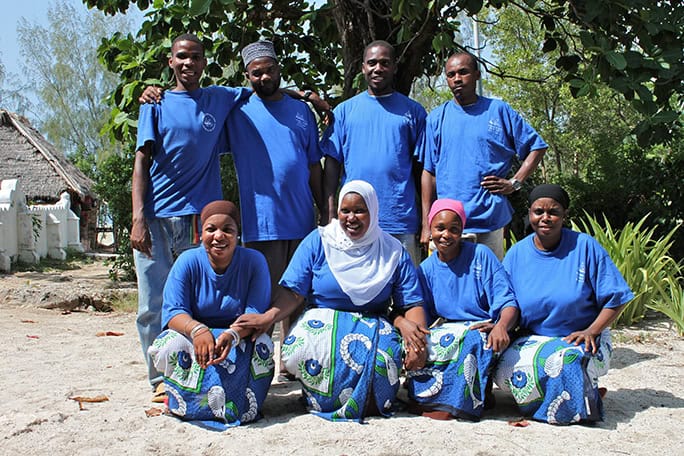
Employment preference is for people from nearby villages: 95% are Tanzanians, over two thirds from local communities. Though they have limited formal education, much on-the-job-training is given, with fishermen recruited and trained in data collection for research, park management and monitoring techniques for the reef and the forest to become as park rangers and stationed on the island, vital to community engagement with environment.
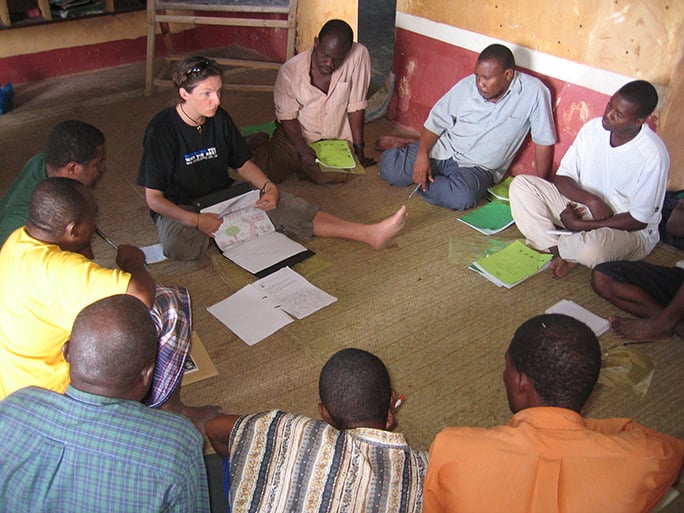
A third of the staff are directly involved in conservation management and education and all other island staff, such as cooks, cleaners & waiters are also trained periodically in the basics of reef ecology, forest ecology, English language, ecotourism and eco-technology.
Gender is also strongly considered, with women given preference and currently forming 37% of the Chumbe workforce.
Local people are also offered income opportunities through the construction and maintenance of the ecolodge, food supplies, the out-sourcing of transport operations and handicrafts sold in the boutique. All organic soaps provided in the bandas are produced by a local women’s co-operative.
Chumbe island set up as an education and conservation initiative, starting with the poor and fishing-dependent local communities.
The biggest challenges were illegal dynamite fishing, devastating the coral reefs and bringing the deaths of hundreds of fish at a time, and illegal coral trade.
So education was required to make people understand that fish and coral reefs have a value through tourism, so need to remain.
A No-Take Zone meant excluding fishermen from the area and they had to agree to it, but it created fish nurseries and a very beneficial ‘spill-over effect’.
And it also opened up opportunities for NTZ management and tourism jobs.
Now, the majority of Chumbe’s staff comes from nearby coastal communities.
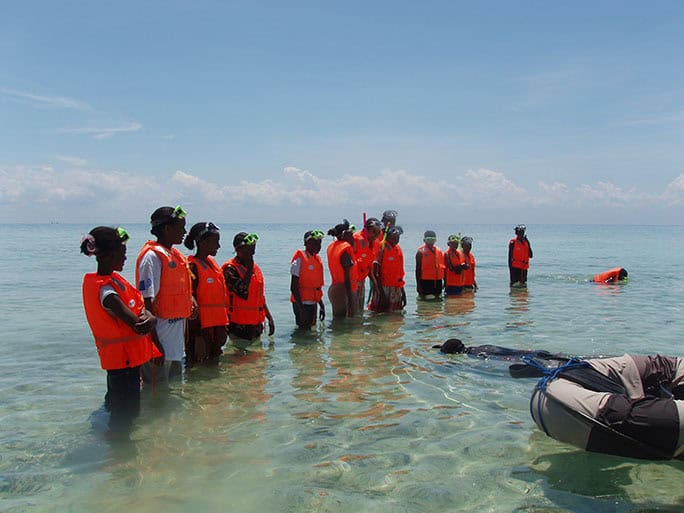
The island also offers free environmental education programs and island excursions for local students, teachers, and community members.
It also supports local community enterprises and builds on indigenous knowledge, culture, and traditions in its environmental awareness efforts.
Chumbe Island founder Sibylle Riedmiller lived and worked in Tanzania and Zanzibar, where she witnessed no education, awareness or environmental protection for some of the most diverse coral reefs in the world, and little interest from the government for its value or tourism-generating opportunities.
A passionate conservationist, diver and development professional, it was clear to Sibylle that a marine park to learn about natural resources and to snorkel could be funded by tourists, so ecotourism would pay for the conservation of corals and education of local schoolchildren and fishermen at the same time.
Chumbe Island was thus set up from its conception to create an ecologically, socially and financially sustainable protected Marine Park and forest reserve.
The Chumbe Island Coral Reef Sanctuary and Closed Forest Reserve are effectively and sustainably managed in order to maximize their contribution to biodiversity conservation, serve as a model for effective ecotourism and MPA management, and provide a platform to promote wider environmental awareness for sustainable development and ecological stewardship in Zanzibar.
Education, understanding, belonging and pride all support the sense of purpose and diffused to each and every visitor to the island with honest heartfelt hospitality.
The bandas are designed for optimal outside rainwater catchment, captured by a cistern underneath the bungalow for showers in the downstairs bathroom.
The composting toilets have zero sewage and no flush as water is too sparse. Solar panels, unobtrusive on the top of the roof, provide charge for battery storage for energy requirements, including hot water heating.
Materials imported onto Chumbe Island are carefully screened to avoid any non-indigenous elements intruding into this spectacularly preserved environment.
Only biodegradable detergents and soaps are used and laundry is washed off the island. The purchase of non-biodegradable products is avoided and non-biodegradable waste removed from the island and, working with local partners, processed, re-purposed and sold recyclable waste, locally and internationally. Goods are transported in locally made, re-useable, biodegradable baskets.
Non-cooked fruit and vegetable waste is collected, composted and used for the composting toilets on the island.
Any non-biodegradable waste is brought back to Zanzibar, where Chumbe works with local partners that focus on collecting, processing, re-purposing and selling recyclable waste, locally and internationally.
As a signatory of the Global Tourism Plastics Initiative, Chumbe is a single-use plastic free island, engaging with its value chain on the importance of reducing plastic consumption and public reporting.
Drinking water is provided by advanced filters (made in Switzerland) located on the island – mineral water in plastic bottles is available but not encouraged due to challenging waste management.
The island is not artificially lit at night to protect feeding and breeding patters of the nocturnal animals.
A dedicated research board informs visitors about the ongoing scientific research it facilitates with academic institutions and the scientific community around the world, with the most recent scientific publications and reports made available on the website. Current projects include monitoring of Sea grass, Coral reef, Ader’s duiker and Sea surface temperature logging.
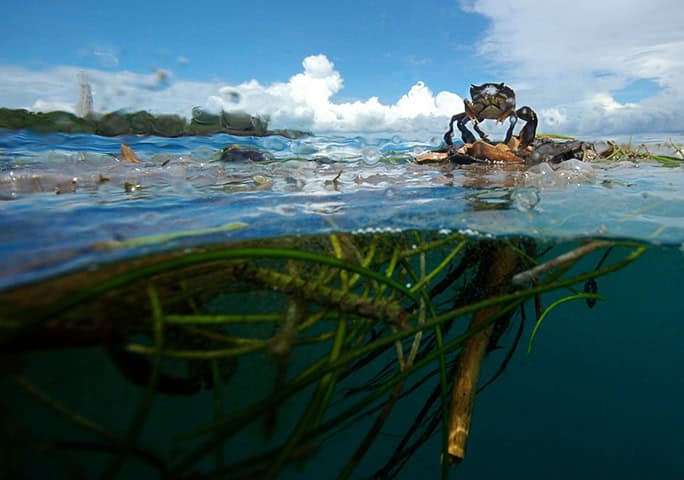
The reef hosts at least 59 hard coral genera, over 500 reef fish species, and a range of micro and megafauna, including apex predators like black tip reef sharks, that breed in and around the sanctuary. Chumbe also safeguards extensive seagrass beds, providing critical foraging grounds for green sea turtles.
There 178 species of plants, 82% of which are considered indigenous – making Chumbe Island an area of vital biodiversity value within the East African coastal forests, and a global biodiversity hotspot.
The forest is a refuge for an abundance of bird species (~80), crustaceans, non-poisonous snakes and lizards. Fauna includes rare and endangered species such as the Ader’s duiker (a mini-antelope) and a large population of coconut crabs, the largest living arthropod in the world.
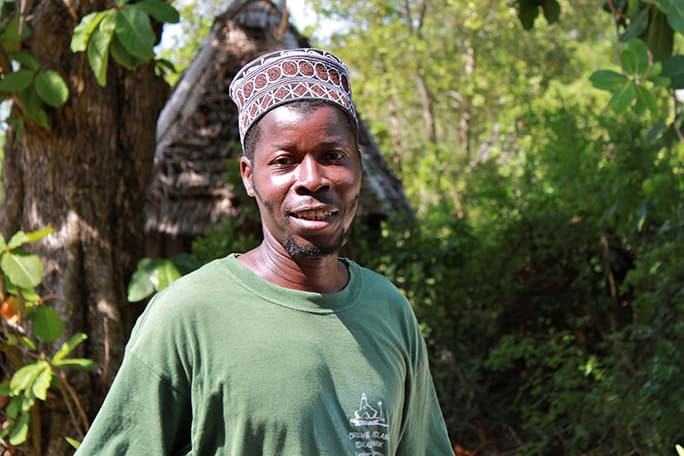
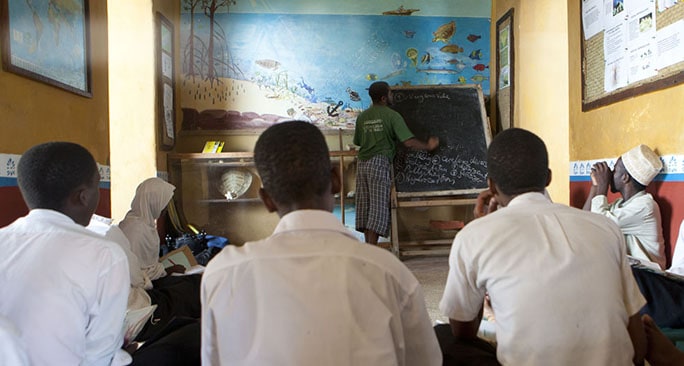
A key pillar in Chumbe’s vision, success and sustainability is its comprehensive Environmental Education programmes, raising awareness on the vulnerability and conservation of the marine and forest ecosystems and the importance of sustainable tourism, into which any profits are channelled, as explained by Head Ranger, Omari Nyange, who has already worked for over 20 years on the island.
The programmes offer students, teachers and community members free island excursions, training workshops and peer education sessions to seek and inspire solutions to environmental concerns that build on indigenous knowledge, culture and traditions.
Pack for a Purpose: Extra space in your luggage on your way? If you would like to support the education programmes, once booked you can see a list of items needed locally you can donate. Your help is greatly appreciated.
Chumbe Island’s conservation, research, comprehensive education centre and state-of-the-art ecolodge are fully-funded by ecotourism and provide further benefits for local people through Chumbe Island Coral Park Ltd (CHICOP) non-profit organisation. The company objectives are non-commercial, while operations follow commercial principles.
There is also an income spill-over effect of the no-take zone and Chumbe Island’s for Payment for Ecosystem Services model, even mentioned in the UN Secretary General’s Rio+20 report in 2012, “research findings confirmed that fish inside the protected no-take zone travel out and increase their yields in the vicinity”, benefitting local fishermen.
They also support local enterprises by sourcing food supplies locally, outsourcing transport operations, selling locally-made handicrafts, purchasing their organic soaps from a local women’s cooperative.
The eco-bungalows and Visitor Centre are designed with large roof surface areas to maximise rainwater catchment. Each bungalow cistern can hold up to 15,000 litres of water, sufficient to supply the bathroom taps and shower units for the entire year.
Chumbe has run its Environmental Education programme since 1996. By September 2023, more than 12,000 participants had visited, with 843 excursions: 6315 local school children, 2580 national and international students 1454 teaching personel from over 100 educational establishments, and 1721 community members, including fishers, seaweed farmers, NGOs, bivalve collectors, environmental groups and government officials.
SDG 1: No Poverty: Provides local employment and economic opportunities for nearby coastal communities.
SDG 2: Zero Hunger: Supports local fisheries: no-take zone increases fish yields in surrounding areas.
SDG 4: Quality Education: Offers free environmental education programs for local students, teachers, and community members.
SDG 5: Gender Equality: Gives preference to women in employment, 37% of the workforce are female.
SDG 6: Clean Water and Sanitation: Implements rainwater collection, storage and filtration systems for sustainable water use.
SDG 7: Affordable and Clean Energy: Photovoltaic solar panels provide 100% electricity for all island eco-bungalows and operations.
SDG 8: Decent Work and Economic Growth: Creates sustainable tourism jobs and supports local enterprises.
SDG 9 Industry, Innovative & Infrastructure: Pioneering ecotourism, conservation and education; award-winning eco-architecture.
SDG 12: Responsible Consumption and Production: Practices sustainable waste management, uses eco-friendly products and is a signatory to the UN Global Tourism Plastics Initiative and single-use plastic free island.
SDG 13: Climate Action: Operates as a low-carbon eco-tourism destination, minimising environmental impact.
SDG 14: Life Below Water: Protects and conserves marine ecosystems through its Coral Reef Sanctuary.
SDG 15: Life on Land: Maintains a Forest Reserve, preserving terrestrial ecosystems and rare biodiversity.
SDG 17: Partnerships for the Goals: Collaborates with NGOs, academic institutions, and local communities for conservation and education efforts, eg. the Zanzibar Commission for Tourism to support the ‘Greener Zanzibar Initiative’ and the Zanzibar Declaration on Sustainable Tourism, endorsed by the President of Zanzibar.
Chumbe Island Coral Park is a short boat ride away from Stone Town, the heart of Zanzibar.
Fly to Zanzibar then take a 10km/10 minute taxi ride to the Mbweni Ruins Hotel, south of Stone Town (pre-bookable through Chumbe in advance).
Check-in time to Protea Hotel Mbweni Ruins is 9:30 am sharp for pre-registration. Scheduled boat departure to Chumbe Island is at 10:00 a.m and takes 30-40 minutes. Advance booking for all reservations is required.
Later boats to the island can be arranged. Chumbe can also collect you from the Airport, Port or town hotels.
Check out is at 08:00 for 09:00 return boat departure to Mbweni Ruins Hotel.
If you have extra luggage that will not need at island you can store them at our office located at Mbweni until your return from the island.
Tanzania gem Chumbe Island was the highlight of a monthlong trip that spanned Kenya, mainland Tanzania, and Zanzibar. The island's beauty and relaxing atmosphere was just what we needed. In addition to the all-inclusive and excellent food, snorkeling and interpretive nature walks were offered at no charge. We loved reading, relaxing, tidepooling, meeting other guests, and climbing the lighthouse. Snorkeling was the best and we saw a hawksbill sea turtle among other rare and exceptional species. If you are interested in reef conservation and sustainable tourism, visit Chumbe.

Idyllic island getaway! We stayed for two nights at Chumbe Island and totally loved it - indeed we were on our own on the island for the whole day. The accommodation, beach and food were all first class and the staff were all very friendly and helpful. We enjoyed snorkelling on both days and saw a lot of fish. We also enjoyed walking around the island, going up the lighthouse and seeing the coconut crabs in the evening. A highlight of our Tanzania. The only downside was the shock of arriving in a resort on Zanzibar afterwards…
2024 ATTA For Action Winner – Ethical Wildlife Experience
2024 Trip Advisor Travellers’ Choice
2022 UN-accredited Sustainable Cities and Human Settlements award.
2020 Green Destinations Sustainable Top 100 Destinations
2019 ITB Berlin Top 100 Sustainable Destinations; Winner, Best of Africa
2019 Responsible Tourism Tanzania Awards, Winner – Best in Supporting Conservation Projects
2019 TripAdvisor Best of Africa Hall of Fame for 10 Consecutive Years of Excellence
2019 Green Destinations Sustainable Top 100 Destinations
2018 World Travel & Tourism Council – Tourism for Tomorrow Awards: Finalist, Environment Award
2018 Global Ocean Refuge accreditation
2016 Trip Advisor Travelers’ Choice
2015 Skal Sustainable Tourism Awards: Marine Winner
2015 World Responsible Tourism Awards – Gold Winner
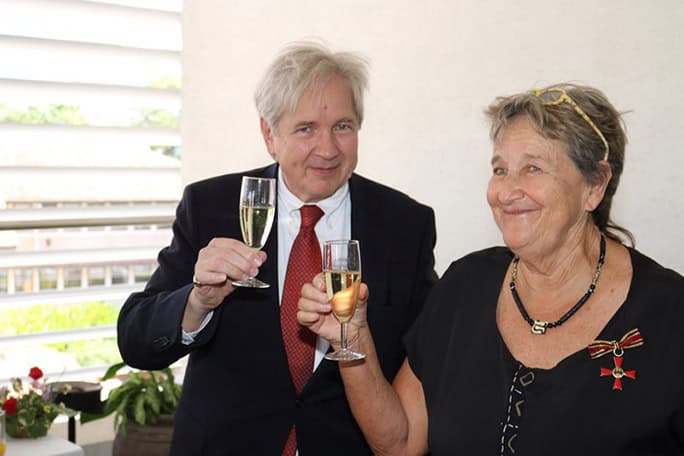
2016 German Order of Merit Cross (Bundesverdienstkreuz) awarded to founder Sibylle Riedmiller
2016 Africa Responsible Tourism Awards – Gold Winner – Beach
2013 Green Africa
2013 Conde Nast Traveller – World Ecotourism Destination global award shortlisted
2013 World Responsible Tourism Awards – Highly commended – Water Conservation
2012 Energy Globe National Award – Winner -Tanzania
2011 The Long Run – first certified Gobal Ecosphere Retreat
2009 Teach a Man to Fish award for Education
2006 WTM Responsible Tourism “Best in Marine”
2005 The Smithsonian: Tourism Cares for Tomorrow
2004 World Travel Market Responsible Tourism Award – Winner – Best Marine/Beach
2004 ToDo Award – Winner Socially Responsible Tourism
2004 National Geographic World Legacy Award
2004 Aga Khan Award for Architecture – Finalist
2003 Harpers & Queen, Harpers Abroad – Most Romantic Eco-lodge
2001 Aga Khan Award for Architecture – Finalist
2001 UNEP Global 500 Laureate 2000 award – Outstanding environmental achievement
2001 Conde Nast Traveler Magazine – Winner – World Ecotourism destination
2000 Expo 2000 Gold Medallist
2000 International Hotel & Restaurant Association – Green Hotelier of the Year
2000 UNDP Outstanding Environment Achievement
1999 British Airways tourism for tomorrow award – global winner
1991 First Privately Established Marine Protected Area in the world, setting a precedent for ecotourism and conservation efforts.

Enquire to find out what’s on offer for your trip dates, ensuring you get the best deals and availability tailored to your travel plans. Don’t miss out on exclusive promotions and packages designed to enhance your experience.