

UN Sustainable Development Report
Red List Index
Global Gender Gap Rank
Climate Change Performance Index
Human Development Index
Population: 36.5 million
Capital: Rabat
Language: Arabic (official), Berber, French (widely spoken)
Currency: Moroccan Dirham (MAD)
Tourism contribution to GDP: MAD 76.9 billion, 6.9% GDP, 2018
Morocco, Land of Light
Morocco is a captivating a land of contrasts in North Africa renowned for rich cultural heritage, from historic and vibrant cities with exotic and bustling markets to enchanting and serene desert Arabia, majestic mountains and stunning beaches with consistent swells for surf!
Whether you’re exploring the vibrant streets of Marrakech, trekking in the Atlas Mountains, or experiencing the tranquillity of the Sahara, Morocco promises a rich and diverse travel experience full of exciting adventure.
Cities and Culture
Marrakech: Known for its bustling souks, historic palaces, and the famous Jemaa el-Fnaa square. Meander the literally a-maze-ing cobbles of the Medina, hang out in the hub of the spice trade, explore the Bahia Palace, Saadian Tombs, the Koutoubia Mosque and escape to the cool calm of Yves St Laurent’s Le Jardin Majorelle and museum.
Fes: Home to one of the world’s oldest universities and a UNESCO World Heritage site, the Fes el-Bali medina. Visit the Al Quaraouiyine University, Bou Inania Madrasa, and the vibrant tanneries.
Chefchaouen: The “Blue City” is famous for its blue-painted streets and buildings, offering a picturesque and serene atmosphere.
Rabat: The capital city, featuring the Hassan Tower, Kasbah of the Udayas, and the Mausoleum of Mohammed V.
Natural Wonders
Atlas Mountains: Ideal for trekking, skiing, and exploring Berber villages and culture. The High Atlas offers challenging hikes, including the ascent of Mount Toubkal, North Africa’s highest peak.
Sahara Desert: Experience the vast dunes of Erg Chebbi and Erg Chigaga. Enjoy an original ‘caravan’ journey and camel trek like silk route traders, with overnight stays in desert camps, and stargazing.
Essaouira: A coastal town known for its historic medina, seafood, and windsurfing and surfing opportunities – a fantastic beginner’s option.
Off the Beaten Path
Aït Bouguemez Valley: The “Happy Valley” offers peaceful trails and traditional Berber villages.
Taroudant: “Little Marrakech” features less crowded souks and historic ramparts.
Dades and Todra Gorges: Stunning canyons offering excellent hiking and rock climbing opportunities.
Morocco has a Mediterranean climate along the coast (eg. Rabat and Casablanca), with hot, dry summers and mild, wet winters. Inland areas (like Marrakech and Fes) experience a more continental climate, while the desert regions are arid.
Morocco experiences four distinct seasons:
March to May (Spring) or September to November (Autumn) is the ideal time to visit when the weather is mild and pleasant.
June to August (Summer) can be extremely hot, especially in the interior and desert regions.
December to February (winter) can be cold if in mountains (and snowy) or desert at night.
Morocco Weather Variations
Morocco experiences significant weather variations due to its diverse geography, from coastal areas, to mountains and deserts.
The Atlas Mountains have a varied climate, with alpine conditions at higher elevations. Summer, temperatures can be pleasant, but winter brings heavy snowfall, making it popular for skiing! Significant precipitation contributes to the region’s lush vegetation.
The Sahara Desert is arid with extreme temperatures: Daytimes can soar above 50°C (122°F) in summer, while night-times can drop to near freezing in winter. Rainfall is scarce, averaging less than 100 mm (4 inches) annually, and occurs sporadically.
Morocco Climate Change Trends
Morocco is highly vulnerable to climate change, facing more frequent extreme weather events such as heatwaves, droughts, and floods. Average temperatures have increased by 0.2°C per decade since the 1960s.
Water scarcity is a significant issue, exacerbated by overexploitation of natural resources and climate change.
But could climate change affect the amount of pressure on a fault thus earthquakes, given Morocco’s devastating natural disaster in September 2022? Earth quakes happen all the time and the main drivers remain geological and tectonic forces, but potentially heavy rains and extreme heat can influence the Earth’s crust impact in a small fraction of cases.
Morocco’s cultural mosaic is reflects a blend of Arab, Berber, Andalusi, Mediterranean, Hebraic, and African influences, evident in various aspects of Moroccan life, from language and religion to music, art, and community practices.
Morocco is home to a mix of ethnic groups, primarily Arabs and Berbers (Amazigh). The Berbers are indigenous to the region and have maintained distinct languages and traditions. The Moroccan population also includes minority groups such as the Haratin and Gnawa, as well as a historically significant Jewish community.
While Arabic and Berber are the official languages, and French is widely used in business, government and education, Spanish and English are also spoken in some areas.
The majority of Moroccans are Sunni Muslims, and Islam plays a central role in daily life and cultural practices. Religious holidays, such as Ramadan and Eid al-Adha, are widely celebrated, emphasising community and family.
Cultural Celebrations: Morocco hosts various festivals and cultural events, such as the Fantasia (a traditional exhibition of horsemanship), the Rose Festival in Qalaat Megouna, and the Betrothal Festival in Imilchil. These events highlight Morocco’s rich traditions and communal spirit.
Moroccans often engage in community service, putting their skills to use for the benefit of others. This reflects the communal spirit and the importance of relationships in Moroccan society.
As such, known for their warm hospitality, Moroccans welcome guests with open arms, often offering food and tea as a gesture of friendship. This hospitality is a cornerstone of Moroccan culture and is deeply appreciated by visitors. This is what makes our regenerarative travel partners stand out – they reflect the real community and values of Moroccan hospitality, not global hotels.
Morocco is renowned for its crafts, including intricate carpets, pottery, leather goods, and metalwork. These crafts are often sold in bustling souks, where bargaining is a common practice.
Moroccan music is diverse, with regional variations in style and instrumentation. Traditional music genres include chaâbi and aita, and music is an integral part of cultural celebrations and festivals.
Morocco balances modernity with tradition, maintaining strong cultural values while embracing contemporary influences. This balance is reflected in the country’s architecture, fashion, and lifestyle.
Morocco’s history of cultural exchange, bridging Africa and Europe and on the spice routes connecting traders, has fostered a society that values tolerance and multiculturalism, evident in the coexistence of different religious and ethnic communities.
Morocco is bordered by the Mediterranean Sea and Atlantic Ocean on the north and west, Algeria to the east, and disputed Western Sahara to the south.
Morocco’s has a variety of landscapes and ecosystems from mountain ranges to coastal plains, and desert. It is largely mountainous with the Atlas Mountains stretching from the central north to the southwest and the Rif Mountains in the north. The Moroccan Plateau is along the Atlantic coast, fertile agricultural lands in Saiss Plains and Tansift-Alhaouz, and arid lands near the Sahara Desert in the southeastern parts of Morocco, aridity influencing local ecosystems and agriculture.
The Sahara Desert, which is the largest hot desert in the world, extends into Morocco, where you can experience stunning sand dunes. The Moroccan portion of the Sahara (252,000 square miles / 652,000 square kilometres) accounts for less than 7% of the total area of the Sahara Desert.
Established in 1942, Toubkal National Park is the oldest national park in Morocco and remains the most visited. Located in the High Atlas Mountains, it is home to Jbel Toubkal, the highest peak in North Africa. The park was created to protect the unique flora and fauna of the region and to promote tourism, especially hiking and trekking.
Expansion and Development
Following the establishment of Toubkal, other national parks were created to protect Morocco’s diverse landscapes. Tazekka National Park, established in 1950, was initially created to protect cedar forests in the Middle Atlas and has since expanded to include a variety of ecosystems.
Morocco now has 11 national parks, each established to preserve unique ecological zones and species. These parks cover a range of environments, from coastal regions and mountains to deserts and wetlands:
Large parts of Morocco are at risk of desertification, particularly in the south and east. Soil erosion is also a major problem, affecting agricultural productivity and leading to land degradation.
Deforestation due to agricultural expansion, logging, and fuelwood collection has led to significant loss of forest cover.
Rising sea levels and coastal erosion threaten Morocco’s coastal areas, which are vital for the economy and home to a large portion of the population. Sustainable aquaculture and improved coastal zone management are essential
Improved irrigation techniques, such as drip irrigation, and policies to conserve underground aquifers are part of Morocco’s strategy to manage water resources sustainably.
Morocco has ratified several international agreements, to address environmental and climate (see later) challenges.
As the last stop on the silk route and the gateway to Europe from Sub Saharan Africa, Morocco has long been a crossroads in the world of trade. You can still discover goods traded from all around the world in the souks of Marrakech!
Morocco’s economy rests on 3 main sectors:
Imports are mainly industrial equipment, crude oil, and food commodities.
There have been ongoing efforts to privatise state enterprises and encourage private sector growth since the 1980, including policy reforms to modernise the financial sector.
Whilst the Al-Haouz earthquake in 2023 had limited economic impact, droughts continue to challenge agricultural productivity in terms of natural disasters.
Social Aid Programs: New initiatives to support vulnerable households and address income inequality.
Conservation in Morocco
Human activities have impacted Moroccan landscapes for thousands of years, with evidence of early human settlements and agricultural practices affecting the environment.
Traditional conservation practices were often linked to cultural beliefs and the sustainable use of natural resources, such as the management of the argan forests by the Amazigh people.
During the French colonial period, there was some focus on managing forest resources, but comprehensive conservation efforts were limited.
After gaining independence (1956), Morocco began to develop more structured conservation policies. The government recognised the importance of biodiversity and forest conservation.
Urban conservation efforts, particularly in historical cities like Fez, were initiated to preserve cultural heritage alongside environmental conservation.
Now, conservation strategies aim to integrate traditional knowledge with modern conservation techniques, promoting sustainable development and resilience against climate change.
Numerous initiatives have been launched to protect Morocco’s diverse ecosystems. The
The Argan Biosphere Reserve in southwest Morocco is a significant conservation area, home to the endemic argan tree. This ecosystem supports the livelihoods of the Amazigh people and acts as a barrier against desertification. Conservation efforts include sustainable harvesting practices and the promotion of argan oil production, which is integral to local culture and economy.
The Green Morocco Plan encourages sustainable agricultural practices, including the cultivation of tree crops and direct seeding methods to conserve soil and water. The Canopy Project by EARTHDAY.ORG and High Atlas Foundation focuses on planting trees to mitigate climate change, prevent environmental degradation, and support local communities.
The establishment and expansion of national parks and protected areas is crucial for conserving Morocco’s biodiversity, providing habitats for endangered species and promoting ecological research, eg. Souss-Massa National Park, a UNESCO Biosphere Reserve, is involved in habitat restoration and sustainable wildlife management.
Many parks integrate local communities, allowing traditional activities and promoting sustainable tourism practices, to help balance conservation with local livelihoods.
Morocco is focusing on developing ecotourism within its national parks to enhance conservation efforts and provide economic benefits to local communities
At the outset of the 20th century, Morocco recognised the potential negative impacts of tourism on its environment and indigenous communities. Unlike some other nations, Morocco took early action to mitigate these effects and promote sustainable tourism practices.
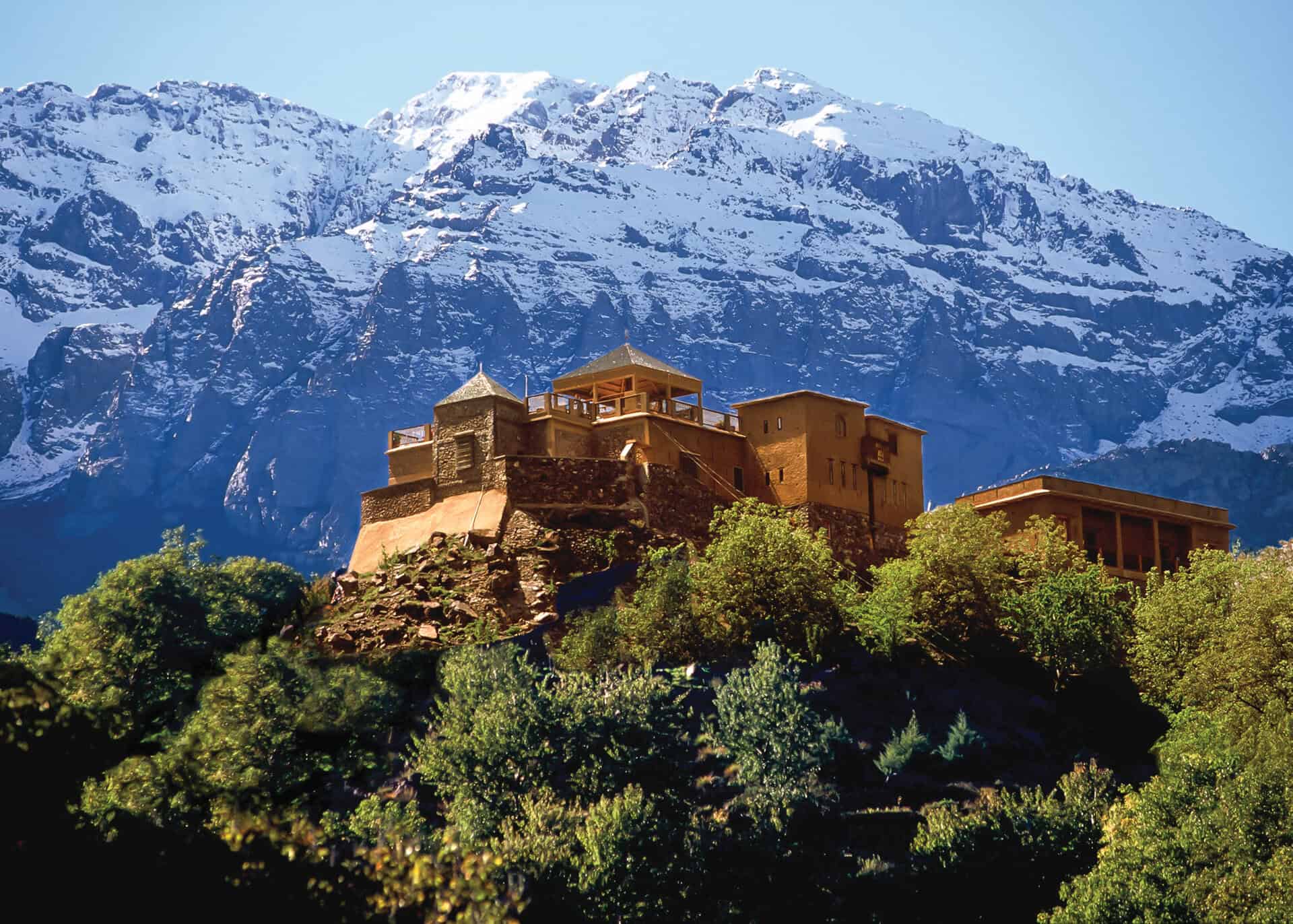
Our partner in the High Atlas Mountains is a model for regenerative tourism and sustainable development, integrating with the local Berber community and using sustainable practices.
Sustainable tourism in Morocco also focuses on preserving cultural heritage. Cities like Fez have undertaken restoration projects to maintain their historical significance while ensuring that tourism benefits local communities.
Morocco champions indigenous culture and traditions through community-based tourism. The Amazigh people play a significant role, offering trekking and cultural experiences that support local economies.
Initiatives like the Marrakech Free Bike and Morocco’s efficient rail network connecting major tourist destinations promote eco-friendly transportation, reducing congestion and pollution. Morocco has also invested in an Educational Outreach:
Educational initiatives, such as tree-planting campaigns by the High Atlas Foundation, engage tourists in conservation efforts and raise awareness about sustainable practices.
To address overtourism, Morocco encourages travel to less-visited areas, promoting undertourism to distribute the benefits of tourism more equitably and reduce pressure on popular destinations.
Morocco has historically been reliant on fossil fuel imports, with over 97% of its energy needs met through foreign sources. This dependence triggered the need for a shift towards renewable energy to ensure energy security and economic stability.
In 2009, Morocco set an ambitious energy plan aiming for 42% of its total installed power capacity to be from renewable sources by 2020. This plan marked the beginning of a strong expansion in energy projects.
The Noor-Ouarzazate complex, one of the world’s largest concentrated solar power (CSP) plants, is a flagship project in Morocco’s renewable energy strategy. Located on the edge of the Sahara Desert, it plays a crucial role in reducing energy dependence and carbon emissions.
Morocco has significantly increased its wind and solar capacity, with wind farms and solar panels now common across the country. By 2020, renewable energies made up 37% of the country’s energy capacity, although production was slightly lower.
As the host of the COP22 climate conference in 2016, Morocco showcased its commitment to sustainability and climate action. This included ambitious targets for renewable energy and greenhouse gas emissions reductions.
In 2021, Morocco unveiled a national strategy for green hydrogen, aiming to install additional renewable energy capacity and further diversify its energy sources.
Despite progress, Morocco faces challenges such as the cost-effectiveness of Concentrating Solar Power (CSP) technology ( using mirrors to concentrate sunlight onto a receiver, which converts the solar energy into heat), water usage in energy production, and ongoing reliance on coal and natural gas.
Morocco aims to generate 52% of its electricity from renewable sources by 2030, with a mix of solar, wind, and hydroelectric power. The country is also focusing on reducing greenhouse gas emissions and enhancing energy independence.
Morocco has redesigned its National Strategy for Sustainable Development (NSSD) to align with the New Development Model and the 2030 Agenda. This strategy focuses on six Areas of Transformation, including water security, sustainable territories, and a low-carbon economy.
The strategy was developed through a series of seminars involving stakeholders from various sectors, including government, civil society, and the private sector, ensuring a collaborative approach to sustainable development.
Morocco has made significant strides in renewable energy. The Noor Energy 1 solar power plant, one of the largest in the world, is a key component.
The government has also implemented incentives such as feed-in tariffs and tax credits to promote renewable energy technologies, successfully reducing dependence on fossil fuels.
Morocco is committed to the United Nations’ Sustainable Development Goals (SDGs), focusing on areas such as climate action, water scarcity, and social justice. The country has established programs to protect marine and terrestrial ecosystems and made progress in reducing greenhouse gas emissions and promoting sustainable production and consumption.
In response to water scarcity, Morocco has implemented water conservation initiatives, including the construction of dams and the promotion of efficient irrigation techniques.
Morocco actively participates in international organisations and partnerships to enhance sustainable development efforts, fostering knowledge exchange and technical cooperation
Morocco understands the opportunity of embracing sustainable tourism for development by promoting eco-friendly accommodations, conservation projects, and cultural heritage preservation and encouraging community-based tourism, ensuring that local communities benefit from tourism activities while preserving their cultural and natural heritage.
Trips with our partners offer the opportunity to support Morocco’s sustainable development.