

UN Sustainable Development Report
Red List Index
Global Gender Gap Rank
Climate Change Performance Index
Human Development Index
Population: 65.5 million
Capital: Dodoma
Language: Swahili and English (de facto)
Currency: Tanzanian Shilling (TZS).
Tourism contribution to GDP: 17.2% (tic.go)
Tanzania, Unforgettable…
The United Republic of Tanzania is a country in East Africa within the African Great Lakes region. It is bordered by Uganda to the northwest; Kenya to the northeast; the Indian Ocean to the east; Mozambique and Malawi to the south; Zambia to the southwest; and Rwanda, Burundi, and the Democratic Republic of the Congo to the west.
Tanzania is known for vast wilderness areas, a rich blend of cultures influenced by tribal, Arab, and European traditions, adds depth to the travel experience. Tanzania promises an unforgettable adventure for all types of travellers!
Serengeti National Park: Famous for the Great Migration, the Serengeti is a safari mecca offering unparalleled wildlife viewing opportunities including the “big five” game (elephant, lion, leopard, buffalo, rhino). This UNESCO spark is a cornerstone of Tanzania’s natural heritage.
Ngorongoro Conservation Area: This unique UNESCO World Heritage Site combines both cultural and natural heritage, featuring the Ngorongoro Crater, a vast volcanic caldera that hosts a rich diversity of wildlife and significant archaeological sites related to human evolution.
Kilimanjaro National Park: home to Africa’s highest mountain, in the in north-east of the country, this park’s diverse ecosystems range from tropical rainforest to alpine desert, supporting a variety of endemic species and attracting trekkers from around the world.
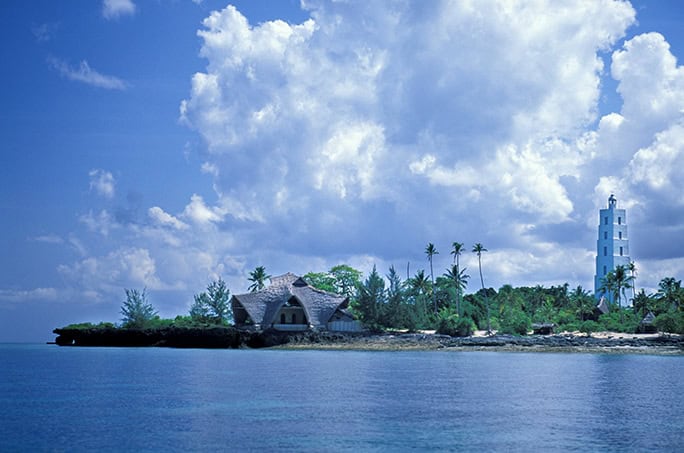
Zanzibar Archipelago: Tropical islands known for beautiful beaches and historical trading Stone Town with its vibrant cultural heritage of Arab, Indian and European influences and the world’s first private marine protected area.
Ruins of Kilwa Kisiwani and Ruins of Songo Mnara: Located on two islands close to each other just off the Tanzanian coast about 300km south of Dar es Salaam. These UNESCO archaeological sites remains of two port cites represent the important Swahili trading settlements that flourished along the Indian Ocean, reflecting the region’s historical significance in trade and cultural exchange.
Nyerere National Park /Selous Game Reserve (renamed): At 50,000 km2 (19,000 sq mi), with additional buffer zones as well, this is one of the largest game reserves in the world. It was designated a UNESCO World Heritage Site in 1982, owing to its high levels of biodiversity and vast, undisturbed natural landscapes and wilderness, and some of the continent’s largest and most iconic (and most vulnerable, threatened or endangered, wildlife. In 1976, Selous contained about 109,000 elephants, then the largest population in the world; by 2013, it was ~13,000 elephants, including a sharp 66% drop just between 2009 and 2013 (approx. 10-11% decrease per year for those six years)L poaching put Selous’ UNESCO status on an endangered list in 2013.
Great Lakes: Lake Victoria is the largest freshwater lake in Africa and Lake Tanganyika the second-deepest lake in the world.
Tarangire National Park: Known for its large elephant herds and baobab trees.
Maasai Culture: Engage with the Maasai people through guided tours and cultural experiences.
Tanzania generally has a tropical climate, with coastal areas experiencing hot and humid conditions, while the interior regions can be cooler, especially at higher elevations like Mount Kilimanjaro.
June to October: Dry season, characterised by cooler temperatures and minimal rainfall. The best time for wildlife viewing in national parks, as animals are more easily spotted around water sources.,
November to May: Wet Season, with two main rainy periods:
Tanzania Weather Variations
Coastal Areas: Places like Dar es Salaam and Zanzibar experience high humidity and temperatures averaging around 28°C (82°F) year-round. The best time to visit these areas is during the dry season.
Highlands: Regions like Arusha and the Kilimanjaro area can be much cooler, especially at night, with temperatures dropping significantly. Be prepared for colder conditions if hiking Mount Kilimanjaro.
Tanzania Climate Change Trends
Over the past decades, Tanzania has seen a significant increase in temperatures, with projections of further increases of 0.14 °C to 0.21 °C per decade from 2040 to 2071, consistent across the country.
Tanzania’s rainfall patterns have become more erratic, with a higher likelihood of intense rainfall events leading to flooding, as well as prolonged dry spells resulting in droughts. Some regions have experienced significant decreases in precipitation, while others have seen slight increases. This variability poses challenges for agriculture, which is heavily reliant on predictable rainfall.
Increased temperatures and rainfall variability are projected to reduce yields of key crops such as rice, maize, and sorghum. This could have significant economic, livelihoods and food security implications.
Water Scarcity: Climate change has exacerbated water scarcity issues, with major water bodies like Lake Victoria experiencing extreme drops in water levels. This affects not only agriculture but also communities dependent on these resources for drinking water and fishing.
Health Impacts: Climate change is linked to an increase in climate-sensitive diseases such as cholera and malaria, particularly during periods of heavy rainfall and high temperatures. These health challenges are expected to intensify as climate change progresses.
Tanzania has recognised these challenges and is working on adaptation and mitigation strategies, including the development of a National Climate Change Strategy and participation in international climate agreements.
Tanzania is home to over 120 ethnic groups, each with its own unique customs, languages, and traditions. This diversity is a key feature of Tanzanian culture, contributing to a vibrant tapestry of cultural expressions and practices.
Tanzania’s official languages are Swahili and English. Swahili, a Bantu language with significant Arabic influence known as Kiswahili, serves as the national language and is spoken by ~95% of the population, either as a first or second language. It is widely spoken across the country and is used in government, education, media, and daily communications, a unifying force among these diverse groups.
English, inherited from the colonial period, serves as a second official language, primarily used in higher education, government, and international business. Its prevalence diminishes in rural areas where Swahili dominates.
Tanzania has over 120 languages spoken across various ethnic groups. Many Tanzanians are multilingual, often speaking their ethnic languages alongside Swahili and English, reflecting the country’s cultural diversity.
The Sukuma, Chaga, Haya, and Maasai are among the prominent ethnic groups, each contributing distinct cultural elements to the national identity.
Tanzanian culture is characterised by communal living and a strong sense of community support, encapsulated in the Swahili saying “It takes a village to raise a child.” This communal ethos is evident in practices such as collective contributions for community events and support for those in need.
Traditional clothing varies among ethnic groups, with the Maasai being particularly recognisable for their vibrant red shukas and intricate beadwork.
Tanzanian cuisine reflects the country’s cultural diversity, incorporating influences from Swahili, Arab, Indian, and European flavours, such as spicy fish masala and coconut curries.
Tanzania hosts various cultural festivals that celebrate its heritage, such as the Zanzibar International Film Festival and the Nguvumali Festival. These events offer insights into the country’s artistic and cultural expressions, featuring music, dance, and film.
Tanzanian communities are generally welcoming to tourists, especially those interested in cultural experiences. Visitors are encouraged to engage respectfully with local customs and traditions, which often leads to enriching interactions and a deeper understanding of the country’s cultural fabric.
Tanzania’s environment is characterised by its rich biodiversity and diverse ecosystems.
Protected Areas: Tanzania is renowned for its wildlife and natural beauty, with about a third of its land area under protection. It boasts 19 national parks, including Serengeti and Kilimanjaro National Parks, and 25 game reserves, such as the Selous Game Reserve UNESCO World Heritage Site.
Marine and Freshwater Ecosystems: The country has a significant coastline along the Indian Ocean, featuring coral reefs that are crucial for both ecological balance and the fishing industry. Inland, Lake Victoria supports a large fishing industry and provides food security and jobs.
However, Tanzania also faces huge environmental challenges:
Deforestation and Land Degradation: Tanzania has one of the highest deforestation rates globally, driven by the demand for agricultural land and fuelwood. This deforestation threatens biodiversity and contributes to soil erosion and habitat loss.
Water Scarcity: Despite abundant water resources, Tanzania experiences spatial and temporal water scarcity, exacerbated by climate change impacts on its major river basins and lakes.
Pollution: In urban areas, untreated solid and liquid waste leads to air and water pollution, posing health risks and affecting marine habitats.
Climate Change Vulnerabilities: As most of the population relies on rain-fed agriculture, increasing temperatures, prolonged dry spells, and intense rain events threaten food security and livelihoods. This is likely to exacerbate health issues, including malaria and diarrheal diseases, particularly in urban areas with poor infrastructure.
Organisations actively working on climate advocacy, land restoration, and promoting sustainable land use to mitigate environmental impacts.
Efforts to address these environmental issues involve a combination of conservation, sustainable resource management, and community engagement.
Tanzania remains one of the world’s poorest countries, with many citizens living in poverty.
Tanzania is a lower-middle income economy reliant on agriculture, with diversity in other key sectors including mining, tourism, and manufacturing.
After gaining independence in 1961, Tanzania initially pursued socialist policies emphasising self-reliance and collective farming. However, stagnation and a severe crisis requiring assistance from the International Monetary Fund (IMF) in 1986, marking the beginning of economic liberalisation, for reduced state control, private investment, and integrating Tanzania into the global economy.
Agriculture remains the backbone of the economy, employing around two-thirds of the workforce and contributing significantly to GDP and exports. The country produces a wide variety of crops, thanks to its diverse climatic zones, but the sector is vulnerable to weather shocks and fluctuating commodity prices.
Tourism is another vital component of Tanzania’s economy, contributing ~17.2% of Tanzania’s GDP and approximately 24% of the country’s exports, significant in generating foreign exchange. The sector also plays a significant role in employment, supporting over a million jobs.
Mining is a growing sector, with Tanzania being rich in minerals like gold, diamonds, and tanzanite. The industry contributes about 4% to the GDP and is expected to expand further with ongoing investments in exploration and production.
Manufacturing, although smaller, is centred on processing agricultural products and contributes to the industrial sector, which accounts for about 27.7% of GDP. The government is investing in infrastructure and energy projects to support industrial growth and diversify the economy.
There is now a focus on sustainable development, though the country still grapples with issues like poverty, inadequate infrastructure, inflation, and reliance on donor funding.
Conservation in Tanzania
Conservation efforts in Tanzania began under colonial rule, first by the Germans and later by the British. Formal environmental legislations began in 1888 with laws for game reserve establishment, hunting quotas for common species, strict protection for breeding females and immature animals, and hunting bans for rare species (Wilson & Primack). Initially slow, the UK’s Prime Minister (Lord Salisbury) called for protected areas and hunting restrictions to prevent large mammal extinctions, prompting the passing of the German East African Game Ordinance of 1896.
That same year, Tanzania saw the proclamation of its first protected areas, one west of Mount Kilimanjaro, the other along the Rufiji river in Selous Game Reserve which became a hunting reserve in 1905. The reserve was named after Frederick Selous, a famous big game hunter and early conservationist, who died in this territory in 1917 while fighting against the Germans during World War I.
The British established several national parks and game reserves in response to the 1933 London Convention, which aimed to protect African wildlife and habitats. These ‘fortress conservation’ laws and protected areas were established primarily to serve colonial interests, often disregarding the needs and rights of local communities, and excluding them, particularly the Maasai, from their ancestral lands, leading to ongoing tensions and conflicts.
In 1959, the Maasai were relocated from the newly established Serengeti National Park, a move that marked the beginning of a long history of displacement under the guise of conservation. This model has persisted into the present, with conservation efforts sometimes resulting in forced evictions and land expropriation for (not responsible) tourism and hunting concessions.
A pivotal moment came with the Arusha Manifesto, declared by President Julius Nyerere (1961). It emphasised the importance of wildlife conservation as a national priority and set the stage for future conservation policies.
The Ngorongoro Conservation Area (NCA) established in the late 1950s and early 1960s, was intended as a multiple land-use area, balancing wildlife conservation with Maasai pastoralism, although it was primarily managed as a national park.
Over time, there has been a shift towards more inclusive conservation models that recognise the role of local communities in managing and benefiting from natural resources.
At Selous Game Reserve, a UNESCO World Heritage Site, due to the fragility and sensitivity of the many species and ecosystems within the park, human habitation is not permitted within its bounds, and all persons entering and exiting are tallied and tracked by the Wildlife Division of the Tanzanian Ministry of Natural Resources and Tourism.
Yet, when a boundary change was proposed to the World Heritage Committee to facilitate Mkuju River uranium mining and approved, condemnation followed by environmentalists and organisations e.g. Rainforest Rescue.
Tanzania continues to face challenges in balancing natural capital protection with resource extraction, the rights and needs of indigenous communities, addressing human-wildlife conflicts, and managing the impacts of climate change.
Tanzania has long recognised the potential of its natural resources for economic development. With iconic safari destinations, the sustainable tourism approach emphasises responsible management, community engagement, and environmental conservation.
In recent decades, Tanzania has embraced community-based tourism to ensure local populations benefit from tourism-related activities, such as guided safaris and handicraft production, fostering inclusive growth and poverty alleviation.
Central to Tanzania’s sustainable tourism strategy is the conservation of its rich biodiversity. The country has implemented stringent anti-poaching measures, invested in habitat restoration projects, and promoted protection of endangered species like African elephants and black rhinos. Wildlife is increasingly monitored with camera traps and tourists engaged in conservation efforts to help foster a regenerative mindset and create for positive impacts.
Tanzania’s journey towards responsible, sustainable, and regenerative tourism highlights the transformative power of travel when aligned with principles of environmental conservation, community engagement, and cultural preservation. These efforts not only safeguard Tanzania’s natural and cultural heritage but also unlock new opportunities for economic growth and prosperity.
Tanzania’s transition to clean energy is driven by the need to improve energy access, reduce environmental impacts, and support economic growth.
The first public electricity supply in Tanzania was established by German colonialists in 1908, primarily serving railway workshops and urban areas. This system was expanded under British rule but remained limited in scope, focusing on productive areas and ignoring rural communities.
Post-Independence in 1964, the Tanzania Electric Supply Company (TANESCO) was established to manage the country’s electricity supply. The focus was on developing large-scale hydroelectric projects to meet industrial and urban demand, though rural electrification lagged behind.
The 1992 National Energy Policy aimed to reform the energy sector, promoting private sector involvement and improving energy access, which laid the groundwork for subsequent renewable energy initiatives.
Established to promote rural electrification, the Rural Energy Agency (REA) has been instrumental in expanding access to electricity in underserved areas through renewable energy projects.
Tanzania has excellent renewable energy resources, including solar, wind, and hydropower. Recent projects have focused on harnessing these resources to meet growing energy demands sustainably.
The United Nations Development Programme (UNDP) has supported Tanzania’s clean energy transition, including installation of solar power systems to improve access reliability and lower emissions for its Paris Agreement commitments.
However, a new power station over the Rufiji River in Selous Game Reserve started in 2019 which would more than triple Tanzania’s hydropower capacity has created conflict. The International Union for Conservation of Nature (IUCN) has criticised the Government of Tanzania for failing to consider the impact of the flooding of nearly 1,000 km2 will have, on the thousands of people dependent on the river for fishing and biodiversity of the reserve.
Tanzania has achieved several sustainable successes, particularly in the realm of tourism, which has become a model for balancing economic growth with environmental and community well-being.
Sustainable tourism has significantly contributed to Tanzania’s economy, accounting for a substantial portion of GDP and creating jobs, promoted infrastructure development and foreign exchange earnings, whilst involving local communities and distributing the benefits for inclusive growth and poverty alleviation.
Central to sustainable tourism has also been stringent anti-poaching measures and investment in habitat restoration projects to protect its rich biodiversity, including endangered species.
This has involved the government, along with NGOs and the private sector, playing a crucial role in developing policies and frameworks to support this work, including creating awareness, conducting environmental assessments, and ensuring community participation and resource sharing.
Overall, Tanzania’s sustainable tourism initiatives have not only safeguarded its natural and cultural heritage but also unlocked new opportunities for economic prosperity and community empowerment. These efforts reflect the country’s commitment to sustainable development and its potential to serve as a global leader in responsible tourism practices