

Recommended duration
Price per night per adult
Support conservation and community development to preserve one of the planet’s most unique and endangered environments and tackle extreme poverty.
Hands-on development: Volunteer & contribute directly to research, conservation & communities
Sustainability: genuine scientific research on endangered plant and animal species with local experts and experienced field researchers.
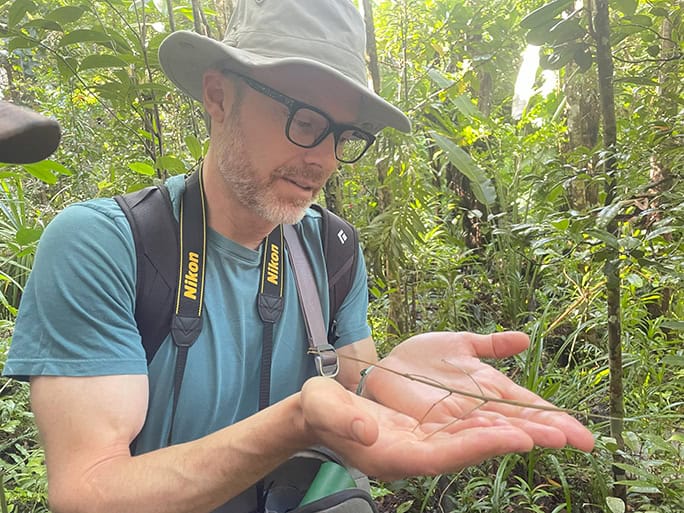
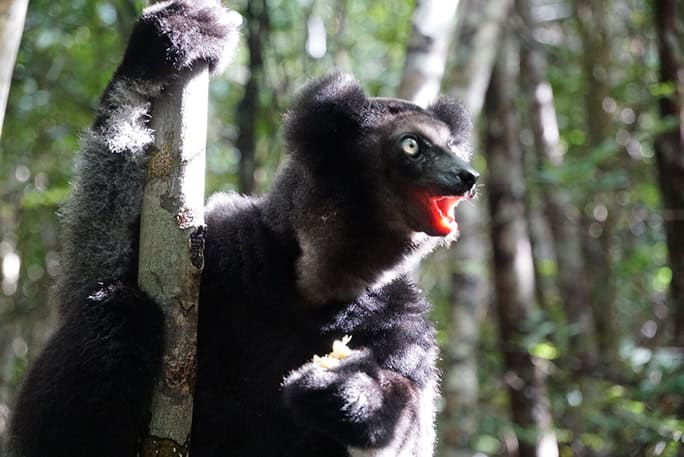
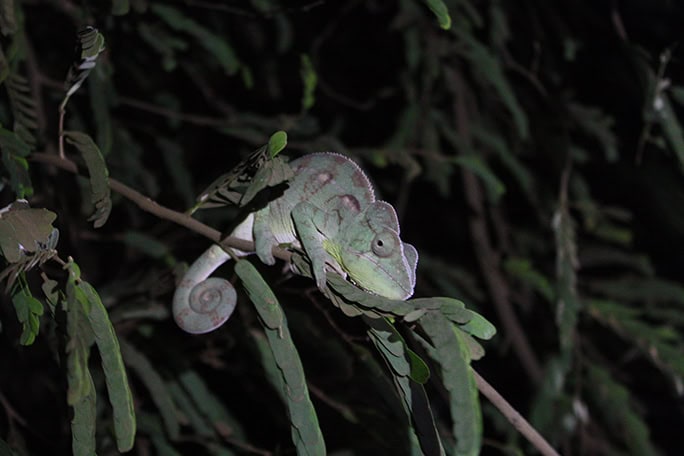
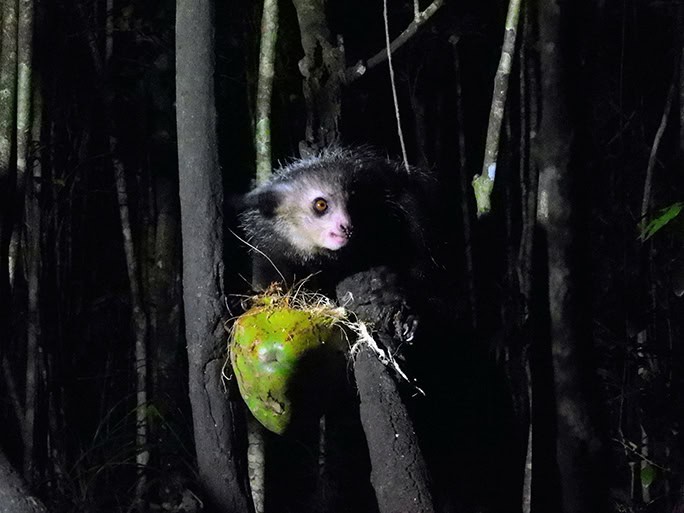
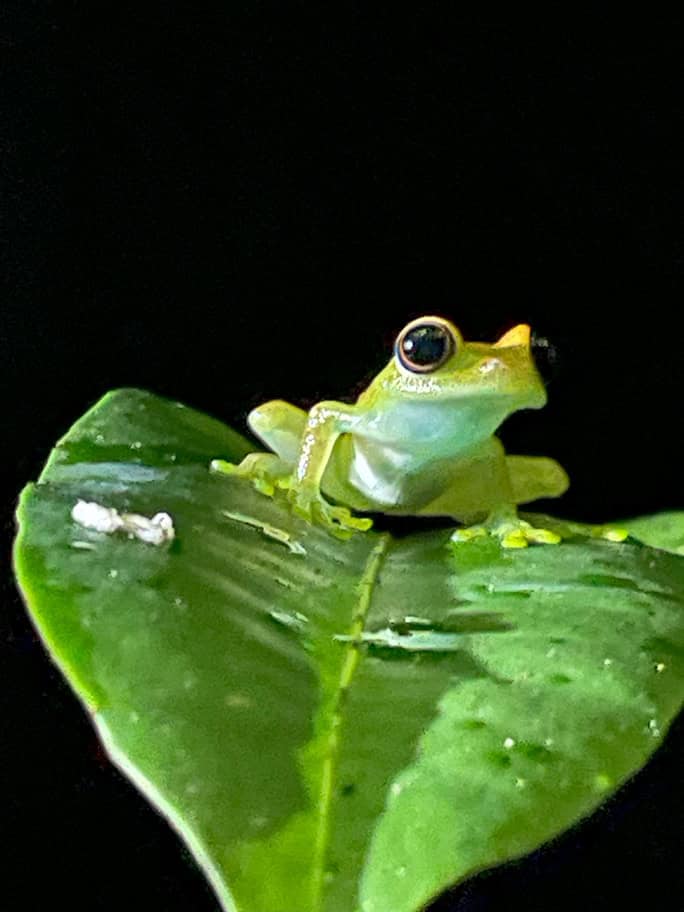
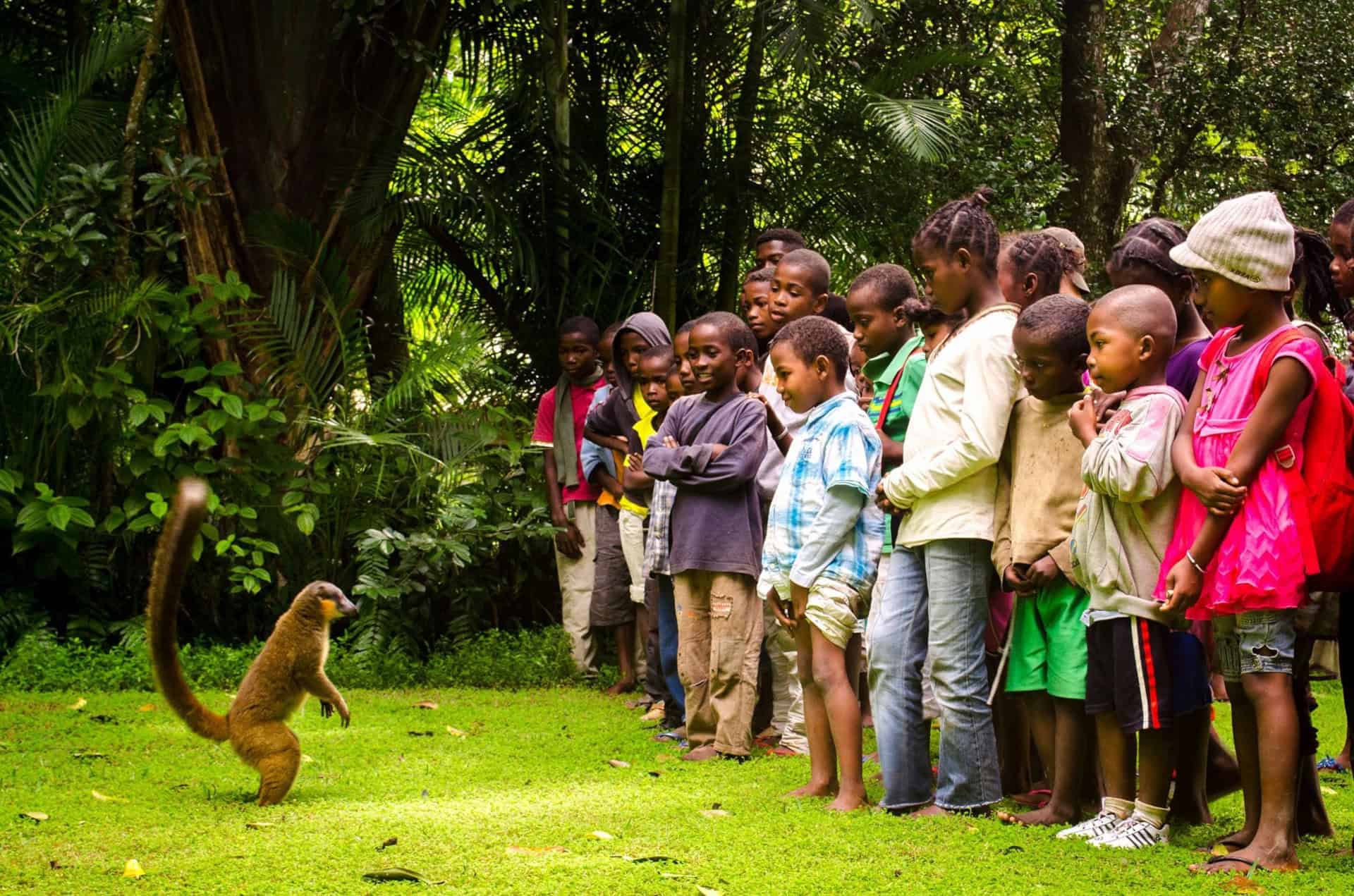
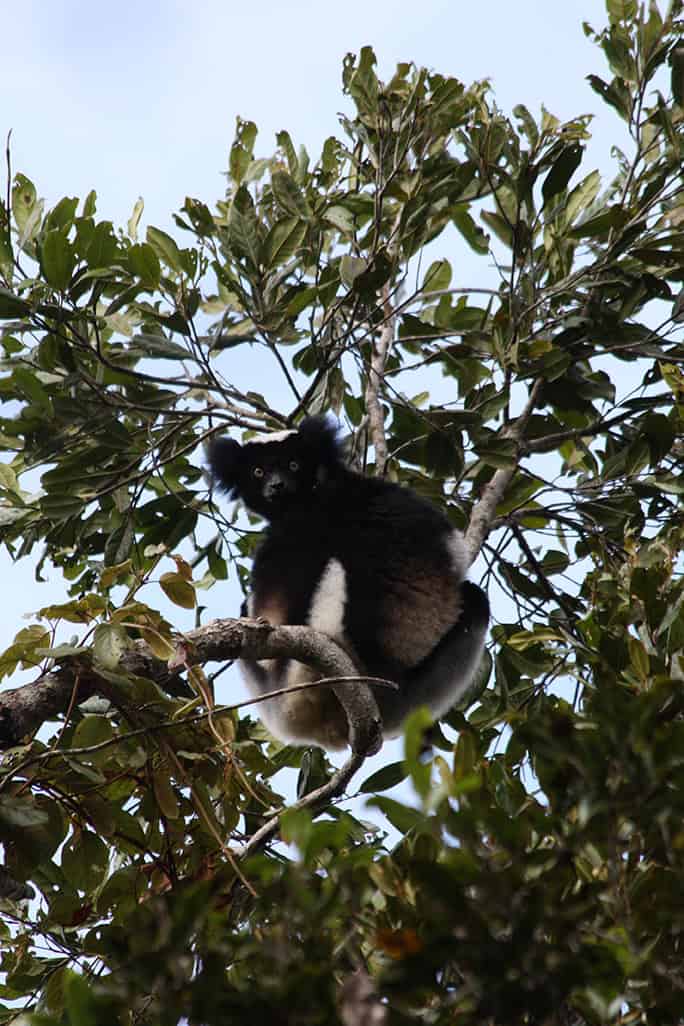
Unique biodiversity experience: with Madagascar's incredible endemic species, including lemur, chameleons and littoral forests
Immersive cultural experience: gain insight from working alongside extensively knowledgeable local Malagasy guides, staff and communities
Impactful: contribute to long-term efforts to support one of the world's most biodiverse yet threatened environments
Interested in sustainability, development or ecotourism? You can't get much more raw, lived, practical, better experience than this!
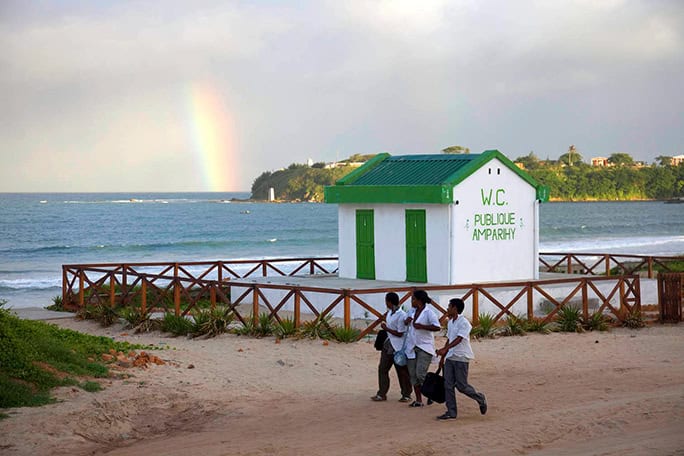
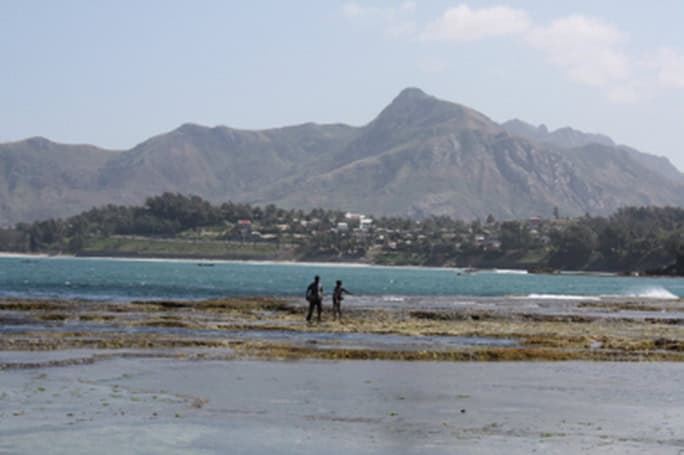
Immerse yourself in the south east Madagascar, via the city Taolagnaro (Malagasy name) aka Fort Dauphin, colonised by the French in the 1500s.
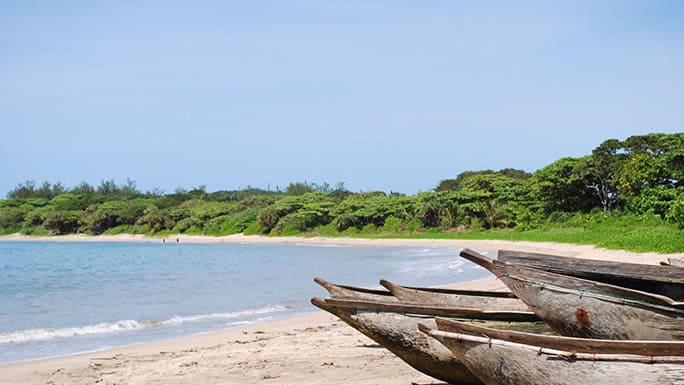
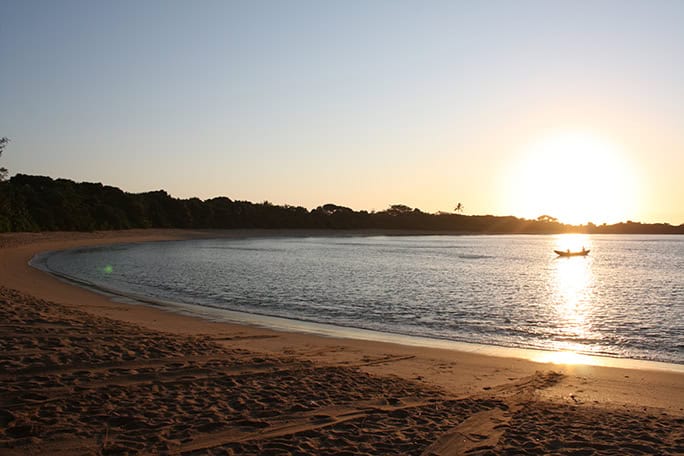
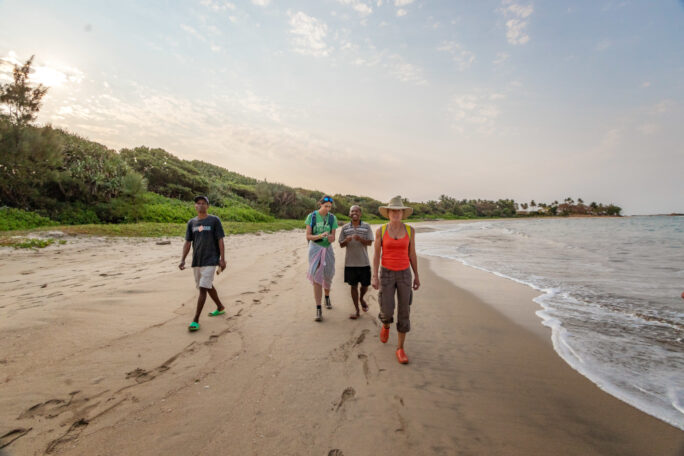
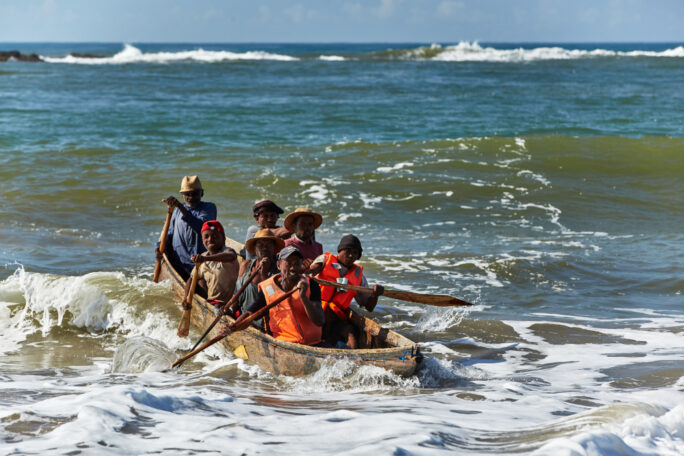
This stunning coastal landscape rich in history and culture is well-known for its beautiful beaches and abundant wildlife (including lobster – one of the main exports).
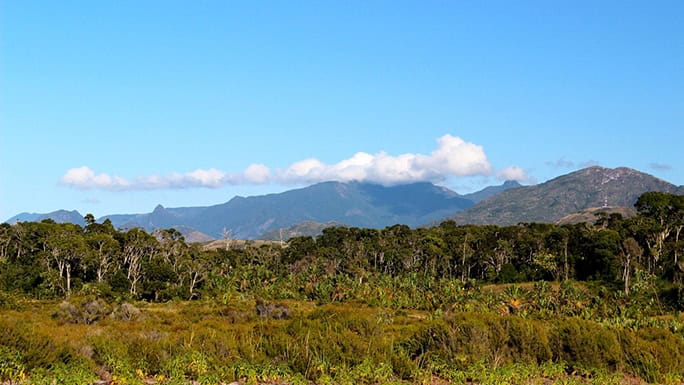
You’ll work to protect some of the world’s rarest and most threatened littoral forest fragments. As a volunteer, you’ll conduct hands-on conservation fieldwork, studying fascinating species like lemurs, amphibians, and chameleons. Beyond research, you’ll engage in community initiatives and environmental education, forging connections with local people and exploring this unique ecosystem. This transformative experience offers a perfect blend of genuine scientific contribution, cultural immersion, and unforgettable adventure in one of Earth’s most biodiverse regions.
“This is the story of what happens when a set of animals and plants are cast away on an island for millions of years. This is how this curious wonderland came into being”— David Attenborough’s opening piece to camera, Madagascar, BBC broadcast February 2011
Join a team of short-term volunteers for 2-8 weeks, staying at the forest campsite based in Sainte Luce. This unique and biodiverse coastal area in south-east Madagascar is surrounded by threatened fragments of littoral forest, home to many endangered species.
The campsite setup allows volunteers to be close to the conservation work and easy access to research sites and a chance to fully experience the unique environment of southeastern Madagascar.
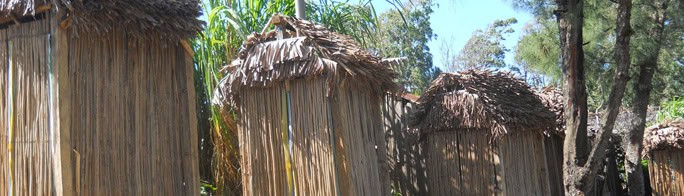
Camping facilities are provided with volunteers where possible bringing their own tent, sleeping mat and sleeping bag, with an option of hiring a tent if required.
Facilities are basic, especially working in rural areas.
On the campsite, rain water harvesting is used to supply clean fresh drinking water and solar electricity is available at the research office.
Once in south east Madagascar, you may stay in Taolagnaro/Fort Dauphin where the main office is located, when en route to/from the bush, depending on timings.
En route to/from Sainte Luce, you’ll need to stay over night in Madagascar’s capital Antananarivo for flight connections. The team can suggest options.
The campsite is a basic but permanent research camp that has been operating for over 20 years.
In itself, it’s an immersive experience in nature, with opportunities to observe and study the local wildlife and ecosystems directly from base camp!
There is mobile phone reception in Taolagnaro/Fort Dauphin: calls and texts are relatively cheap with a Malagasy SIM. There is also a mobile phone at the campsite in Taolagnaro/Fort Dauphin which can receive incoming calls from family and friends. Whilst in the bush and out at Sainte Luce it is possible to find a mobile signal – staff use WhatsApp to send messages and photos to friends and family. A staff phone also travels with volunteers at all times meaning that the team can always be contacted in the event of an emergency.
A resident cook supports the volunteer teams and is responsible for preparing meals each day. Food is simple, but tasty and nutritionally balanced. Meals mainly consist of rice and beans supplemented with fresh fruit, vegetables, fish and eggs when available and there should always be enough honey or condensed milk to satisfy a sweet tooth.
In Taolagnaro/Fort Dauphin, chocolate, crisps, croissants and ice-cream are all available for sale and there are some excellent restaurants serving well cooked Western and Malagasy dishes at reasonable prices – think zebu steak and chips, fresh seafood and even pizza!
A plentiful supply of treated drinking water will always be available. However, it is often possible to purchase soft drinks, bottled water, beer and rum from local stores, even in the remoter locations.
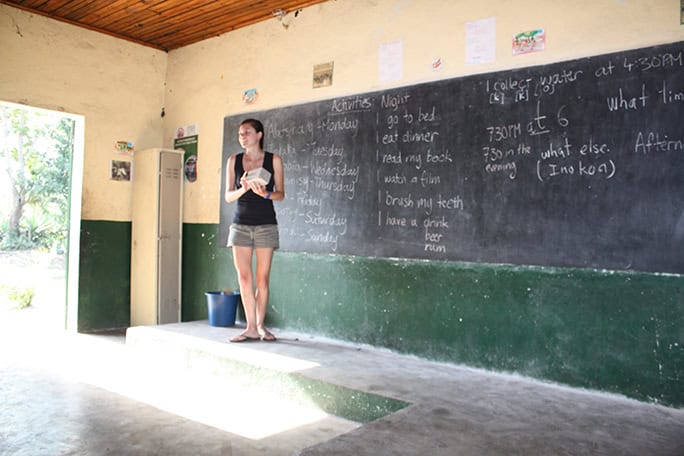
You will gain hands-on experience of working on cutting edge research, employing a wide range of conservation research techniques and learning from experts in their field. Volunteers are fully immersed in the immense biodiversity and rich culture of Madagascar.
Volunteers should be prepared for a demanding experience, as work will be intensive and free time limited. Due to the remote nature of project sites, excursions may not be frequent.
However, visits to local attractions will be scheduled whenever the programme allows, to ensure you have the most enjoyable time and experience of Madagascar’s wonders, the local wildlife and culture within the framework of the programme.
There will be opportunities to explore local markets or unwind on the beautiful beaches surrounding Taolagnaro/Fort Dauphin, as well as enjoy the town’s restaurants and bars.
Volunteering is open to anyone over the age of 18 to apply, suitable for students, gap years, career breaks, or retirees. There is no upper age limit but volunteers over the age of 55 will be asked to get a doctor’s note, attesting to their fitness for the programme.
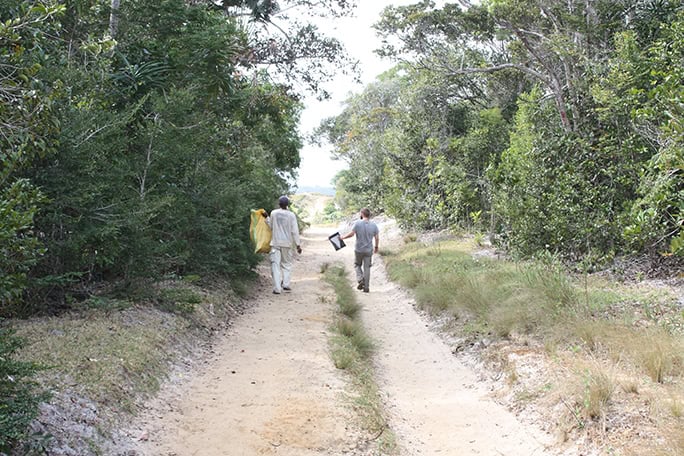
You’ll need to be fit enough to walk up to 10 km per day in tropical conditions when necessary.
The bush will be cooler than the town and even in summer heat may require warm clothes for evenings.
January – March: Summer months – hot, but also the rainy season, so wet. Be prepared for both.
April – June: Hot in April then growing cooler and still a chance of rain.
July – September: Often the driest time but still requires good water-proofs. Cooler in July then getting warm-er as the weeks go by. In September there is also a colder seasonal wind.
October – December: Very windy until the end of October, getting progressively hotter as the weeks go by. Chance of rain increases towards the end of the year.
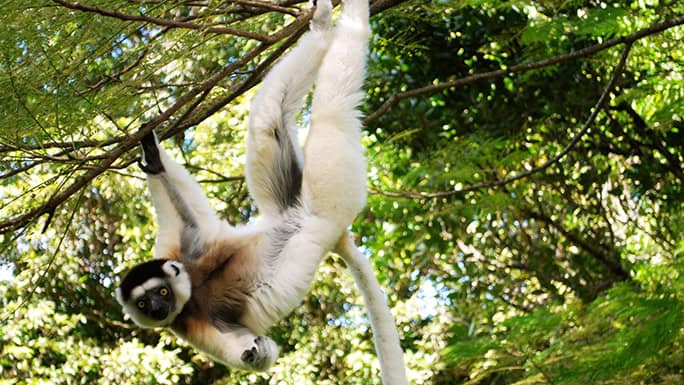
Madagascar is home to 5% of the world’s plant and animal species, and a staggering 80% of them are not found anywhere else. Naturalists have recorded more than 19,000 different plant species in Madagascar, as well as more than 100 species of lemur. (WWF)
The team in Madagascar have found, identified and had ‘described’ new species. You can’t get much more pioneering conservation research than that!
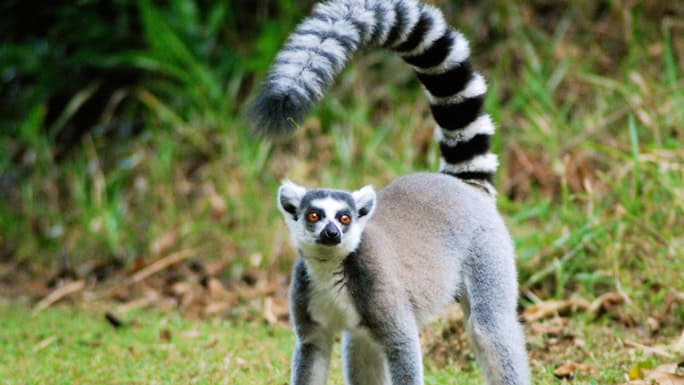
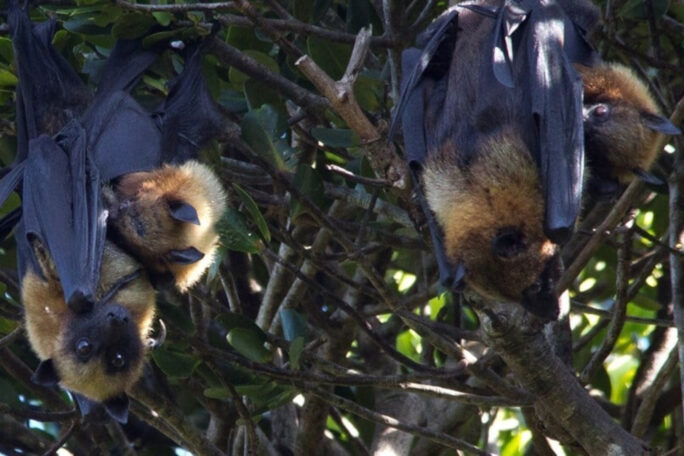
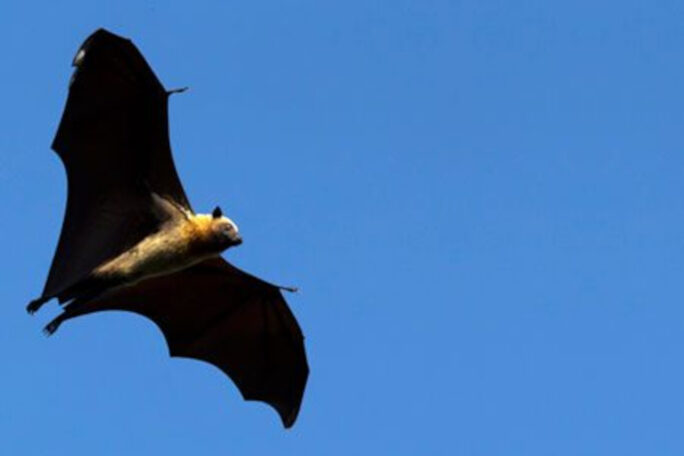
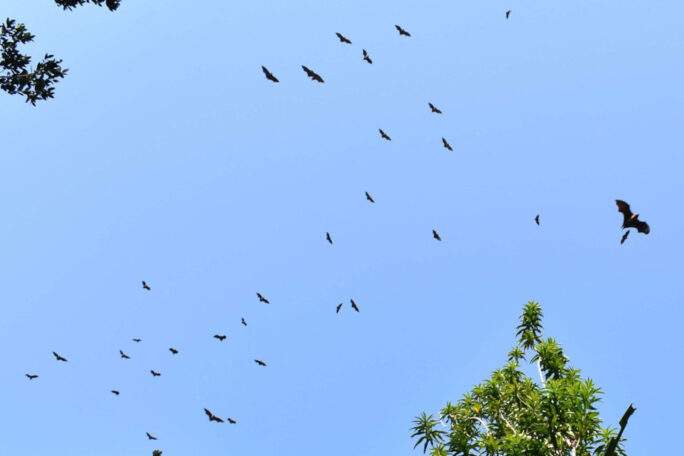
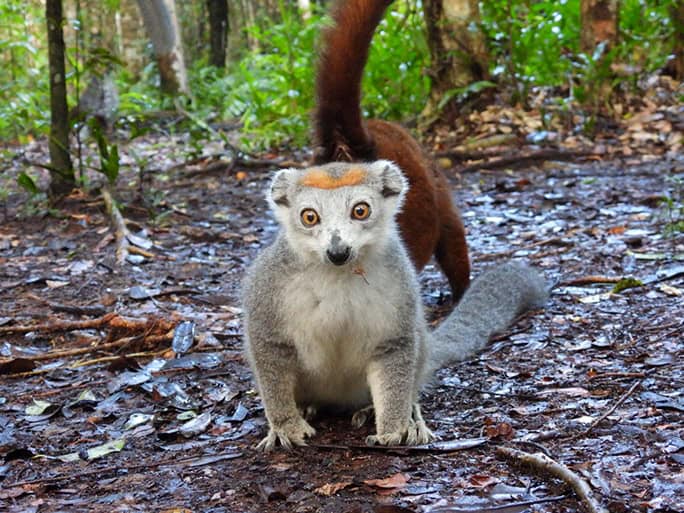
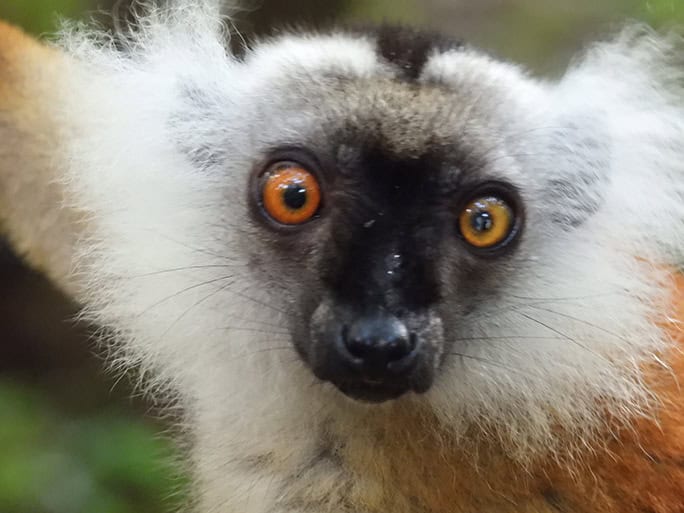
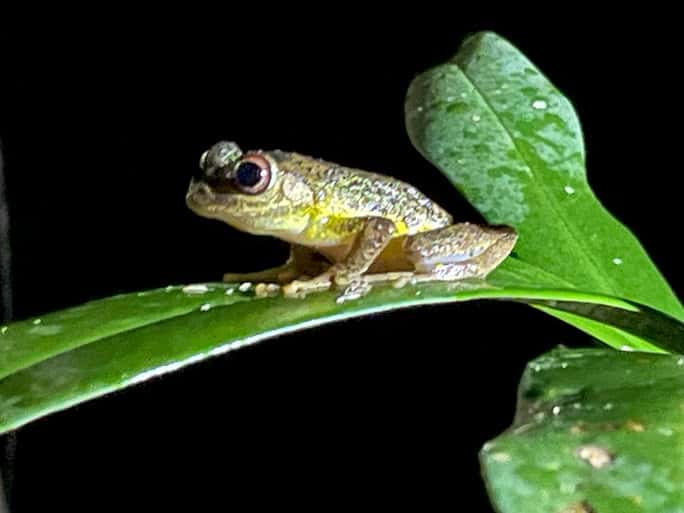
Here is some of the wildlife you may encounter:
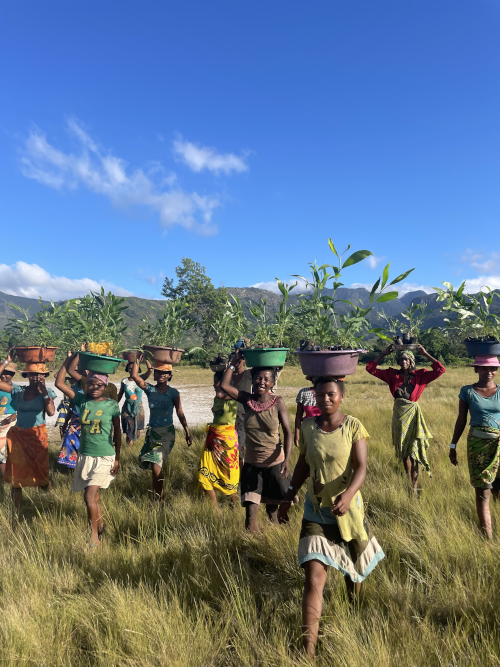
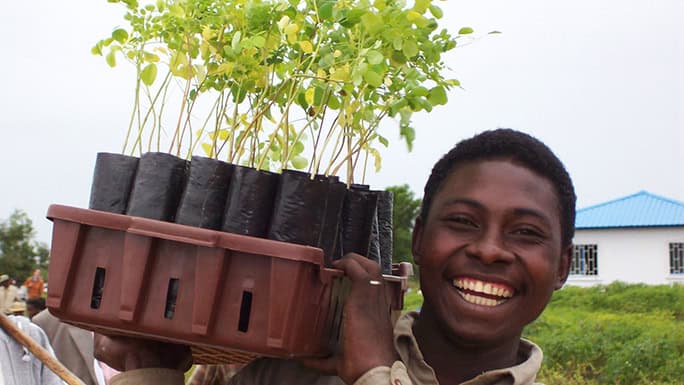
The organisation has planted five forest corridors, which are to be developed and expanded, and a corridor management strategy implemented, mulching, fertilising, and watering native seedlings. Fire prevention and management strategy is also in place.
The charity is working closely with key stakeholders, such as local forest management bodies CoBA (Communautés de Base; forest management association), FIMPIA (Forestry Police Association), and Polisin’ala (local forest patrol), and the Sainte Luce community on their habitat connectivity and species dispersal programme.
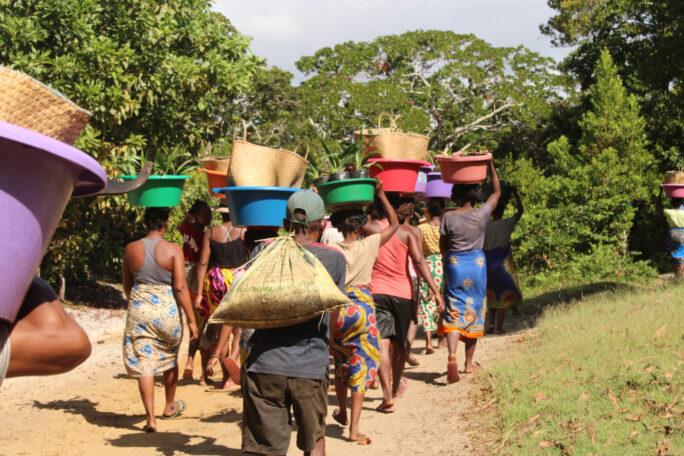
Madagascar is one of the poorest countries in the world. Most Malagasy people have to rely on the land to scrape a living through agriculture and fishing, struggling to earn enough money to feed themselves and their families.
Here in southeast Madagascar, poverty levels are amongst the highest in the country with a serious lack of employment opportunities, particularly for women, and it’s one of the hardest hit destinations by climate change.
Many people in these communities depend heavily on natural resources from the forests and coast for their lives. However, they are challenged with:
But at the same time, it’s one of the most beautiful biodiverse areas of the world.
To focus on conserving the endangered and protecting the environment, it becomes clear that can’t be so without also working with the people who depend on these resources on a daily basis.
Volunteers are any age, from students to older adults. No previous experience or skills in conservation are required, just a passion for the environment, open-mindedness, and a sense of adventure, willing to work in a developing country context.
You may be an individual volunteer, and will meet others, or group – study or corporate – bespoke trips are possible.
You’ll be interested in gaining hands-on research and data collection skills while contributing to conservation efforts. By working closely with a small NGO, you will gain insights into aspects of development work which touch on a myriad of subjects.
View first-hand the effects of climate change and environmental degradation, learn about current conservation and environmental research methods, walk lemur spotting trips and nocturnal transects in the coastal forest.
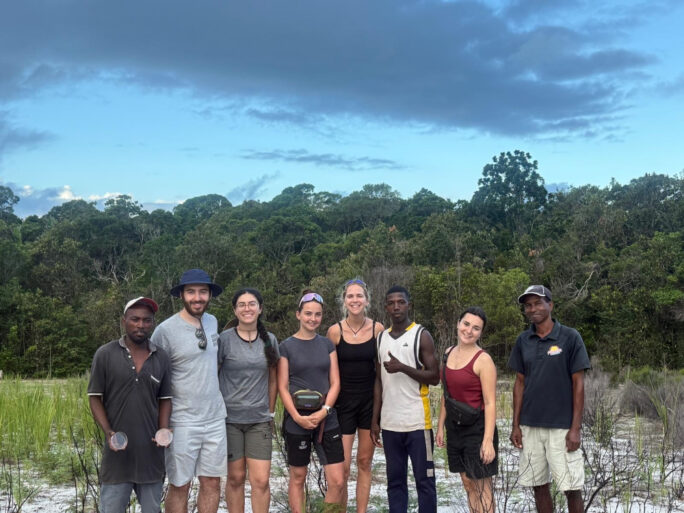
An experienced team of international staff and Malagasy guides will also be on hand to support you, from arrival in Toalagnaro/Fort Dauphin. You will receive full orientation and training as required by your itinerary, as well as some Malagasy language lessons.
Being integrated with local communities means, with due diligence to safeguarding policy and UK Charity Commission strategy, the organisation request you to undertake a Criminal Background Check if accepted onto the Conservation Programme. For British citizens the organisation will process a DBS check, volunteers of other nationalities we will be asked to carry out a police check of the equivalent level.
Most staff are Malagasy (85~90%), some international (~10-15%) to ensure projects are underpinned by both essential regional knowledge and international best practice with a focus on community-driven approaches for sustainable development in Madagascar.
Specialist international staff and volunteers work to build capacity with local staff members and partners to promote sustainability.
Most staff are based in Madagascar, in particular the charity office in Taolagnaro/Fort Dauphin. Some are also based at the conservation research base in Sainte Luce, working on research and volunteer coordination and support.
The Madagascar-based staff work on designing, planning, implementing, monitoring, and evaluating projects.
There is a remote skeletal international staff and trustees board who deal with strategy, business development, fundraising and promoting volunteering.
The conservation research is based in Sainte Luce, a string of 3 coastal villages.
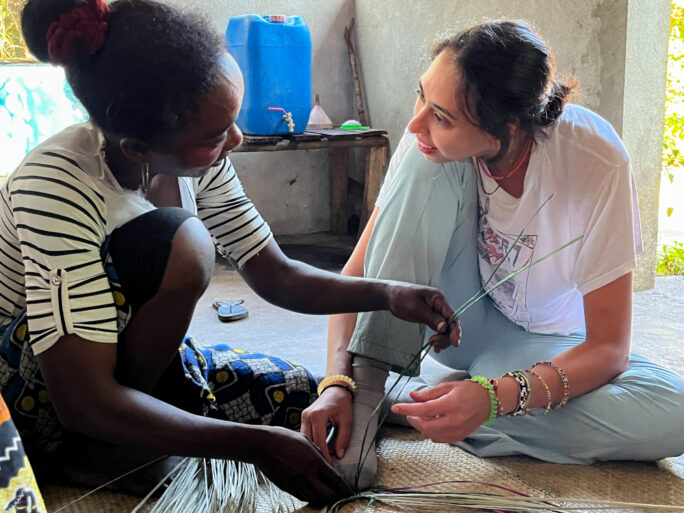
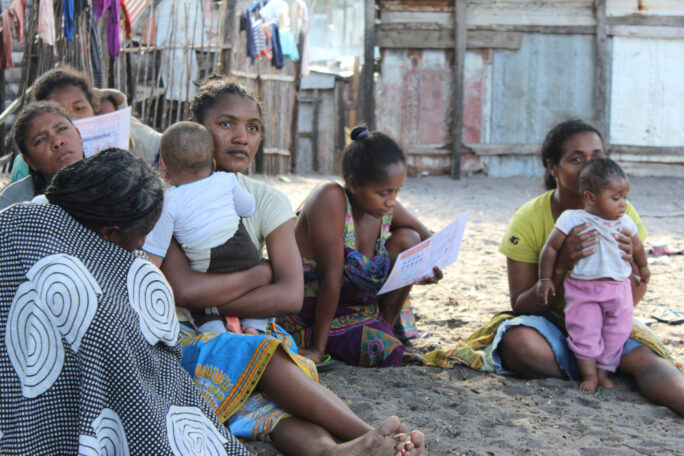
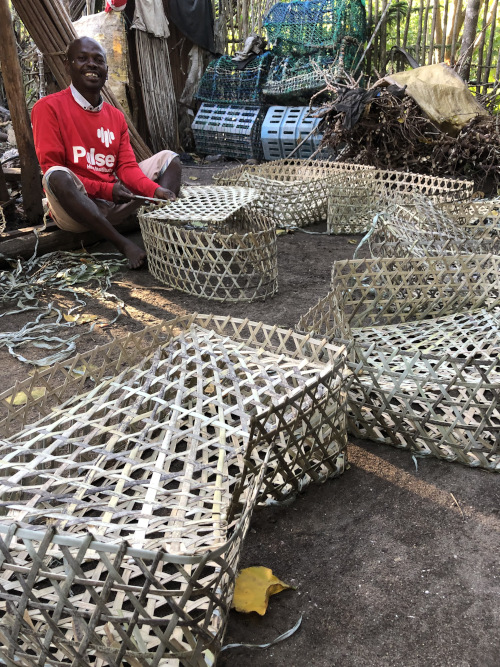
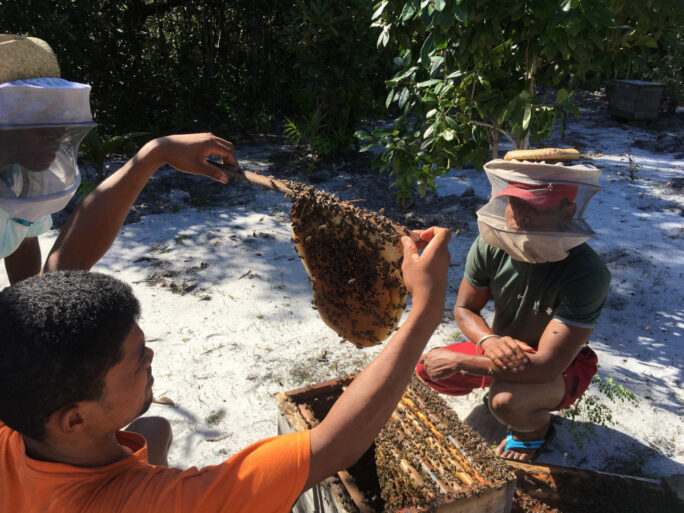
The charity helps throughout the community: traditional women weavers to manage healthy Mahampy reedbeds, training women in embroidery by providing business and marketing support for a sustainable cooperative, developing community-based sustainable fisheries management and economic resilience for fishing households, building skills in rural nature livelihoods like bee-keeping, supporting water security and public health through programmes in WASH, sexual, maternity and child health, and providing community training and education in schools, and business.
The conservation volunteer programme brings tourists to the villages, providing associated income and awareness.
The mission of the Conservation Programme is:
“to conserve the biodiversity, and sustainably manage natural resources, of the Sainte Luce ecosystem in a way that engages and benefits local communities.”
The focus is research, conservation actions, sustainable management of natural resources, community engagement and partnership, learning, dissemination and advocacy.
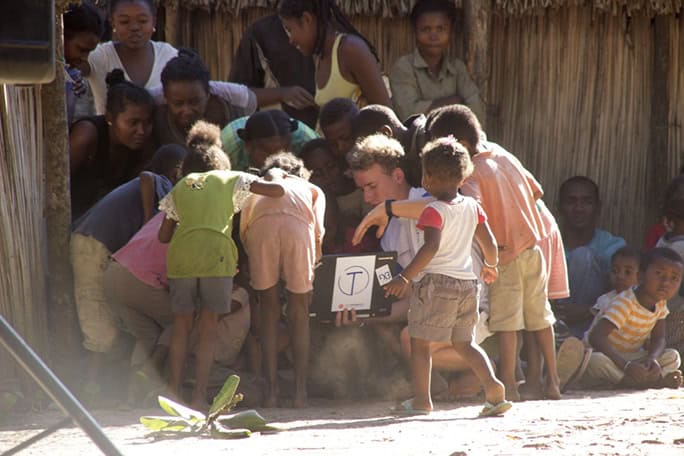
The vital local charity need overseas volunteers to help support its grassroots projects. You can have an invaluable unforgettable experience hands-on in development, working alongside Malagasy communities on their own sustainable solutions for conservation, supporting community livelihoods, education, and health in an amazing place.
The organisation works on grass roots research, hands-surveys, assessments and implementation of conservation actions, such as:
The local littoral forest isn’t just important from a biodiversity standpoint, it’s also vital for communities: for them its role as a source of natural resources for food, shelter and income is more important than its beauty or scientific interest.
As of 2024-5, over 80% of the population of Madagascar live in poverty, based on a $2.15 daily income, many depending directly on natural resources for their livelihoods, reflecting ongoing economic hardship, environmental challenges, and food insecurity across the country – World Bank
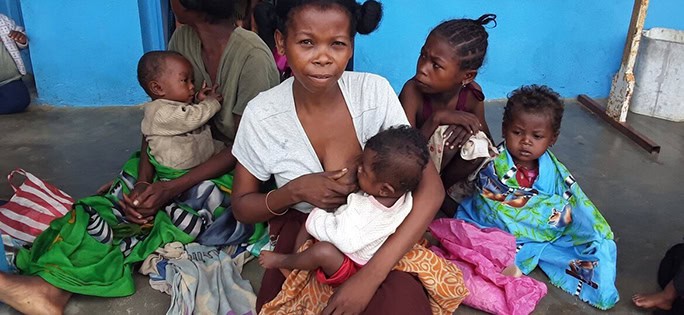
Madagascar has one of the highest rates of food insecurity globally. As a result, the diet in Madagascar is often deficient in many macro and micro-nutrients including calories, fat, B12, and zinc – leading to high rates of stunting and wasting among children. Many households rely on the island’s biodiversity, including wild foods and bushmeat, to supplement their diets and provide essential nutrients, especially in rural areas.
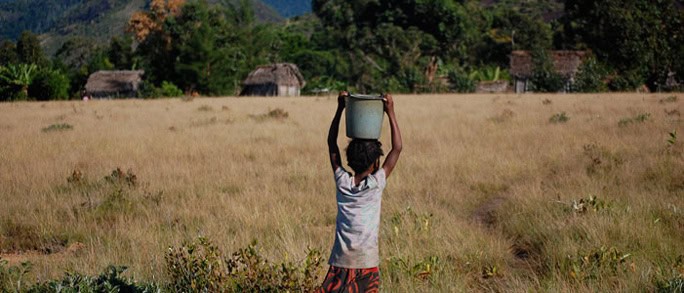
Madagascar also ranks third lowest in the world in the use of unimproved water sources (such as unprotected wells, springs, and surface water) and access to basic sanitation. Only about 51% of the population has access to basic water services, and just 10% have access to basic sanitation services. This situation severely impacts health, with many children affected by water-related diseases.
Only 51% of the population has access to basic water services and only 10% to basic sanitation services (Unicef/WHO, 2017). High rates of illness and mortality are attributed to water-related diseases, and school under-attendance due illness from poor WASH conditions.
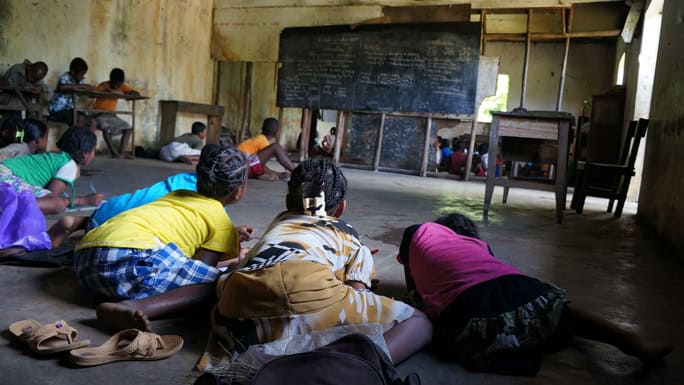
~24% of primary school-age children in Madagascar were out of school as of recent years. This is a significant challenge, especially combined with low learning outcomes and high dropout rates.
Work has included:
In rural Anosy, women face significant barriers to paid employment due to domestic responsibilities, cultural expectations, and limited earning opportunities.
The local economy in fishing villages like Sainte Luce is largely male-dominated, with fishing as the main income source, leaving single and widowed women especially vulnerable economically.
With global warming, as fishing opportunities are becoming less reliable and increasingly dangerous, there is a clear need to diversify earning opportunities, yet the majority of locals do not complete primary education and have extremely low levels of literacy.
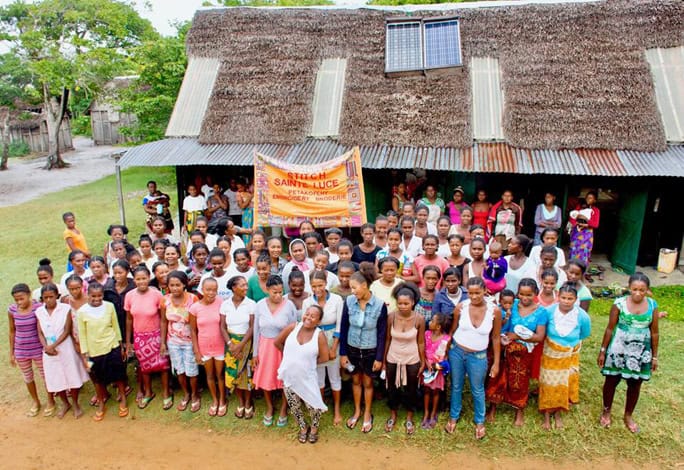
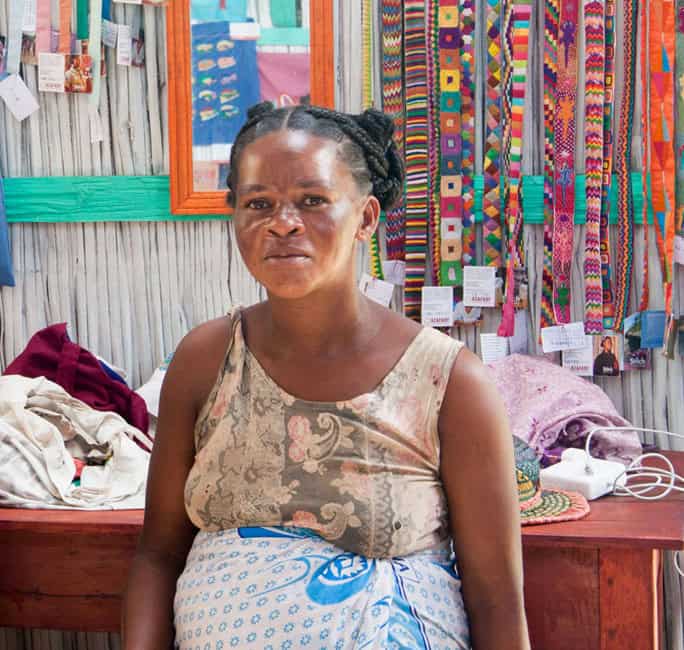
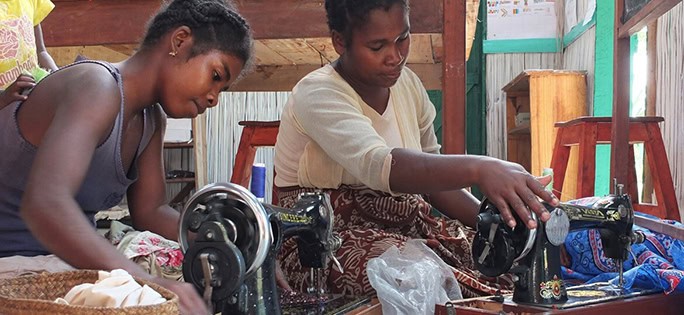
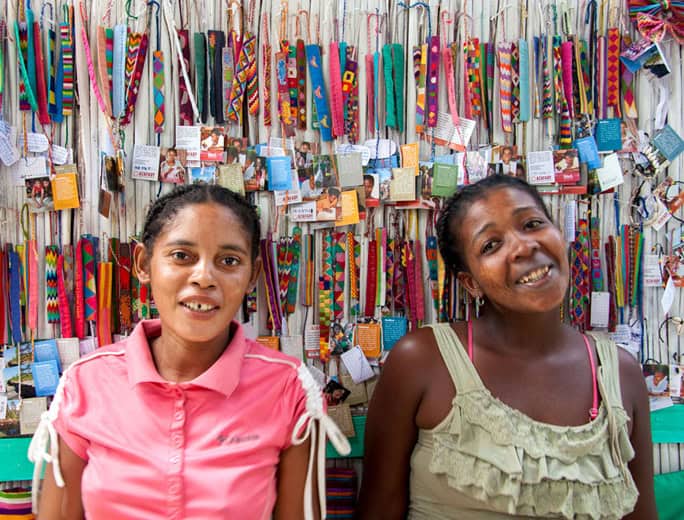
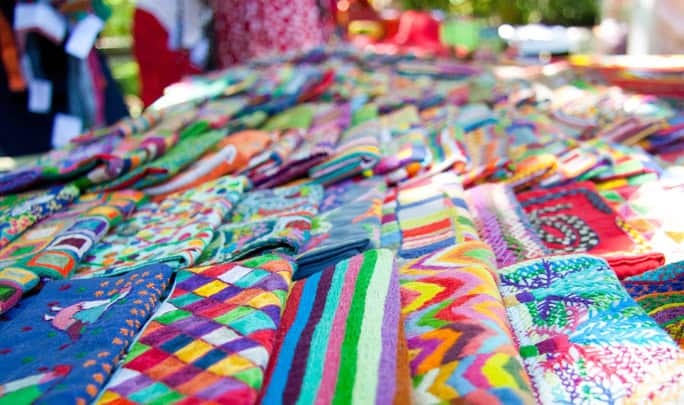
To counteract these many challenges, the Stitch Sainte Luce project was created to support and train women in producing and selling high quality embroidered products, language and business skills to provide a sustainable income and livelihood.
This provides a rare opportunity for women to learn a new set of skills as well as fostering a nurturing environment where embroiderers provide emotional support for each other and share experiences.
This female empowerment project has now led to a thriving independent international business that has supported 100+ women, supporting on average 11 people each, with proven benefits for their families’ diets, health and education.
By working to protect natural resources, the charity helps maintain the ecological basis for sustainable economic activities in the region.
Sustainable livelihoods programmes help develop sustainable income sources for local communities, including agro-forestry, sustainable fisheries management and economic resilience for fishing households, beekeeping and for women, reed weavers and embroidery, which grew from 11 women an $4000, to then 37 and 12 more women with 48% more sales, and by 2020 to a standalone cooperative with 90 members, each supporting an average of 11 additional community people. This empowerment has led to significant improvements in the health and well-being of women and their families, allowing access to better food, healthcare, and education.
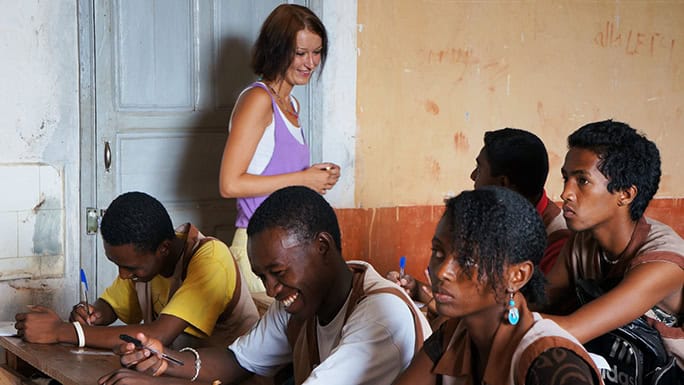
Capacity Building supports teaching and training skills development in schools, businesses and households
Volunteer tourism brings not only short term income support and hands-on help delivering programmes, but also develops life-long supporters and advocates.
The charity understands integrated, holistic projects, that address both environmental conservation and community development needs in tandem, recognise that social and environmental challenges are inextricably linked.
Community-driven solutions mean working with local Malagasy communities to help them develop their own sustainable solutions.
The charity also adds to international best practices through research and publication across all of their programmatic areas: health, education, environment
These initiatives demonstrate the charity’s commitment to fostering economic sustainability by creating diverse income opportunities, building local capacity, and integrating environmental conservation with community development.
The charity’s aim is for long-term, sustainable change rather than short-term fixes.
It is estimated that over ~125,000 people have benefited from the charity’s projects since ~2010, building a healthier and more educated and skilled region whose socioeconomic progress complements rather than harms the uniquely rich natural environment.
Here’s just a few stats on some conservation activities – the charity has endless impact reporting on all its programmes!
The organisation has planted five forest corridors, totalling 3.72 hectares and connecting 108 hectares of littoral forest, with over 4,000 Acacia mangiu (Acacia) seedlings and 6,000 native seedlings.
Between July 2019 and May 2023, four Red-Collared Brown Lemur, 13 species of amphibians and reptiles, and 19 orders of insects were observed in the corridors, and one Red-Collared Brown Lemur and three Thomas’ Dwarf Lemur were observed from the corridors in the adjoining forest remnants.
From 2019-2022, for the forest corridor programme,
Community-sustainable forest management has directly benefited some 2,000 people through improved and more sustainable livelihoods, with the wider benefits extending to the surrounding communities of some 12,000 people – and around the world through the preservation of this unique environment.
Here’s how the organisation specifically contributes to each SDG:
SDG 1 No Poverty: Rural livelihoods programme, eg. women’s embroidery cooperative beekeeping.
SDG 2 Zero Hunger: Huge work on direct famine and emergency food relief due to drought, famine and Covid; also works on edible insect protein research.
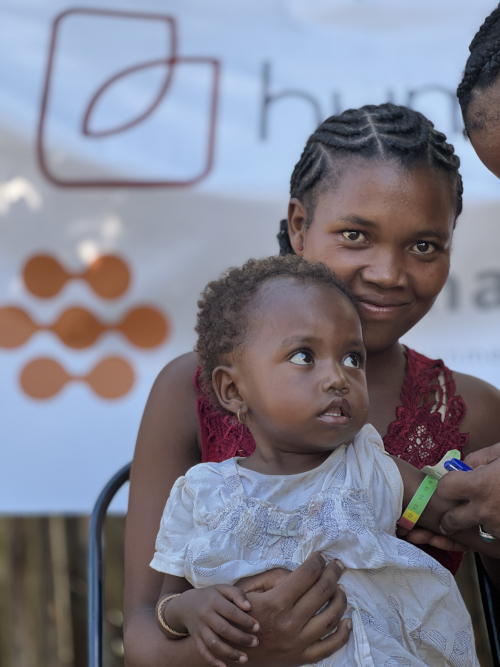
SDG3 Good Health and Well-being: Community health programmes includes sexual, reproductive health, menstrual health, WASH initiatives, and COVID-19.
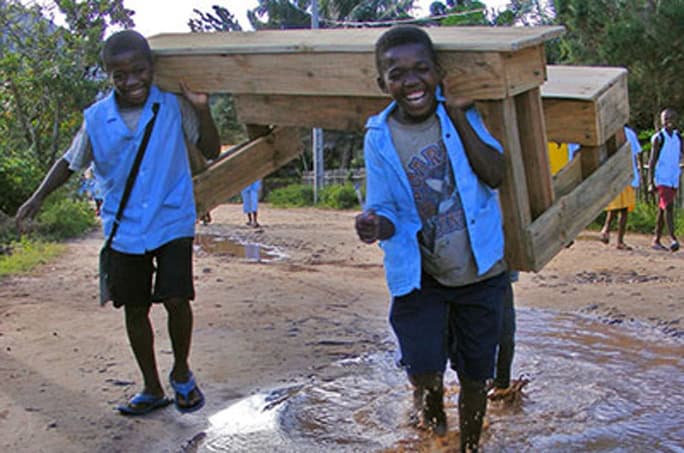
SDG 4 Quality Education: School building and repairs schools, classroom furniture and WASH facilities.
SDG 5 Gender Equality: Rights-based sexual and reproductive health education; women’s weaving and embroidery livelihoods.
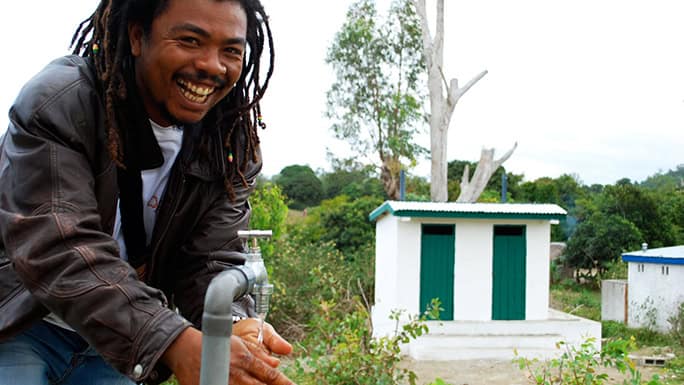
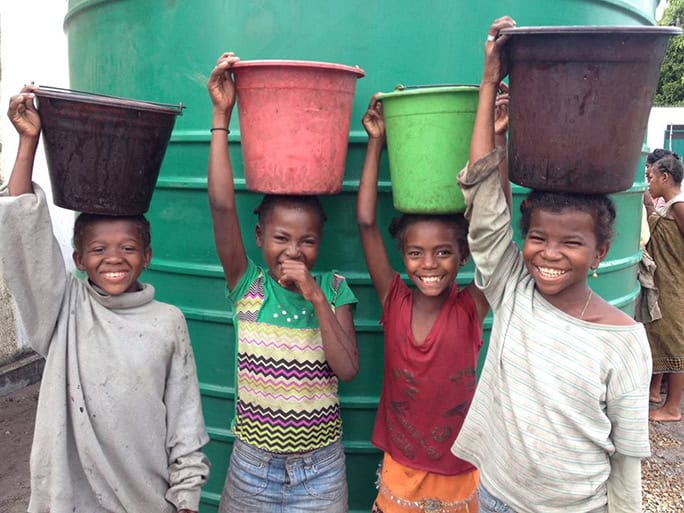
SDG 6 Clean Water and Sanitation: Water, Sanitation and Hygiene projects across the region, plus rainwater harvesting social enterprise set up for communities.
SDG 7 Clean Energy: The organisation has implemented solar for its For Dauphin office operations, to improve the reliability of the electricity supply, cut reliance on fossil fuels and emissions, and cut costs.
SDG 8 Decent work and economic growth: See SDG1
SDG 9 Industry, Innovation and infrastructure: the charity has pioneered sustainable development in Madagascar with community rainwater harvesting, school building. edible insect research and cultural change from open defecation to latrines.
SDG 10 Reduced inequalities: the charity’s aim is to life up Madagascar’s communities and ecosystems to thrive.
SDG12 Responsible Consumption & Production: Sustainable management and use of natural resources is at the core of the organisation.
SDG 13 Climate Action: commitment to becoming carbon neutral by offsetting the CO2 emissions of school constructions and repairs with local tree planting supporting environmental education sessions.
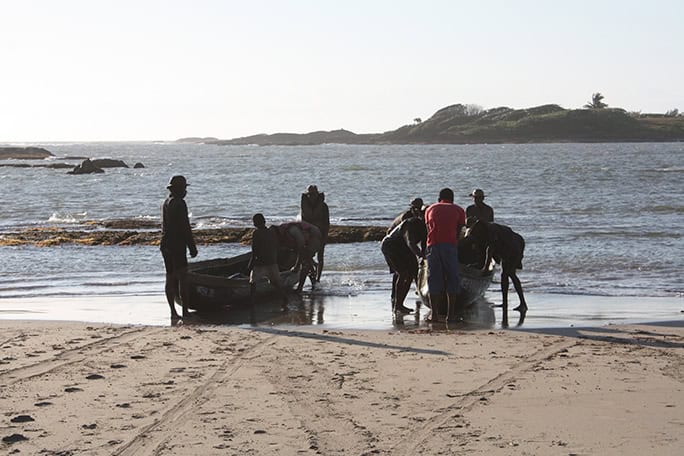
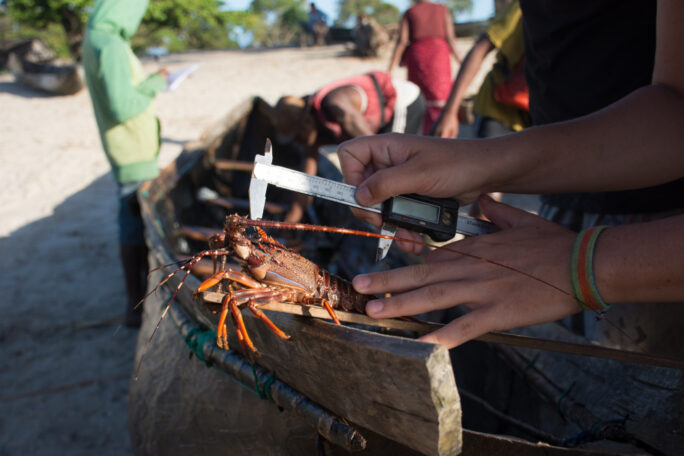
SDG14 Life Below Water: Community-based, sustainable lobster & fishery management.
SDG15 Life on Land: Aims to conserve the biodiversity and sustainably manage natural resources of the ecosystem to engage and benefit local communities. Includes afforestation/reforestation, species and habitat research and conservation.
SDG 17 Partnerships for the Goals: include with national ministries, regional local government, NGOs, tourism organisations, education establishments, publishing, zoological societies, museums, conservation and health networks, global, corporate and individual donors.
Fly to Antananarivo, the capital of Madagascar.
You’ll most likely need to stay overnight – we can suggest options.
Take a connecting flight to Taolagnaro/Fort Dauphin.
(It’s several days’ drive and not advisable).
From Fort Dauphin you’ll be picked up, possibly stay overnight, before transport to Sainte Luce in the bush. Although it’s not far, it’s along dirt roads and will take 3-4 hours.
I wanted to do some volunteering overseas before I went to uni. My two pre-requisites for choosing who to go with were 1) the org must do genuine community-based and where possible community-owned work 2) it had to be completely off the beaten track... the 10 weeks I spent there opened the door to a 12 year and counting career in development and humanitarian work that has taken me not only back to Madagascar over four times but around the world to other incredible places and to Geneva where I am now working with the UK Department for International Development at the United Nations. None of this would have been possible without that foundation in real community based development work that SEED provide... and as far as I am aware they are the only volunteer organisation out there that are not only based but deeply rooted in the communities they work in. If you want to work hard, have fun, gain great experience and make a difference - look no further.
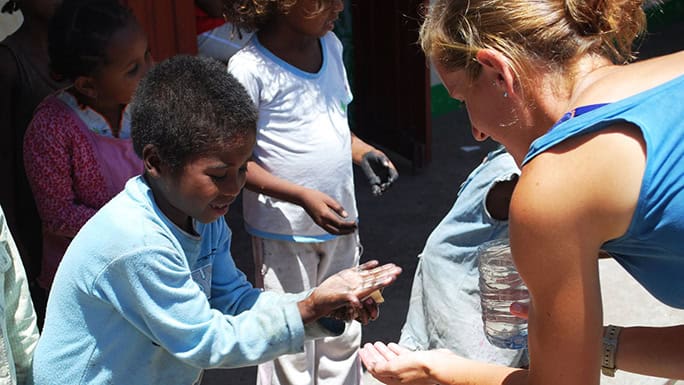
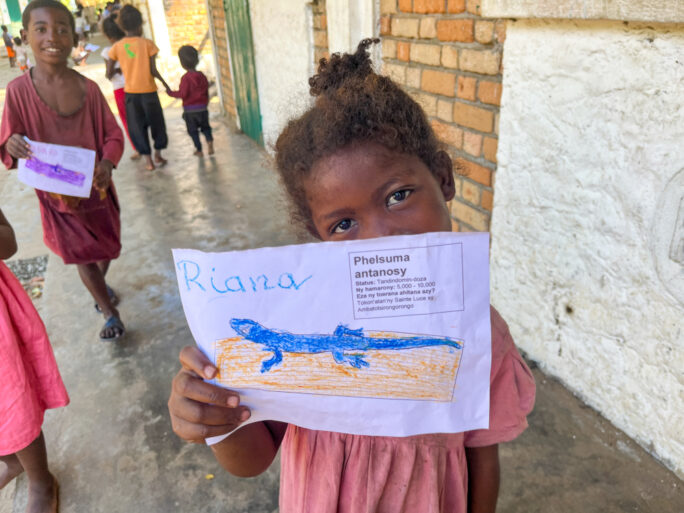
The team, including Malagasy guides, included me in everything, and it was my absolute pleasure to work with with everyone on the team. In just two weeks, I had the opportunity to participate in transects that involved plants, lemurs, herps, invertebrates, and birds. During the last several days of the assignment, we also participated in educational workshops in the community and with Malagasy kids at their schools, and I will never forget the enthusiasm of those students or the passion and team building acumen of the educators. The team consisted of researchers from around the world, and they explained every aspect of the conservation role as well as many details about Madagascar Malagasy people. It was a very rewarding and humbling experience. I've never learned so much in such a short period of time. I still can’t believe I had this opportunity to learn so much and participate in so many different conservation/educational activities in a culture so different from my own. I will cherish my memories from this experience.

Aside from receiving endorsements from Sir David Attenborough (!), The Duke Primate Institute for efforts in conservation and a Whitley Foundation award for human rights and conservation, awarded by HRH Princess Anne, the organisation has been awarded:
Enquire to find out what’s on offer for your trip dates, ensuring you get the best deals and availability tailored to your travel plans. Don’t miss out on exclusive promotions and packages designed to enhance your experience.