
Universal health coverage and well-being for all
According to the World Health Organization (WHO), progress toward universal health coverage (UHC) has stagnated since 2015. As of 2021, about 4.5 billion people—more than half the world’s population—were not fully covered by essential health services.
Sustainable Development Goal #3 of the 17 Global Goals is:
SDG #3
“Ensure healthy lives and promote well-being for all at all ages”
The Goal addresses all major health priorities, including reproductive, maternal and child health; sexual health; communicable (passed from person to person), non-communicable and environmental diseases; and mental health. It calls for Universal Health Coverage, access for all to safe, effective, quality and affordable medicines and vaccines, more research and development, increased health financing, and strengthened capacity of all countries in health risk reduction and management.
Universal Health Coverage
UHC is key to people’s and nations’ health and well-being, and the World Health Organisation’s number one goal. It’s about ensuring all people can get quality health services, where and when they need them, without suffering financial hardship and without having to choose between good health and other life necessities. Universal means for all, without discrimination, leaving no one behind. Everyone everywhere has a right to benefit from health services they need without falling into poverty when using them.
Currently, as well as millions of people still with no access at all to health care, millions more are forced to choose between ‘catastrophic expenses’ on health care and other daily expenses such as food, clothing and even a home.
National health systems are often under-resourced, private healthcare prohibitively expensive, and affordable services extremely limited, leaving many with no viable healthcare options. Risk reduction strategies are therefore vital to reduce the need for medical care.
Quality, accessible primary health care is the foundation for universal health coverage and we must do more to improve the quality and safety of health services globally: Unsafe and low-quality health care ruins lives and costs the world trillions of dollars every year. At its heart, primary health care is about caring for people and helping them improve their health or maintain their well-being, rather than just treating a single disease or condition.
Health is a political choice. Experience shows that universal health coverage happens when political will is strong and robust financing structures key. More investment in primary health care is needed to make universal health coverage a reality. Countries that invest in UHC make a sound investment in their ‘human capital’ (WHO), not only enhancing people’s health and life expectancy, but also protecting countries from epidemics, reducing poverty and the risk of hunger, creating jobs, driving economic growth and enhancing gender equality.
To meet the health workforce requirements of the Sustainable Development Goals and universal health coverage targets, over 15 million additional health workers are needed by 2030, expected to still be 10 million in 2030, especially in low- and lower-middle-income countries (2020, WHO, down from 18 million in 2016). Investments are needed from public and private sectors in health worker education, and in the creation and filling of funded positions in the health sector and health economy.
Progress on Sustainable Development Goal 3 Good Health & Well-Being
-
3.3 billion: The number of people covered by Universal Health (2021): less than 50% of the global population.
4.5 billion people are not fully covered by essential health services, more than half of the world. -
39-63%: of the global population will be covered vs target for full Universal Health coverage by 2030 if current trends continue.
-
13.5% (>1 billion people): faced catastrophic health spending defined as >10% of household budget, up from around 9.6% (2000)
-
400 million+ people: have no basic healthcare, and ~40% lack social protection (UNDP).
-
1.6 billion+ people live in fragile settings where protracted crises, combined with weak national capacity to deliver basic health services, present a significant challenge to global health.
-
Every 2 seconds: Someone aged 30-70 dies prematurely from non-communicable diseases: progress is slow on the 71% of all worldwide deaths attributable; 85% of the 15 million premature deaths (before age 70) in low- and middle-income countries (WHO)
-
7-8.4 million people die each year from air pollution exposure, with fine particulate matter (PM2.5) the main harmful pollutant. ~89% of these deaths occur in low- and middle-income countries, impacting cardiovascular and respiratory diseases most.
-
29.5/30.5 million people/97% globally living with HIV access antiretroviral therapy, a huge increase on 2019’s 67% (UN, 2022).
-
30-35% = 1/3 women have experienced either physical or sexual violence at some point in their life resulting in both short- and long-term consequences for their physical, mental, and sexual and reproductive health.
-
40%: The drop in maternal mortality 2000-2023, from 328 deaths to 197 deaths per 100,000 live births worldwide. But to reach the global target of 70 deaths per 100,000 by 2030, the reduction of only ~1.5% per year 2016-2023 is well below the 15% required.
-
5-6 million (est) children and adolescents under the age of 15 years die each year, mostly from preventable causes (WHO).
-
4.8 million children die yearly still even before their fifth birthday, many in places we visit: 80% in sub-Saharan Africa.
- Almost half of those deaths, 2.3 million, occurred within the first 28 days of life (the neonatal period).
-
13,100 children die each day from preventable diseases such as measles, tuberculosis and AIDS, the leading cause of death among teenagers in sub-Saharan Africa, 2nd globally to road injuries (UN): deaths avoidable through prevention, treatment & education.
-
45% of deaths in children under 5 relate to nutrition factors (UNICEF, WHO). Malnourished children, particularly those with severe acute malnutrition, have a higher risk of death from common childhood illness such as diarrhoea, pneumonia, and malaria.
-
Covid-19 disrupted and suspended health services, meaning accelerating progress by 2030 is now required, Eg. childhood immunisation programmes were interrupted in 53% of the 129 countries with data available.
The need for greater public health preparedness and support has never been clearer, and there are huge disparities in countries’ abilities to recover from the COVID crisis. Official Development Assistance (ODA) plays a vital role, but is cut due to Covid.
Challenges of SDG3, Health & Well-Being
An all-too-common pattern is seen here: Poor health was recognised by the government as one of the key challenges in the Madagascar (Action Plan, 2007-2012), but a 2009 political crisis saw government spending on health cut by 75%, education by 82%, the price of basic food staples like rice double, and the value of saleable assets like cattle halved. Despite some recovery, progress is slow and fragile. Chronic poverty and social vulnerability remain entrenched, especially in rural areas. The COVID-19 pandemic and climate change impacts further complicate the socioeconomic context, and Madagascar remains one of the world’s least developed countries and most impoverished.
“At only $22 per day, the Malagasy national health system is amongst the worst funded in the world” — World Health Organisation, 2014.
Whilst this likely understates the complexities of financing today, Madagascar’s health system remains very poorly funded by global standards, with limited government resources, high dependence on donor support, and serious challenges in infrastructure and workforce financing. But progress toward creating sustainable financing strategies, improving transparency, and leveraging digital health tools is underway.
-
In Madagascar, SEED volunteers work on grassroots projects alongside Malagasy communities and their own sustainable solutions for health, education, livelihoods and conservation in this amazing destination.
-
Malawi is also amongst the world’s least-developed and lowest per capita income countries in the world, heavily dependent on outside aid to meet needs for healthcare. Orbis seek to rectify this through sustainable development by social enterprise, reducing the dependence on the aid industry by driving tourism-generated income to rural communities through partnership and education.
-
In Kenya, MWCT supports the Maasai with employment of the only doctor and provision of the only ambulance in the area; 4 sustainably solar-powered health facilities with dispensaries and one clinic equipped with modern laboratory for enhanced diagnosis and treatment, a lab technician and 7 support staff.
-
In Nicaragua, Jicaro Island Ecolodge’s initiatives have included creating a new community health centre, enabling medical professionals to operate vital equipment needed for medical examinations.
-
Tiger Mountain Pokhara Lodge in Nepal provide an ambulance for emergencies and have supported the local Nepal Red Cross branch to construct a meeting hall as a training and disaster-preparedness centre.
Child Health
Great strides have been made:
-
The global under-5 mortality rate fell from 76 deaths per 1,000 live births in 2000 to 42 in 2015, 39 in 2018, and 37 in 2023.
-
The global neonatal mortality rate fell from 31 deaths per 1,000 live births in 2000 to 18 deaths per 1,000 in 2018, to 17 in 2023.
-
But, neonatal deaths still account for 47% of all under-5 child deaths worldwide. Rates vary significantly by region: sub-Saharan Africa with the highest rate at 27 deaths/1,000 live births in 2022, then central and southern Asia with 21 deaths/1,000 live births.
As of 2023, 133 countries have already met the Sustainable Development Goal (SDG) target for under-5 mortality, and an additional 7 countries are expected to meet the target by 2030. However, progress will need to accelerate in 60 countries, 46/ ~75% of which are in sub-Saharan Africa.
-
-
Sub-Saharan Africa continues to have the highest under-5 mortality rate in the world: ~68 deaths/1000 live births or 1 /15.
-
By comparison, high-income countries had an under-5 mortality rate of just 5 deaths per 1,000 live births in 2023.
-
This means a child born in sub-Saharan Africa is 14 times more likely to die before reaching age 5 than a child born in a high-income country, (UN, World Bank, 2022-2023)
-
-
Children born into poverty are almost twice as likely to die before the age of five as those from wealthier families. And children of educated mothers – even only primary schooling—are more likely to survive than children of mothers with no education. (Lancet)
- Each additional year of maternal schooling reduces under-5 mortality by roughly 3%, with maternal education having a stronger impact on child survival than paternal education, particularly in the neonatal and post-neonatal periods.
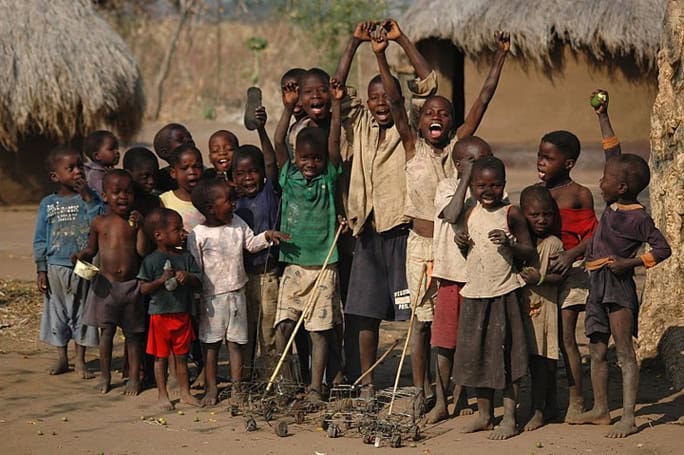
In Madagascar, inadequate diets lead to 50% of children under 3 malnourished and suffering retarded growth, with 10% dying (40% in rural areas) before the age of 5 from easily preventable diseases, such as diarrhoea.
-
In Kenya, MWCT’s health outreach to remote areas has meant greater child immunisation, prenatal care, early disease detection and treatment including for breast and cervical cancers.
-
In Nicaragua, Jicaro Island Ecolodge aim to fight malnutrition with “a glass of milk” (the project’s name) and a snack before classes for students.
-
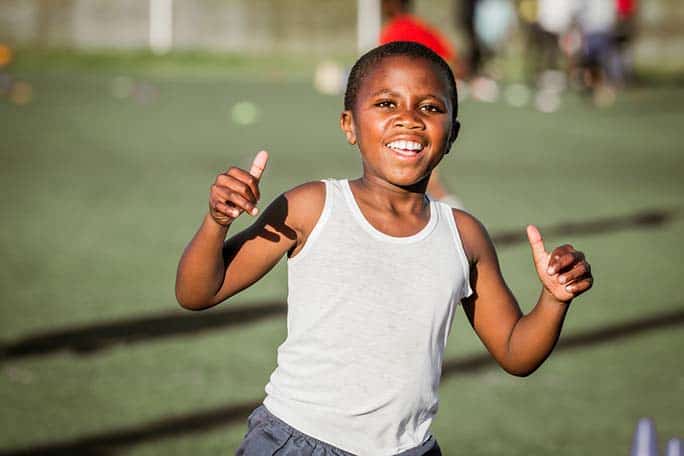
In South Africa, Grootbos Foundation supports early learning centers and a food scheme across its daily multi-sports training programme, reaching the lives and providing tens of thousands of meals to thousands of children.
Maternal Health
Whilst maternal mortality has declined significantly, every day hundreds still die during pregnancy or from child birth-related complications.
-
-40%: The global maternal mortality ratio 2000-2023, from ~328 deaths per 100,000 live births to ~197. On average, 2–2.9% per year, less than one-fifth of the nearly 15% annual reduction rate needed to reach the SDG target of 70 by 2030
-
Every day in 2023, ~712 women died from preventable causes related to pregnancy and childbirth.
-
Sub-Saharan Africa and Southern Asia remain with the highest MMR, together ~87% of global maternal deaths: Sub-Saharan Africa ~70% and Southern Asia ~17% of maternal deaths globally (2023, WHO/UNICEF/UN).
-
94% of all maternal deaths occur in low- and lower middle-income countries. Stark disparities exist between regions and income levels: In low-income countries ~346 deaths per 100,000 live births, vs just 10 in high-income countries (WHO, PAHO, 2023)
-
In developing regions, where only half of women receive adequate health care, maternal mortality ratio in developing regions is roughly 34 to 35 times higher than in developed regions.
-
- Only ~60% of all births in sub-Saharan Africa and ~77% in Southern Asia were assisted by skilled professionals (2014-2019, UN).
-
With 15% rise in births expected 2019-2030, an ~17 million in sub-Saharan Africa will have no skilled professional attending.
- Young adolescents (ages 10-14) face a higher risk of complications and death as a result of pregnancy than other women (Unicef).
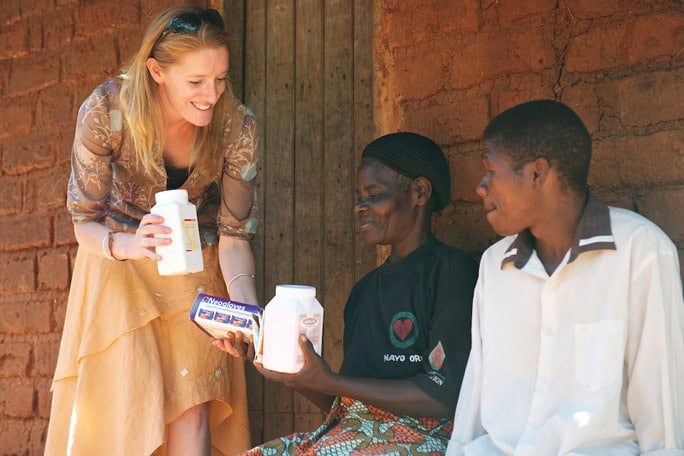
In Madagascar, Malagasy women are over 55 times more likely to die from maternity-related causes than women in the UK (MMR 445 vs 8/100,000, UNICEF/World Bank, 2023). Increasing community awareness of healthy practices during pregnancy and birth can be offered through education of pregnant women, their families and community elders. This may include simple messages such as the importance of good nutrition during pregnancy, with illustrated information cards designed for people who cannot read or write, and home visits.
-
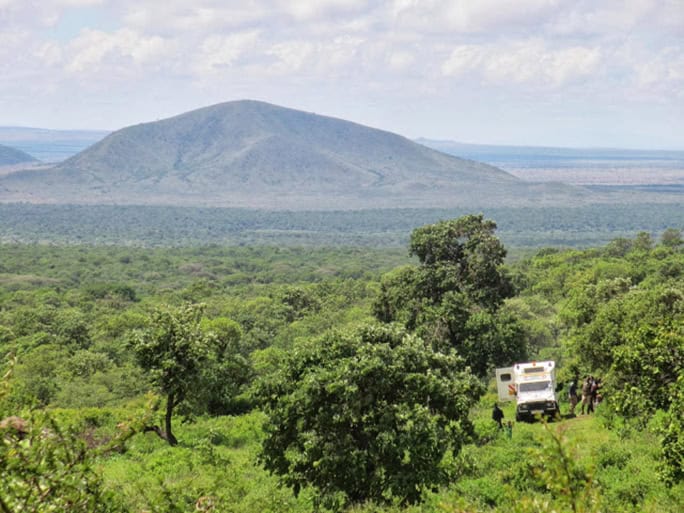
SEED Madagascar’s health education project in Fort Dauphin increases women’s access to quality sexual, reproductive, maternal and child health information.
-
In Kenya, MWCT was donated an ambulance in 2012 – a huge help to expanding the reach of medical capabilities for emergencies in remote villages, for example local Maasai in Kuku Group Ranch, enabling emergency c-sections to be performed where otherwise a mother or baby’s life could in jeopardy.
Sexual Health
Expanding access to modern contraceptives is essential to ensuring universal access to sexual and reproductive health-care services.
Sexual health is often taboo in traditional societies, but high incidence of Sexually Transmitted Infections (STIs) can suggest widespread practice of risk-taking sexual behaviours and high vulnerability to HIV. STIs are unpleasant and embarrassing at the best of times, no one likes having to go and get tested. However, they are a serious health hazard and can increase the chances of contracting HIV, if exposed through sexual contact, by as much as 200%-500%. So, no matter how embarrassing or awkward to discuss testing with a partner, STIs must be taken seriously and action taken as soon as possible. Without having the correct knowledge, people are prevented from openly discussing sexual health matters and the ability to act on it, so STIs and HIV/AIDS will continue to spread. Education is key.
HIV & AIDS
Advances have been negligible since 2015, putting the world off track in achieving the SDG target. That said, globally (UNAIDS):
-
Globally, #7 in 10 adolescent girls and women 15–24 years old do not have knowledge of HIV (UN, 2018).
-
In 2024, approximately 40.8 million people globally were living with HIV.
-
~87% of people living with HIV knew their status, and of those, ~89% were accessing antiretroviral therapy (ART), indicating around 36 million people on ART.l
-
-
1.3 millon people became newly infected with HIV in 2023, down from 1.7 million in 2019.
-
In 2024, ~630,000 people died from AIDS-related illnesses worldwide, a decline due to progress in treatment and prevention (690,000 in 2019).
-
~91.4 million people have become infected with HIV and ~44.1 million people have died from AIDS-related illnesses since the start of the epidemic.
-
Tuberculosis remains the leading cause of death among people living with HIV, around one in three AIDS-related deaths.
-
Gender-based inequalities are faced by adolescent girls and young women: exclusion, discrimination and violence, putting them at increased risk of acquiring HIV.
-
For women of reproductive age worldwide: HIV is the leading cause of death, reflecting high HIV incidence and still-incomplete access to effective treatment and prevention services for women.
-
For adolescents (aged 10–19), AIDS is the leading cause of death in Africa and the second most common cause of death globally.
-
Covid’s 6-month+ complete disruption in HIV services, including antiretroviral therapy, was predicted to lead to more than 500,000 additional deaths in 2020–2021 in sub-Saharan Africa from AIDS-related illnesses, including tuberculosis.
The epidemic varies considerably between countries and regions. Africa remains most severely affected, with nearly 1 in every 25 adults (~4%) living with HIV and accounting for nearly two-thirds of the people living with HIV worldwide (WHO, 2018).
HIV and poverty go hand in hand: Poverty both increases vulnerability to HIV infection, and households affected by HIV are more vulnerable to falling into and remaining in poverty. Poverty-induced hunger leads to a lack of nutrition, and lack of universal health coverage restricts access to HIV prevention and treatment. HIV-related illness impedes school attendance and learning, as does stigma and discrimination, leading to yet lower access to health care and housing. People living with HIV experience unemployment rates three times higher than national unemployment rates. It’s a vicious circle.
In contrast, economic empowerment, safe and secure working and learning environments, social protection and nutritional support can reduce poverty and HIV vulnerability and help keep people with HIV healthy. High-quality education, including on sexual and reproductive health, can empower young people and provide life skills for responsible and informed sexual and reproductive health decisions.
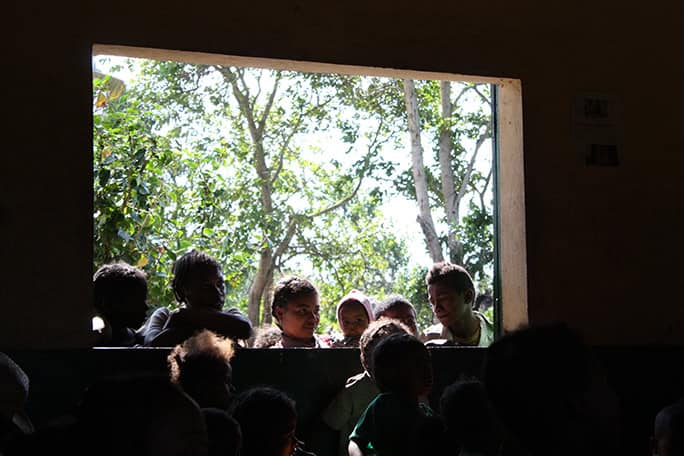
So whilst young people are particularly at risk, they are also quick to pick up new information and more open and willing to change their behaviour than older people. A broad sexual health education can offer the people tools necessary to negotiate safer sexual relationships with the goal of preventing the transmission of HIV and STIs and reducing unintended pregnancies, safe sex, and raising awareness for STIs and HIV. Taking control of sexual health and making healthier life decisions can impact on future generations.
-
SEED Madagascar and Grootbos Foundation work with young people to raise awareness of safe sexual practices and develop their sexual health knowledge prior to the establishment of sexual practices, which can be as young as 11, encouraging behaviour change.
-
In Kenya, MWCT hold regular friendly youth sports tournaments to encourage health education, promotion, awareness and counselling including for Female Genital Mutilation (FGV) and HIV/Aids, including voluntary testing.
Tuberculosis (TB)
Tuberculosis is the world’s top killer from a single infectious agent and among the ten leading cause of death overall.
- In 2023, ~1.25 million people died from TB globally, including about 161,000 people with HIV, surpassing deaths from HIV/AIDS and COVID-19 in recent years.
-
The current pace of progress is not fast enough to meet the SDG target of ending the epidemic by 2030 (WHO)
Malaria
After years of impressive reductions in cases of malaria, progress has stalled, which may lead to the world failing to achieve the SDG target of ending malaria.
- 627,000 cases in 2020, the highest number of malaria deaths in nearly a decade – an increase of about 69,000 deaths compared to 2019 – as the COVID-19 pandemic caused severe disruptions in malaria prevention campaigns, diagnostic, and treatment.
-
~263 million malaria cases worldwide in 2023, an increase from 252 million in 2022 and 226 million in 2015 (WHO, 2024). Malaria deaths were around 597,000 in 2023.
- The vast majority (95%) of malaria cases and deaths still occur in sub-Saharan Africa, with children under 5 years the most affected group, accounting for over 75% of deaths on the continent.
Sanitation & Hygiene
Covid19 has reminded us of the importance of handwashing. Handwashing with soap can also slow down the spread of Ebola, reduce the likelihood of contracting blinding trachoma and prevent life-threatening illnesses such as diarrhoeal diseases, cholera, pneumonia and intestinal worms.
-
Despite progress ~1.4 million deaths annually could be averted with improved access to water, sanitation and hygiene. Many of these deaths are due to diarrheal diseases caused by faecal contamination of water, children under 5 particularly affected.
-
742 million people globally were served by health-care facilities with no water source inside the facility: ~1 in 10 people (9% of the global population); 78% of health-care facilities had no basic water service (2022).
- ~660 million people had no sanitation services at health care facilities, and about 722 million people had no handwashing facilities near points of care.
-
~1/3 of primary schools worldwide still lack basic drinking water, sanitation and hygiene services, directly impacting children’s health, education, and future livelihoods. Girls coping with menstruation are especially affected by these deficits (2024).
In 2022, 75% people worldwide (65% rural areas, 83% urban areas) have access to basic handwashing facilities at home, but still around 2.3 billion people do not, down from an estimated 3 billion in 2017. But, ~700 million people still practice open defecation.
1.8 billion people use a drinking water source that could be contaminated with faeces (UN, 2019).
-
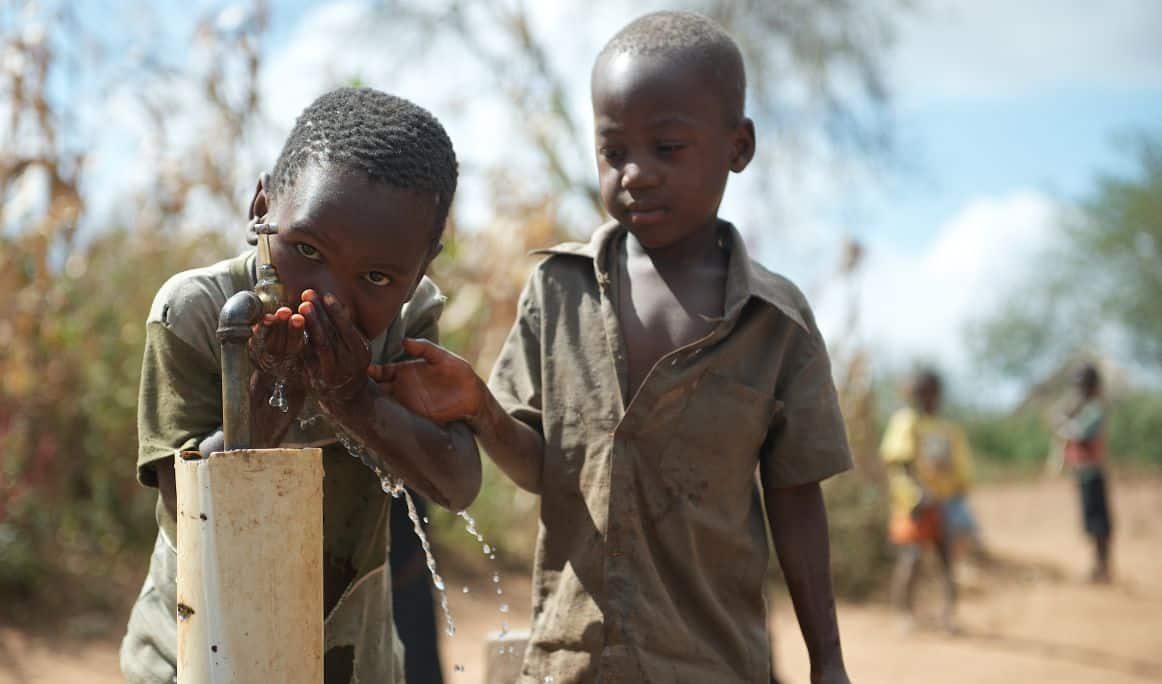
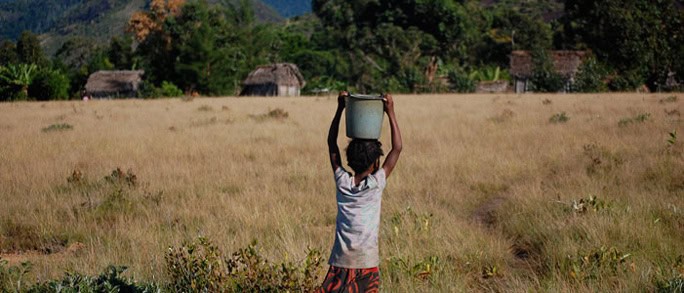
In Malawi, 2 million don’t have access to safe water; 10 million don’t have access to adequate sanitation and over 3,000 children die every year from diarrhoea caused by unsafe water and poor sanitation.
Travel to Malawi and your costs include a contribution to local projects including health. On many of the trips, you can learn about village healthcare provision, clean water access HIV, malaria, bilharzia and malnutrition, work with a community NGO and volunteer to raise awareness of a key rural health issues.
Open defecation occurs where people have no choice but to defecate outside onto the ground, often in view of other people, almost entirely in poor, rural, and marginalized areas, with over 90% of those practicing open defecation living in just a handful of countries, primarily in South Asia (India, Nepal) and Sub-Saharan Africa. It’s unpleasant to live with and bad for public health, attracting flies and pests which transfer germs from exposed faeces to food and water sources, and spread disease.
A single gram of faeces can contain as many as 10 million viruses, 1 million bacteria, 100 parasitic cysts and 100 parasitic eggs (Unicef, 2008). However, a lack of resources coupled with local taboos make this no simple challenge.
- 419 million people worldwide still practice open defecation, ~5% to 6% of the global population. The prevalence has declined significantly from about 20% in 2000, reflecting major progress over two decades.
In Madagascar, poor hygiene leads to typhoid, polio, acute respiratory infections and trachoma blindness. Only ~14%-24% of the population have access to improved or safely managed sanitation facilities, with urban areas slightly better than rural areas, and whilst access to drinking water has improved from 43% (2018) to around 56% (2024), nearly half the population still lacks safe water access.
-
SEED Madagascar is tackling open defecation through projects in urban Fort Dauphin and rural communities to stimulate debate around the issue, encouraging people to question traditional practices and to adopt new, healthier approaches, supported by the construction of hundreds of new latrines built in homes and schools throughout the region. Some 38,000 people (60% of Fort Dauphin’s population) are expected to participate in at least one of the project’s activities and the entire population will benefit from a cleaner, safer environment.
Non-communicable Diseases (not passed person to person)
Of all deaths among people under the age of 70, (referred to as ‘premature deaths’), 52% are from non-communicable diseases: ~18 million. Of those, over 80% are caused by the four main categories of non-communicable disease: cardiovascular disease, cancer, diabetes and chronic respiratory disease (WHO). Every 2 seconds someone aged 30-70 years dies prematurely from non-communicable diseases.
Respiratory disease
is a common consequence of smoke inhalation caused by fossil fuel fires.
-
SEED Madagascar is supporting people to build fuel-efficient stoves to minimise smoke inhalation and eye infections as well as reduce pressure on protected forests.
Substance use and substance-use disorders
have also created a significant public health burden. Worldwide, alcohol consumption was highest in the developed regions, often including parts of Europe and high-income countries (10.4l per person on average), and lowest in Northern Africa (0.5l per person).
In 2013, only about 1 in 6 people worldwide (16-17%) suffering from drug-use disorders received treatment: Approximately 1 in 18 in Africa (5.5%), compared with 1 in 5 (20%) in Western and Central Europe.
Mental health
Around 32% of populations is currently experiencing some form of mental disorder, such as anxiety and depression, in all cultures, with rates worsening in some regions. It can lead to suicide: 86% under the age of 70, and globally the second leading cause of death age 15-29.
Plastic pollution
”It is high time we turn our attention fully to one of the most pressing problems of today – averting the plastic pollution crisis – not only for the health of our planet, but for the wellbeing of people around the world.” – Sir David Attenborough
These are words in Attenborough’s forward in “No Time To Waste”, the first report to highlight the impacts of plastic pollution not just on precious species and natural places but also on the world’s poorest people. The report was produced by the Tearfund development agency, conservation charity Fauna & Flora International and waste management charity WasteAid (2019).
As our ability to produce and use plastic on an industrial scale far outstrips our ability to manage it, plastic chokes up our rivers and seas, and we ship it for payment to poorer countries, where it is causes serious illness and death. Up to a million people die each year in developing countries from diseases related to mismanaged waste, which includes plastic, roughly 1 person every 30 seconds (WasteAid).
According to the World Health Organization, rain collecting in plastic packaging is a ‘notorious’ breeding ground, with mosquitos flies and rats, then spreading malaria and dengue fever.
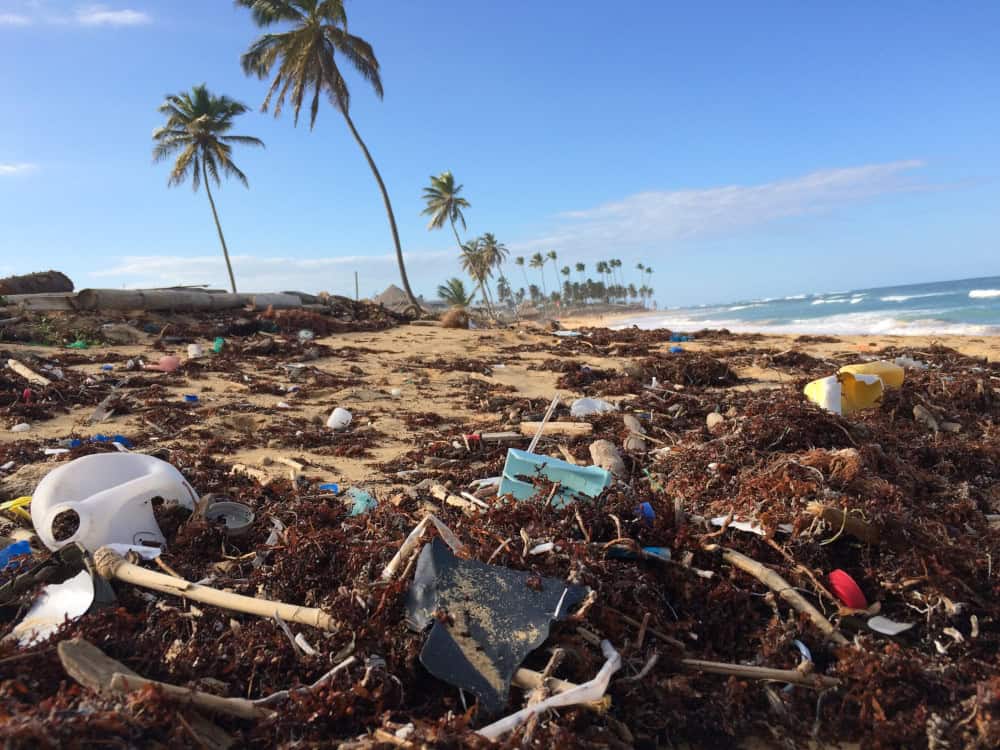
Combined with poor sanitation, people living near rubbish-build-ups are twice as likely to get killer diarrhoea-causing diseases like cholera.
The burning of plastic is also thought to cause ~20% of deaths from air pollution, which kills an estimated 3.7 million people a year, causing heart disease and cancer from the tiny particles such as black carbon, mercury and polychlorinated biphenyls compounds released into the air. Children from Ethiopian slums with uncollected waste have been found to be many times more likely to suffer acute respiratory infections.
It is also damaging farming as goats and cows eat plastic waste, as do wildlife such as albatross and whales, often suffocating or clogging their stomachs and starving to death.
This ‘throwaway culture’ of the west, half or more of plastic used only once before being discarded (only 9% ever recycled), the shipping of our spoils, and the fact that globally two billion people, 25%, don’t have their rubbish collected, is all contributing to this problem.
Planetary Health
An emerging discipline, planetary health looks at the links between human and ecosystem health, including zoonotic diseases such as Ebola and Covid19. Whilst nature and ecosystems pose threats, the health risks in a natural environment can be made much worse by humans. Environmental changes including development that erodes biodiversity influence the probability that humans will be exposed to infectious diseases and transmission of pathogens. Demand for wood, minerals, agriculture and meat leads to degraded landscapes and ecological disruption that drives disease. Our destruction of nature is creating the destruction of our health.
Healthy Lifestyles
Take a trip to one of our fantastic Places and you’ll be supporting their local communities and their wellness initiatives, and not just in their physical health. Healthy activities and sport also play a key role in mental health and attitudes, bringing people together for support and personal development.
“Sport has the power to change the world. It has the power to inspire, it has the power to unite people in a way that little else does. It speaks to youth in a language they understand. Sport can create hope, where once there was only despair. It is more powerful than governments in breaking down racial barriers. It laughs in the face of all types of discrimination.” — Nelson Mandela, at the inaugural Laureus World Sports Lifetime Achievement Awards, 2000, for the first recipient – ‘Pele’.
In Kenya, MWCT hold regular friendly youth sports tournaments to encourage health education, promotion, awareness and counseling including for Female Genital Mutilation (FGV) and HIV/Aids.
Nikoi Island organised the first children’s sports programme on the island of Bintan, their Foundation provides coaching staff, equipment (sold through a village shop on buy back scheme) and ground maintenance.
Our Own Health
To be able to support others, we must not forget our own health.
The accessibility of international flights has been blamed as skin cancer rates have soared overall by 42% in a decade in the UK (BBC, 2024), especially in men and the under 50s. The sun is the primary cause (90%) and skin damage in earlier years can permanently increase cancer risk. But a tan is not a sign of good health, rather it is your body trying to protect itself, and as many as 90% skin cancer cases could be prevented by using simple skin protection.
We can also make lifestyle choices in our own consumption and exercise, which can affect the health of communities half the world away (such as reducing all use of plastics) and in taking breaks for our all-round well-being.

We need to get away from work and daily life, to switch off our stressors, breath in fresh air, relax, retreat and recharge. Spending time in nature is energising, connecting with people is motivating and exercise is revitalising, and can support community health projects, such as our partners’:
-
Detox with organic, local food with out of this world taste; de-stress and be pampered with a spa; retreat, relax and recharge in a hammock in Costa Rica, Nicaragua or Indonesia.
-
Switch off from your usual world and into incredible nature in the amazing Galapagos Islands or Kenya.
-
Avoid the temptation and digital detox and snorkel on Nikoi Island and Chumbe Island.
-
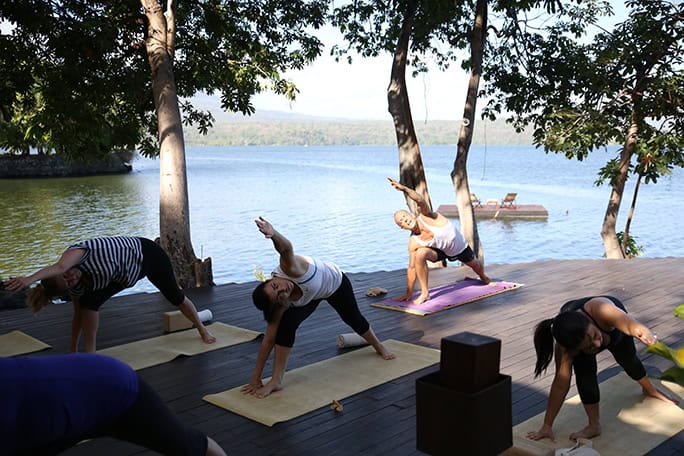
Unwind with yoga in Costa Rica, Nicaragua and Kenya.
-
And often, change is as good as rest: join a sailing expedition across the ocean for a real change of scene.
Discover true health and wellness with all of our Earth Changers Places!
Links with the other Sustainable Development Goals
Goal 1 – End poverty: There is a correlation between income inequality and higher rates of health problems (eg. obesity, mental health),
Goal 2 – Zero hunger: Without enough of the right nutrition, malnutrition results in bad health and disease in a vicious cycle.
Goal 4 – Education: Training of medical professionals and consumer understanding is essential for effective health systems and risks.
Goal 5 – Gender equality: Globally, women face gender-based inequalities, putting them at increased risk of HIV, violence and death.
Goal 6 – Clean water & sanitation: is quite simply a prerequisite for health. Lack of water or sanitation spreads disease.
Goal 7 – Sustainable energy: is required for health services & infrastructure; health and energy access vulnerability often go together.
Goal 8 – Decent work & economic growth: Ill health prevents people working, costing personal livelihoods and local economy.
Goal 10 – Equality & reducing inequalities: High inequality plays out in large disparities in access to health care and services.
Goal 11 – Sustainable cities & communities: Slums have high rates of unsanitary conditions, disease and lack basic health care.
Goal 12 – Sustainable consumption & production will help provide nutrition and eliminate toxic pollutants and support health.
Goal 13 – Climate change: affects agriculture and creates food insecurity leading to malnutrition, ill health and high mortality.
Goal 14 – Life below water: The marine environment is a vital source of protein for diets and fresh air for well-being breaks.
Goal 16 – Peace, justice & strong institutions: Exclusion, injustice and conflict lead to sexual exploitation, ill health, stress and injury.
Goal 17 – Partnerships: Multi-stakeholder partnerships can step in where public funds are not available to support health initiatives