

Worldwide, tourism supports 10% of all jobs: 371 million
Tourism is one of the driving forces of economic growth worldwide. By giving access to decent work opportunities in the tourism sector, society –particularly youth and women – can access and benefit from increased professional development and skills.
For this reason, Goal 8 of the UN 17 Global Goals of the 2030 Agenda for Sustainable Development is:
SDG #8
“Promote sustained, inclusive and sustainable economic growth, full and productive employment and decent work for all.”
 SDG #8
Tourism’s contribution to job creation is particularly recognised in this Global Goal’s Target 8.9 “By 2030, devise and implement policies to promote sustainable tourism that creates jobs and promotes local culture and products”.
Tourism is also a vital contributor to GDP in those most vulnerable employment regions of the world like Sub Saharan Africa, South East Asia and Latin America.
This is more important than ever since the global Covid pandemic, which saw a drop of 80% of the tourism market in 2020 (OECD), with a loss of approximately 53% GDP & jobs: -$4,711 billion & -174.4 million jobs (WTTC).
Sustainable Development Goal 8 Decent Work & Economic Growth: Progress
-
1.6% GDP per capita (projected 2024) after 2015–2019 – averaged 1.8% annually; 2020 fell sharply by 4.1% due to COVID-19; 2021 rebounded to 5.2%; 2022 slowed to 2.2%; 2023 estimated to slow further to 1.4% (UN Stats).
-
5.2% real GDP per capita (2024 projected) in Less Developed Countries. After Covid’s drop to just 0.2% (2020) from 5% (2019), it rose back to 2.8% (2021) then 4.3% (2022), with projection for 4.1% (2023), but these rates still fall short of the SDG target of 7% annual growth for LDCs.
-
~191 million / 5.3% global unemployment rate (2023), falling from a peak of 6.6% (2020) as economies began recovering from COVID-19, lower than pre-pandemic 5.5% (2019); projected to decrease to 5% (UN Stats).
-
The pandemic disproportionately affected women and youth in labour markets, but women experienced a stronger recovery in employment than men. Global youth aged 15–24 unemployment rate is much higher (11.2%, 2025) than the rate for adults aged 25 and above (4.9%, OECD).
-
21.7% / 289 million young people were Not in Education, Employment or Training (NEET) in 2023 (2015 baseline 22.2%): Africa is the region with the highest NEET rates, some countries (eg, Niger, South Africa) above 40%. 28.1% young women (2023) remained more than twice as likely as young men (15.4%) to be NEET.
-
48.7%: Women’s participation in the labour force vs 73% for men (ILO, 2024): a gap of >24% points.
-
16%: The global gender pay gap: women earn 84 cents for every dollar earned by men.
-
58% / 2 billion workers (2022) in informal employment typically negatively impacting social protection, hours, conditions and health and safety (58.6% 2015, 57.8% 2019). Covid caused disproportionate informal job losses, particularly of women, but informal employment also played a role in recovery.
-
89.7% (2022): informal employment in LDCs – no improvement since 2015. Sub-Saharan Africa 87.2%, Central & Southern Asia 84.8%
-
4/5 jobs created in informal employment for women (2022) vs 2/3 for men: Women are more likely than men to enter informal employment, often due to persistent gender barriers and especially pronounced in low- and lower-middle-income countries, where up to 92% of all employed women are in informal jobs.
-
160 million/9.6% children worldwide in child labour globally (2020): A Covid/climate/conflicts increase of 8.4 million (UNICEF & ILO)
-
76% of adults worldwide had an account at a bank, credit union, microfinance institution, or mobile money provider in 2021, up from 62% in 2014. Mobile money accounts grew rapidly from 4% (2017) to 10% (2021): COVID-19 accelerated digital adoption, with many people opening their first accounts to receive wages, government transfers, or pandemic relief payments.
- 2.1%-3% (2024, predicted, UN, IMF, World Bank) down from 1.9% (2023) and 3% (2022).
In Tourism…
-
~174 million jobs lost in travel and tourism globally due to the pandemic (WTTC, 2020) as one of the economic sectors most affected due to unprecedented challenges such as the closure of borders, travel bans and lockdown measures. That’s as many as total global unemployment in 2018: 172 million / 5%!
-
53% loss in tourism contribution to global GDP (2020 vs 2019, WTTC), small recovery 2021 saw contribution to global GDP reach 2.5% vs pre-pandemic 4.2% (2019, regionally varied); in 2022, 7.6% of global GDP ($7.7 trillion); in 2023 9.1% of global GDP ($9.9 trillion) with back to pre-pandemic 10% predicted for 2024 ($11 trillion).
-
US$4.7 trillion loss value of Travel & Tourism in 2020, compared to 2019.
-
-$910 billion-$1.1 trillion drop to $1.2 trillion 2020 (vs 2019) alone in international tourism exports revenues, representing up to a 62% decrease from pre-pandemic levels (UNWTO). 2021 revenues rebounded slightly but remained 59% vs 2019 levels, reaching $761 billion, then$1.25 trillion in 2022 , 34% vs 2019.
-
2%: Travel & tourism’s contribution to global GDP in 2020 and 2021, dropped severely from 10.4% in 2019 due to ongoing pandemic restrictions to mobility recovering slightly in 2022 to 2.5%.
-
The pandemic posed a serious threat to occupational health and safety of workers, informal economy jobs and child labour likelihood.
Challenges of SDG8, Employment & Economy
All over the world, people scrape a living. Keeping them in a cycle of poverty are multiple interlinked issues which need to be considered to break the cycle.
Livelihoods: Impacted by severe weather such as droughts and floods, facing shortages and lack of state support, shocks, trends and seasons can all be unstable and physically exhausting and affect someone’s ability to earn money.
“A livelihood comprises the capabilities, assets (including both material and social resources) and activities required for a means of living. A livelihood is sustainable when it can cope with and recover from stresses and shocks, maintain or enhance its capabilities and assets, while not undermining the natural resource base” — Ian Scoones, International Development Studies
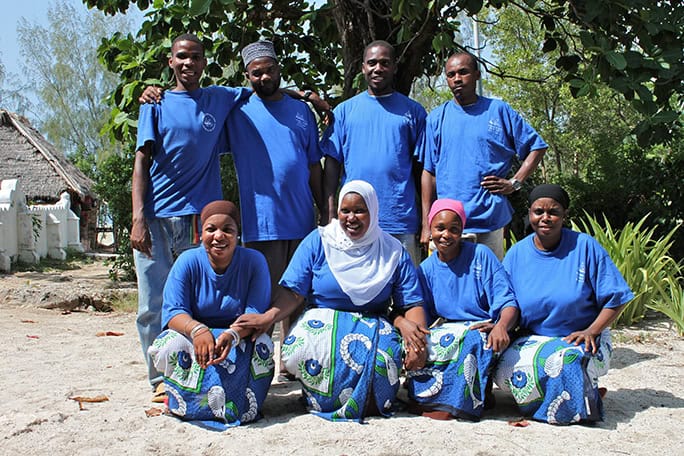
Equality and female empowerment: ‘Full and productive employment and decent work for all’ means including men and women, youth and the less abled, with equal pay for work of equal value. This is not only important for equality, but also greater purchasing power for groups previously unequal in the workplace, leading to economic growth in different sectors to previously.
“Economic growth doesn’t mean anything if it leaves people out” – Jack Kemp
Fair pay and employment rights: Fundamental to ending poverty but also of key importance these days to business reputation and consumer attitude.
Hunger: Working in agriculture and fishing, people struggle to make earn enough money from their subsistence farming to feed themselves and their families.
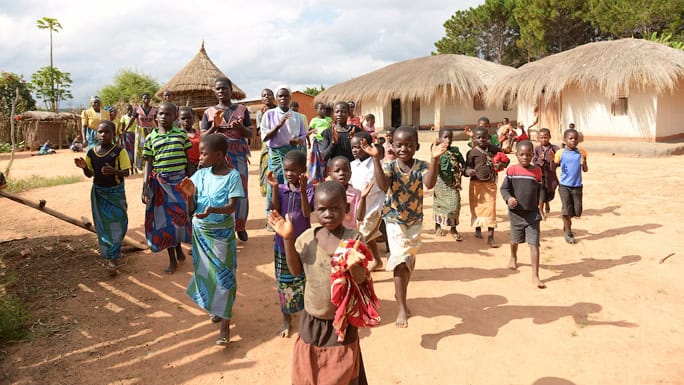
Health and well-being: Sick days don’t exist in rural farming communities – if you can’t work, you don’t get paid and then you can’t feed your family. Then they get sick too. Very quickly, illnesses very treatable in the West can have huge repercussions for people’s health in impoverished areas: not washing hands can lead to diarrhoea; no money or access to medicine to chronic dehydration, malnutrition and even death.
Work-related disease or workplace injuries can cost also business in lost productivity and talent. A lack of employment and poor health are highly interlinked, also with lack of education and gender equality, resulting in a cycle that keeps people in poverty.
Education: Child labour limits their education, and can lead to increased vulnerability and poorer job prospects (ILO). Youths aged 15-24 have also been particularly hit since the start of the global crisis in 2008.

Human rights: The world needs to eradicate unsustainable unethical workplace practices: forced labour, modern slavery, human trafficking and child labour. Policies also need to be in place for health and safety to prevent workplace disease and accidents, and support safe and secure environments for all workers and labour rights.
Conservation: A livelihood is not sustainable if it undermines the natural resource base. However, conservation can prove a challenge too, at times at odds with local needs, because to protect the environment you also need to consider the people who depend on those resources on a daily basis.
Location: Alternative places can sometimes offer jobs where ‘home’ does not, so lead to urban migration. However, this may not make for sustainable cities, with infrastructure and resources unable to support a burgeoning population, nor is it sustainable for remote rural areas which face a ‘brain drain’ and risk losing their culture in the process.
Eco-Economic De-Coupling: This goal calls for ‘sustainable economic growth’, but is that a contradiction? Decoupling’ refers to breaking the link between “economic goods” and “environmental bads”. It refers to an economy that would be able to sustain economic growth while reducing the amount of resources such as water or fossil fuels, so without and delinking corresponding increases in negative environmental impact. ‘Sustainable economic growth’ is ‘green growth’.
What’s it got to do with Tourism?
Creating decent jobs is a fundamental way tourism can generate economic value to support growth and sustainable development, linked to export revenues, enterprise and infrastructure development that provide tourism benefits to a much wider range of indirect beneficiaries. Tourism reaches into all corners of countries, enabling people throughout to be supported by the livelihoods it offers.
The UN World Tourism Organisation and World Travel and Tourism Council publish international tourism data regularly which shows how tourism has experienced continued development to become one of the largest and fastest-growing economic sectors in the world.
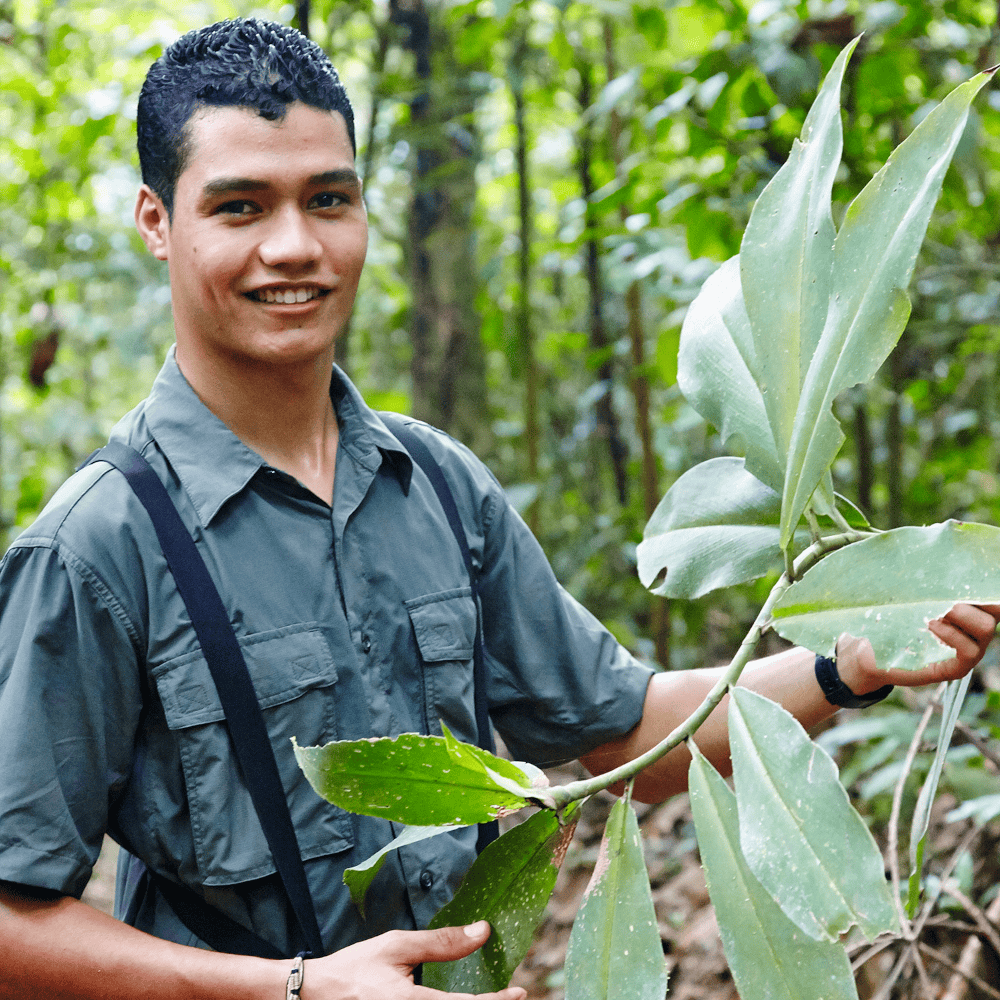
The economic impact of travel & tourism is (usually) huge (WTTC, 2019):
-
348-357 million jobs, 10% total global employment, surpassing pre-pandemic levels (2024)
-
1 in 4 of all new jobs created are in tourism.
-
US $9.5 trillion / 9.2% of world GDP, just 5% below the 2019 peak, includes wider impacts from investment, supply chain & induced income.
-
$1.36 trillion international visitor spending, still recovering ($1.1 trillion (2022, still 40% below 2019’s $1.7 trillion, accounting for 6.8% of total exports and 27.4% of global services export)
-
3.5% growth: Out-performing wider economy growth (2.5%) for 9 years (2019)
-
3rd fastest growing sector in the world, behind Information & Communications (4.8%) and Financial Services (3.7%) but ahead of Healthcare (3%), Retail and Wholesale (2.4%), Agriculture (2.3%), Construction (2.1%) and Manufacturing (1.7%) (2019).
-
58% (2023) of the EU tourism workforce are women, 50% globally, much higher than the economy-wide average of 36%.
-
A higher share of youth workers than the overall economy.
The UN World Tourism Organisation reported (2019) that travel and tourism in 2018 represented:
-
7% of total world exports
-
29% of total global service exports
Tourism is incredibly important in particular to many developing countries, ranking as the top export sector. This brings many jobs, throughout a country (compared to, for example, extractive industries where jobs are geographically intensely focused), importantly spreading the indirect benefits of tourism widely.
North America historically makes the largest GDP contribution through tourism, followed by North East Asia and Europe.
Pre-Covid, some of the fastest-emerging tourism destinations were also found in North East Asia, as well as Central, South and South East Asia, and the Middle East: Market share of emerging economies has been increasing and was expected to reach 57% by 2030, equivalent to over 1 billion international tourist arrivals.
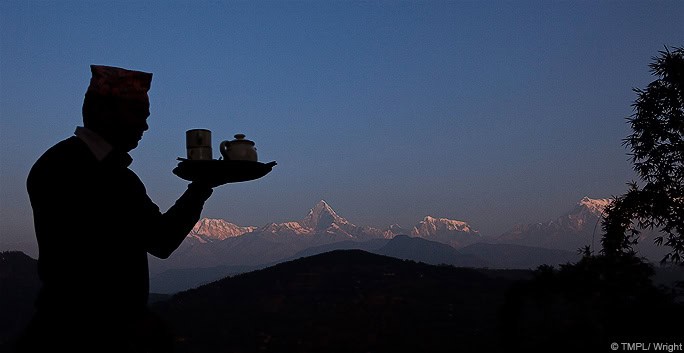
However, negative events can have an adverse effect on destinations, though tourism can recover well and relatively quickly, thankfully for those whose livelihoods depend on tourism in these destinations. But it also raises alarms over negative impacts, such contributing to climate change, and dependency.
As UNWTO Secretary-General Taleb Rifai said,
“As we celebrate 2017 as the International Year of Sustainable Tourism for Development, we welcome the continued development of tourism and recall that with growth comes increased responsibility to ensure tourism can contribute to sustainability in all its three pillars – economic, social and environmental. Growth is never the enemy and it is our responsibility to manage it in a sustainable manner”.
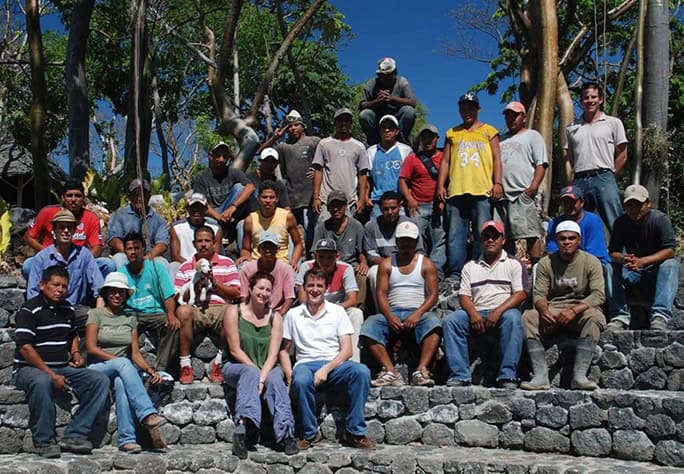
How can tourism help solve unemployment problems?
Tourism is expected to generate
- By 2029 more than 11.5% of the world’s GDP and 11.7% of jobs
- By 2035 $16.5 trillion at 11.5% of global GDP, and 460 million jobs, about one in every eight.
- 25% of all new jobs (WTTC, UNWTO)
Work opportunities in tourism, particularly for youth and women, not only provide income and livelihoods, but also increased benefits in professional development and transferable skills to help support other challenges in life.
Tourism can offer jobs in construction, hospitality, management, finance, IT, marketing, guiding, well-being, entertainment and onwards in the supply chain for décor, energy, food and beverages, linens, cleaning, florists, gardening…
Organisations can choose to do this responsibly, ethically and sustainably.
Small and medium-sized enterprises (SMEs)
play a key role in job creation, providing two thirds of jobs in developing countries and up to 80% in low income countries, as well as being an important source of innovation and creativity. Access to financial services and micro-finance is key.
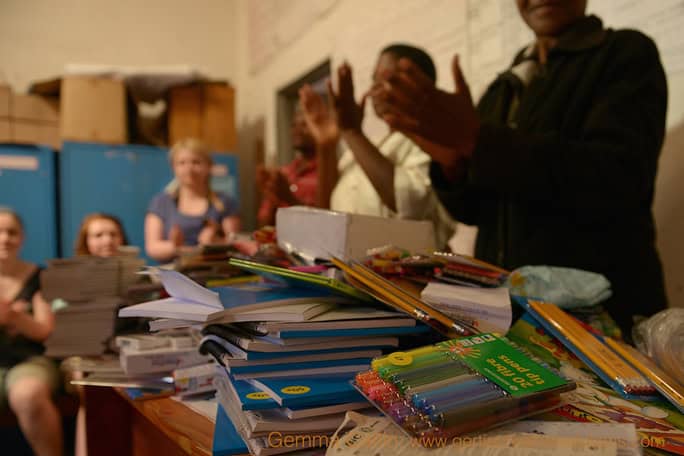
Community-led or Community-based tourism
supports local livelihoods, brings empowerment to local people and enables them to share benefits of tourism.
-
This was the reasoning behind Village Ways in India: In a beautiful part of the Indian Himalayas, where traditional life had been sustained for centuries, out-migration threatened the very existence of the beautiful stone-built villages. Now, tourism helps sustain the people, villages and culture, running alongside to support, but not displace, traditional rural livelihoods.
-
In Floreana in the Galapagos this means local islanders get tourism’s positive, not just be affected by its negative, impacts.
Women’s empowerment can also support sustainable development:
-
In Malawi take part in a village banking initiative which aims to empower women by offering small village financed loans and education projects.
Sustainable livelihoods
In Madagascar, 83.2% of households are farmers (2018 census) – their average annual income rose from $415.67 in 2014 to $478.04 in 2021 (African Development Fund). The average salary (for all workers, not just agricultural) in Madagascar is estimated at 2,150,000 Ariary (approx. $484). Gender inequality remains a significant challenge in Madagascar, especially in rural and agricultural sectors, with women continuing to face barriers to land ownership, credit, and economic participation. The country ranked 120th out of 128 countries listed on the Women’s Economic Opportunity Index (Economist Intelligence Unit, 2012).
-
SEED Madagascar works to develop business opportunities for local people, providing them income and skills that can be passed on to future generations.
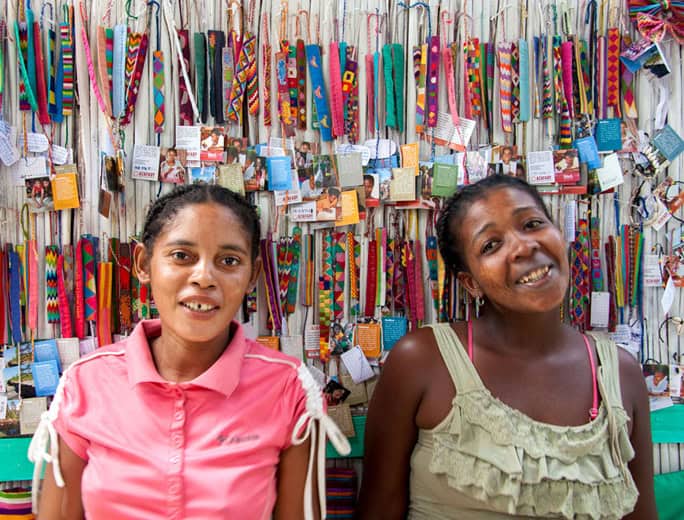
Its Stitch Sainte Luce project, now a thriving independent business, trains women in producing and selling high quality embroidered products, language and business skills to provide a sustainable livelihood. The products take inspiration from the diverse local wildlife and environment, linking consumer demand to local desire for conservation. As a result, the women are buying better food for their families, going to the doctor more often, and sending their children to school. With true community spirit, they are also financially supporting others in the village – an average of 11 extra people per woman.
For the men, lobster fishing is core income generating activity for 80% of households. The lobster fishing project Oratsimba aims to have a positive impact on sustainable lobster stocks through No Take rules. This creates sustainable livelihoods, directly supporting 850 fishermen and impacting the lives of 4,250 people dependent on fishing income, and so helps hunger and health.
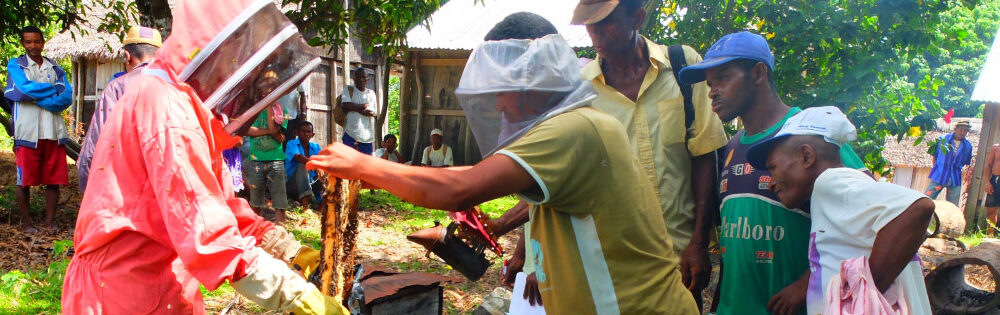
Bee-keeping training, which creates a valuable income stream, reduces pressure on natural resources, and actively supports biodiversity conservation.
Further projects for rural livelihoods can also help with health and nutrition, such as teaching the importance of hygiene, construction of latrines and sanitation, distributing fuel-efficient stoves and fruit trees.
Cultural identity
can also help support and preserve livelihoods
-
At Nikoi Island in Indonesia, The Island Foundation established a retail brand (Kura Kura) to help sell traditional arts and crafts, such as by the indigenous Orang Laut community.
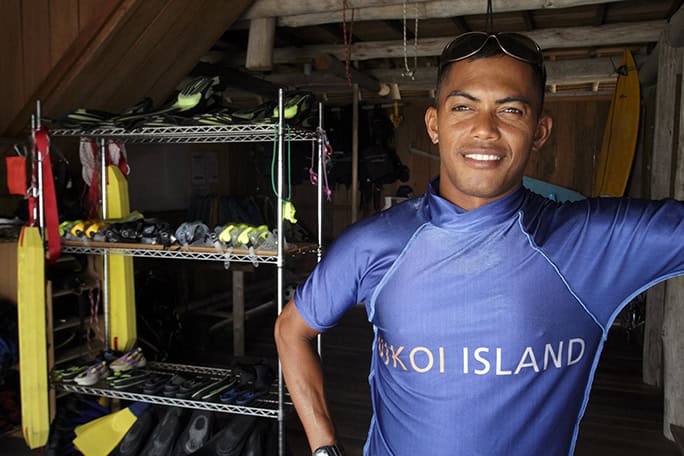
It’s also helped establish several local businesses, such as car hire and alang-alang (ylang ylang) supplier for grass roofs, beneficial to the community, operations and guests, with financial support.
Training in tourism
and associated skills to overcome livelihood challenges can also mean significant lifestyle changes:
-
At Nikoi Island, there is great investment in staff training, whether it be rock climbing, scuba, sailing, windsurfing, tennis, cooking, wine, mixology, first aid and massage, its resulting high staff retention and loyalty translates to experienced staff and great guest experience.

-
In South Africa, Grootbos Private Nature Reserve have developed their Green Futures College offering a formal course in horticulture, guiding and hospitality since 2003, giving vocational skills to community youth to enable change to their lives. Every year, most students find employment, 40% with the lodge itself, and a few get the opportunity of a lifetime as they head to work at the renowned tourist attraction, the Eden Project, in Cornwall, UK.
In addition, Grootbos’ organic farm Siyakhula, meaning ‘growing the future’ provides entrepreneurship and enterprise development skills and income for women from the nearby township, as well as supporting food security.
-
When Chumbe Island Coral Park was set up, local fishermen’s livelihoods were integrated with illegal over-fishing and dynamite-fishing, decimating the coral and marine life, the very attraction the place. The only way to change behaviour was to ensure a win-win of sharing the benefits of marine conservation ecotourism by offering livelihoods through which they could gain more than illegal fishing, with greater longevity.
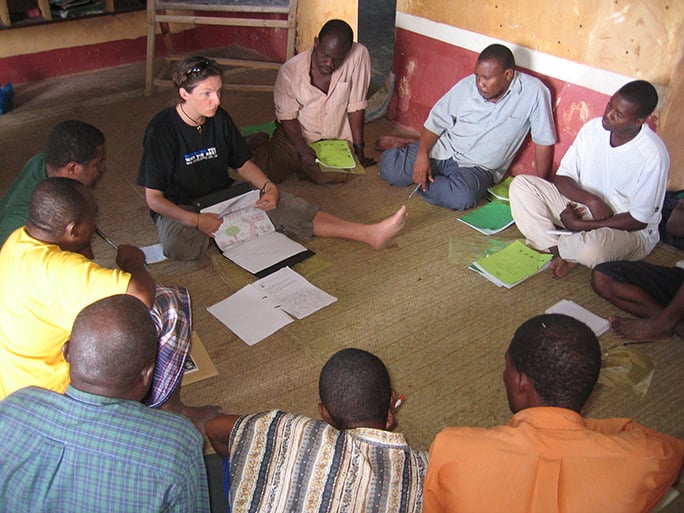
First, education was required to create awareness about and value of corals.
Then, a no-take zone of no-fishing, no-anchorage implemented: not easy for local fishermen to agree, until they witnessed the beneficial ‘spill-over effect’ of the fish nursery created on the area outside its zone. With that, they got more harvest and respected the park’s rules.
Finally, the island trained fishermen to be guides, teaching language and on-the-job skills to help educate the fishermen on ecotourism, providing capacity building, jobs and sustainable income, with the locals becoming powerful guardians and advocates of their natural resources.
Education
Many of Earth Changers’ Places appreciate the importance of supporting education in their localities, for communities to gain skills for better jobs in the future and as a long term empowerment tool. They help with construction of schools, provision of equipment, bursaries for students, and finance for teachers’ salaries, for example at in Costa Rica, Nicaragua and through the The Maasai Wilderness Conservation Trust in Kenya.
But education doesn’t just include schools and colleges for local communities.
-
Tiger Mountain Pokhara Lodge educate staff in sustainability and responsible tourism. They also make the important point of educating tourists not to give directly to local children, which would encourage begging and skipping school.
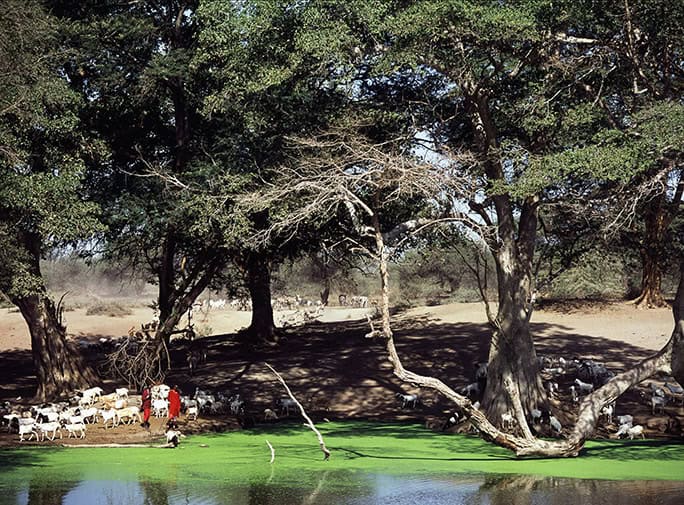
Conservation education is also important in areas of ecotourism, such as where human-wildlife conflict exists.
-
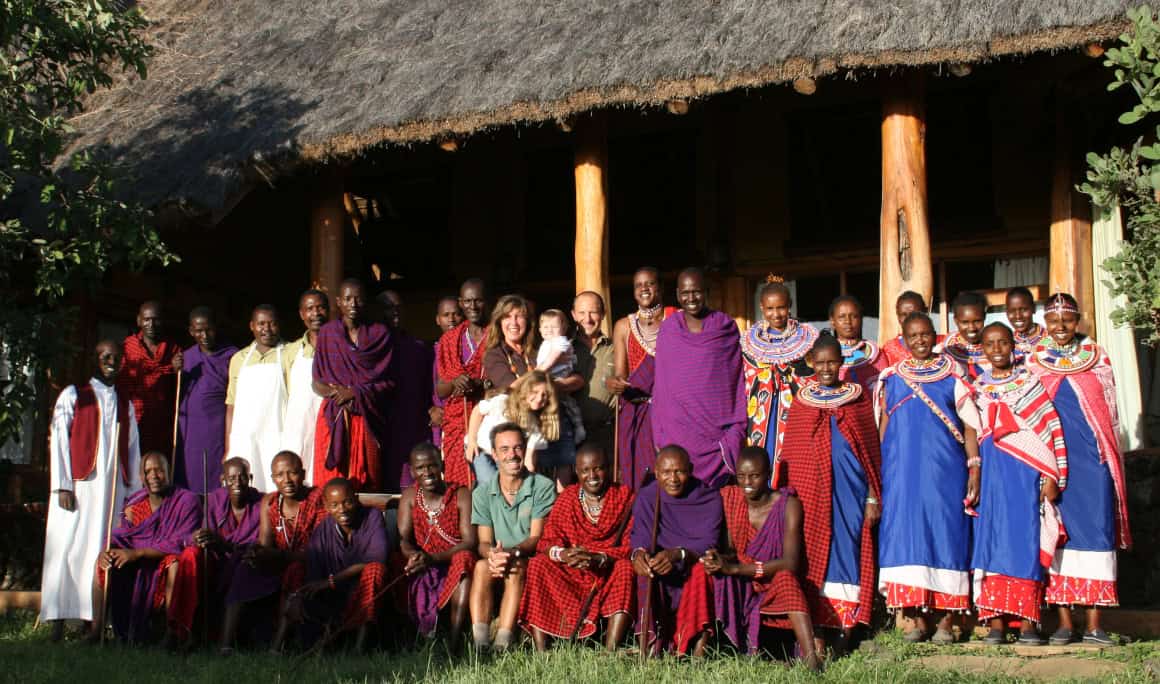
The Maasai have hundreds of years history as pastoralists, protecting their cattle by eliminating threat from wildlife. Campi ya Kanzi’s innovative ‘Wildlife Pays’ program incentivises the Maasai herders for good behaviour of not killing wildlife, by rigorously assessing and fairly compensating for claims for livestock killed, to a maximum quarterly budget, fully funded by its nightly Payment for Ecosystem Services (PES) conservation fee.
Additional local livelihood support for local communities comes through the first REDD+ Carbon Project for Maasai communities: a UN climate change mitigation program through active forest / deforestation / degradation protection.
Health livelihoods
and facilities are also supported by tourism incomes:
-
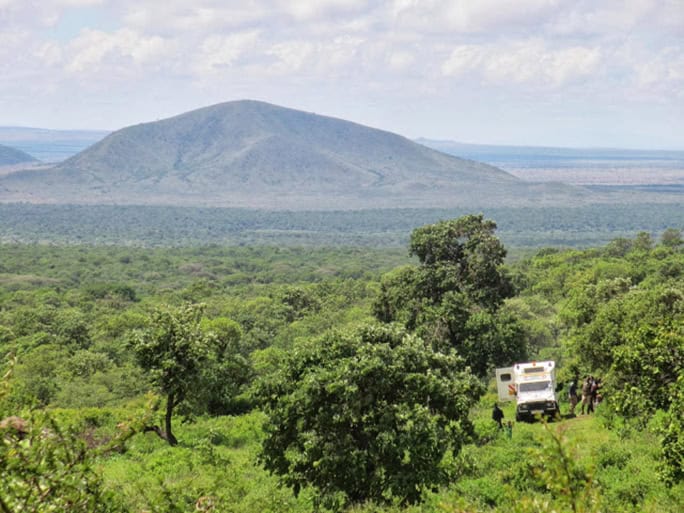
In Kenya, MWCT supports the Maasai with employment of the only doctor and provision of the only ambulance in the area.
This enables outreach to remote areas for greater child immunisation, prenatal care, early disease detection and treatment for cancers.
Human rights
Responsible business will protect human rights in operations and supply chains, essential to a motivated workforce and good reputation.
-
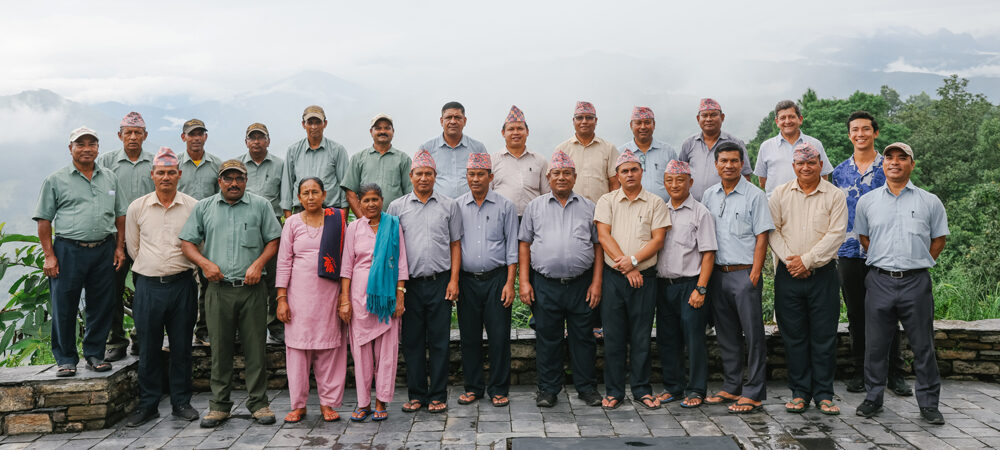
At Tiger Mountain Pokhara Lodge, the majority of the staff formed part of the original workforce who built the lodge; They value and invest in the staff as a key asset, their employment practices far exceed any Nepali legislative requirements: with priority recruitment for locals, women and the disadvantaged; free board and lodging; monthly payments, bonus and equally shared tips.
As a consequence, 97% of the staff have been with the lodge over 8 years, of vital importance to local tone and success of the tourism product.
Links with the other Sustainable Development Goals
Livelihoods and employment are core to the major challenges the world faces, and key to travel and tourism and inter-link heavily with these other global goals:
Goal 1 – End poverty: Decent, fairly paid, secure employment lifts people out of poverty.
Goal 2 – Zero hunger: Supporting subsistence farmers to be able to feed themselves and their families will significantly contribute to employment and income in many developing countries.
Goal 3 – Health & well-being: Ill health prevents people working, costing personal livelihoods and local economy.
Goal 4 – Quality education: Knowledge and skills development equip people for sustainable employment.
Goal 5 – Gender equality: will never be achieved unless woman have equal access, rights and opportunities for work and income.
Goal 6 – Clean water & sanitation: Without which, ill health may result, impacting working, income and economy.
Goal 7 – Affordable & clean energy: can empower work places and so work where lack of energy access previously prevented.
Goal 9 – Industry, innovation & infrastructure: can support inclusive & sustainable economic growth, full & productive employment.
Goal 10 – Reduced inequalities: By supporting equal opportunities in employment, in recruitment, pay and promotion, businesses reduce inequalities and their implications.
Goal 11 – Sustainable cities & communities: require decent work and economy to sustain themselves.
Goal 12 – Responsible production & consumption: links to target 8.1, “endeavour to decouple economic growth from environmental degradation”.
Goal 13 – Climate change: Economic growth will have to be “carbon neutral” to address both livelihoods and climate concerns.
Goal 14 – Life below water: Much of the human world lives around marine environments. Sustainable fisheries, aquaculture and tourism will be important to create jobs, particularly in small island developing states and the least developed countries.
Goal 15 – Life on land: Employment and economy are vital to our wildlife: not only does it fund conservation, but it also detracts from additional poaching or other destructive or exploitative practices in which local people engage often out of economic necessity.
Goal 16 – Peace and justice: Unemployment is strongly associated with political instability, particularly with youth. Regeneration, employment and income are vital to post-conflict situations for supporting stability, socio-economic growth and sustainable peace.
Goal 17 – Partnerships for the Goals: No one can deliver economic growth alone; partnerships enable supply chains and employment.