


We are a signatory of the Glasgow Declaration on Climate Action in Tourism and Tourism Declares Climate Emergency, working to decarbonise the tourism sector with our Climate Declaration. Travellers can also make lower impact choices to limit footprints: Top 10 Tips on How to Reduce Your Carbon Impact In Travel – & Should You Carbon Offset?
Can we limit global warming rises to 1.5 degrees by 2030?
Scientific advice suggests current targets could still put the world on track for +3.2°C of warming on pre-industrial levels by 2100, with far deeper cuts needed to bridge the gap between the emissions targets set in the 2015 Paris Agreement to limit to +1.5°C, and current ambitions – necessitating a tripling of action.
Emissions have risen 5-6% since the Paris Accord, now ~60% higher annually than in 1990: the climate crisis is intensifying and occurring faster and than previously anticipated and countries are failing to keep pace with spending required to adapt to its effects. The Covid-19 pandemic significantly negatively affected adaptation spending (Carbon Brief, BBC, UNEPCCC)
To limit warming to 1.5°C, global net CO2 emissions must drop by 7.6% a year 2020 to 2030, roughly halving global GreenHouse Gas (GHG) emissions by 2030 compared to 2010 or 2019 levels, to reach net zero around 2050 (UNEP). For perspective, during Covid global lockdown in 2020, annual global emissions dropped 5–6.5% compared to 2019.
Concerted action is urgently needed to stem climate change and strengthen resilience to pervasive and increasing climate-related hazards the world is already witnessing, such as drought, bushfires, destruction and death of people and species.
Thus Goal 13 of the UN 17 Global Goals of the 2030 Agenda for Sustainable Development is:
SDG #13
“Take urgent action to combat climate change and its impacts”
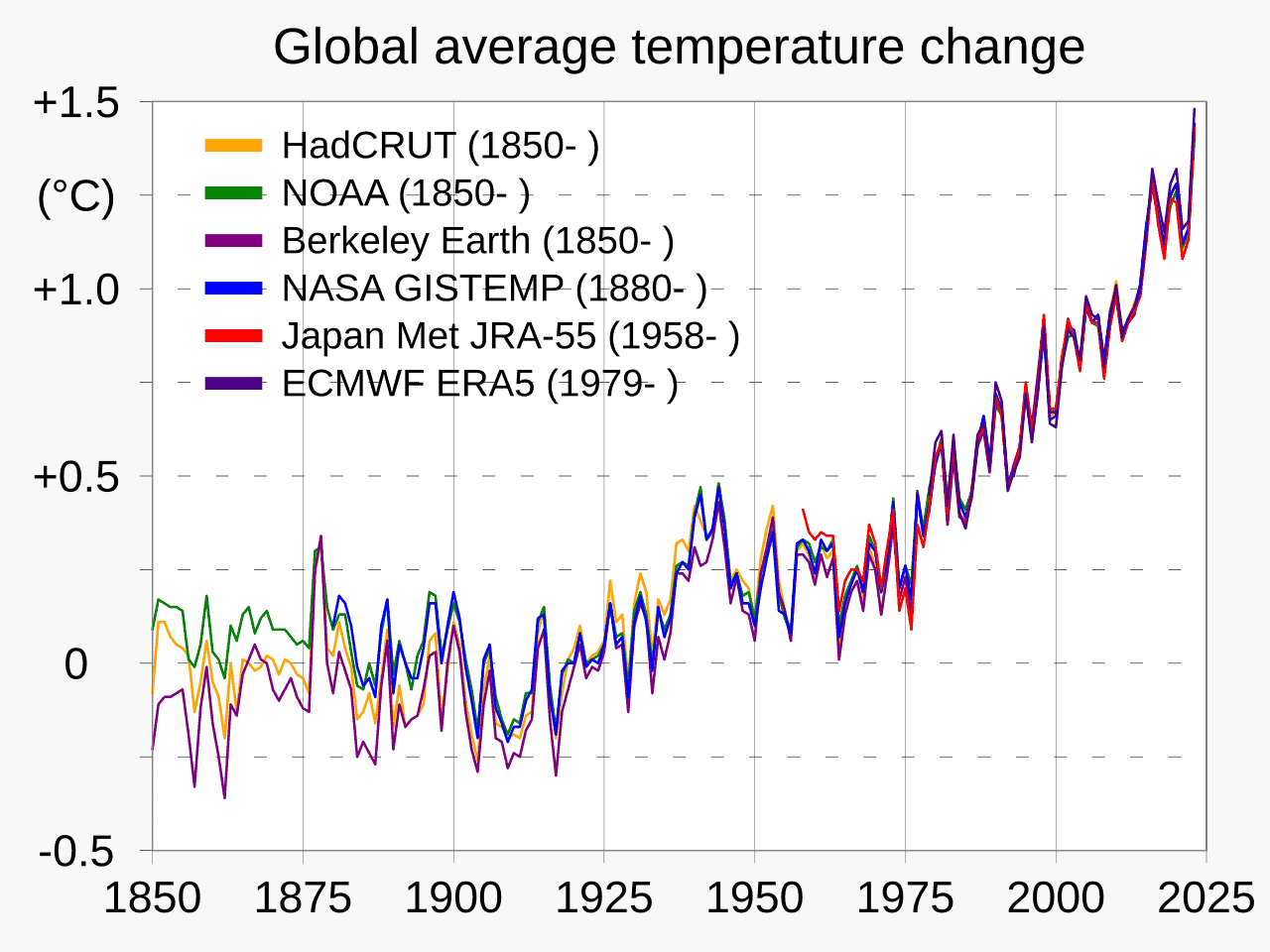
Human-caused global warming was already at least 1.1°C above pre-industrial levels by 2016 and 2019, and has continued to rise since then (NOAA). Whilst the difference from 1.5°C to 2°C may not sound like much, it makes a huge difference: 10cm in sea levels for starters, meaning impacts for 10 million people, species and habitats exposed to risks of flooding from rising seas. At 1.5°C, 14% of the population will be exposed to heatwaves every 5 years versus 37% at 2°C, with its associated issues such as ocean acidity‘s impact on reef loss 70% vs 99%. At 1.5°C, 50% less population will be exposed to water stress than at 2°C, with the food scarcity and climate-poverty that brings, with vital pollinating insects twice as likely to lose half their habitat (BBC, World Resources Institute, European Geosciences, Reuters).
“Even if we succeed in limiting warming to 1.5°C, this would not be a ‘safe’ level of warming for the world… Therefore we must focus on cutting global emissions to net zero as soon as possible. We know the transition to a net zero economy is the growth story of the 21st century.” — Bob Ward, Grantham Research Institute on Climate Change at the London School of Economics.
The World Economic Forum’s Global Risks Report, published January 2020 for the next decade, found the top five dangers were all environmental, including (1) extreme weather, (2) failure to prepare for climate change, (4) biodiversity loss and ecosystem collapse, and (5) human-made environmental disasters.
Climate change is affecting every country on every continent, the poorest and vulnerable the most, with rising temperatures, sea and extreme weather events (91% climate-related) affecting lives and livelihoods (UN).
“We are currently way off track to meeting either the 1.5°C or 2°C targets that the Paris Agreement calls for.” — Antonio Guterres, UN Secretary General, March 2020
Progress on Sustainable Development Goal 13 Climate Change?
While instrumental temperature records stretch back to 1850, data from ice cores indicate that temperatures last seen 115,000-130,000 years ago have returned only recently.
-
As of February 2023, 194 states plus the EU (over 98% of global greenhouse gas emissions) have ratified or acceded to the Paris Agreement, communicated their first Nationally Determined Contributions to the UNFCCC and most submitting at least a second NDC as required by the Paris Agreement’s five-year cycle.
-
At least 120 of the 153 developing countries had undertaken activities to formulate and implement National adaptation plans as of 2019 (funding provided by the Green Climate Fund and the Least Developed Countries Fund).
-
As of 2025, the 10 warmest years on record are the last 10, 2015–2024, with 2023 and 2024 the hottest years ever recorded (World Meteorological Organization).
-
January 2025 was the warmest January on record globally, with global average temperatures +1.75°C above pre-industrial levels (Copernicus Climate Change Service, World Meteorological Organization).
-
2024 was the hottest year on record, and many months from mid-2023-2024 set new monthly records for global average temperature (WMO).
-
2019: The highest levels of CO2 and other GHGs recorded in the atmosphere.
-
2019: 2nd warmest year for air and sea, the latter where 90% of heat trapped by GHG emissions is absorbed.
-
2018: 60 million people affected by natural disasters including floods 35.4 million, storms 12.8 million, drought 9.3 million, plus wildfires, hurricanes, exacerbated by climate change. This continues to rise.
-
1998-2017, direct economic losses from disasters totalled US$2.9 trillion, including climate-related $2.25 trillion, or 77% of the total; including geophysical disasters, these killed 1.3 million people and left 4.4 billion people injured, homeless, displaced, needing emergency assistance. (UNDRR, Reliefweb, UNCCD).
-
2016: the year of the joint-lowest extent of global sea ice on record – 4.14 million square kilometres (UN Stats).
-
The 2010’s: the hottest decade since records began 150 ago.
-
Since 1880: +20-25cm sea level rise projected to +28-120cm by 2100 (IPCC, 2021).
-
2000 onwards: Global greenhouse gas emissions of developed countries and economies in transition (eg. Eastern Europe and former Soviet states) stabilised or declined thanks to improved energy efficiency, a shift from coal to gas and renewables, and economic restructuring – but not enough to offset rapid growth in…
-
2000 onwards: Developing countries drive the increase in GHGs, now accounting for the majority annually, largely due to increased industrialization and enhanced economic growth/GDP – especially in China, India, and Southeast Asia. China’s emissions more than doubled (2000-2013), becoming the world’s largest emitter.
-
As of 2023, 110 countries have local governments that adopt and implement Disaster Risk Reduction strategies in line with national strategies and the Sendai Framework, aligned with the 2030 Agenda of the SDGs including the Paris Agreement, reporting substantial progress in 2025.
-
2023: For the first time, global investment in clean energy ($1.7 trillion) surpassed fossil fuels ($1 trillion). However, in some regions and sectors beyond energy (e.g., transport, agriculture), climate-aligned investment still lags behind.
-
By 2030: US$26 trillion: economic benefits that could be triggered by bold action (UNFCC) including over 65 million new low-carbon jobs, with sustainable energy sector alone accounting for at least 18 million new jobs.
What is Climate Change?
Energy received from the Sun and lost to space determines the Earth’s equilibrium temperature and climate; energy distributed around the globe, such as by winds and ocean currents, affects climates of different regions.
Climate change refers to statistical difference in long-term weather conditions’ patterns. Most often, it refers to man-made (‘anthropogenic’) climate change, ‘global warming’: ongoing temperature rises scientifically-proven since the 1950s, with the likely dominant cause human activity rather than any of the Earth’s natural processes. (Intergovernmental Panel on Climate Change, 2013).
The IPCC was established in 1988 by the World Meteorological Organization (WMO) and the United Nations Environment Programme (UNEP) to assess scientific and socio-economic information concerning climate change, its potential effects and options for adaptation and mitigation.
What are greenhouse gases?
Human activity emits greenhouse gases (water vapour, carbon dioxide, methane, nitrous oxide and ozone), so-called as these gases absorb and emit radiation, creating a ‘greenhouse effect’ of keeping and increasing the energy in the Earth’s atmosphere.
Greenhouse gases have risen since the beginning of the Industrial Revolution (1740s/50s), from human activities, creating an increase in atmospheric carbon dioxide, largely from burning fossil fuels (mostly coal, oil and natural gas), and from deforestation, soil erosion and animal agriculture.
-
Malawi deforestation rates annually are amongst the highest in southern Africa, exacerbating food and water insecurity through erosion of soil and its fertility, intensifying environmental and climate threats.
Greenhouse gases remain in the atmosphere for a long time as the climate system has a large ‘inertia’ delay, slowness or resistance between a change taking place and its results being felt: ‘Committed warming’ effects may persist beyond emissions not only for years or decades, but even centuries. Presently, the committed warming greenhouse gases will likely warm Earth beyond the limits in Paris agreement, perhaps over 2°C above pre-industrial levels. Even if we stabilise the global climate at the +1.5C threshold, extreme impacts will continue to increase in frequency at least a hundred years, such as thermal expansion sea level rise & permafrost thaw releasing CO2.
Greenhouse gas emissions are at their highest levels in history. Just 100 companies – including big fossil fuel companies – are responsible for estimated 71% of GHG emissions since 1988 (2017), and just 20 firms behind one third of all CO2 and methane emissions since 1965. This should place a large responsibility on the companies, who have known the impacts for decades, but have avoided ‘polluter pays’ principles, and blamed the consumer.
Climate Change impacts
Climate change caused by greenhouse gas emissions is already having serious consequences.
Weather: Warming global temperatures, changing precipitation, increased humidity and more frequent extreme El Nino and other weather events such as heat waves, droughts, heavy rainfall with floods and heavy snowfall are causing environments to change, and will occur more often and with greater intensity as long as humans continue increasing greenhouse gases in the atmosphere.
Environment: Glaciers, sea ice and carbon-containing permafrost are melting, letting out methane, a greenhouse gas 28-36 times more potent than carbon dioxide over 100 years; permanent drought is leading to greater desertification and land degradation; the oceans are warming, sea levels rising and populated areas abandoned. Parts of the Earth will likely become close to uninhabitable, or horrifically inhospitable.
Agriculture: Extreme weather accounts for strong fluctuations in annual yields of wheat, a crop which supplies roughly 20% of all dietary calories worldwide, rice (21%) and maize (~6%). As the planet warms, food production falls, and demand increases, pushing up prices and increasing hunger and malnutrtion.
Biodiversity: Then there’s species extinctions, and ocean acidification: UNESCO’s first global scientific assessment of climate change impacts on World Heritage coral reefs, such as The Great Barrier Reef in Australia, warmer waters and coral bleaching is recognised as a global problem requiring global, not local, solutions.
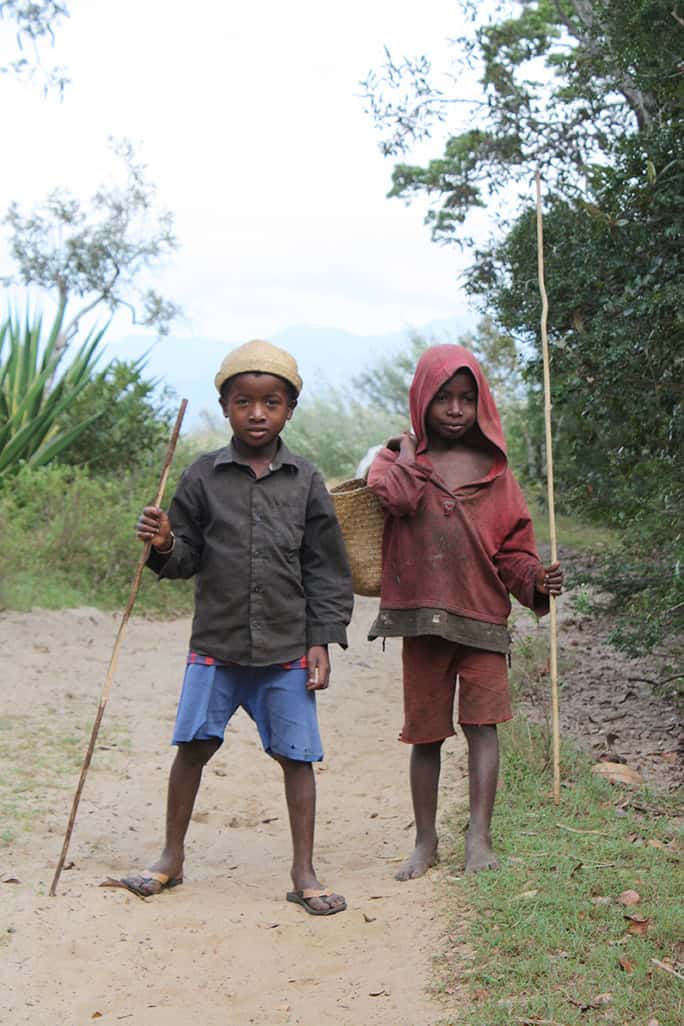
Madagascar is one of the top three countries considered most vulnerable to the effects of climate change, with frequent and severe erratic weather patterns with droughts and cyclones which impact heavily on the Malagasy people. Most work in subsistence agriculture: ~60% live in rural areas, with limited education, secure food sources, adequate nourishment, water and sanitation, leading to disease and high child mortality and disease.
People: Average annual temperatures of 15 – 20s°C are ideal for human health and food production. Around 30% of the world’s population and ~13% of land area is already exposed to climatic conditions of dangerous extreme heat (29°C+) and humidity exceeding a deadly threshold for at least 20 days a year.
By 2100, these percentages are projected to increase to between 48%, with drastic reductions of GHGs, and 74% of world population and 47% of the land area, if emissions grow (Nature Climate Change, 2017). Even limiting to the Paris Agreement levels, nearly 50% of the human population will be impacted, largely focused between the tropics. At +3°C global warming, 30% of the world’s population would live in extreme heat all the time.
Within 50 years, areas currently home to a third of the world’s population will be as hot as currently found in only 0.8% of the Earth’s land surface, in the hottest parts of the Sahara. Even in the most optimistic outlook, 1.2 billion people will fall outside the comfortable “climate niche” in which humans have thrived for at least 6,000 years, then live in insufferable heat.
Disasters: Increasingly, people are dying in geo-physical natural disasters (UNDP). Smaller-scale disasters with less than 100 deaths also show a statistically significant trend of increasing mortality. Disaster mortality reflects not only exposure to hazards, but also a confluence of other vulnerability factors, underlying risks responsible for most morbidity: poor urban management, environmental degradation, lack of disaster preparedness, poverty and inequality, affecting low-income households, communities, small businesses and food security disproportionally. An increased focus on disaster risk reduction is a prudent investment for saving lives, eg. using The Sendai Framework.
Disease: World Health Organisation and DARA International (an independent non-profit organisation committed to improving the quality and effectiveness of humanitarian action for vulnerable populations affected by armed conflict and natural disasters) research shows that the highest climate-related mortality is due to malnutrition (hunger), diarrheal diseases, and malaria in a +1°C warmer world – all exacerbated by higher temperatures, water and food insecurity. DARA says that by far the most vulnerable group are infants under the age of 1 year. WHO projects between 2030 and 2050, climate change will cause ~250,000 additional deaths per year, including communicable diseases that above all affect children in developing countries, causing more spread and suffering before death, but this does not include all climate-related deaths eg. from extreme weather events, air pollution).
Even frozen diseases can potentially emerge from ice humans have never been exposed to before, our immune systems woefully unprepared to deal with “prehistoric plagues” (Huffington Post).
Conflict: Warmer temperatures will also bring about more wars. Forced human migration is already at unprecedented levels due to social unrest and economic upheaval. By 2050, 1.2 billion people living in 31 countries that are not sufficiently resilient to withstand ecological threats (water scarcity, food insecurity, natural disasters) could be displaced. 19 countries facing the highest number of threats are among the world’s 40 least peaceful countries (IEP, 2020).
By 2100, 4-72 million residents could be forced from their homes inland due to coastal flooding and sea level rise, creating fewer places to go and a refugee crisis, all the while growing hungrier, thirstier, and more irritable with the heat. Every half-degree of warming could lead to a 10 to 20% increase in the chance of armed conflict. Regional climate impacts jeopardize global security. And if climate refugees flock to cities, increasing urban sprawl into land once used to farm food, cities could lose the ability to feed inflated populations.
Ecological threats pose serious challenges to global peace. 141 countries face at least one ecological threat by 2050, with sub-Saharan Africa, South Asia, the Middle East and North Africa the regions facing the largest number (Institute for Economics & Peace (IEP) Ecological Threat Register (ETR), 2020).
Climate change is as much a social issue as it is environmental.
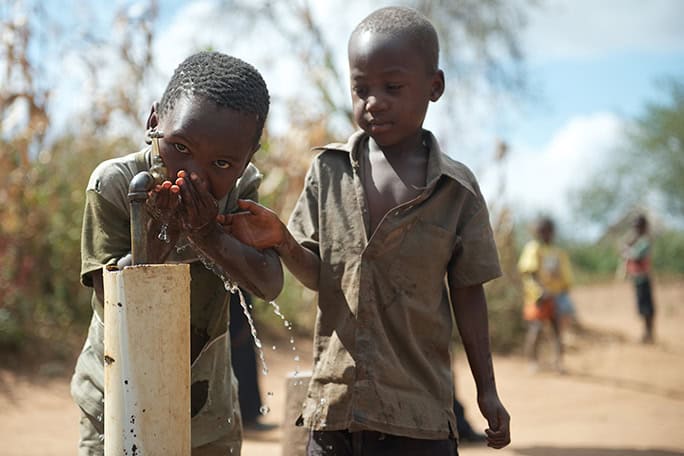
Climate change’s widespread, unprecedented effects disproportionately burden the most poor and vulnerable, such as those in agriculture employment and poverty; lack adaptation opportunity; migration and disease affecting the most marginalised groups, children, women and the elderly.
-
Learn about climate change in Malawi. Designed to follow Future Earth’s model of sustainable development, Global Development Workshops cover Environment and the interaction with health, education, water and sanitation, and sustainable practices.
Climate Change is the world’s most feared security threat. Can we survive as a species?
Climate Change forecasts
Climate model projections summarized in the IPCC Sixth Assessment Report (AR6, 2021-22) indicate the 21st century global surface temperature is likely to rise between +1.0°C-1.8°C under very low emissions and +3.3°C-5.7°C under very high emissions. This data is recognised by the national science academies of the major industrialized nations and undisputed by any scientific body of national or international standing.
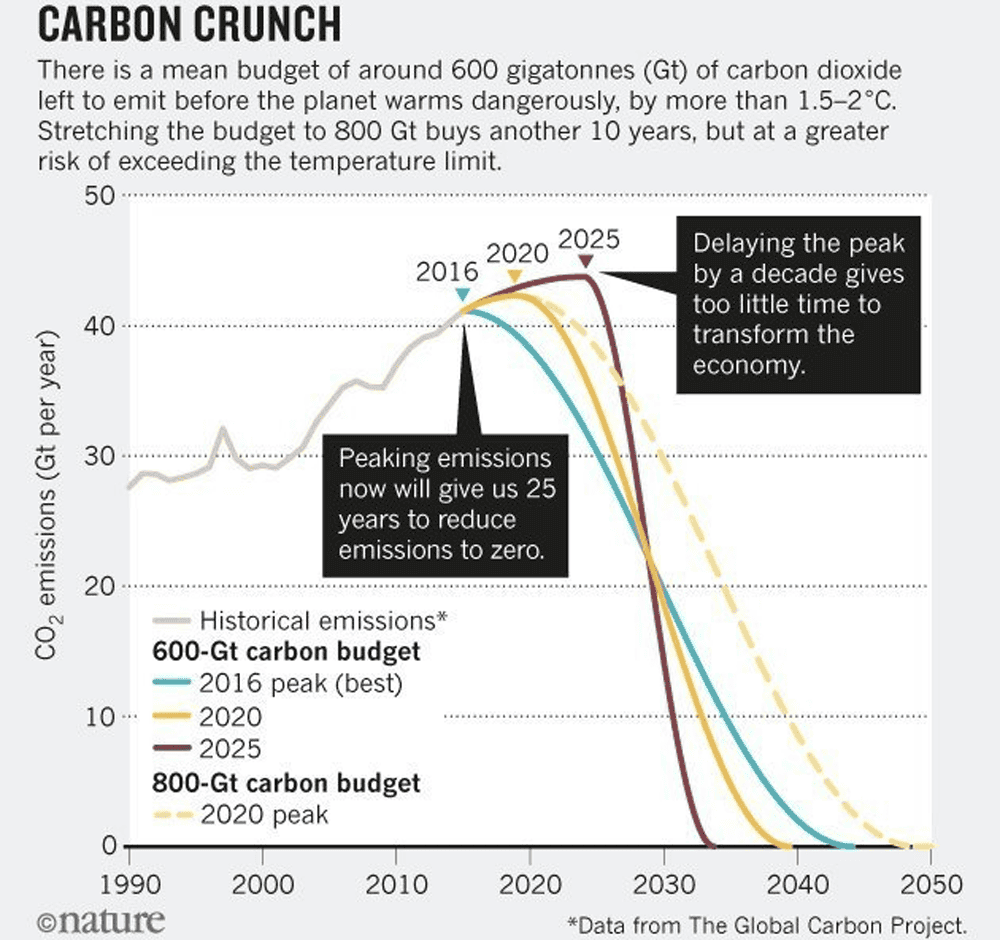
The planet can probably only emit about 250 billion tons of CO2 into the atmosphere for a 50% chance of limiting warming to 1.5°C (current target), or 1,200 billion tonnes to 2°C (IPCC, AR6).
Mission 2020 predicted the world had until 2020 for emissions to begin the fall to avoid the worst effects of climate change and keep the planet from warming beyond the safe limit of 2°C, the level agreed by the international community. The world is now off track to stay below +2°C of warming. Without much stronger action, global warming is “likely” to exceed 1.5°C and is projected to reach around 3.2°C by 2100 under current policies (IPCC).
How can we change Climate Change?
There are 3 main strategies to be pursued
1. Mitigation, to reduce the magnitude or rate of climate change, by
– Reducing sources of greenhouse gas emissions, such as phasing out fossil fuels, replacing with more efficient and renewable low carbon energy sources, and changing the way we produce food and manage land.
– Enhancing the sinks that accumulate and store gases: oceans, peat bogs and forests, removing carbon from the atmosphere, enabling it to stabilise to allow ecosystems to adapt naturally to climate change and not threaten food production and enable sustainable development.
-
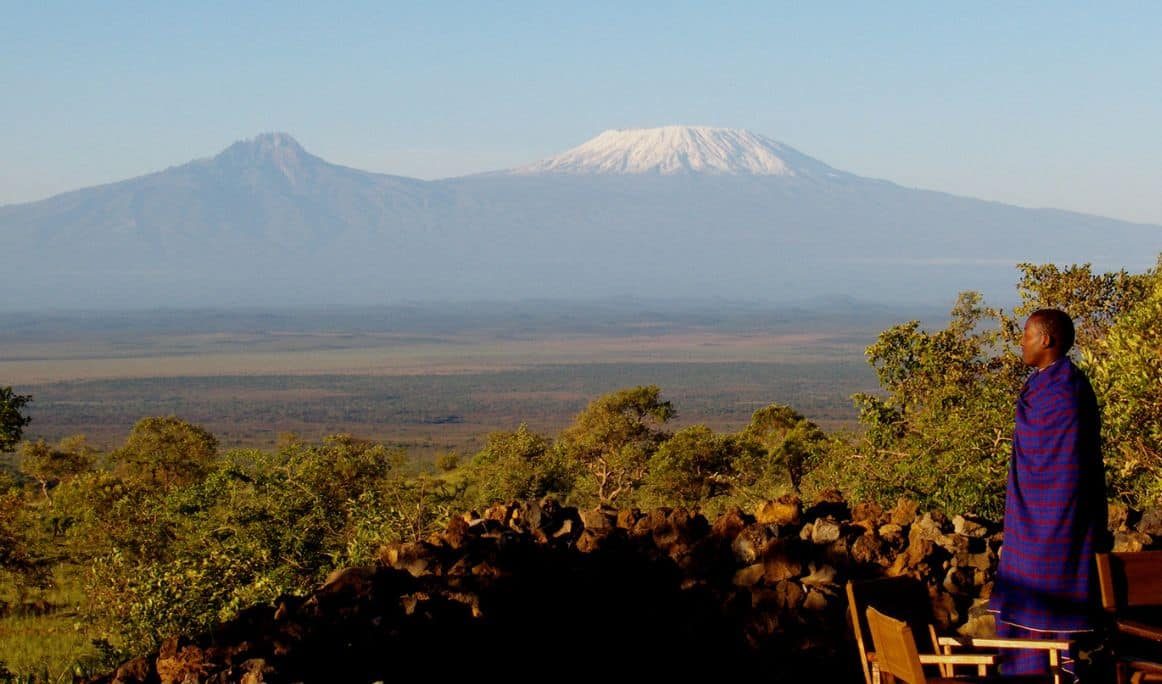
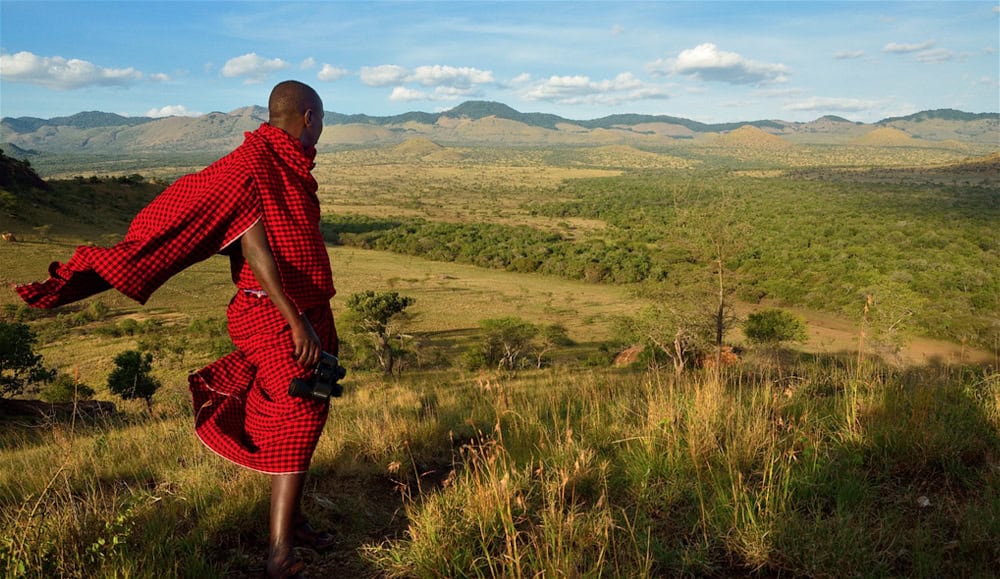
Go to Campi ya Kanzi in Kenya, see and support The first REDD+ Carbon Project for Maasai communities, part of the broader Chyulu Hills REDD+ Carbon Project, a UN climate change mitigation strategy through biodiversity and active forest / deforestation / degradation protection and alternative livelihoods for local communities. It’s a 30 year project between 9 organisation partnerships under the Verified Carbon Standard (VCS) and Climate, Community and Biodiversity (CCB) standards, which protects and manages 1,000,000 acres (about 404,700 ha) of forest and rangeland in southern Kenya, aiming to prevent the release of around 37 million metric tons of CO₂ emissions over its 30-year lifespan. The first carbon credits sale was to Tiffany&Co.
However, even with significant mitigation, due to climate inertia lag, even the most effective reductions in emissions would not prevent further climate change impacts, so adaptation is unavoidable (Klein et al., 2007).
2. Adaptation to climate change effects seeks to reduce the vulnerability of social and biological systems to relatively sudden change and thus offset the effects of global warming. The adaptation challenge grows with the magnitude and the rate of climate change.
With the climate inertia lag, adaptation is required even if emissions are under control, but global progress on is far too slow and underfunded to meet the escalating risks, especially as climate impacts intensify and intersect with ongoing crises such as the COVID-19 pandemic, economic shocks, and geopolitical instability (UNEP Adaptation Gap Reports, 2023 & 2024). Adaptation finance needs are 10–18 times greater than current flows and Only about half of countries have adaptation plans that are being implemented, all the while Climate impacts are accelerating;
“We are not saying we can adapt our way out of climate change, but failing to invest in adaptation will be catastrophic. The poorest and most vulnerable—both in wealthy and developing countries—will pay the highest price.” – Inger Andersen, Executive Director, UN Environment Programme (2023)
Adaptation is especially important in developing countries, which are predicted to bear the brunt of the developed world’s greater emissions and global warming effects, but they generally have less capacity to adapt. Capacity to adapt is linked strongly to social and economic development (IPCC, 2007), the cost of it likely to be billions of dollars per year for decades.
Donor countries promised an annual $100 billion by 2020 through the Green Climate Fund to help developing countries adapt but cumulative pledges of only about $10.6 billion received for its second replenishment (2024–2027). Technology, education, infrastructure, access to resources and management is required, along with acceptance of climate change’s existence, and the consequent need for sociopolitical will and action. By March 2025, the GCF had only disbursed $5.2 billion to projects.
Adaption measures include resilient technologies and materials such as for flooding, heat tolerance, rainwater storage, green roofs, raising street levels and building differently, even relocating populations as has been seen with some small island states. Nature-based solutions should be prioritised, as among the most cost-effective, to reduce GHGs and support jobs too: planting trees to act as carbon sinks and natural flood barriers; restoring mangrove swamps as buffers against coastal storms and sea level rises; halting the destruction of coral reefs; re-wetting bogs and wetlands; and allowing areas of degraded land to regenerate naturally.
Adaptation may be spontaneous, without government intervention, or indeed carefully planned, in anticipation of or reaction to climate change:
-
The Caribbean island of Dominica had a high vulnerability to weather and climate related disasters impacting livelihoods, destroying infrastructure and disrupting the provision of essential services. After Hurricane Maria in September 2017, which destroyed 90% of housing stock, 100% crops, and damaged all health centers, essential infrastructure and residents’ lives, citing research by the UN World Meteorological Organization, UN Secretary-General António Guterres said natural disasters had tripled, while the economic damaged caused by them has increased five-fold. This resulted in a vision to become the first climate-resilient nation,
“Our devastation is so complete that our recovery has to be total. And so we have a unique opportunity to be an example to the world, an example of how an entire nation rebounds from disaster and how an entire nation can be climate resilient for the future.” – Dominica’s Prime Minister Roosevelt Skerrit.
Some have suggested that activities that enhance adaptive capacity are essentially equivalent to activities that promote sustainable development: Reducing poverty, reducing inequities, and gender inequality, improving education, infrastructure, access to and efficient utilisation of resources, indigenous practices and increased agency by local people. (Smit et al. 2001, ODI)
3. Climate engineering (or geoengineering or climate intervention) is the deliberate large-scale intervention of the climate system, such as through solar radiation management and carbon dioxide removal, but has so far been shown to be ineffective or could have potentially severe side effects.
Climate Change international cooperation: IPCC, UNFCC, Kyoto & Paris Agreements
In 2014, the Intergovernmental Panel on Climate Change determined climate change mitigation a case of the ‘Tragedy of the commons‘ – it would not be achieved if responsibility were left to individual (people, institution or countries) actions, inherently independent in self-interests – suggesting the need for committed collective action.
In existence from 1992 was the United Nations Framework Convention on Climate Change (UNFCCC), an international environmental treaty signed at the Earth Summit in Rio de Janeiro, and ratified by a sufficient number of countries to enter into force in 1994. Its objective to “stabilize greenhouse gas concentrations in the atmosphere at a level that would prevent dangerous anthropogenic interference with the climate system” based on the scientific consensus that global warming is occurring and extremely likely that human-made CO2 emissions have predominantly caused it.
The framework sets forth non-binding limits on greenhouse gas emissions for individual countries. It contains no enforcement mechanisms, rather outlines how specific international treaties (“protocols”) may be negotiated to specify further action towards the objective.
The Kyoto Protocol extended the UNFCCC, adopted in 1997 and entered into force in 2005, with 192 countries. The Protocol’s first commitment period started in 2008 and ended in 2012. A second phase was agreed on in 2012, known as the ‘Doha Amendment’, in which 36 (industrialised) countries had binding targets, ending 2020.
Negotiations in the annual Conference of the Parties (COP) led to the 2015 adoption at COP21 by consensus of the Paris Agreement (or ‘Paris Climate Accord’), whose commitments started in 2020.
Under the Paris Agreement, each country determines, plans and regularly reports its own contribution to mitigate global warming. All parties were required to submit Nationally Determined Contributions (NDCs) by 2020 and every 5 years thereafter, with more ambitious targets.
Under President Trump, the USA filed its first to withdraw at the earliest possible date, on November 4, 2019. After a one-year period, on 4 November, 2020, the U.S. formally withdrew from the Agreement, coincidentally the day following the 2020 U.S. presidential election, which Biden won, signing an executive order to rejoin the Agreement on 20 January, 2021, his first day in office; the US rejoined on 19 February, 2021, 107 days after withdrawal. On January 20, 2025, shortly after his second inauguration, President Trump signed an executive order to withdraw the United States from the Paris agreement for a second time.
Emissions trading
A common method countries utilise to meet their climate obligations is emissions trading. A number of Emissions Trading Schemes (ETS) have been, or are planned to be, implemented around the world, the bulk currently constituting carbon emissions trading. A country with more emissions can purchase the right to emit more and the country with less emissions can trade their right to emit with other countries. But then, greater emitters do not bear the full brunt of their emissions’ cost: external costs affect the welfare of others, people in the future, and the natural environment worldwide, and the fairness and value of that is unclear.
In Europe, The EU Emissions Trading Scheme (EU ETS) is the European Union’s climate change policy tool, to help industries cut their CO2 emissions in a cost-effective way. Launched in 2005, it was the first large greenhouse gas emissions trading scheme in the world, and remains the world’s largest carbon market. It covers around 10,000 power and manufacturing installations in all EU member states plus Iceland, Norway and Liechtenstein, covering about 40% EU greenhouse gas emissions. After Brexit, the UK launched its own Emissions Trading Scheme (UK ETS) starting January 1, 2021, which applies to After Brexit, the UK launched its own Emissions Trading Scheme (UK ETS) starting January 1, 2021, which applies to energy-intensive industries, the power generation sector, and aviation— closely mirroring the EU ETS at launch, though with differences related to flights and future evolution.
Under the ‘cap and trade‘ principle, a maximum (cap) is set on the total amount of greenhouse gases that can be emitted by installations. “Allowances” for emissions are then auctioned off or allocated for free, and can subsequently be traded: Installations must monitor and report their CO2 emissions, ensuring they hand in enough allowances to the authorities to cover their emissions, able to buy them from others. If emission exceeds what is permitted by its allowances, an installation is heavily fined. Conversely, if an installation has performed well at reducing its emissions, it can sell its leftover credits. The limited number means they hold a value, and the cap is reduced over time. This enables the system to find the most cost-effective ways of reducing emissions without significant government intervention. When the EU ETS was first implemented in 2005, the proposed cap for 2020 was set to achieve a 21% reduction in greenhouse gas emissions compared to 2005 levels; in 2023, a revised Directive aims for a 62% reduction in emissions by 2030 compared to 2005 levels, includes maritime transport from 2024 and phases out free allowances for aviation by 2026, reflecting the EU’s increased climate ambition eg. the European Green Deal.
Airlines Emissions Trading
Aviation was incorporated into the EU Emissions Trading System (EU ETS) in 2012, initially covering intra-EEA flights and flights from the EEA to Switzerland, not intercontinental flights.
Under the EU ETS, all airlines operating these flights—European and non-European alike—are required to monitor, report and verify their emissions, and to surrender allowances for those emissions each year.
Since 2024, the EU has begun phasing out free allowances for airlines, to be will be fully eliminated by 2026, after which airlines must purchase allowances for all their covered emissions. The EU may expand the scope to include flights departing the EEA to other regions after a review in 2026.
Additionally, the EU ETS now provides financial support for the uptake of sustainable aviation fuels, with special incentives for flights serving small islands, small airports, and outermost regions
What has climate change got to do with tourism?
For tourism, climate change is not a remote event. Climate and tourism are inextricably linked. Whether it’s the snow required for wintersports or warmth desired on a Caribbean island, weather and its impact on an environment and sense of place are often key to visitors’ destination choices, experiences and spending. As such, tourism is key to a destination’s future, as often its most viable and sustainable economic development option, and a countries’ main source of foreign exchange earnings, especially vital for many of the world’s poverty-stricken Least Developed Countries.
Climate change impacts such as retreating glaciers, desertification, rising sea levels, deforestation, biodiversity decline, water shortages and infectious diseases hurt a tourism economy and destinations.
Changing destination demand patterns will significantly affect host countries’ communities, and other linked sectors, such as food, culture, construction and handicrafts, affecting economy, employment and poverty. (UNWTO)
Yet tourism also contributes to greenhouse gases, global warming and climate change. So it is in the sector’s own interest to play a leading role in the global response. So how can tourism and climate change co-exist and for mutual benefits?
In future decades, while demand may switch away from over-heating southerly destinations to more northern temperate zones, to actually reduce climate change, tourism and tourists need to mitigate and reduce the carbon greenhouse gas emissions and effects of tourism growth. Responsible businesses who acknowledge and genuinely address these issues facilitate opportunity to mitigate and reduce carbon footprints.
What is tourism’s climate change footprint?
Tourism as a whole was thought to contribute around 5-6% of global greenhouse gas emissions; three quarters (4% total) from transport, including 40% (2.5% total) from aviation, and 32% (1.5% total) from cars; 21% (1% total) from accommodation, the rest from activities (UNWTO-UNEP-WMO, 2008).
In 2018 however, a study on The Carbon Footprint of Global Tourism said that global tourism accounts for 8% of carbon emissions, a higher figure as it analysed the energy needed to support the tourism system, including all food, beverage, infrastructure, construction and maintenance as well as retail services that tourists enjoy such as in hotels, shopping and souvenirs. However it does not include (still unknown) non-CO2 effects from aviation, nor tourism’s emissions growth rate of 3.5% per year from 2009–2019, outpacing by double that of the global economy, so that by 2019, tourism accounted for 8.8%–9% of total global greenhouse gas emissions, with a Covid-19 pandemic temporary dip to 6.5% in 2023 (WTTC).
Regarding aviation on its own, the IPCC has estimated it is responsible for around 3.5% of human-created climate change when including both CO₂ and non-CO₂ effects (such as contrails and nitrogen oxides); the European Comission has estimated 3% within Europe and 2% globally, and the International Air Transport Association (IATA) has estimated 2%, focusing only on direct CO₂, not total climate impact. As a developed island nation, the UK figure is as high as 7.3% for CO2 only (Gatwick Airport, 2021)
The USA, prior to Trump opting out of the Paris Climate Agreement, was responsible for ~20-2%5 of global passenger aviation emissions (ICCT, 2019)
Carbon Consumption & Personal Choices
The IPCC found increases were driven by visitors from affluent countries who travel to other wealthy destinations. In leading countries such as US, China, Germany and India, much travel is domestic; where as travellers from Canada, Switzerland, the Netherlands and Denmark exert a much higher carbon footprint elsewhere than in their own countries. There is a strong positive correlation between income and tourism emissions: Richer people tend to spend more on higher carbon transportation, food and pursuits; people from low income countries spend more on public transport and unprocessed food. There is a more than 100-fold difference in per-capita tourism carbon footprints between the richest and poorest countries.
There are many other aspects to also address, such as international trade aviation, for imports and exports of food, or shipping. Of the possible actions people can take to help tackle climate change, the most effective measured by tonnes of CO2 per year were:

• 58.6: Having one fewer child
• 1.6-2.40: Live car free
• 1.60: Avoid one round-trip transatlantic flight
• 1.5: Buy green energy
• 1.15: Switch electric car to car free
• 1.3–1.6: Eat a plant-based diet (updated)
• 0.52: Replace typical car with hybrid
• 0.25: Wash clothes in cold water
• 0.21: Hang-dry clothes
• 0.21: Recycle
• 0.10: Upgrade light bulbs
Agriculture is also a significant driver of global warming and causes 10-12% of all emissions, about half of which are from livestock. Per gram of protein, beef uses 28 times more land, 11 times water and results in five times more greenhouse gases than for pork or chicken. Giving up beef can even reduce a carbon footprint more than cars can.
The October 2018 IPCC report noted that while there must be rapid and significant changes in four big global systems – energy supply, land use, cities and industry – the world cannot meet its target without changes by individuals to lifestyles, urging people to:
-
Buy less meat, milk, cheese and butter and more locally sourced seasonal food – and throw less of it away.
-
Drive electric cars but walk or cycle short distances.
-
Take trains & buses instead of planes.
-
Use videoconferencing instead of business travel.
-
Use a washing line instead of a tumble dryer.
-
Insulate homes.
-
Demand low carbon in every consumer product.
The more recent IPCC Sixth Assessment, 2022–2023, reinforces that lifestyle and demand-side changes can deliver substantial emissions reductions, but only if embedded within supportive policy, infrastructure, and market frameworks.
It will be impossible to keep global temperatures at safe levels unless there is a transformation in the way the world produces food and manages land, as agriculture, forestry and other land use produces almost a quarter of greenhouse gas emissions; half all methane emissions come from agriculture (primarily cattle and rice), while deforestation and the removal of peat lands cause further significant levels of carbon emissions.
Responsible aviation?
We’re often asked, “How can you have sustainable tourism if you have to fly to destinations?”
Practically, there is no perfect sustainable tourism Utopia. There is tourism which is more or less sustainable, and responsible tourism which is a journey of improvement, taking responsibility for more sustainable tourism.
There’s no denying putting a halt to global leisure aviation could reduce the carbon footprint of tourism. However, that would also cut off a life line to many countries for whom tourism is vital as a top export, for economy, employment, communities, marine conservation and life on land.
Plus, pragmatically, people are always going to want to fly and travel. At an annual forecast growth of 4-6%, air travel is set to double every 19-20 years. The demand is there, many would find a way regardless of, for example, additional taxes, even though they may want to reduce their carbon footprint of travel.
The number of international traveller arrivals is expected to increase to 1.8 billion by 2030 (UNWTO), adding to travel’s percentage of carbon emissions. Additionally, burning fuel at altitude may have a multiplier effect: Aviation’s 2-3% of global carbon emissions may cause 3.5%-5% of man-made global warming, with other greenhouse gases and a stronger warming effect than at ground level.
Aviation’s rapid growth and contribution to global emissions could put it on track to consume 20-27% of the world’s carbon budget for +1.5°C by 2050; for the 2°C target, aviation’s share is projected to be smaller—around 7% (Carbon Brief, 2021). The International Air Transport Association (IATA) target of a 50% reduction in net aviation CO2 emissions relative to 2005 levels was updated to a more ambitious net-zero CO₂ emissions from global aviation by 2050, aligning with the Paris Agreement’s long-term goals.
Corsia
In October 2016, aviation became the first global industry to limit its carbon footprint as the International Civil Aviation Organization (ICAO) approved a UN plan known as The Carbon Offsetting and Reduction Scheme for International Aviation, or CORSIA. CORSIA offsets carbon emissions growth from international flights, limiting emissions to 2019 levels from 2021 (the base year adjusted from 2019-20 average given 2020 pandemic lockdowns), plugging a hole in the Kyoto Protocol and Paris Climate deal that missed out aviation. Countries who barely have aviation even opted in, such is the urgency in the name of the victims of climate change, such as The Marshall Islands and other small island developing states.
“We’re proud aviation is taking the lead, but it’s only 2 percent. What about the other 98 percent? What about maritime and road transport, which are bigger? If they don’t carry on, what’s the point of arguing over 2 percent?” – Joseph Niel, director of the Civil Aviation Authority of Vanuatu, United Nations aviation meeting, Montreal, October 2016.
However, called the “Global Market-Based Measure”, CORSIA does not apply to domestic aviation (although EU ETS covers that in Europe), does not cover non-CO2 greenhouse gas emissions, and is not based on absolute emission reductions but on offsets for emissions increases, aiming for “carbon neutral growth”: Its aim is to keep net emissions from international aviation steady at 2020 levels, even as the sector grows.
The carbon neutral growth target set in 2010 is now widely viewed as insufficient compared to the Paris Agreement’s requirements. There is ongoing debate and pressure for international aviation to be included in NDCs, from which CORSIA operates separately, allowing more ambitious countries to lead on mitigation
It’s worth noting a 2016 EU study found 85% of offsetting schemes didn’t work, 73% of the potential 2013-2020 schemes had low likelihood and only 2% of projects and 7% of potential projects had likelihood of ensuring emission reductions.
Research shows even with advanced technology and 100% biofuel replacement of jet fuel (for which the time and policy change required is enormous), if aviation does meet its ‘carbon neutral growth’ target (not absolute reduction of emissions), at a time when other industries’ decarbonisation is decreasing their share, aviation will consume 12% of the global carbon budget for 1.5°C by 2050, and up to 27% if it does not.
In other words, possible mitigation measures are at best inadequate, especially for Paris Agreement time lines: a complete paradigm shift is required. At present, technological innovation is delivering a 1% per annum saving in carbon efficiency, but this is completely outstripped by the industry annual growth rates.
Plus, it is countries that opt in to Corsia, obliging their internationally-flying airlines to do so, and treating international aviation in silo. It does not cover domestic airlines globally, which along with airport-related emissions fall under other UNFCCC commitments, and creates an overlap in Europe – so far it’s unclear how international airlines will co-exist under both EU/UK Emissions Trading Schemes and Corsia. CORSIA does not apply to flights already covered by the EU ETS to avoid double-counting but not yet confirmed application for UK ETS flight overlap.
Corsia will also remain voluntary for the first several years post-adoption, covering flights between participating states, and only becomes mandatory from 2027 (except least developed countries, small island developing states, and landlocked developing countries). Voluntary means there will always be the likes of Ryannair, now a top 10 carbon emitter in Europe – a league previously exclusively occupied by coal plants (Transport & Environment, 2019). Because of its phased, voluntary start, limited coverage, and reliance on offsets rather than direct emission cuts, the overall effectiveness of CORSIA in driving real emission reductions remains widely questioned.
Additional market-based (eg. taxation) and demand management (eg. rationing) measures will be necessary if aviation is to make its fair contribution to the 2°C and 1.5°C targets, increasing consumer responsibility and awareness. While aviation is currently a small percentage of total global GHGs, in terms of individuals’ consumption, it is a disproportionately large share of the carbon footprint for individuals who fly, especially frequently.
Increased consciousness of flight emissions and awareness for future potential carbon budgeting and trading, may see the global emissions burden being paid by orginating countries’ frequent travellers, rather than lesser developed countries unfairly, based on exact pro-rata emissions by flight (dependent on route, time, carbon efficiency of plane, configuration, class, etc). We may see in future personal carbon accounts linked to passports to measure, manage and pay for personal emissions. But it relies on a globally fair system – and price rises and decrease in passenger numbers in the West may be outstripped by rising demand in developing economies such as India and China, still resulting in greater numbers flying, and greater challenge to meet carbon targets.
The Future for aviation?
It’s certainly time for effective action to remove greenhouse gas emissions from aviation.
New near-zero-carbon electrofuels (e-fuels/synthetic fuels) can be produced by combining green hydrogen (from renewable electricity) with captured CO₂—ideally from direct air capture (DAC) for true sustainability. These fuels are compatible with existing engines and infrastructure. However, large-scale deployment is not yet happening; the market and production capacity remain limited and are expected to mature later.
Synthetic fuels are 7-10 times more expensive in the EU/US than aviation kerosene, which is tax free, driven mainly by the price of renewable hydrogen and CO₂ capture. It could see the cost of a plane ticket increase by 50-60% if kerosene remains untaxed, or 20-25% with a proper carbon price levied on kerosene at €150 per tonne.
In the meantime, airlines such as Virgin Atlantic are studying behavioural economics to increase pilots awareness of the measures they could take to improve fuel efficiency.
Wright Electric are working with EasyJet and other airlines to develop battery-powered electric planes which could be used for short haul flights of one hour’s duration to be commercially operational by 2027. For an 800-mile range, 2030–2032 is the timeline. These fully battery-powered and emissions-free aircraft (with electricity sourced from renewables like solar/wind) are designed to cover a significant portion of short-haul, but not all, in the next 20 years.
We’re more keen than most to see the carbon emissions reality improve with research and development. However, it sometimes seems aviation emissions are used as an excuse to avoid learning more about responsible tourism as a whole. By denying more sustainable tourism exists overall, it challenges us less, so we don’t have to change and improve our behaviour. Realistically, we need to demand better and push the industry to develop.
What else can tourism do about climate change?
Flights aren’t the only thing which creates carbon emissions on trips: accommodations, tours, activities and other transport options do too, which may occur whether you’re on a trip away or at home. Likewise, impacts of tourism aren’t just environmental or negative.
Vitally, the least developed countries in the world are highly dependent on tourism, though only account for only about 1% of global tourism exports and arrivals. Tourism is often in their top 3 sectors and exports, representing ~40% of GDP and jobs.
To take away tourism from those countries, who need it most, could literally cut their life-line. Those are people and places that Earth Changers are here to support with positive impact tourism.
By lowering energy consumption and shifting to renewable energy sources, especially in transport and accommodation, tourism can help tackle climate change. (UNWTO)
“The technology exists today to fully decarbonise the [hotel] sector” said ITP, whose Hotel Global Decarbonisation Report shows that hotels need to reduce their absolute carbon emissions – by ‘significant but achievable’ 66% by 2030 and by 90% by 2050, against a 2010 baseline, to fully play their part in mitigating global warming.
2016 saw the first 100% solar-powered five-star resort open in the Maldives. In July 2017, France – the country with the largest volume of tourism arrivals – announced a five-year plan to ban all petrol and diesel vehicles by 2040 as part of the Paris Agreement, since superceded by the EU’s 2035 deadline.
Like other sectors, tourism’s SDG #13 climate change action targets include:
-
Strengthen resilience and adaptive capacity to climate related hazards and natural disasters in all countries.
-
Integrate climate change measures into national policies, strategies and planning.
-
Improve education, awareness-raising and human and institutional capacity on climate change mitigation, adaptation, impact reduction and early warning.
-
Implement the UN Framework Convention on Climate Change commitment by developed-country parties to jointly mobilise $100 billion annually for the Green Climate Fund to help developing countries mitigation.
-
Promote mechanisms for raising capacity for effective climate change-related planning and management in least developed countries and Small Island Developing States, including focusing on women, youth and local and marginalized communities.
Earth Changers absolutely supports measuring and monitoring as a way to reduce our consumption and emissions, highlighting in our ‘Places’, the green standards and accreditation schemes which help work towards goals.
Links with other Sustainable Development Goals
A huge challenge within the SDGs for tourism is that placing emphasis on Goals 8, 12 and 14, in which tourism is featured (UNWTO, 2016), will endanger positive contribution to Goal 13.
Goal 1 – End Poverty: The most poor are the most vulnerable to climate change and disproportionately burdened.
Goal 2 – Zero hunger: Climate change threatens land, agriculture, food production, prices and security.
Goal 3 – Health & well-being: Food insecurity leads to malnutrition, disease and high mortality.
Goal 4 – Quality education: Greater awareness-raising and human and institutional capacity on climate change will help address it.
Goal 5 – Gender equality: Women are among the more marginalised groups who are most vulnerable to climate change effects.
Goal 6 – Clean water and sanitation: Extreme weather can affect access, and lead to water shortages and infectious diseases.
Goal 7 – Affordable, reliable, sustainable and modern energy is required to phase out and replace carbon-creating fossil fuels.
Goal 8 – Economic growth & productive employment: “carbon neutral growth” is required to address both livelihoods and climate concerns.
Goal 9 – Sustainable infrastructure, industrialization and innovation is required to adapt to climate change.
Goal 10 – Greater global equality is required to balance impacts of climate change and adaptive capacity for sustainable development.
Goal 11 – Sustainable cities: Climate change will mean parts of the Earth may become inhospitable, affecting rural living and migration.
Goal 12 – Sustainable consumption & production – Less over-consumption and sustainable production can help reduce emissions.
Goal 14 – Marine conservation – warmer waters affects coral bleaching, marine ecosystems, species, coastal areas and communities.
Goal 15 – Life on land – Safeguarding the planet’s biodiversity, forests and agricultural land is key to climate mitigation and carbon sinks.
Goal 16 – Peace and justice – Climate justice is ethical, political and social, not just environmental or physical; those who suffer climate change impacts the most are the least responsible, highlighting issues of (in)equity, human and collective rights and responsibilities.
Goal 17 – Partnerships – Climate change is the biggest threat to the world, requiring a collaborative approach to international solution.