


Life on Earth
Humans depend on life on earth as much as the ocean for our sustenance and livelihoods. Plant life represents 80% life on Earth (Our World in Data, 2024), conver
ts carbon dioxide through photosynthesis, providing the air we breathe, and 80% of the human diet’s calories (60% of dietary energy from 3 cereal crops alone – rice, maize and wheat): agriculture is an important economic resource, means of development, and livelihood for 2.6 billion people (FAO/World Bank).
Forests covering 31% of the Earth’s surface (Our World in Data, 2022-4) provide vital habitats for millions – more than 80% – of land-based species of animals, plants and insects (WWF, UNEP), plus 1.6 billion (including 60-70 million indigenous) forest-dependent people: important sources for clean air and water, and among the largest carbon and biodiversity reservoirs on Earth, crucial for combating climate change.
Biodiversity conservation can ensure the survival of species by sustainably providing food, fuel, shelter, medicines and other resources for local communities’ lives and livelihoods, and sustainable income through ecotourism as an alternative to other resource use eg. logging.
Human activity has altered almost 75% of the Earth’s surface. Humanity’s squeeze and destruction of biodiversity creates conditions for new viruses and diseases such as Covid-19 to arise – with profound health and economic impacts (UN, 2020).
A new discipline, Planetary Health, focuses on the increasingly visible vital connections between wellbeing of humans, other living things and entire ecosystems. A fundamental shift in humanity’s relationship with nature is essential to prevent further degradation.
Biodiversity is the whole world’s sustainability, thus biodiversity conservation and ‘Life On Land’ is Sustainable Development Goal #15 of the 17 Global Goals of the 2030 Agenda for Sustainable Development:
SDG #15 “Life on Land: Protect, restore and promote sustainable use of terrestrial ecosystems, sustainably manage forests, combat desertification and halt and reverse land degradation and halt biodiversity loss”
 SDG #15 “Life on Land: Protect, restore and promote sustainable use of terrestrial ecosystems, sustainably manage forests, combat desertification and halt and reverse land degradation and halt biodiversity loss”
Progress on Sustainable Development Goal SDG 15 Life on Land
Biodiversity
-
1 million species globally may be threatened with extinction (IPBES, ‘19). Of the more than 160,000 Red List-assessed species, more than 44,000 or 28% (2024).
-
0.73 globally: The Red List Index value in 2020 which measures species’ extinction risk (1 indicates no threat to any species, 0 indicates all species are extinct), deteriorating from 0.75 in 2015, 0.82 in 1993 – over 11% in accelerating decline.
-
Up to 21–32 bird and 7–16 mammal extinctions have been prevented by conservation efforts since 1993 when the UN Convention on Biological Diversity came into force; Extinction rates could have been three to four times higher otherwise. (Newcastle University/Bird Life, 2020)
-
Over 7,000 species of animals and plants have been illegally traded involving more than 120 countries, not only eroding biodiversity and threatening ecosystem health, but creating insecurity, fuelling conflict, feeding corruption and disrupting human health. (CITES)
-
Only 4% of the total biomass of mammals now on Earth are wild mammals, significantly impacted along with wild plant abundance and habitat by humanity – the world’s 8 billion people, who represent 36% mammals but roughly just 0.01% living things. 60% of all mammals on Earth are livestock, mostly cattle and pigs. Likewise, 70% of all birds on the planet are farmed poultry, and just 30% wild. (PNAS, 2018)
-
21% of reptile species are threatened (Nature, 2022), like the iconic Komodo Dragon in Indonesia, highly valued for ecotourism but endangered.
-
7x: the amount plastic waste generation has increased since the early 1980s. (Statista)
-
Up to 37% of the cost-effective CO₂ mitigation needed to keep global warming below 2°C targets for 2030 can be contributed by nature-based climate solutions.
-
75%: of all emerging infectious diseases in humans, eg. Ebola, are zoonotic and closely interlinked with the health of ecosystems (WHO/UNEP/CDC).
-
Poaching and trafficking of wildlife disrupts ecosystems, spreads vertebrates-to-humans zoonotic diseases and affects economies: The awareness raised on linking Covid and illegal exploitation of wildlife has led to new bans on wild animals’ sale for consumption.
-
370,000 pangolins, widely-recognised the most trafficked animal, were seized globally 2014-2018, suggesting millions were poached and killed, given the scale of illegal trade and the likelihood that only a fraction of shipments are intercepted.
-
Covid19 stressed our dependence on the nature and a healthy planet for SDGs from health and well-being, zero hunger, livelihoods and economy, poverty and security to emissions for climate change.
Land
-
30×30: The UN Biodiversity Summit COP 15 reached an historic agreement in December 2022 to protect 30% of land and oceans by 2030 and to halt and reverse biodiversity loss by the same date.
-
17.5%: Protected area coverage for terrestrial and inland water environments + 8.5% of ocean territory (2024). In 2022, of 16,000 Key Biodiversity Area (KBA) ~43% was in a protected area, doubling average coverage since 2000, but globally uneven.
-
31% of the world is covered by forests, home to more than 80% of terrestrial species of animals, plants and insects.
-
76% of the world’s mountain areas have some green coverage: 41% by forests, 2% by grassland/shrubland and only 6% by cropland; Green cover is vital for healthy mountain ecosystems, upland communities and lowland peoples, providing 50-80% of all fresh water (UN/SDGs)
-
28.5% of Earth has degradation of land (UN) – 2 billion hectares (UNCCD), with 1.2 billion people living in degraded zones, driving species to extinction and intensifying climate change, largely due to human-induced processes such as desertification, cropland expansion and urbanisation.
-
~90% of global deforestation is driven by agricultural expansion: cropland 49.6% + livestock grazing 38.5%. Oil palm harvesting alone accounted for 7% of global deforestation from 2000 to 2018 (FAO/UN). Much of the recent growth in agricultural land has replaced especially intact forests, with livestock grazing playing a major but not exclusive role.
-
100 million hectares of healthy and productive land was degraded every year 2015-2019: equivalent to 2 X size of Greenland; affecting food and water security globally and impacting the lives of 1.3 billion people (UNCCD).
-
~100 million hectares of tropical forest lost 1980-2000, significantly to cattle ranching in South America and palm oil plantations in South East Asia, as well as logging, smallholder agriculture, and infrastructure.
-
10 million hectares of forests were lost yearly from 2015-2020, although the pace of loss slowed from 31.9% (2000, 4.2 billion hectares) to 31% (2020, 4.06 bn ha). Forest under long-term management plans has increased by 233 million hectares since 1990, including most of Europe’s forests, but less than 25% in Africa and less than 20% in South America. (FAO/Global Forest Watch / Our World in Data).
-
3.6 billion hectares of drylands, with ~10% affected by desertification due to persistent degradation, disproportionately affecting poor communities.
-
74% of the poor are directly affected by land degradation globally: reducing productivity in 23% of the global terrestrial area (UNCCD). Linked, between $235 billion and $577 billion in annual global crop output are at risk as a result of pollinator loss.
-
72% of indicators developed by indigenous communities show ongoing deterioration of elements of nature important to them: Indigenous peoples occupy or manage 28% of the planet’s land, but more than 40% of protected areas.
-
$15.4 billion official development finance for biodiversity in 2022 increased from $7.3 billion in 2015 (OECD) – but a funding gap remains.
-
$125 trillion: the economic value of ecosystems provided by nature to human livelihoods and well-being.
-
123: countries committed to setting voluntary targets to achieve “land degradation neutrality” Agenda 2030 target (UN, 2020)
-
The majority of countries have established national targets in line with Aichi Biodiversity Target 2, but only a small fraction (~6% as of 2022) have set targets matching its full scope and ambition and are on track to meet.

Challenges of SDG15, Life On Land
Humans are exploiting and destroying nature on unprecedented scale. WWF’s Living Planet Index 2018 estimated the value of ecosystems to humans at $US125 trillion per year. However, the 2020 report with ZSL, tracking the abundance of almost 21,000 populations of mammals, birds, fish, reptiles and amphibians around the world and as such an early warning indicator on the health of nature, found animal populations have plunged an average of 68% since 1970, driven by a need for food and energy, intensive agriculture, overconsumption, population growth and urbanisation – urban areas doubling since 1992.
Such transformation of the planet by human activity has led scientists declaring a new geological era – the ‘Anthropocene’. The impact is so great it’s even shifted the Earth’s axis (The Guardian, 2021). Other key contributory factors are the hunting and direct exploitation of animals, climate change, pollution and invasive species: the negative trends for nature will continue past 2050.
This, in the designated UN Decade on Biodiversity, 2011–2020. Transformative change in how we interact with nature is required. Urgent action must be taken to address land use and reduce the loss of biodiversity for our planet’s sustainability. This includes ending destructive subsidies for fossil fuels, industrial fishing and agriculture which extract and plunder making the ecosystem unhealthy and unbalanced, and moving away from success defined by increased consumption and GDP as a measure of economic wealth, to adopting holistic quality of life and long-term effects approaches, including protecting more land and sea.
To prevent, halt and reverse the degradation of ecosystems worldwide, the UN has launched a Decade on Ecosystem Restoration (2021-2030), to focus on building political will and capacity to restore humankind’s relation with nature, including the climate crisis impacts.

Ecosystem Services
By considering ecosystems as ‘natural capital’ (recognising human dependence on the environment and the value it offers us), the benefits people, communities and economies obtain from ecological systems are called ‘ecosystem services’. These services are distinguished into four categories :
-
Supporting Services are necessary for the production of all other ecosystem services eg. nutrient recycling and soil formation.
-
Provisioning services which involve the production of renewable resources. e.g. food, raw materials, wood, fresh water, minerals, energy and even ornamental services, such as fashion, handicrafts, pets, decoration and souvenirs.
-
Regulating services are those that lessen environmental change e.g. climate sequestration, pest/disease control, waste decomposition and air purification.
-
Cultural services represent non-material benefits of human value and enjoyment e.g. landscape aesthetics, cultural heritage, outdoor recreation, spiritual enrichment, cognitive development and reflection.
Business and ecosystems are linked. Companies rely on the provisioning and regulatory services ecosystems provide. They can directly support sustainable natural resource use by measuring, managing and mitigating impacts.
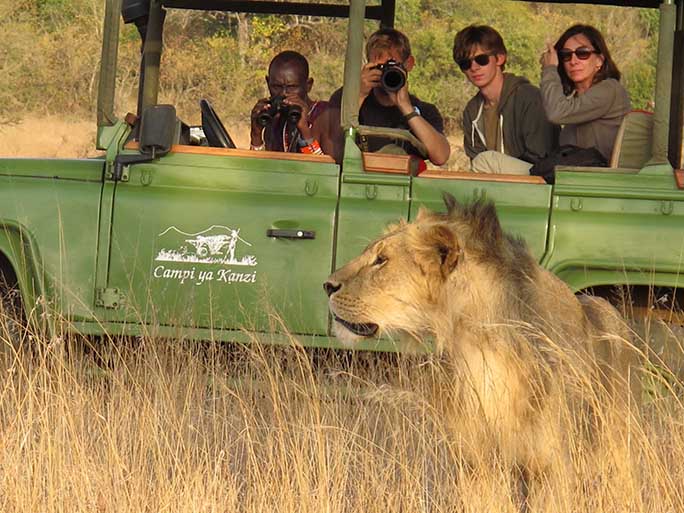
Payments for Ecosystem Services (PES) are incentives offered for some sort of provision of ecological service. They are set down as a transparent system for conditional payments to voluntary providers to promote the conservation of natural resources, such as found in the interplay of tourism and ecosystems e.g.
-
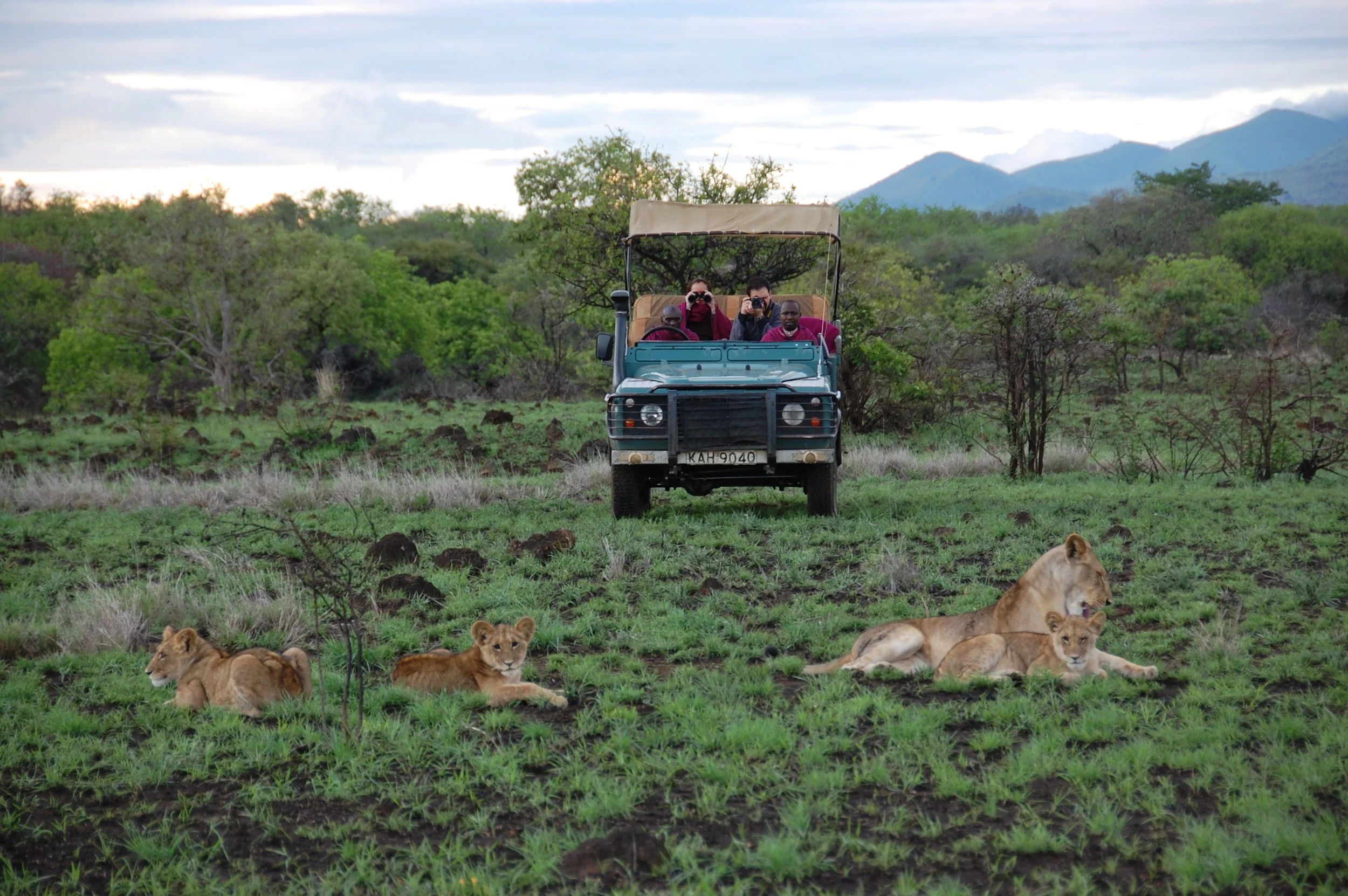
At Campi ya Kanzi in Kenya, PES helps with human-wildlife conflicts which might otherwise limit livelihoods and tourism potential: A daily conservation fee is charged to guests which funds any loss of livestock to Maasai herdsmen by predators such as lions. This means the Maasai are fairly compensated and incentivised to not threaten wildlife which might harm their cattle, key to predator conservation: Protecting wildlife by making it profitable for the landlords. Wildlife in their area has subsequently not reduced as dramatically as other areas.
-
In Malawi, a PES of 1.5% of holiday costs go to local projects for the conservation, protection and enhancement of the ecosystems and rich culture of rural host communities their guests benefit from during their stay.
Tourism & Biodiversity
Tourism has a particular interest in biodiversity conservation because it is often natural capital, such as landscapes and wildlife, air and water quality, flora and natural heritage, which attract tourists to a place. It is in a place’s and its peoples’ interest to protect, retain and restore its natural ecosystems.
But biodiversity is not distributed evenly on Earth. Its richness depends on the climatic conditions and area of a region, generally clustering in hotspots in tropical areas. A biodiversity hotspot is a region with a high level of endemic species that has experienced great habitat loss: Most are tropical forest areas, home to thousands of endemic plants and animals being destroyed at a frightening pace.
Terrestrial biodiversity tends to be greater near the equator, such as Kenya, Tanzania, Borneo, Colombia, Ecuador & Galapagos, seemingly the result of the warm climate and high ‘primary productivity’ – the production of chemical energy in organic compounds by living organisms.
-
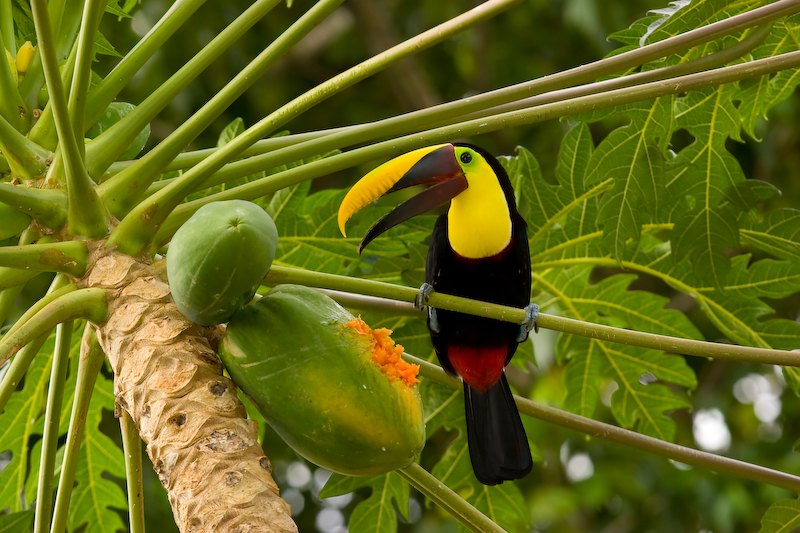
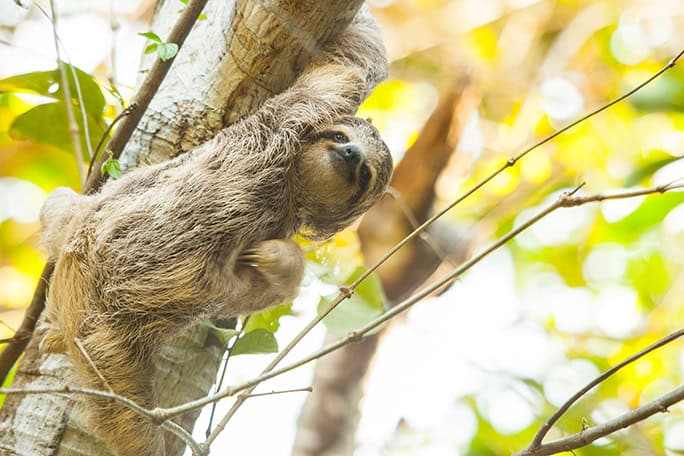
Costa Rica is known for its nature with its 850 species of birds and 200 mammal species, reptiles, trees and plants. Lapa Rios, a 930 acre private nature reserve exclusive to registered guests at the southern-most tip of the Osa Peninsula, is Central America’s last remaining lowland dense tropical primary rainforest, home to an incredible 2.5% of the biodiversity of the whole world, probably – who knows how many unknown species there may be!
-
Near by Nicaragua is similarly bio-diverse: A lake setting for rainforest combined with inactive volcanoes’ elevation gives rise to one of the world’s few cloud forests – an extremely rare ecosystem home to a hundreds of species, many endemic such as the Mombacho salamander and Mombacho butterly. There’s 700 different plant species, including hundreds of orchids and flowering bromeliads, and over 700 bird species. Jicaro Island has started a program and tree nursery for reforesting the Asese Peninsula with native trees.
-
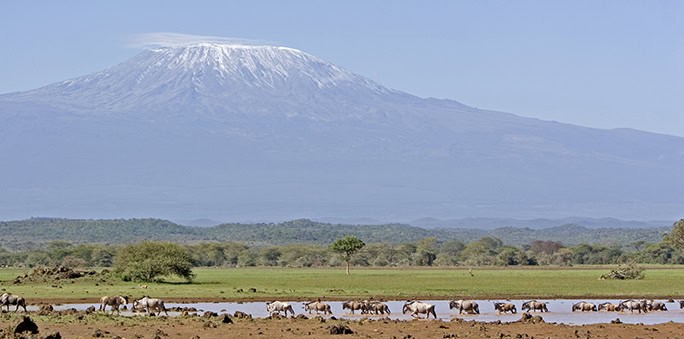
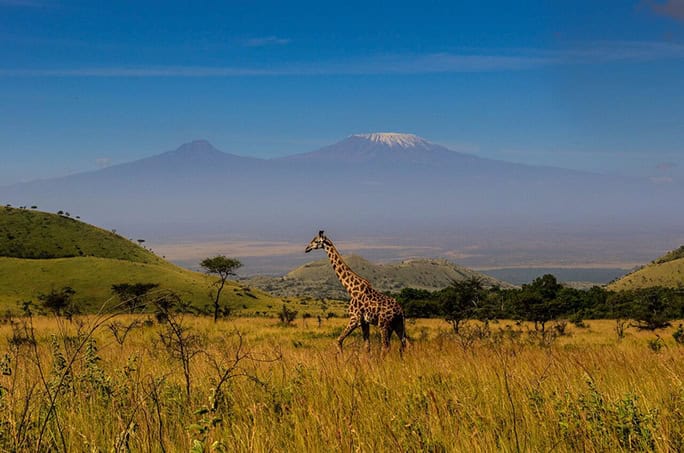
In Kenya, with a backdrop of Kilimanjaro, the immense 283,000 acres of the Kuku Group Ranch, offers a natural corridor between Tsavo and Amboseli National Parks, and incredible wildlife viewing for guests at Campi ya Kanzi including the Big Five. The Maasai host dynamic has also led to pioneering Payment for Ecosystem Services, incentivising Maasai to see wildlife as a long term asset worth conserving, and the deep cloud forests of the Maasai’s Chyulu Hills offering important water, oxygen and carbon resources.
-
In The Galapagos on Floreana Island, experience the first community-based tourism, a rare opportunity to stay on the island and see out-of-this-world wildlife in one of the few World Heritage Marine Reserves.
-
Indonesia‘s 17,000 islands cover 735,355 square miles (1,904,560 km2) and contain 10% of the world’s flowering plants, 12% of mammals and 17% of reptiles, amphibians and birds—along with nearly 240 million people. Nikoi Island conduct regular surveys of flora and fauna and are looking to establish a Marine Protected Area for Marine Conservation.

-
In South Africa, the Grootbos Private Nature Reserve is home to 817 plant species and marine conservation too, as one of the few places in the world where you can see the Marine Big Five. As of 1999, it’s been instrumental in establishing the 308,000-acre Walker Bay Fynbos Conservancy, with the mission to restore and protect the ecosystem for the good of the natural world and local communities, working with local landowners and conservationists to preserve the botanical and wildlife treasures.
-
In Nepal, Tiger Mountain Pokhara Lodge is well known for its birds and butterflies, including raptors and waterfowl, and conduct annual surveys and providing the data to conservation organisations such as Bird Conservation Nepal and Birdlife International.
-
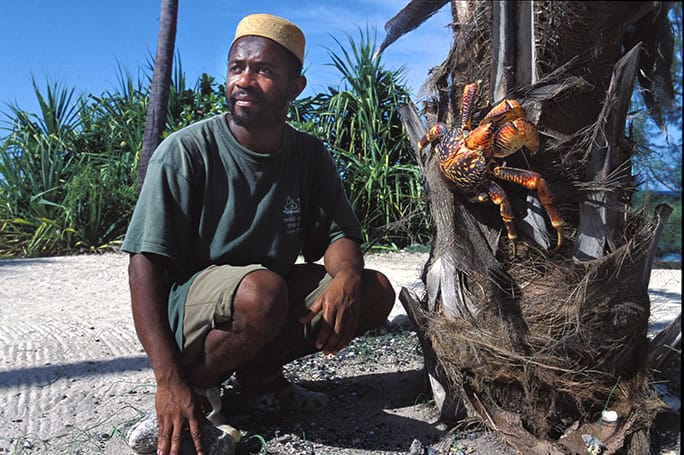
In Tanzania, Chumbe Island Coral Park is a non-profit organisation also set up for
biodiversity conservation and education, both marine and land. The whole of the island and coral rag forest is a nature reserve. Over 20 years as a protection area means an exceptional amount of biodiversity in rare and endangered plant, animal and marine life. -
Since Madagascar separated from mainland Africa 66 million years ago, many species and ecosystems have evolved independently. SEED Madagascar‘s conservation projects work to protect threatened areas and species and focus on involving local communities as the people who know the most about the local environment’s priorities for living off the land.
Marine biodiversity tends to be highest where sea surface temperature is highest at lower latitudes nearer the equator in the oceans, for example Madagascar, Indonesia and Costa Rica, and along Western Pacific coasts such as The Philippines and the Great Barrier Reef.

Species on Planet Earth
All species of plants taken together are known as Flora: About 70,000 species of plants are known to date. All species of animals taken together are known as Fauna which includes birds, mammals, fish, reptiles, insects, crustaceans, molluscs, etc.
Estimates on the total number of Earth’s current species range from 8.7 million to 14 million, with about 1.2 million documented and over 86% not yet described
More recently, in May 2016, scientists reported that 1 trillion species are estimated to be on Earth currently with only one-thousandth of 1% described (0.001%) (PNAS, 2016).
Rapid environmental changes typically cause mass extinctions. More than 99% of all species, amounting to over five billion species, that ever lived on Earth are estimated to be extinct. Since life began on Earth, five major previous mass extinctions and several minor events have led to large and sudden drops in biodiversity.
The Red List
Understanding global biodiversity distribution of is one of the most significant objectives for ecologists and biogeographers, essential to issues of major concern to humankind, such as the spread of invasive species, the control of diseases and impacts on human health, and the likely effects of climate change. Tropical areas play a prominent role, where rates of habitat degradation and biodiversity loss are exceptionally high and human imperatives such as food security and sustainable development particularly challenging.
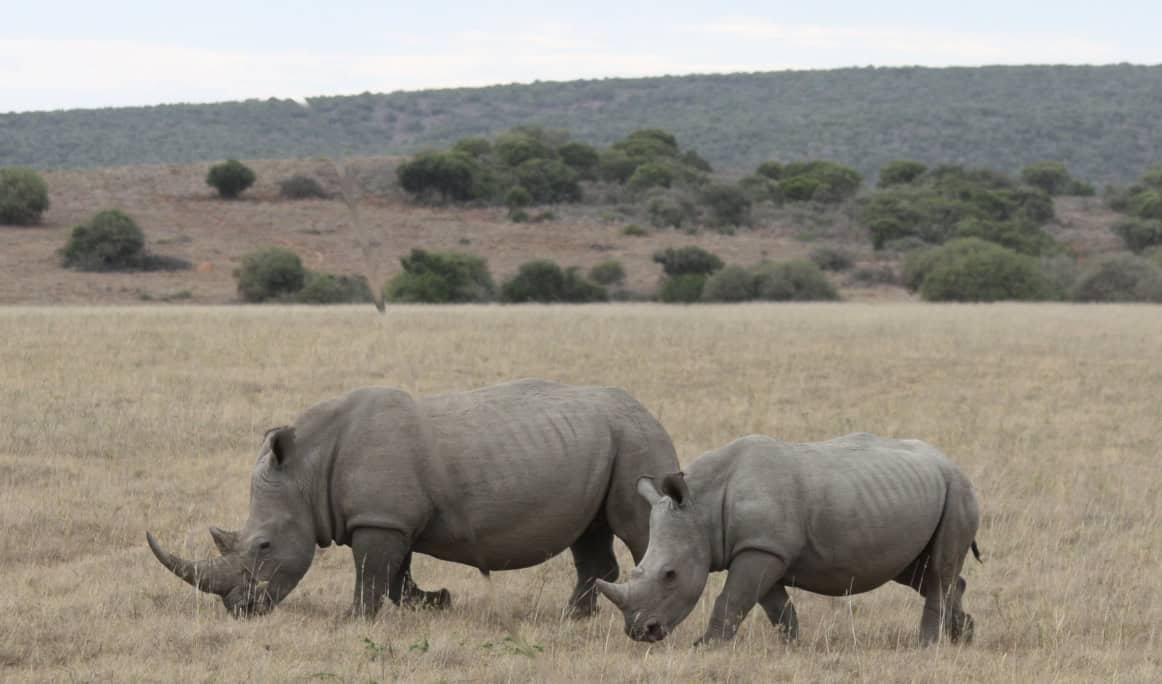
The International Union for Conservation of Nature (IUCN) has been assessing the conservation status of species on a global scale for over 50 years in order to catalogue and highlight those facing a higher risk of global extinction (i.e. those listed as Critically Endangered, Endangered and Vulnerable). Only a small number of the world’s plant, fungi and animal species have been assessed and catalogued on this IUCN Red List: Of the 134,425, more than 37,400 (28%) are at risk of extinction, including 41% of amphibians, 36% sharks and rays, 28% selected crustaceans, 26% of mammals, 14% of birds and 33% of reef corals.
Conservation efforts are thwarted by poaching and trafficking of wildlife, crimes that are occurring worldwide. Since 1999, at least 7,000 species of animals and plants have been reported in illegal trade affecting 120 countries. (UN Stats).
The IUCN Red List also includes wild relatives of important food crops, such as mangoes and sunflowers, and finds them in danger of extinction too, cutting the ability to safeguard food supplies by breeding new varieties resilient to drought and disease. The Red List highlights year to year changes, but many species will go extinct before they can even be catalogued.
Human Impacts
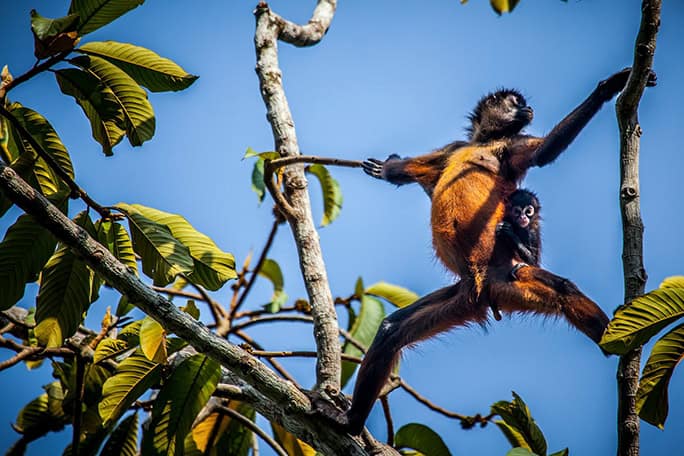
The period since the emergence of humankind has displayed an ongoing biodiversity reduction and an accompanying loss of genetic diversity, caused primarily by human impacts, particularly habitat destruction.
Deforestation is a serious contributor to loss of biodiversity as forests are home to 80% of all terrestrial species of animals, plants and insects. The removal of trees, often tropical rainforest, sometimes irreplaceable primary rainforest, for conversion to non-forest use such as palm oil plantation or other cash crops like banana, creates huge loss of tree species and wildlife living in the habitat, like the Orang-Utan in Indonesia.
-
Tiger Mountain Pokhara Lodge funds a forest ranger’s wages to patrols the community forest to prevent poaching and illicit felling.
There’s also an increasing link between this human behaviour, environmental change and zoonotic diseases, like Ebola and Covid19: The disruption of pristine forests driven by logging, mining, road building through remote places, rapid urbanisation and population growth and density is bringing people into closer contact with animal species like never before, with resulting transmission of disease from wildlife to humans a hidden cost of human economic development: Humans are enabling the spread of diseases by reducing the natural barriers between host animals and themselves.
Scientists have found that over 50% of the world’s land area is now dominated by human activity, with 9% of this change happening in the last 25 years alone. Drought and desertification is also on the rise each year, amounting to the loss of 12 million hectares (UN Convention to Combat Desertification, UNCCD, 2021) and affecting poor communities globally.
Protected Areas
Protected areas, otherwise called conservation areas, receive protection because their recognised natural, ecological and/or cultural values (including ~8.5% of the world’s ocean (though only about 2.8–3% considered “effectively protected”), in the world’s more than 6,800 Marine Protected Areas), are dedicated and managed to achieve long-term conservation of nature. Including Key Biodiversity Areas (KBAs) is a vital yardstick.
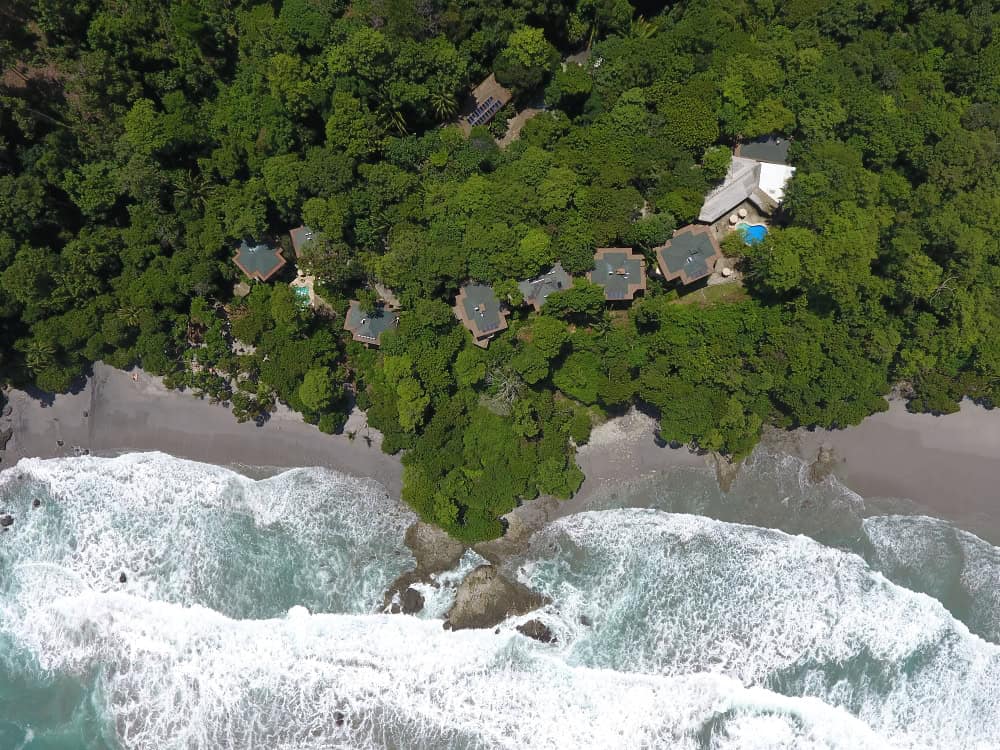
Conservation Easements have been growing, committing many private land areas to “conservation in perpetuity”: A landowner can give up one or more rights (eg. the right to build additional structures) for a purpose such as conservation while retaining ownership of the remainder of the rights (such as the right to grow crops). In ceding a right, the landowner “eases” it to another entity, such as a land trust or government, giving it the power to exercise rights to achieve its conservation purposes. Most such landowners want to protect their lands and waters from inappropriate development beyond their lifetimes.
The grant of conservation easement is recorded in local land records and becomes a part of the chain of title for the property. Most easements “run with the land,” remaining with the property even if sold or passed to heirs, thus binding in perpetuity the original owner and all subsequent owners to the easement’s restrictions. The organisation that holds the conservation easement is responsible for making sure the its terms are followed in the future, monitoring and defending the easement legally if it is ever violated.
Many types of private land use, such as farming, can continue under the terms of a conservation easement, but landowners may have to take certain actions to protect land and water resources. Each easement is individually tailored to meet the needs of the landowner (such as continue to live on the property) and conservation objectives, which may be specific (such as the protection of habitat of a certain species) or more general (protect farmland, open space, views or significant biodiversity).
However, protected area land size still only covers a small percentage of all land and is not always in the most vital regions of threatened biodiversity, but rather remote locations where nobody else is vying to convert the land.

Emergency on Planet Earth: The Sixth Extinction
The current rate of global extinction of species is believed to be faster than some of the five previous mass extinctions in the Earth’s history.
In June 2016, the Bramble Cay melomysa, a tiny rodent found only on a single island off the coast of Australia was reported officially extinct — the first mammalian causality of man-made climate change, according to the scientists.
The world is currently facing the largest extinction event since the dinosaurs were wiped out about 65 million years ago. A study of nearly 1,000 animal and plant species over the last 50 years saw 47%, and 74% of freshwater species, suffering local extinctions linked to the +1°C change to climate the world has already experienced. This is nothing compared to what might happen if global warming hits 2.6°C to 4.8°C by 2100 if nothing is done to reduce greenhouse gases.
One in four species now faces extinction, but that could climb to as high as one in two by the end of the century, as we destroy ecosystems at an unprecedented rate, the planet’s life support systems, due to deforestation, pollution and agriculture. A 2020 study suggests that one-third of all plant and animal species could be extinct in just 50 years, due to peak temperatures experienced and the inability of wildlife to migrate or evolve fast enough to cope.
Some scientists believe we are on track for the sixth mass extinction in 50 years, others see it as have already started with a massive decline of the world’s most important pollinators – bumblebees – currently disappearing at rates “consistent with a mass extinction”, and on course to be wiped out in just a “few decades”. But this new geological age, the anthropocene – where humans dominate the Earth, could be the moment we learn to become stewards of our planet,
“Doing so will require systemic shifts in how we produce food, create energy, manage our oceans and use materials. But above all it will require a change in perspective.” — Sir David Attenborough, Voices for a Living Planet, 2020
If we lose protected areas, we lose the carbon they store to mitigate climate change and the wildlife they protect. But often it’s tourism which helps make protected areas (and species) a viable land use option.
30×30
The 2010 UN Convention on Biological Diversity (CBD) meeting’s Aichi Biodiversity Targets called for 17% of the terrestrial planet and 10% of the oceans to be protected in some form by 2020. The goals were not reached – falling short at 16% and less than 8% of marine ecosystems respectively – and only 6/20 goals ‘partially achieved’, according to their Global Biodiversity Outlook report.
As a result, in January 2020, the CBD put forward a draft proposal to be adopted by governments at a crucial UN Biodiversity Summit COP15 – Part 1, postponed from October 2020 to May 2021 due to Covid19. Likened to the Climate Crisis’ 2015 Paris Accord, the 20-point draft plan called for a commitment to protect at least 30% of the planet, to introduce controls on invasive species and reduce pollution from plastic waste and excess nutrients by 50%. It set a target of 2030 in order to stay below +1.5°C for Climate Change, prevent the loss and collapse of our vital wildlife and ecosystems, and so avert Earth’s sixth mass extinction.
Agreement was reached at the summit – Part 2: face-to-face meetings relocated due to Covid from Kunming, China in April/May 2022 to Montreal in December 2022, and the COP15 “Kunming-Montreal Global Biodiversity Framework” (GBF) finalized and approved, with 4 Outcome-oriented goals to be achieved by 2050 and 23 targets by 2030.
Reaching the 2030 goal requires a fundamental shift in humanity’s relationship with nature for: a near doubling of land protections and a quadrupling of ocean protections – all in a decade – ambitious, especially with leaders like Brazil’s Bolsonaro having taken biodiversity protection backwards. The European Parliament has however pledged to protect 30% of European Union territory, restore degraded ecosystems, add biodiversity objectives into all EU policies, and earmark 10% of the budget for improvement of biodiversity.
Where the “30×30” movement aims to protect 30% of the planet by 2030, it also looks to increases of at least a further 20% to total 50% of the planet by 2050.
<id=”half-earth”>

Half Earth
Harvard Biologist Dr. E.O. Wilson outlined in a 2016 book a “Half-Earth” theory that 50% of the planet should be set aside in conservation to save the Earth’s biodiversity, not just humans. Once considered aspirational, many are now taking seriously the suggestion to protect biodiversity and mitigate the climate crisis.
Setting aside lands for protection is far from the end of the story: continued managing and protecting lands from threats such as building and fragmentation, is ongoing. The number of paved roads is expected to double in the next 25 years, opening up areas to illegal exploitation, poaching…
Others believe the answer lies in the space above us…
Space the Next Frontier, Saviour of Life on Land?
“This is the best planet. We need to protect it, and the way we will is by going out into space. You don’t want to live in a retrograde world where we have to freeze population growth… Energy is limited here.” – Jeff Bezos (The Observer)
Whilst many may agree with the Amazon CEO’s initial statement here, many may not agree with his solution,
“In at least a few hundred years…all of our heavy industry will be moved off-planet. Earth will be zoned residential and light industrial. You shouldn’t be doing heavy energy on earth. We can build gigantic chip factories in space.”
Likewise Elon Musk believes that life on Earth is inherently finite, and colonization of different planets a necessity to ensure human survival, and Professor Stephen agrees the human species will have to populate a new planet within 100 years if it is to survive. But how would allocation of land, people and resources be achieved? We have enough of a problem on our own planet with people not taking responsibility, let alone in space. And no space colonies or infrastructure will ever be able to replace our planet. So would space-fill just become the new land-fill dumping ground?
With climate change, epidemics and population growth, even overdue asteroid strikes, our own planet and future is increasingly precarious.
Glossary
-
Endemic: Native to and restricted to a particular area or region and not found naturally anywhere else in the world.
-
Native or Indigenous: Native to a particular area or region, whereby its presence is the result of only natural process, with no human intervention, but can be found naturally in other areas.
-
Exotic or Introduced: Not native or indigenous to a particular area or region but accidentally or deliberately introduced into the area. May become established or invasive.
-
Invasive: Non-native or introduced to an ecosystem that becomes established, spreads, and likely causes damage to biodiversity, agricultural production, or human health.
Links with the other Sustainable Development Goals
Goal 1 – End poverty: Rural impoverished communities often rely on their environment for food, shelter and livelihoods.
Goal 2 – Zero hunger: Conservation of land, agriculture and de/forestation all contribute to global food security and nutrition.
Goal 3 – Health & well-being: A healthy ecosystem and environment is vital to human health, as highlighted by Covid.
Goal 4 – Quality education is required to teach people about the importance and value of biodiversity and its conservation.
Goal 6 – Clean water and sanitation: all biodiversity requires clean water to survive.
Goal 7 – Affordable, reliable, sustainable and modern energy: Less logging for firewood means reduced deforestation and climate impacts.
Goal 8 – Economic growth & productive employment: supports biodiversity in conservation, and ecotourism, detracting from exploitative practices in which local people engage often out of economic necessity.
Goal 9 – Infrastructure, industrialization and innovation: can be harnessed to monitor and protect biodiversity.
Goal 10 – Reduced equalities: Being guardians of valuable natural capital and bring great respect and dignity to marginalised communities.
Goal 11 – Sustainable cities: As urbanisation increases, the planet’s biodiversity becomes all the more important and valuable.
Goal 12 – Sustainable consumption & production: and not over consumption/exploitation is necessary for the sustainability of life on land.
Goal 14 – Marine conservation: Land and marine ecosystems meet in coastal ecosystems creating diverse habitat vital for protection.
Goal 16 – Peace and justice: conflict harms conservation. Peace is required for protection, restoration and sustainable use of ecosystems.
Goal 17 – Partnerships: are vital for protection, conservation and sustainable management of life on land, against climate exploitation.