


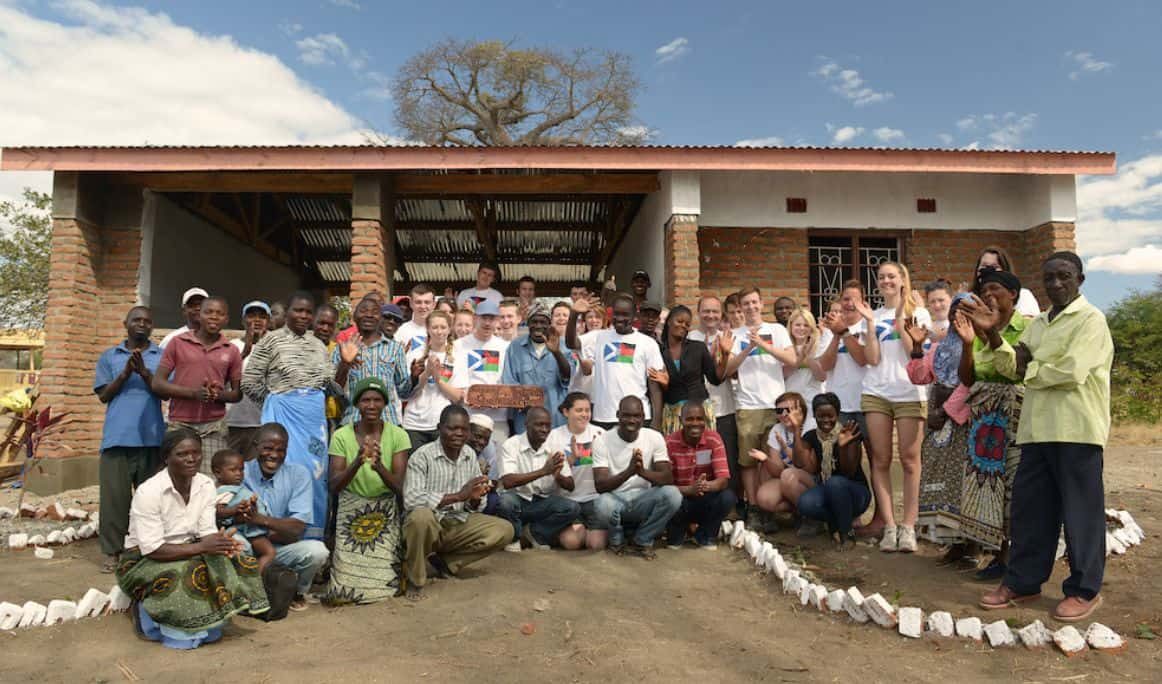
The world today is more interconnected than ever before
The wide-ranging cross-sectoral international nature of the travel industry makes it ripe for partnerships across the globe. Behind the scenes, trips include international, national, regional and local stakeholders, with the potential to benefit locals in far corners worldwide.
Sustainable. responsible and regenerative tourism in particular engages in collaboration as a priority, putting the host community first, and working together for social benefits, environmental preservation and great guest experiences.
Creating sustainable development with social, environment and economic net benefits cannot be done alone. The 17 Sustainable Development Goals do not work in isolation – there are strong inter-dependencies, which require cross-sector partnerships to create the strong enabling environments needed for implementation. The goals aim to foster North-South and South-South cooperation and trade.
For this reason, Goal 17 of the UN 17 Global Goals of the 2030 Agenda for Sustainable Development is:
SDG #17 “Strengthen the means of implementation and revitalize the Global Partnership for Sustainable Development”
Progress on Sustainable Development Goal SDG 17 Partnerships for the Goals
$6.9-7.6 trillion: the annual cost of achieving the SDGs, according to the UN Conference on Trade And Development (UNCTAD, 2023)
>$35 trillion: invested in the ‘Sustainable and Responsible Investments’ (SRI) asset class, as of 2020 ($22.8 trillion, 2016; $30.7 trillion, 2018)
2024 >$1 trillion: Total sustainable bond issuance high (includes green, social, sustainability, & sustainability-linked bonds), with the Euro and Europe dominating.
$887–$905 billion: internal remittances, $685–$690 billion (77%) to low- and middle-income countries (LMICs), not only more than doubling Official Aid (ODA), but also surpassing (+~18%) foreign direct investment (FDI) as a source of external finance for developing countries
$211 billion: Net Official Development Assistance (2022) – increased, largely due to refugees in donor countries and aid to Ukraine., but expected to drop 2024-25.
Just 0.08%: aid to Least Developed Countries (LDCs) as a share of Gross National Income (2022); stagnated or declined, below the 0.15–0.20% target.
4: the number of countries which met the international target to keep ODA at or above 0.7% of gross national income (decreased)
- Public administration, environment and energy continue to be major recipients, especially as climate and governance have become greater priorities.
$799 million (2021): international funding for data and statistics, around half, well below the level required to meet global development & SDG monitoring needs—estimated at $1.3–1.4 billion per year (UN, OECD)
79% developing countries’ imports enter developed countries duty-free (2022).
6.5%: what half of developing countries spend of their export revenues to service external public debt, 6% for the poorest and most vulnerable countries (IDA-eligible). In some cases, total debt service can reach as high as 38% of export earnings.
67% of world population (5.4 billion people) are using the internet; 33% remain offline (2023, down from 46.4%): <10% in Europe, but ~68% sub-Saharan Africa.
1.53 billion/19% (2023): Fixed broadband subscriptions (11.2%) outnumber fixed telephone connections, but still rare due to high costs and lack of infrastructure.
Covid-19 threatened & reversed past SDG achievements, and global trade dropped, but invigorated necessary engagement and partnerships to deliver.
Digitally divide: Lockdowns precipitates the increased use of technology and the Internet to work, shop and connect with others.
Challenges of SDG17, Partnerships for the Goals
Policy
From Old French policie ‘civil administration’, via Latin from Greek politeia ‘citizenship’, from politēs ‘citizen’, and from polis ‘city’, forming the basis of ‘politics’ itself, Policy refer to the basic principles by which governments are guided in the interests of nations.
At global policy level, international co-operations between national governments, public institutions and regulatory bodies create such principles to support decision-making, implementation and evaluation, through procedures and protocols.
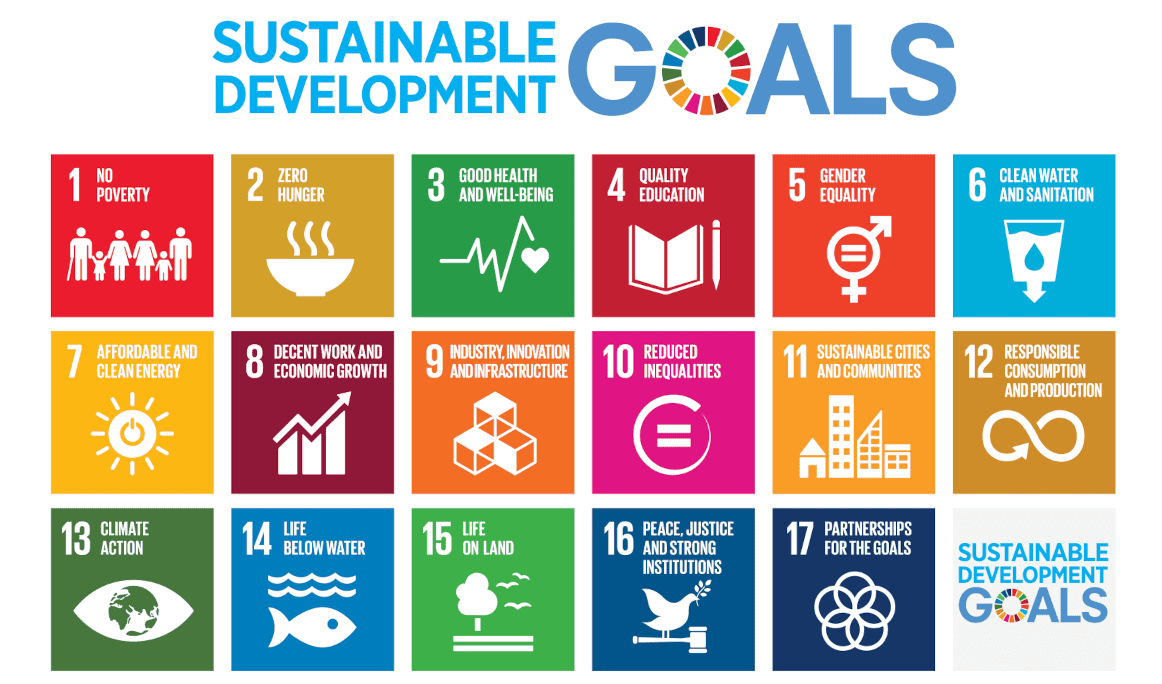
The Sustainable Development Goals overall are an example, developed by The United Nations, an intergovernmental partnership organization formed after the 2nd World War in 1945 to promote international cooperation and to create and maintain international order.
Main objectives include peace-keeping and security, human rights, economic development and humanitarian assistance. Specialised agencies support the work, such as The World Bank Group, the International Labour Organization, the International Monetary Fund, the World Health Organisation and the World Tourism Organisation (who supported Earth Changers as a solution for sustainable tourism).
From a sustainable tourism point, many organisations have a responsible tourism policy. But policy does not necessarily mean practice, and ‘greenwashing’ can say all the right things for PR but mislead in claims.
Marcus Cotton from Tiger Mountain Pokhara Lodge makes an important point. Effective achievement is only possible if all stakeholders (staff, guests, suppliers, community, authorities…) are fully informed, aware and take personal responsibility for policy,
“Personal choice and drive through understanding is inherently more sustainable than mechanical implementation of company rules”.
Policy alone cannot realise benefits. Principles require engagement, strong commitment and implementation support from governments, other inter-governmental organisations (some invited ‘observers’ to the UN), academia, non-governmental organisations, businesses and individuals in partnerships in many ways.
Finance
Official Development Assistance
One such inter-governmental organisation is The Organisation for Economic Co-operation and Development (OECD), founded in 1960 by countries committed to democracy and market economy to identify, coordinate and stimulate best practice for economic progress and world trade. Most members are high income economies with a very high Human Development Index. Many make up the Development Assistance Committee (DAC), with others, which contributes to a common foreign aid budget.
Coordinating policies to help developing countries manage their debt, as well as promoting investment for the least developed, is vital to achieve sustainable growth and development.
Many countries require Official Development Assistance to encourage and support growth and trade.
Assistance increased substantially 2000-2014, with sub-Saharan Africa, Latin America, and the Caribbean among the main recipients.
After 2014, funding continued to rise, peaking in 2022 at 52% above 2015 levels (excluding US funding), before declining -11%, 2024, due to major donor cuts. US funding obscured a wider stagnation of humanitarian aid, more exposed with the closure of USAID.
Meanwhile, the number of people displaced by conflict and disasters such as climate has reached record highs, and humanitarian needs are at unprecedented levels (>21 million people requiring assistance in 2025 in just the top ten crisis countries.
Funding is not keeping pace with needs, and aid budgets are falling.
Debt finance
Key to reduction of debt service is enhanced debt management, attractive borrowing conditions and increased export earnings in international markets.
Finance also helps deliver other sustainable development goals. For example,
In Malawi small village financed loans enable female empowerment and greater gender equality, supporting women to set up businesses, of key importance as small and medium-sized enterprises provide two thirds of jobs in developing countries and up to 80% in low income countries, and create further opportunity for self-sustaining wealth generation, innovation and creativity.
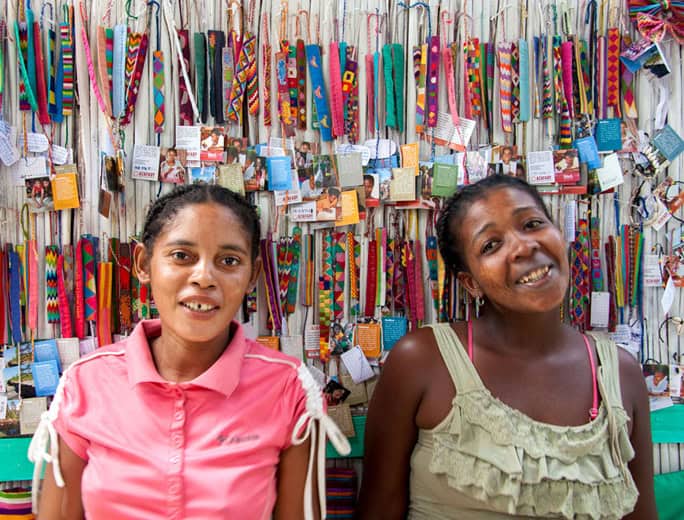
SEED Madagascar’s Stitch St Luce project, which trains and empowers women to run an embroidered products international business for sustainable livelihoods, has also seen a beneficial result of women’s income on better family health and education attendance.
Nikoi Island has also helped establish employment opportunities through local businesses such as car hire and alang-alang (ylang ylang) grass roofs, beneficial to the community, operations and guests.
Lapa Rios built and supports the local primary school, to encourage local education, community and employment over rural-urban migration.
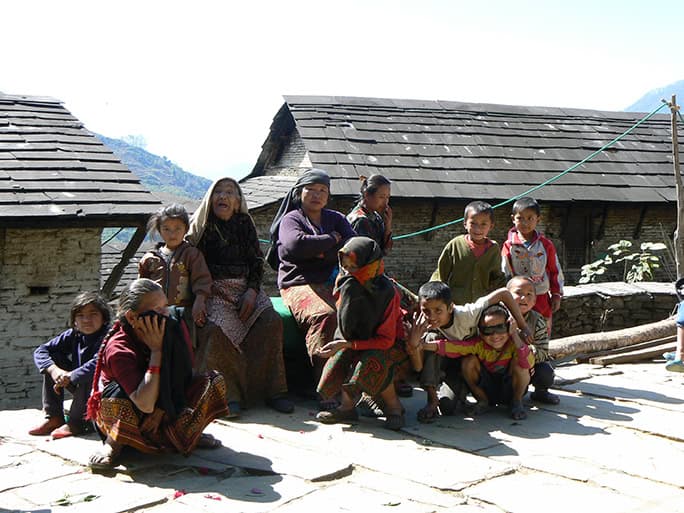
Tiger Mountain Pokhara Lodge supports the school and education, as well the community water and health first aid provision.
International remittances
These monies sent by migrants to their home countries are vital financial support, especially with the majority for developing countries. Contribution of remittances to individuals’, families’, communities’ and countries’ income still has a profound impact, even exceeding 5% of GDP for LDCs (2019–2023), or 20% or more of GDP for some nations.

Private/public partnerships
With such ambitious goals as the Sustainable Development Goals to implement national plans globally to achieve targets, multiple stakeholders from the private and public sectors can contribute specialisms and support the flow of finance, knowledge and skills to work for common goals and connect policy to grassroots practice, sustainably.
In doing so, they can help developing countries increase exports to achieve a universal, equitable, fair and open international trade system that benefits all.
As public funds are cut, for example from health, education and infrastructure (three of the other SDGs), public/private partnerships have become more commonplace.
Orbis’ experience shows that, like many African nations, Malawi has seen a lot Chinese investment in infrastructure like roads and bridges, as well as health and safety. This not only opens doors to tourism but also enables groups like schools to be fully supported.
Tourism organisations focused on delivering positive impacts locally often have foundations to manage the funding and delivery of sustainability initiatives, for example:
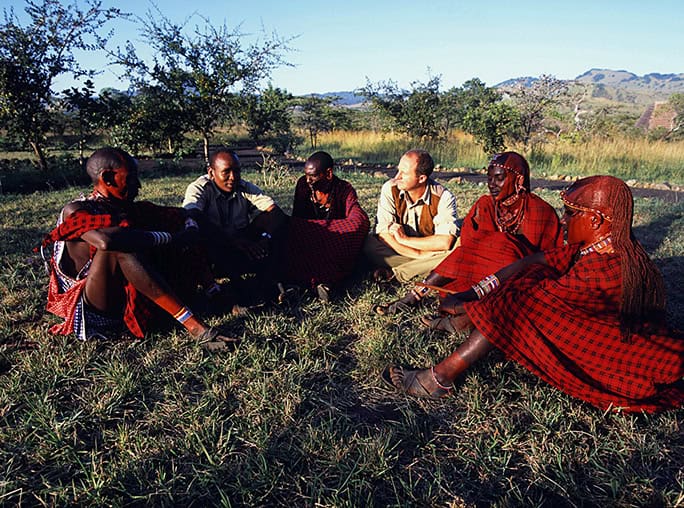
Nikoi Island in Indonesia has its Island Foundation. In some cases, the tourism becomes an arm of its partnered not-for-profit Non-Governmental Organisation, for example the Maasai Wilderness Conservation Trust NGO has become the larger operation of its Campi ya Kanzi in Kenya tourism arm, and works in partnership with the Government of Kenya and its Ministry of Health, for the 16,000 strong Maasai community.
As an NGO, SEED Madagascar’s stated mission is “To enhance the capacity of individuals, communities, organisations and government in fulfilling sustainable environment, education and development goals in southeast Madagascar“, working also with private sector tourism organisations to enable volunteer placements and fundraising.
Such multi-stakeholder private/public partnerships are a core foundation for tourism development: for example, state-supported tourism boards and private tourism businesses share the common goal of marketing destinations, both wanting them to be better places to live in and visit: it makes sense work closely with each other in partnership.
Capacity building
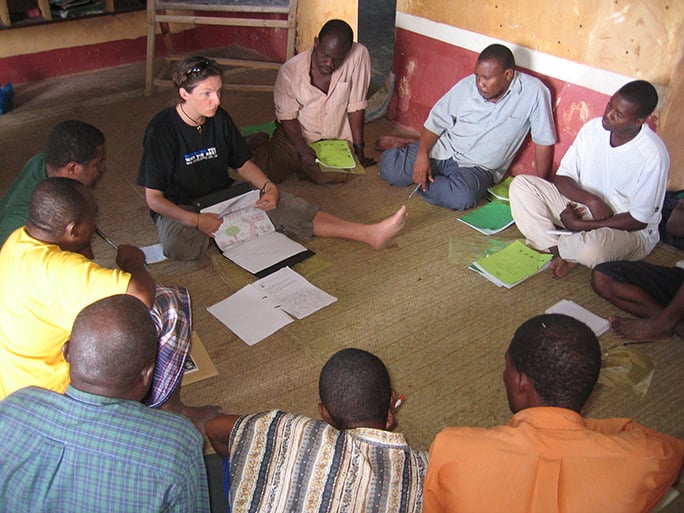
To do jobs competently, creating, improving, and retaining skills and knowledge is needed, for example recruiting into required roles, training and staff retention initiatives.
Systems & processes
For effective national development policy, monitoring, and planning, national statistical plans are recognised as essential for strengthening systems. This is especially emphasised for countries facing complex development challenges, such as Small Island Developing States (SIDS).
Recent UN and international strategies (eg. SDGs) continue to call for greater investment in statistical capacity, especially for SIDS, LDCs, and fragile states, highlighting the need for international support to close persistent data and capacity gaps.
Most countries globally have some form of national statistical plan or strategy, although the quality, implementation, and funding levels vary widely.
SIDS remain among the most under-resourced in significant capacity, and data infrastructure: SIDS-specific challenges—such as small populations, remoteness, and vulnerability to shocks—continue to hinder the development and sustainability of robust statistical systems: A large proportion still lack fully implemented or adequately funded plans.
Only around ~17 countries, mostly in Europe and Northern America, have fully funded plans..
Tourism Master Plans for destinations help drive decision-making processes, implement policies, promote results-focused management and monitor progress. These must be integrated into a country’ other plans, interlinked as they are with security, infrastructure, investment, transport, heritage, conservation, communities and so on. For example, tourism will be integrated into Coastal Zone Management plans to help conserve and preserve fragile ecosystems. Quite often, different partnership contracts will be agreed to manage different parts of a plan, for example transport operators, accommodation, day tour operators, dive operators etc.
In sustainable tourism, strict sustainable management plans are also required to restore and safeguard populations and balance environments for longevity. This is where accreditation and certification agencies often step in, ideally providing a 3rd party objectively-verified framework and assessment for sustainability.
 Earth Changers’ partnership with The Long Run is a great example. The not-for-profit is a global membership organisation of private protected areas, whose high level Global Ecosphere Retreat (GER) standard provides a verified frame of reference for its “4C” sustainability as a balance of Community, Conservation, Culture and Commerce initiatives for net positive impacts.
Likewise, The Long Run partners with other non-profits, such as the Global Sustainable Tourism Council, who ‘Recognise’ the GER standard meets its guiding principles and minimum requirements to protect and sustain the world’s natural and cultural resources, and ensure tourism meets its potential as a tool for conservation and poverty alleviation.
Data monitoring
Accountability requires data: there is growing awareness of the importance of statistics for evidence-based policy-making and development.
The Sustainable Development Goals have data requirements, but there is a capacity gap in its funding for implementation.
- As of 2025, 190 out of 193 UN Member States have presented national action plans for advancing sustainable development, which typically include or are supported by national statistical plans for SDG monitoring
- Most countries have participated in the Voluntary National Review (VNR) process of presenting their SDG implementation plans and priorities to the international community, further indicating the widespread adoption of national statistical planning.
However, full legal compliance with all 10 Fundamental Principles of Official Statistics lacks, especially outside Europe and Northern America.
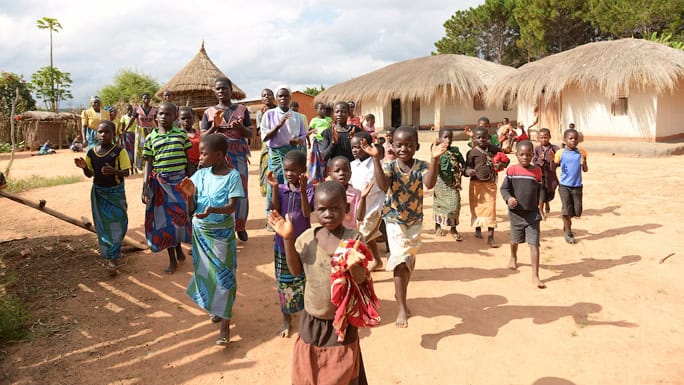
Population and housing census are a key source of data to help formulate, implement and monitor development policies and programmes.
- As of early 2024, over 90% of countries and areas have conducted or planned to conduct a population and housing census in the current ’round’ (2015-2024) of the World Population and Housing Census Programme.
The number of countries or areas without a census in the 2020 round is less than the 25 reported for 2007–2016, but a small group remains, often due to financial constraints, technical difficulties, natural disasters, and political or social instability, particularly from Sub-Saharan Africa and parts of Northern Africa and Western Asia.
Birth and death registration data is also key to monitoring development and SDG 16, justice. Information on births, deaths and population census is key to producing basic health statistics and indicators. Without this data, sustainable development is challenging.
For sustainable tourism, measuring and data on economic, social and environment impacts is key to aiming for and achieving improvement, as described in SDG12, Responsible Consumption and Production.
Tiger Mountain Pokhara Lodge measure many criteria, such as water use, energy and employment. For conservation, vulture and raptors are monitored for a joint project with another lodge, butterflies for national researchers, Asian Waterfowl for Bird Conservation Nepal and Birdlife International NGOs, and the climate twice a day for the Nepalese government Department of Meteorology. Measuring, monitoring and data evidence to back up work provides a framework to keep the lodge on track and improving.

Technology
Improving equal access to IT and communications tools helps link us, share knowledge, foster innovation and report data and accountability, wherever we are. However, for large numbers of people in developing countries, connection remains unaffordable and unavailable, highlighting a vast digital divide, widened by connection necessity during Covid lockdowns.
Fixed broadband penetration is one measure used; Total population online is another measure. Access to phone services another.
But in total, billions still do not have access to reliable phone services, and/or the internet and there remains a large gender gap in internet user penetration. Societies require this technological infrastructure to support development.
In tourism, technology – increasingly Internet – enables marketing, sales and logistical arrangements for tourists to book trips. In sustainable tourism, it enables alternative energy sources, helps conservation of species (such as anti-poaching drones) and facilitates community initiatives such as in education and health.
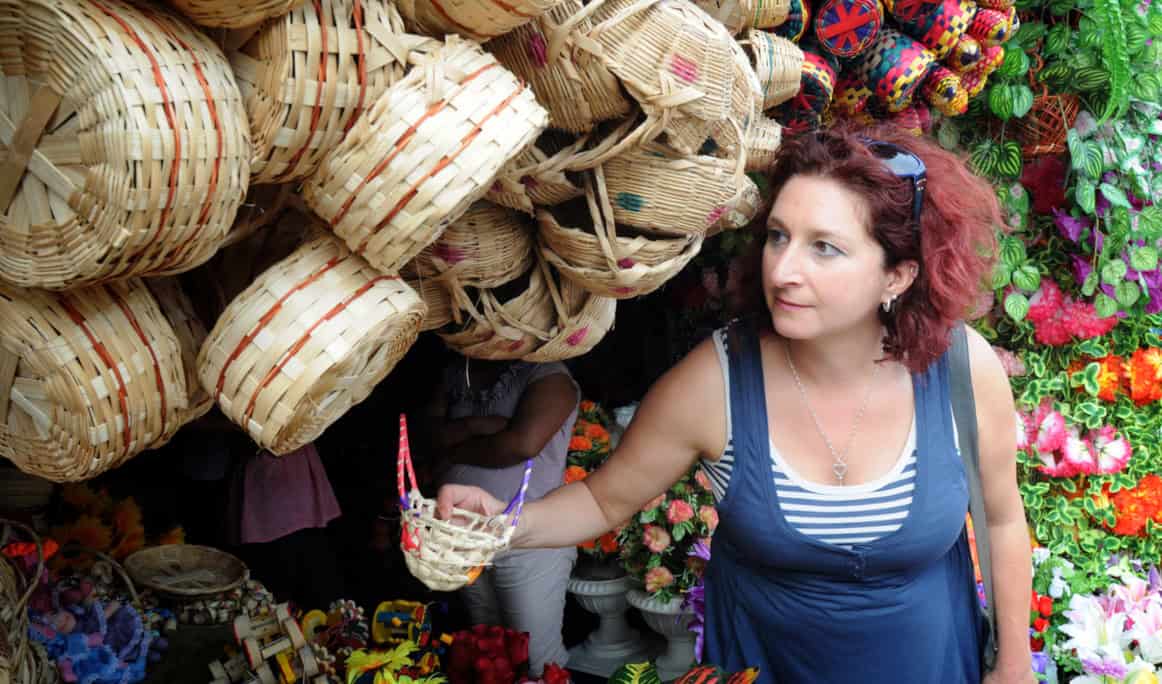
Trade is an important means of implementation for the 2030 Agenda. The targets call for countries to promote a universal, rules-based, open, non-discriminatory and equitable multilateral trading system; the increase of developing countries’ exports and doubling the share of exports of least-developed countries (LDCs); and the implementation of duty-free and quota-free market access for LDCs with transparent and simple rules of origin for exported goods. The World Trade Organisation is the key channel for delivering these goals. Trade may be merchandise (goods) or services.
Tourism, as a service industry, offers a significant opportunity for economic benefits and job creation and exports:
- International visitor spending reached a record $1.9 trillion in 2024, surpassing pre-pandemic levels and up from $1.7 trillion in 2019.
- In 2019, international spending represented 6.8% of total exports and 27.4% of global services exports.
- Globally, tourism contributes 10% of global GDP (2024, $10.9 trillion) and ~1 in 10 jobs (357 million)
In some countries, especially small island developing states and popular tourism destinations, tourism can contribute up to 40% or more of GDP.
For many developing and least developed countries, tourism is a leading source of foreign exchange, often exceeding the value of official development assistance (aid):
“In 2013, tourists spent $413 billion in developing countries, about three times the amount of official development assistance that year. In 2015, for the first time in history, more people will travel to the developing world than to the developed world – about 550 million people overall.” World Bank Group President, Jim Yong Kim
Tourism can reach far into the extremities of a country, where other industry cannot, enabling business partnerships and development for communities otherwise neglected.

Community-tourism in particular – tourism in true partnership with the local community in ownership, development and benefits – sees visitors hosted by locals, offering the tourist a deep experiential, participatory, cross-cultural insight into local people, culture and environment.
In The Galapagos, experience its first community-based tourism, on Floreana Island. Historically, tourists may have had great trips to the islands but with little connection with the community and have left none the wiser about the local cultural, social and environmental issues and with little benefit going to support the island’s issues and people. This new initiative offers a rare and precious real insight into island life.
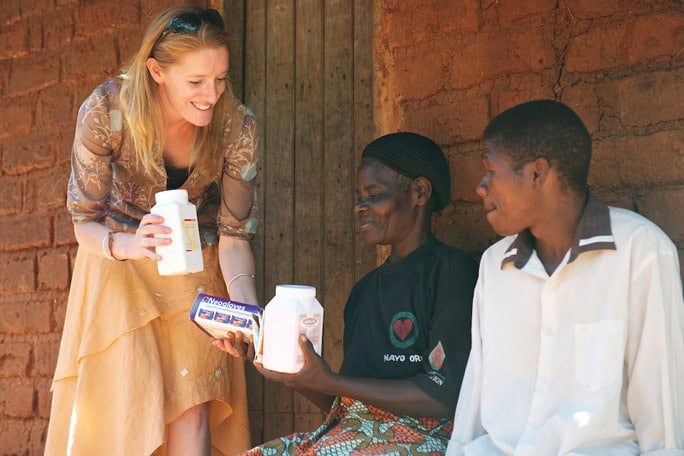
Our partner in Malawi facilitates immersive learning opportunities and challenge events to enable incredible insight into key global challenges facing rural communities. It is committed to sustainable development through social enterprise, reducing the dependence on the aid industry and driving tourism-generated income to rural communities through partnership. Global Sustainable Development tourism programmes offer participatory experiences of Malawi’s key trade goods and exports, such as Fair Trade tea, sugar and coffee, with homestay accommodation to experience living within a family learning about the complexities and simple joys of Malawi village living.
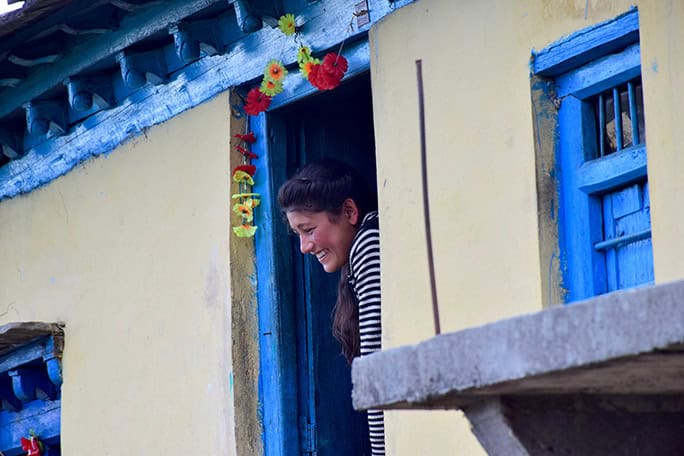
In India, the founders of Village Ways created a network of Village Tourism Enterprises (VTE) partnerships with communities.
Their work included structuring and developing tourism committees to help training needs, skills and capacity development and local supply chains, to design and develop a tourism product based around village homestay-like guesthouses, and find a sustainable route to market.
The original founders also remain as partners in the form of an international Advisory Council.
Links with the other Sustainable Development Goals
Tourism has the ability to engage multiple stakeholders – international, national, regional and local – and strengthen private/public partnerships to work together to achieve the SDGs and other common goals due to its cross-sectoral nature:
Goal 1 – End poverty: Tourism can partner with NGOs to ensure poverty-stricken local people benefit.
Goal 2 – Zero hunger: Tourism’s food supply requirements can support local agricultural producers and ensure no waste with initiatives for staff and community.
Goal 3 – Health & well-being: Multi-stakeholder partnerships can step in where public funds are not available to support staff and community health initiatives.
Goal 4 – Quality education: Tourism can help train for livelihoods, and offer financial assistance for local pupils and schools, where public funding is insufficient.
Goal 5 – Gender equality: Partnerships can supporting women’s empowerment and entrepreneurialism.
Goal 6 – Infrastructure for water and sanitation can be developed for tourism requirements which support local communities access.
Goal 7 – Affordable, reliable, sustainable and modern energy requires investment; in developing countries often from aid in conjunction with public and private sector partnerships.
Goal 8 – Economic growth & productive employment – partnerships help growth, job creation and capacity building through training.
Goal 9 – Infrastructure, sustainable industrialization and innovation – public/private partnerships can deliver projects with social, environmental and economic balanced benefits.
Goal 10 – Equalities can be improved working collaboratively in partnerships.
Goal 11 – Cities and human settlements: Partnerships between city public bodies and private enterprise can support sustainable social and urban issues: migration, housing, energy, waste, environment and quality of life, for ‘better places to live in and visit’.
Goal 12 – Sustainable consumption and production: Transitioning to sustainable economies globally necessitates partnerships with policy setters, public and private sectors and NGOs.
Goal 13 – Climate Change: The world’s biggest issue requires partnerships across the globe in all sectors to act for prevention, mitigation and adaptation.
Goal 14 – Life below water: Marine ecosystems require policy and practitioners to be sustainably managed.
Goal 15 – Life on land: Our huge complex ecosystem requires partners for sustainable management and conservation.
Goal 16 – Peace, justice & strong institutions – cannot be achieved alone, only in consensus, with Policy, an enabling environment and the partnerships involved.