


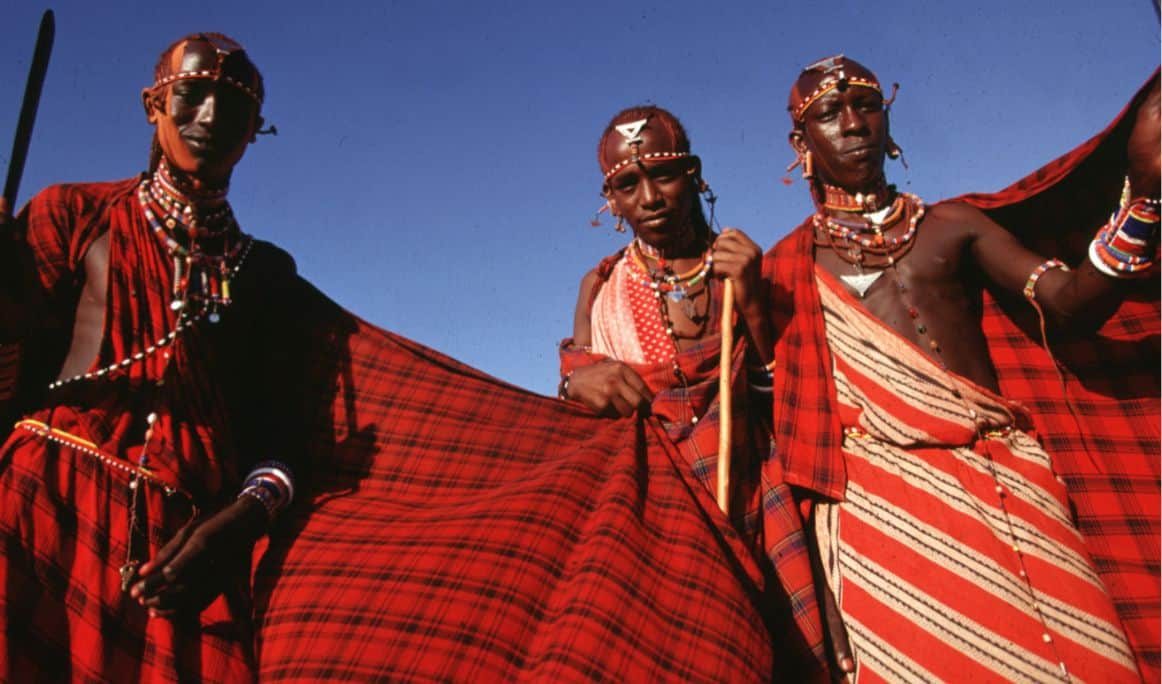
Income and wealth inequality is on the rise
Individual incomes are often largely associated with a person’s citizenship and location, but income inequality is a global problem – which requires global solutions – to bridge the widening divide, which otherwise threatens long-term social and economic development with higher levels of unemployment, social instability and crime.
In the OECD countries, the gap between the richest 10% and the poorest 10% is at a record level. The ‘Palma ratio’ is another measure, showing the richest 10% of the population’s share of gross national income (GNI) divided by the poorest 40%’s share; the higher the Palma ratio, the greater the income inequality. Another measure is to consider is the Inequality-adjusted Human Development Index: top (equality) countries include Norway, Iceland and Switzerland; the lowest, the Central African Republic, Chad and South Sudan.
High inequality has an inverse correlation with social mobility and also plays out in large disparities in access to health and education services. Wealth inequality leads to social discrimination.
“For nations to flourish, equality and prosperity must be available to everyone – regardless of gender, race, religious beliefs or economic status. When every individual is self sufficient, the entire world prospers” ~ United Nations.
The adoption of policies and practices is required to empower the bottom income earners, promote economic inclusion of all, globally, and prevent financial outflows such as crime, corruption and tax evasion. Corporate tax transparency is increasingly important. Inequality cannot be effectively tackled unless the underlying inequality of opportunities is addressed.
For this reason, Goal 10 of the UN 17 Global Goals of the 2030 Agenda for Sustainable Development is:
SDG #10
“Reduce inequality within and among countries.”
This goal and its targets address reducing inequalities in income as well as those based on age, sex, disability, race, ethnicity, origin, religion or economic or other status within a country and between countries.
Sustainable Development Goal 10 Reducing Inequalities: Progress
Prior to Covid-19, income inequality was falling in some countries, but the pandemic increased global unemployment and reduced workers’ incomes, rights, health care and education access. Inequality persists and large disparities are growing.
The most vulnerable are the Least Developed Countries, the landlocked developing countries and the Small Island Developing States; Refugees and migrants, indigenous peoples, older persons, people with disabilities, women and children, all at risk of being left behind.
- ~65% of the world’s population currently live in countries where income inequality is increasing.
-
1% globally own 43%–47.5% global wealth; these richest have more wealth than the bottom 95% of the world’s population combined (UBS, 2023, Public Mitra, 2025), already exceeding previous estimates of owning 39% by 2050 (UNDP, 2020)
-
Top 1% earn 20-21% of income globally vs 1980: the top 1% had 16% of global income. (WIR, UBS, 2023)
-
8-10%: The bottom 50% of population share of income, up from 6%, driven by growth in countries like China and India. However, within-country inequality has risen sharply in many regions, limiting gains (World Bank, 1980-2023)
- 9-10%: The bottom 40% income share in areas such as the Middle East, North Africa, and South Asia. In Europe, 15-21%
-
100% more: Women spend, on average, twice as much time on unpaid housework as men (UNDP, 2020).
-
Up to 30% of income inequality is due to inequality within households, including between women and men. Women are also more likely than men to live below 50% of the average income (UNDP, 2020).
-
60%: Countries give equal rights to women to financial services (UNDP, 2020). The gender gap in access narrowed from 9% in 2011 to 6% in 2021 but continues to exclude hundreds of millions of women worldwide.
-
42%: Countries give equal rights to women to land ownership. Regional and country-level variation persists (UNDP, 2020).
- 1 in 5 people have personally experienced discrimination on at least one of the grounds established by international human rights law, more likely women, and 3 in 10 among those with disabilities, with higher levels still among women with disabilities:
- In Europe, Women with disabilities make up about 25.9% of the female population & 60% of the total population with disabilities.
- About 49% of women with disabilities (aged 20-64) are employed versus 54% of men with disabilities, and only about 20% of women with disabilities have full-time employment.
- About 15% of women with disabilities achieve tertiary education compared to 31% of women without disabilities.
-
80% of the one billion people with disabilities live in developing countries (Global Disability Inclusion Report, World Bank, 2025)
-
One in ten children is a child with a disability (UN)
-
Only 28% of people with significant disabilities have access to disability benefits globally; only 1% in low-income countries (UN)
-
5X more likely to incur catastrophic health expenditures than average: persons with disabilities, despite better social protection
-
55% and 59%: Migrant rights and their socioeconomic well-being represented by Governmental policy measures.
-
Covid-19: highlighted and amplified existing inequalities, including unequal access to healthcare, social protection, and economic opportunities, disproportionately affecting marginalised populations with greater job and income losses and slower recoveries.
-
Less Covid impact on SDG 10 vs other SDGs: inequality was an ongoing global issue that COVID-19 worsened but did not cause.
- The Pandemic interrupted progress on reducing inequalities globally, making inclusive growth challenging but crucial to by 2030.
SDG10 Reduced Inequalities: Challenges
Inequalities Between Countries
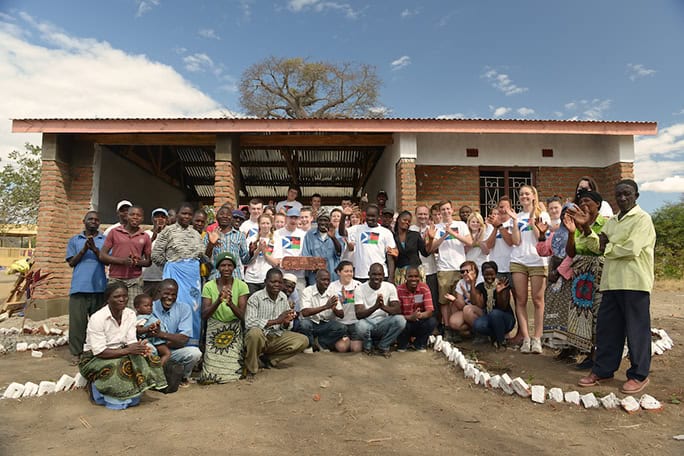
The most vulnerable nations are the Least Developed Countries, the landlocked developing countries and the Small Island Developing States: The World Trade Organization has agreements which authorise them differential treatment. To enable equality between countries, these less developed countries’ voices need to be strengthened in decision-making forums of international economic and financial institutions.
Development assistance and Foreign Direct Investment can support regions where the need is greatest, but improving the regulation and monitoring of such monies and institutions for effectiveness, credibility, accountability and legitimacy is required too.
Migration and mobility of workers is also key to reducing inequality, with many of the global poor dependent on remittances – money sent home to families by migrant workers: Migrants contribute positively to growth where they work and home countries through the remittances.
Total remittances globally is roughly four times the level of global Official Development Assistance, which is simultaneously undergoing cuts and is projected to decline, forming 20-30% of GDP in some of the poorest countries such as Nepal and Haiti. However, remittance flows are penalized by high transaction costs globally, averaging over 7%, which reduces the net benefits reaching recipients.
Inequalities Within Countries
Overall economic growth is not sufficient to reduce poverty if it is not inclusive and does not involve all three pillars of sustainable development – social and environmental as well as economic. Discriminatory policies and practices need to be eliminated too.
Even in developing countries, ~65% are living today in societies where income is more unequally distributed than it was in the 1990s.
“Within-country inequality for the average person in the world was wider in 2013 than 25 years previously [and] developing countries tend to exhibit wider within-country inequality relative to developed countries” (World Bank, 2016).
And of course, there are huge inequalities within countries on gender: not only the pay gap whereby worldwide, women earn ~3/4 the income of men, but also equality of opportunity, rights and ownership for women as well as other marginalised groups.
Inequality not only harms growth and poverty reduction, but also society as a whole, political spheres and individuals’ sense of fulfilment and self-worth.
To reduce inequality, policies need to meet the needs of the disadvantaged and marginalized in society too, include tax, wage and social protection, for greater equality progressively.
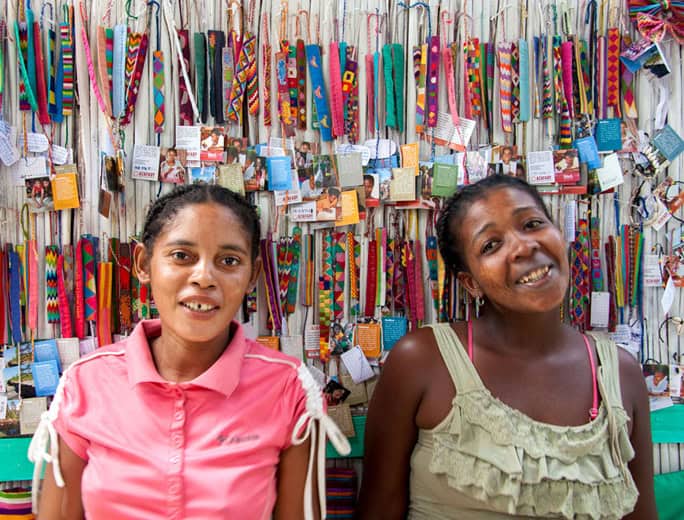
SDG 10: What’s it got to do with Tourism?
Tourism can contribute to urban renewal & rural development & reduce regional imbalances by giving communities the opportunity to prosper in their place of origin. Tourism is an effective means for the Least Developed Countries (LDCs) to take part in the global economy. In 2015, LDCs received US$21 billion in exports from international tourism (7% total exports) helping some graduate from LDC status (UNWTO, 2017): Small Island Developing States even more at 13.7% (UNCTAD, 2021)
But tourism infrastructure requires investment, and subsequent use: both the supply and demand for services needs to be developed. As well as finance for the necessary structures, systems and processes, tourists are required and governments spend hugely on marketing, even going as far as subsidising flights to be more competitive as a tourist-attracting destination.
But it is too often assumed that tourism growth automatically leads to development and diminishes inequalities, which is not true. Tourism growth can easily exacerbate inequalities, further dividing the ‘haves’ and ‘have nots’. ‘All-inclusive’ tourism too easily leads to local expenditure excluded. International competition comes at the expense of benefits for purpose, local people and place and leads to inequalities.
Academic research from diverse countries such as Thailand and Brazil found that incomes of the poor relative to the rich do not increase as a result of a 10% increase in foreign tourist arrivals: Domestic tourism fares better in this regard.
“Sea-sun-sand” tourism by the economically affluent to economically deprived countries too frequently relies on low cost base with profits remaining in originating markets, not benefiting locals in destinations. This economic ‘leakage’ can be as high as 80% in developing countries, which can seriously undermine the positive development impacts of tourism (UNCTAD, 2010; Lemongrass Marketing, 2025).
One estimate states that for every $100 spent by tourists from developed countries, only about $5 stays in the local economy of a developing country destination (The Travel Foundation): High leakage like this reduces tourism’s ability to generate significant local jobs, income, and community development, often leading to exclusion of local businesses and workers from the value chain.
Tourism taxes collected from international arrivals might not be invested into local infrastructure or tourism, and “trickledown” affluence has been shown to not work within countries. Governments and companies can consider tax positions to increase positive impacts in the destination economies. For example, the share of exports from LDCs and developing countries that benefited from duty-free treatment increased from 2000 to 2014, reaching 84% and 79%, respectively (UN stats).
Inequalities within tourism establishments may also exist: there can be huge differentials between employment of the different genders, qualifications and skills. Upper echelons of management with language and business skills maybe supported and fairly compensated, where housekeeping or kitchen roles are under-compensated.
Tourism has a long way to go to have the regulatory structures in place globally to curb inequality.
SDG10 Reducing Inequalities: How can Tourism help?
People will still travel internationally, so for international tourism to reduce inequalities it needs to be proactively and sustainably managed to do so.
Local employment with fair wages
One of the most important elements in responsible tourism overall, and as a tool to equalise, is inclusiveness of local people, who should be involved in all tourism planning and implementation. All our partners’ Places focus on more sustainable tourism and with local people priority, as mutually dependent stakeholders in the tourism business impacts and benefits.
Fair pay considers the top-to-bottom ratio of highest paid executives to the lowest paid workers.
-
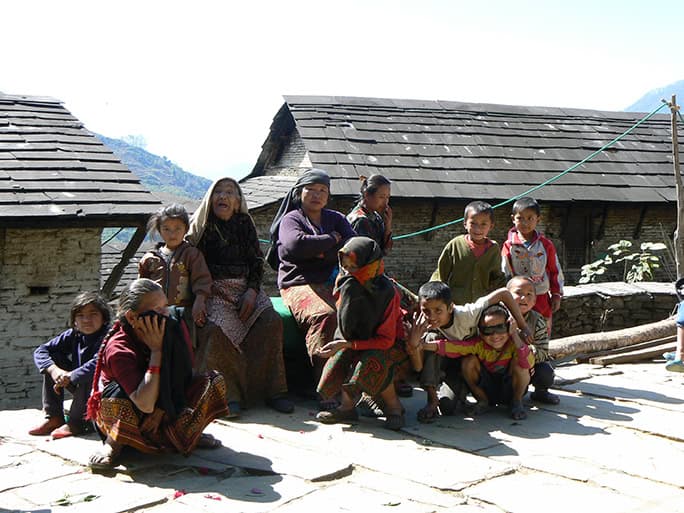
At our Nepal partner’s lodge, local employment, career development and comprehensive employment benefits are priority.
97% of the staff has been working with the lodge over 8 years, most having formed part of its initial construction team, with most local families having at least 1 member employed – as well as being supported by the lodge in other ways, such as private water taps, fair price produce and access to local education and health initiatives.
“The communities in which Tiger Mountain Pokhara Lodge is privileged to operate are our stakeholders, vital partners in the business”
-
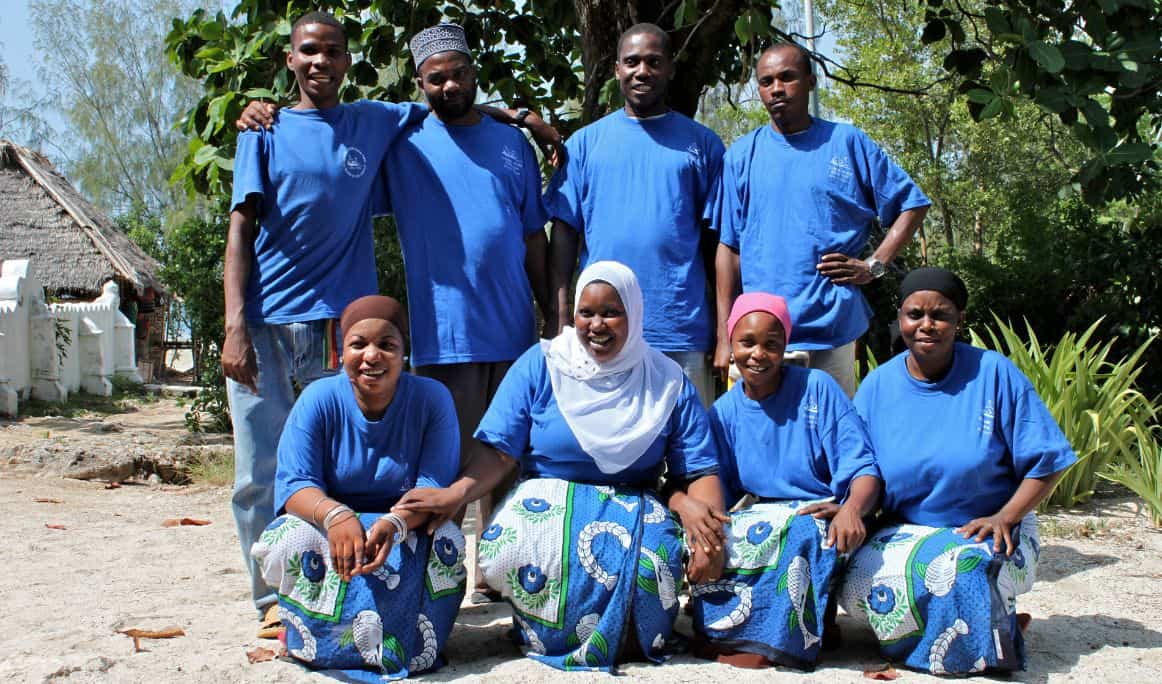
At Chumbe Island Coral Park, employing women is given preference, currently forming 40% of the workforce. Local people are also offered income opportunities through construction and maintenance of the ecolodge, food supplies, transport operations, handicrafts sold in the boutique, and organic toiletries by local women’s co-operative.
-
At Grootbos Private Nature Reserve in South Africa, over 80% of the staff are from the local community. Upskilling opportunities include a horticulture training school, an organic garden, and guiding school.
Local & indigenous rights & access
Tourism can threaten the culture, lifestyles and livelihoods of indigenous people and too often locals can be deprived of land rights in the tourism development process.
-
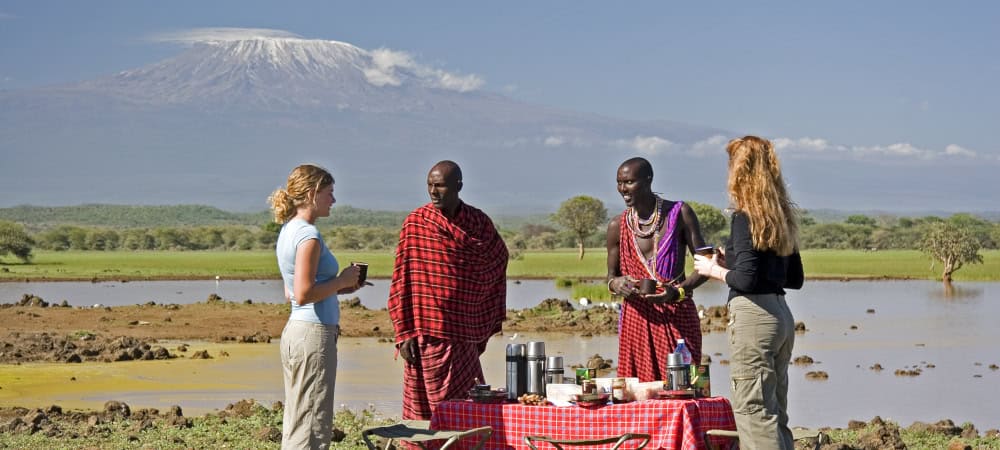
Campi ya Kanzi in Kenya was co-created as a true partnership with the Maasai people: A community-run boutique ecolodge, on Maasai community land, employing local Maasai people, paying tourism revenues locally and supporting a community trust, to ensure the Maasai were and continue to be the decision makers in the tourism product.
But it has also meant some challenges: whilst the benefits of tourism have brought vital health, education, infrastructure and services, safari wildlife tourism likes big cats – a potential conflict as predators to the Maasai’s pastoral livelihood. The ‘Wildlife Pays’ Program thus compensates for livestock killed, funded by a nightly Payment for Ecosystem Services (PES) conservation fee.

-
Lapa Rios in Costa Rica was about the local people and community from its outset, as stewards of their land. In 2010, a Stanford University study confirmed it not only delivers social, economic and environmental benefits in the region, but makes a substantial contribution to local livelihoods and environmental conservation.
In 2013, the future use of the reserve for educational purposes only was confirmed with the signing of a conservation easement to ensure its primary forest will always be preserved in perpetuity, ie. conserved regardless of ownership.
Fair distribution of costs and benefits
Positive impact tourism works as a social enterprise to generate funds through tourism to channel into local development projects to reduce locals’ inequality.
-
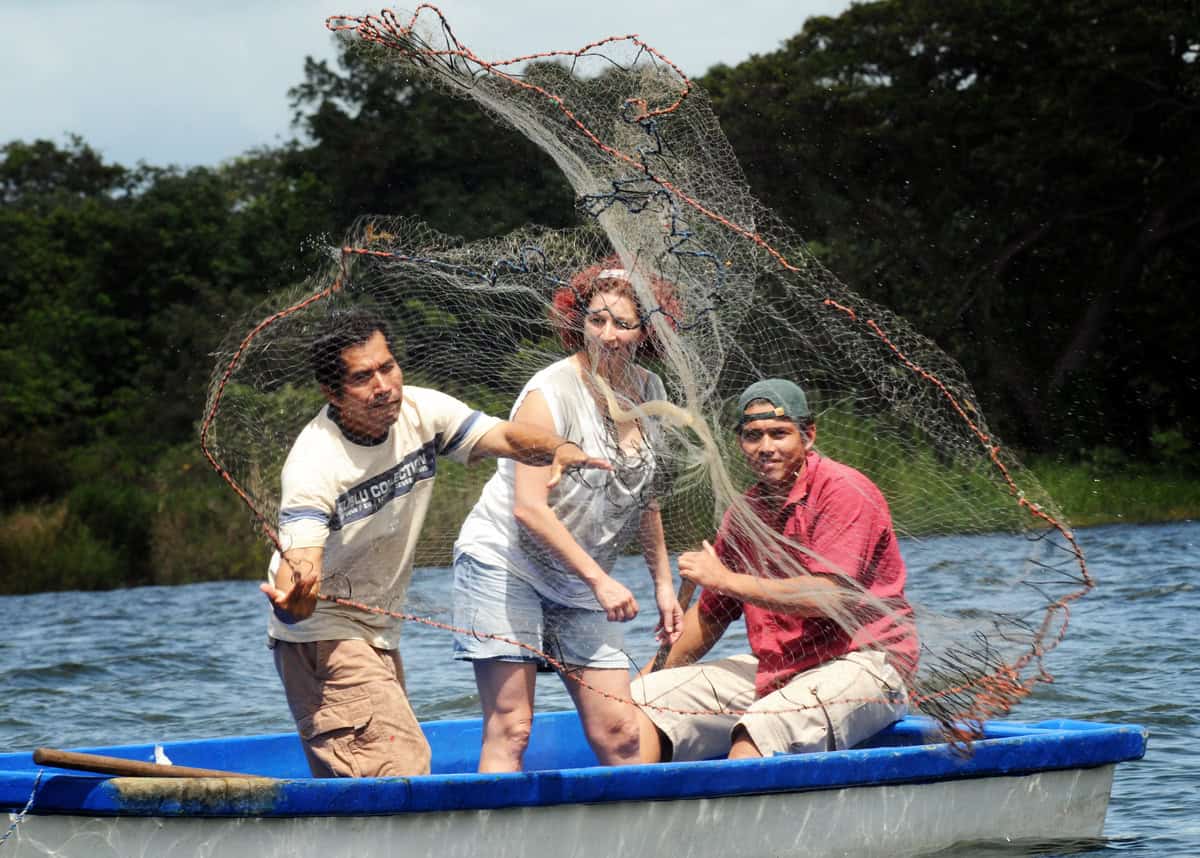
In Nicaragua, Jicaro Island Ecolodge buy local not just to support local people but also involve the local community and culture. For example, the freshly caught seafood isn’t just an economic agreement with the local fishermen, but an opportunity to learn about sustainability approaches, and cultural exchange for guests.
Where Jicaro looked to cut unsafe drinking water from the lake being replaced with expensive bottled water and unnecessary plastic bottle waste, it did so for the whole 600-strong community by installing a filtration system; likewise it’s provided community solar energy panels and helped fight malnutrition within the children with its “glass of milk” school initiative.
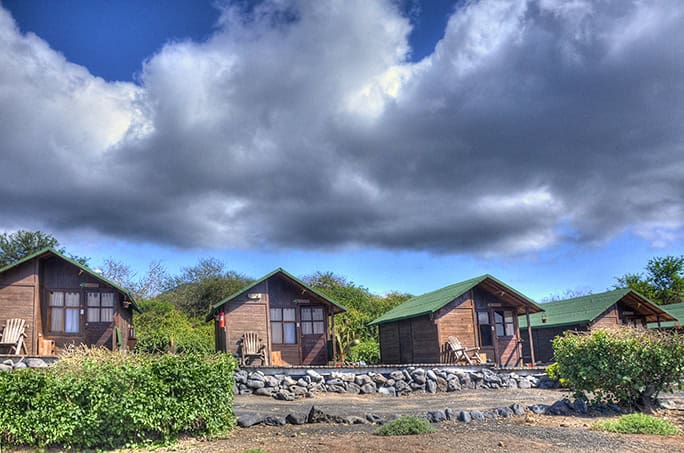
The first community-based tourism in the Galapagos was created on Floreana as the island’s small resident population have not been able to enjoy the passing-through tourism’s benefits, whilst offering guests a rare insight into real community and culture with the opportunity to stay on the Island.
Community-based tourism is not all plain sailing however: Tropic who developed this used their model from award-winning Huaorani Ecolodge, where they sadly had to stop operations in May 2016 due to oil company seismic explorations within the Huaorani territory.
How does Earth Changers help?
Ultimately, transforming inequalities is one of the reasons we exist, a raison d’etre. Earth Changers are here to help, explain, educate and to catalyse and facilitate Change, to see wondrous places and people on this Earth equalise and flourish.
We prioritise and enable booking to be made direct to get more money into destinations, rather than international online travel agencies.
Our Places demonstrate People’s absolute commitment to positive impact sustainability. They are the manifestation of hopes of a better world and the delivery vehicles for locals’ dreams.
We put People at the centre. All our People are Earth Changers, developing and supporting amazing Places to grow to potential and be everything they can be. All our Places are Earth Changers, demonstrating awesome destination strengths in the face of often incredible adversity to thrive. And all our guests and followers are Earth Changers too, by supporting and learning about the cause.
Links with the other Sustainable Development Goals
Reducing inequalities is not just a goal on its own; true achievement lies in mutual dependence with other SDGs: Failing to curb inequalities would result in failure of other SDGs, and failure of other SDGs would result in failure to reduce inequalities.
Earth Changers’ overall Purpose is to bring greater equality in the world through tourism which has a significant positive impact. Our Purpose section articles break down the multi-dimensional issues into more digestible chunks, linked to understand inter-relatations.
Goal 1 – End poverty: whether abject or relative, poverty means some people do not have enough to live on.
Goal 2 – Zero hunger: would be supported with equal access to food, land to grow and market/purchase, for nutrition and livelihoods.
Goal 3 – Health & well-being: High inequality plays out in large disparities in access to health care and services.
Goal 4 – Quality education: is not accessible to all where inequality exists
Goal 5 – Gender equality: in employment and pay would mean women contribute development & communities prosperity.
Goal 6 – Clean water & sanitation: Unequal access to water is a huge inequality worldwide, especially between tourism and locals.
Goal 7 – Clean energy: Energy access is not equal around the world or within nations.
Goal 8 – Decent work & economic growth: Equal opportunities in employment, recruitment, pay and promotion support decent work.
Goal 9 – Industry, innovation & infrastructure: Offer extensive opportunities to level up equalities & lives: jobs, investment, creativity.
Goal 11 – Sustainable cities & communities: Only with more equality will human settlements be more inclusive, safe, and resilient.
Goal 12 – Sustainable consumption & production is not possible in an unsustainable environment of inequality.
Goal 13 – Climate change: Adverse weather patterns can have a huge impact on equality in life, food and water access, materials.
Goal 14 & 15 – Life below water / on land: A life of inequality is less likely to enable access to appreciate nature and conservation,
Goal 16 – Peace, justice & strong institutions: Inequality and growing disparities are not just.
Goal 17 – Partnerships for the Goals: Levelling up inequality can’t be done alone. All goals require work across sectors in tourism.