



Covid made more people sit up and take notice of the bigger crises happening under our noses – climate, biodiversity and social equalities. We’re currently failing on delivering the targets required for the UN Sustainable Development Goals in less than a decade, and the Climate Crisis Paris Agreement 2050 1.5 degree cap trajectory. Much of this stems from the pure-profit drive of market-based production and consumption negatively impacting society and environment (the other 2 pillars of the sustainability triple bottom line).
In tourism, ever since Thomas Cook created the package tour in 1841, a mass-volume, low-cost industrial model has developed, continually growing at an accelerated rate until the pandemic hit in 2020. Then Covid caused the closure of 100% of worldwide destinations simultaneously, an 80% drop of the market (OECD), and sector contribution to GDP reduction of -49.1% in 2020, from US $9.2 trillion in 2019 to US $4.7 trillion – a loss of ~US $4.5 trillion, along with fall of employment of 62 million jobs worldwide, from 334 million to ~272 million: a 18.5% decline (WTTC).
Normally representing roughly 10% GDP and jobs worldwide, the pandemic highlighted the lack of resilience (sustainability): destinations dependent on a tourism volume growth model which ironically simultaneously damages their very existence.
Travel and tourism companies, and the communities and clients they serve, all need to be part of the societal shift that everyone helps achieve the SDGs and the Climate Crisis Paris Agreement – so travel can continue, sustainably.
Where has Responsible Tourism Been?
Responsible tourism has been discussed and developed for many years, defined in the “Cape Town Declaration” in 2002, alongside the World Summit on Sustainable Development (responsibletourismpartnership.org, 2014).
As the overall tourism market has grown, so has sustainable tourism, but not at the same exponential rate. From a niche interest to what is now a global community of thousands of practitioners, unfortunately there has been a widening gap with consumer mass market volume demand growth, where sustainability was seen as a separate sector specialism: a nice-to-have add-on, rather than requirement integrated throughout all tourism. Until Covid woke up more of the world to the requirements of resilience in tourism actually being sustainable tourism.
In more recent years, overtourism (2012, Twitter; 2016, Skift) was really the first issue where the mass market had to confront responsible tourism’s ‘better places for people to live in and better places to visit’ tenet, with residents’ views fighting to be heard and destinations asking themselves “is tourism really worth it?”.
So why has this come about and how do we leave behind the stale structures of the past that no longer serve us, to transform to a new Covid era world with new models that embrace the paradigm shift and tourism which contributes positively to the world, its communities and guests?
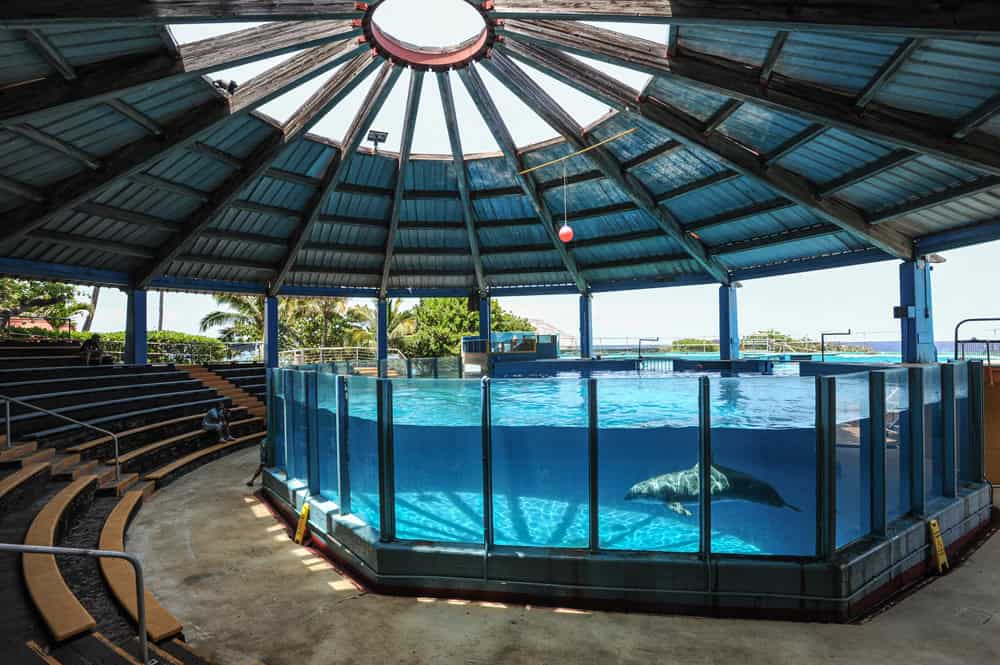
Volume-Targeted Tourism
To date, much of the tourism’s focus has been volume growth due to how it is targeted.
Historically, state-funded tourist boards’ job was to entice and support visitors’ stays with information. To do so, they were allocated government budget to create a positive perception of the place and attract visitors whose spending was valuable in supporting the local economy and jobs.
To justify the budgets were spent appropriately, quantitative targets were set by governments for tourists boards, to ensure a good return on their investment.
Quantitatively, the easiest thing to count and so target was simply the number of visitors to a destination: information collectible from ports of entry, borders, transport and accommodations.
And so, volume numbers of tourists became the measure and target.
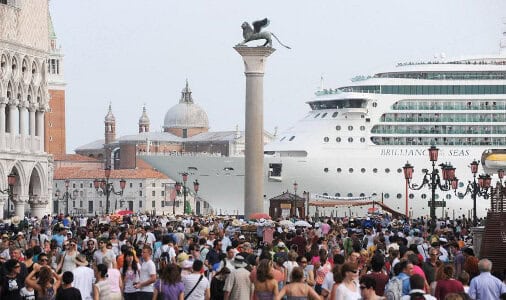
But of course just the volume of tourists doesn’t give a destination marketing organisation such as a tourist board the full picture of how tourism impacts a place.
Tourism Satellite Accounts
Other measures a destination marketing organisation might consider its efficacy include:
-
Domestic vs international visitors
-
Number of excursionist day visitors vs overnight/multi-day visitors
-
The duration visitors stay / numbers of ‘bed nights’
-
Tourism expenditure by service (eg. accommodation, food and beverages, different transports, travel agencies, cultural or recreational activities, conferences and meetings) by visitors or by spend value.
-
Number of jobs tourism supports
-
Value of tourism / contribution made to GDP
The Tourism satellite account was developed by a number of international organisations (UNWTO, OECD, Eurostat, UN Statistical Division) as a standardised tool to assess tourism’s economic impacts.
A tourism satellite account integrates this type of data about the supply and use of tourism-related goods and services into a single format. It summarises the contribution tourism makes to expenditure/production and employment, assets and liabilities, and is consistent and integrated with a country’s official national accounts.
What’s wrong with Economic Measures of Tourism?
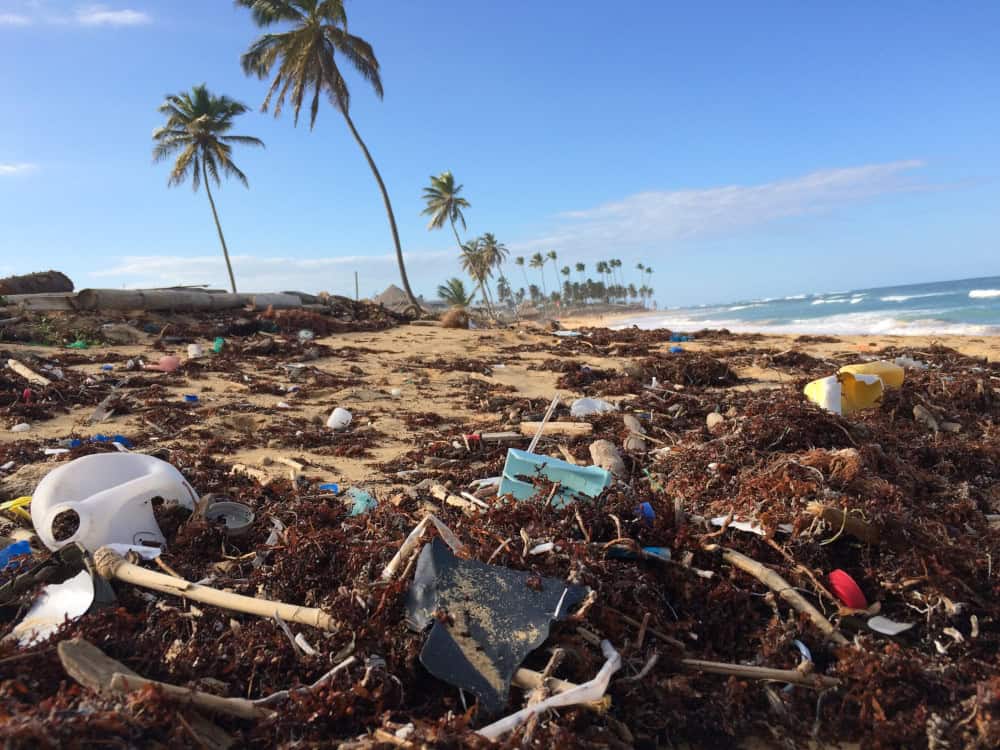
Economic measures mean destination marketing organisations aim to increase their quantitative volume of visitors, with qualitative considerations: It is therefore not surprising that destinations ended up with Overtourism – huge volume growth and a bad quality experience for guests and hosts alike.
They don’t consider the type of visitor, the cross-sectoral supply chains required and effected by tourism, nor least the environmental, social and total holistic cost to the host place – the ‘invisible burden’ of tourism (The Travel Foundation, 2019).
Qualitatively speaking, guest surveys were left to tourism providers (tour operators, accommodations, transportation) with destinations none the wiser on visitor perceptions and local impacts not considered.
Carrying Capacity
‘Carrying capacity’ is a concept which tries to address volume growth: “The maximum number of people that may visit a tourist destination at the same time, without causing destruction of the physical, economic, socio-cultural environment and an unacceptable decrease in the quality of visitors’ satisfaction” (UN World Tourism Organisation), but equally this is a flawed concept.
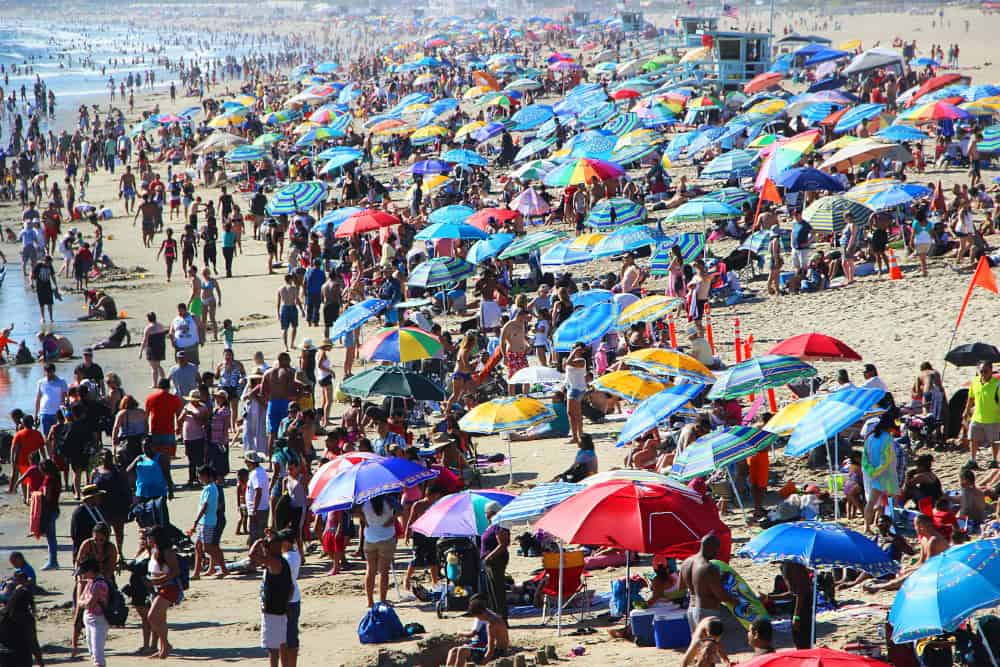
Carrying capacity doesn’t consider how visitors disperse over time and location, nor the impacts of dynamic nature – whether it be wildlife moving (eg. whale season) or seasonal changes.
As a result, ‘Limits of Acceptable Change” was a framework introduced to respond (by the U.S. forest service in the 1980s), with the idea there’s a tolerance threshold to visitors’ ebb and flow, and a tourist site requires constant monitoring.
But, type of tourism (eg. cruise vs hiking) and behaviour of tourists can also vary enormously (bachelor parties are very different to bird watchers!), thus the wider tourism impacts are still not captured in a holistic way.
Therefore, as tourism evolves, and as both destinations and guests we expect it to offer purpose, resilience and transformation, we need new ways of measuring not just what tourism brings, but the holistic impacts it creates.
Consumer Demand
Guests want happiness. In the American Express Global Travel Trends Report of consumers surveyed during the Covid pandemic and lockdown (January, 2021),
-
87% agree that having a trip planned in the future gives them something to look forward to
-
Planning future travel makes them feel excited (63%), happy (53%) and hopeful (53%).
-
78% of respondents indicate wanting to travel in 2021 to relieve the stresses from 2020.
The Covid pandemic presented a pivotal moment to change how we measure – and so target – tourism, not just for tourists’ happiness, but to reflect our greater understanding of the need and desire for sustainability and regeneration and happiness of our hosts.
Read more:
- In Part 2, we consider for hosts and guests whether tourism creates happiness, and measuring ‘Beyond GDP’.
- In Part 3, we look at measuring tourism impact considering well-being, social progress and living standards.
- In Part 4, we consider Rethinking Tourism Development through Doughnut Economics
- Regenerative Tourism: What is it and What is it Not?#
- Post Covid: A more sustainable ‘New Normal’?