

Tourism x United Nations: #IY2017
The United Nations World Tourism Organization (UNWTO) is the specialized agency responsible for the promotion of responsible, sustainable and universally accessible tourism.
“The declaration by the UN of 2017 as the International Year of Sustainable Tourism for Development (#IY2017) is a unique opportunity to advance the contribution of the tourism sector to the three pillars of sustainability – economic, social and environmental, while raising awareness of the true dimensions of a sector which is often undervalued”
— UNWTO Secretary-General, Taleb Rifai, December, 2015.
#IY2017, the UN Year of Sustainable Tourism for Development, offered an opportunity to explain tourism throughout the world, to organisations and the consumer public in a way with which they can connect, engage, communicate and celebrate, in the context of beneficial purpose – with an official hashtag, #TravelEnjoyRespect.
UN Tourism and the Sustainable Development Goals
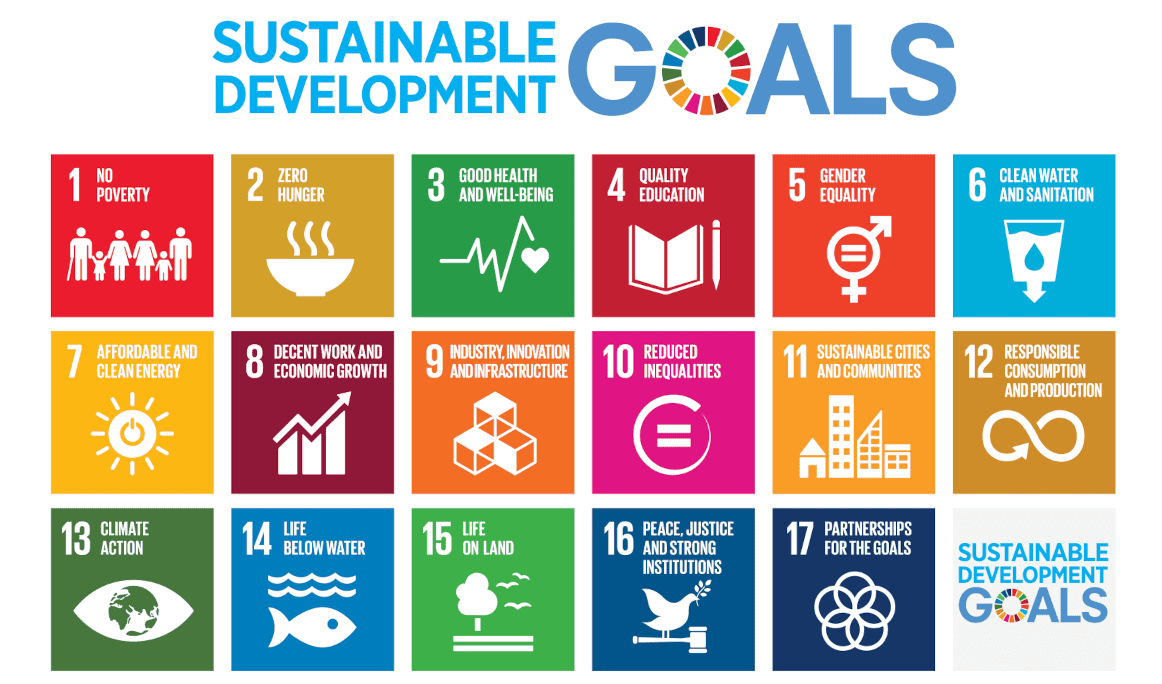
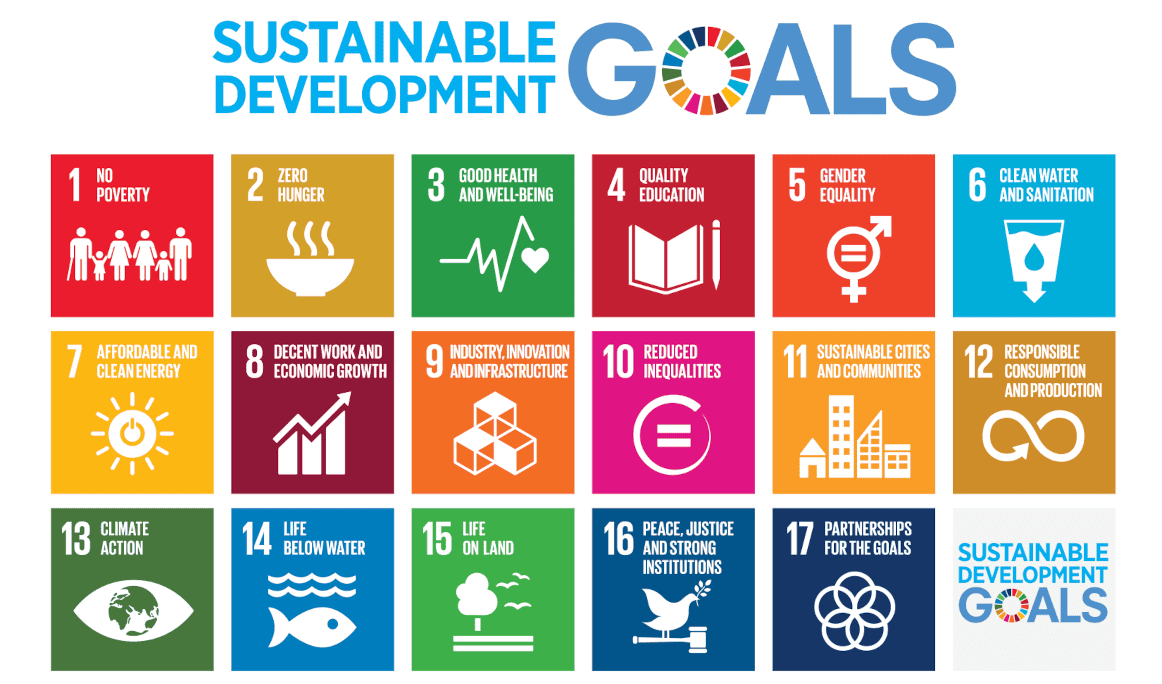
The purpose of the UN Sustainable Development Goals is to end poverty and hunger, improve health and education, make cities more sustainable, combat climate change, protect the world and oceans from environmental degradation and foster prosperous, peaceful, just and inclusive societies.
The UN SDGs are the ambitious inter-governmental set of the 17 Global Goals, associated 169 targets and 231 indicators: “people-centred, transformative, universal and integrated”, to build on the Millennium Development Goals (MDGs).
Tourism, specifically mentioned in three SDGs (#8, #12, #14), actually has the potential to contribute, directly or indirectly, to all of the goals, in more ways than most industries. It’s one of the top GDP earners for countries, especially the Least Developed Countries of the world, it can reach into all corners of a country (not just in focused areas like extractive industries) and can offer great benefits to a country’s people at many levels.
Protection of environments, species and cultural heritage, appreciation and understanding of the inherent values of different cultures and societies are just some of the positive impacts tourism can actually create when managed in the right way. As described by the UN World Tourism Organisation UNWTO,
The SDGs:
1. End poverty in all its forms everywhere
 As one of the largest and fastest growing economic sectors in the world, tourism is well-positioned to foster economic growth and development at all levels and provide income through job creation. Sustainable tourism development, and its impact at community level, can be linked with national poverty reduction goals, those related to promoting entrepreneurship and small businesses, and empowering less favoured groups, particularly youth and women. Read more on how to End Poverty >
2. End hunger, achieve food security and improved nutrition and promote sustainable agriculture

Tourism can spur agricultural productivity by promoting the production, use and sale of local produce in tourist destinations and its full integration in the tourism value chain. In addition, agro-tourism, a growing tourism segment, can complement traditional agricultural activities. The resulting rise of income in local communities can lead to a more resilient agriculture while enhancing the value of the tourism experience. More about Zero Hunger >
3. Ensure healthy lives and promote well-being for all at all ages

Tourism’s contribution to economic growth and development can also have a knock-on effect on health and well-being. Foreign earnings and tax income from tourism can be reinvested in health care and services, which should aim to improve maternal health, reduce child mortality and prevent diseases, among others. More on Good Health & Well-Being >
4. Ensure inclusive and equitable quality education and promote lifelong learning opportunities for all
 A well-trained and skillful workforce is crucial for tourism to prosper. The sector can provide incentives to invest in education & vocational training and assist labour mobility through cross-border agreements on qualifications, standards and certifications. In particular youth, women, senior citizens, indigenous peoples & those with special needs should benefit through educational means where tourism has the potential to promote inclusiveness, the values of a culture of tolerance, peace & non-violence, & all aspects of global exchange & citizenship. More>

Tourism can empower women in multiple ways, particularly through the provision of jobs and through income-generating opportunities in small and larger-scale tourism and hospitality related enterprises. As one of the sectors with the highest share of women employed and entrepreneurs, tourism can be a tool for women to unlock their potential, helping them to become fully engaged and lead in every aspect of society. Read more about equality >
6. Ensure availability and sustainable management of water and sanitation for all
 Tourism can play a critical role in achieving water access and security, hygiene and sanitation for all. The efficient use of water in the tourism sector, coupled with appropriate safety measures, waste water management, pollution control and technology efficiency, can be a key to safeguarding our most precious resource. More on water >
7. Ensure access to affordable, reliable, sustainable and modern energy for all
 As a sector that requires substantial energy input, tourism can accelerate the shift toward renewable energy and increase its share in the global energy mix. Consequently, by promoting sound and long-term investments in sustainable energy sources, tourism can help to reduce greenhouse gas emissions, mitigate climate change and contribute to innovative and new energy solutions in urban, regional & remote areas. More on sustainable energy >
 Tourism is a driving force of global economic growth, currently providing 1 in 11 jobs worldwide. By giving access to decent work opportunities in tourism, society – particularly youth & women – can benefit from increased skills & professional development. Target 8.9 recognises tourism’s contribution to job creation “By 2030, devise & implement policies to promote sustainable tourism that creates jobs & promotes local culture & products”. More >
 Tourism development relies on good public and privately supplied infrastructure and an innovative environment. It can also incentivise national governments to upgrade their infrastructure and industries to be more sustainable, resource-efficient and clean, as a means to attract tourists, and other sources of foreign investment. This should also facilitate further sustainable industrialization, for economic growth, development and innovation >
10. Reduce inequality within and among countries
 Tourism can be a powerful tool for community development & reducing inequalities if it engages local populations & all key stakeholders in its development. Tourism can contribute to urban renewal & rural development & reduce regional imbalances by giving communities the opportunity to prosper in their place of origin. Tourism is an effective means for the Least Developed Countries (LDCs) to take part in the global economy. In 2015, LDCs received US$ 1.4 billion in exports from international tourism (7% total exports) helping some graduate from LDC status. More >
11. Make cities and human settlements inclusive, safe, resilient and sustainable
 A city that is not good for its citizens is not good for tourists. Sustainable tourism has the potential to advance urban infrastructure and universal accessibility, promote regeneration of areas in decay and preserve cultural and natural heritage, assets on which tourism depends. Greater investment in green infrastructure (more efficient transport facilities, reduced air pollution, conservation of heritage sites and open spaces, etc.) should result in smarter and greener cities, from which residents and so tourists, can benefit >
12. Ensure sustainable consumption and production patterns
 A tourism sector that adopts sustainable consumption and production (SCP) practices can play a significant role accelerating the global shift towards sustainability. To do so, as set in Target 12.b, it is imperative to “Develop and implement tools to monitor sustainable development impacts for sustainable tourism which creates jobs, promotes local culture and products”. The Sustainable Tourism Programme (STP) of the 10-Year Framework of Programmes on Sustainable Consumption and Production Patterns (10YFP) aims at developing such SCP practices >
13. Take urgent action to combat climate change and its impacts
 Tourism contributes to and is affected by climate change. It is, therefore, in the sector’s own interest to play a leading role in the global response to climate change. By lowering energy consumption and shifting to renewable energy sources, especially in the transport and accommodation sector, tourism can help tackle one of the most pressing challenges of our time (UNWTO). Read more about climate change action >
14. Conserve and sustainably use the oceans, seas and marine resources for sustainable development
 Coastal and maritime tourism, tourism’s biggest segments, particularly for Small Island Developing States’ (SIDS), rely on healthy marine ecosystems. Tourism development must be a part of Integrated Coastal Zone Management in order to help conserve & preserve fragile marine ecosystems and serve as a vehicle to promote a blue economy, in line with Target 14.7, “By 2030, increase the economic benefits to SIDs & LDCs from the sustainable use of marine resources, including through sustainable management of fisheries, aquaculture & tourism. More >
15. Protect, restore and promote sustainable use of terrestrial ecosystems, sustainably manage forests, combat desertification, and halt and reverse land degradation and halt biodiversity loss.

Majestic landscapes, pristine forests, rich biodiversity, and natural heritage sites are often main reasons why tourists visit a destination. Sustainable tourism can play a major role, not only in conserving and preserving biodiversity, but also in respecting terrestrial ecosystems, owing to its efforts towards the reduction of waste and consumption, the conservation of native flora and fauna, and its awareness raising activities. More on biodiversity conservation >
16. Promote peaceful and inclusive societies for sustainable development, provide access to justice for all and build effective, accountable and inclusive institutions at all levels
 As tourism revolves around billions of encounters between people of diverse cultural backgrounds, it can foster multicultural & inter-faith tolerance & understanding, laying foundations for more peaceful societies. Sustainable tourism benefits & engages local communities, can provide a source of livelihood, strengthen cultural identities, spur entrepreneurial activities, help prevent violence & conflict to take root, and consolidate peace >
17. Strengthen the means of implementation and revitalize the global partnership for sustainable development
 Due to its cross-sectoral nature tourism has the ability to strengthen private/public partnerships and engage multiple stakeholders – international, national, regional and local – to work together to achieve the SDGs and other common goals. Indeed, public/public cooperation and public/private partnerships are a necessary and core foundation for tourism development, as is an increased awareness in the role of tourism in the delivery on the post-2015 Development Agenda. Read more on partnerships and sustainable tourism >
 Earth Changers supports the Sustainable Development Goals and exists to highlight and promote the best Sustainable Tourism for Development in the world.
Where can you go that, by doing so, you contribute to communities and conservation for positive impacts and net benefits to the planet? Navigate above to our amazing sustainable Places to go, read about the People behind them, and the Purpose by which they are driven. Be an Earth Changer and have an extraordinary experience too.