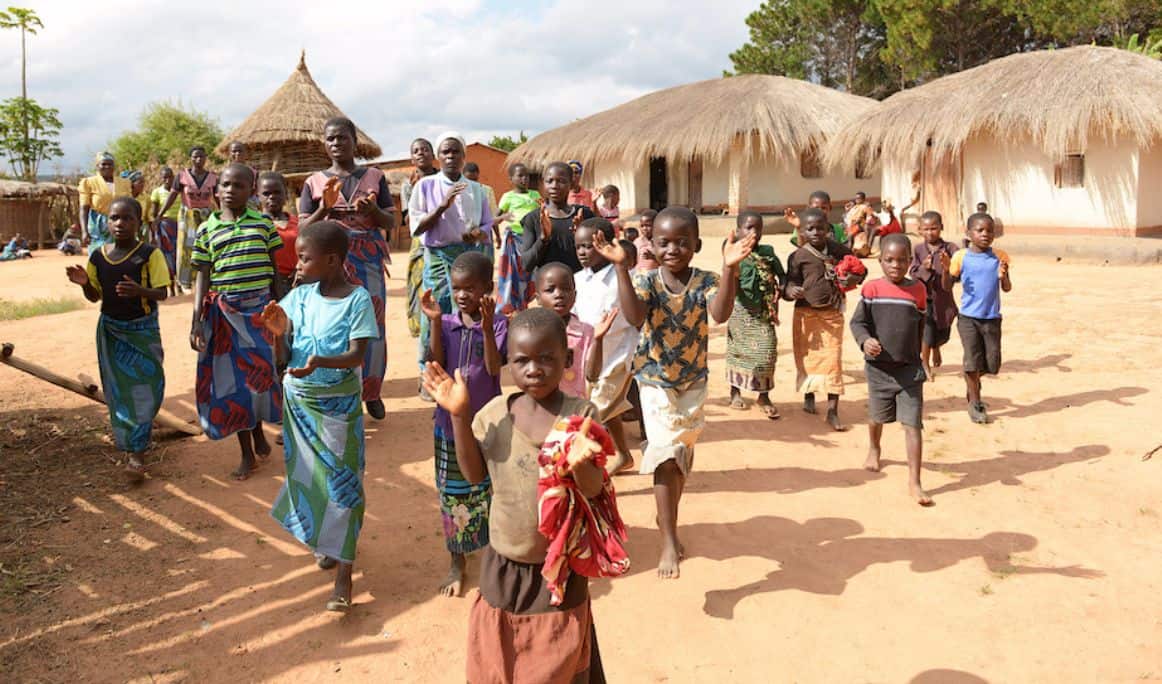



Make Poverty History: Tourism Can Help
The official international poverty line is defined (World Bank, 2025) at $3.00 or below per person per day using ‘international dollars’, a hypothetical currency that adjusts for price differences between countries using purchasing power parity (PPP) and adjusted for inflation price changes over time. This poverty threshold has seen incremental increases over the years, previously: $1.00 per person per day (1990), $1.08 (1993), $1.25 (2008), $1.90 (2015), $2.15 (2017).
Definitions of poverty matter: They define the standard at which we find being poor unacceptable and set the bar for responsibility and pro-active support. But we may shy away from talking about it through awareness – or guilt – of inequality.
Poverty alleviation is one of the greatest global challenges, thus Sustainable Development Goal #1 of the 17 Global Goals:
SDG #1
“End poverty in all its forms everywhere”
Progress on Sustainable Development Goal 1 No Poverty
-
10%: Globally the number of people living in extreme poverty in 2025, having declined from 36% in 1990. But poverty reduction is now “virtually at a standstill” (UN) and remains the same % with an increasing population.
-
17-18%: the worldwide poverty rate in rural areas – more than three times higher than in urban areas (5-6%).
-
6.5% employed workers and their families worldwide live in extreme poverty – having a job does not guarantee a decent living: down from 8% in 2018, but progress is slow (2025, ILO).
-
20%: children, one in five, live in extreme poverty: disproportionately affected vs 10% total population (UNICEF, World Bank)
-
48% of the world’s population – about 4 billion people – still lack any form of social protection (ILO, World Bank).
-
>6%: Projected global population still living in extreme poverty in 2030, missing the target of ending poverty, due to the pandemic, climate shocks, and global crises.
-
70–163 million additional people pushed into poverty due to Covid19 economic fallout.
-
80%: of those in extreme poverty live in sub-Saharan Africa and South Asia, with an additional 23–31 million and 16–32 million people, respectively, as a result of the Covid-19 pandemic (WEF).
-
30: The number of years since poverty really increased globally: 1990 until the Covid pandemic.
The pandemic highlighted the importance of robust social protection systems and emergency preparedness for safeguarding the poor and vulnerable.
Challenges of SDG1, No Poverty
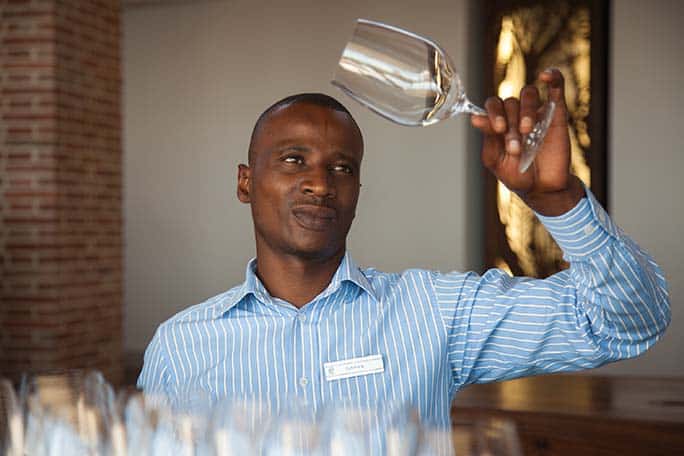
Poverty can be relative – when people do not have a certain minimum level of living standard compared to the rest of society in the same or other country (Some nations develop their own poverty lines). Or it can be absolute (extreme, destitution) – a lack of means necessary to meet basic needs such as food, clothing and shelter, the same independent of location. The former president of the World Bank, Robert McNamara, described absolute poverty as,
“a condition of life so degraded by disease, illiteracy, malnutrition and squalor as to deny its victims basic human necessities”
Poverty is multifaceted and can comprise social, economic, environmental and political elements. For example, areas of poverty may seriously lack employment opportunities especially for women, who then don’t feel they have the right to contribute to household discussions and that they are not as well respected as men within the community. It also impacts on wider society, particularly important in areas where access to water, sanitation, medical care and employment opportunities is traditionally limited: Where women earn their own money, household spending on health and education increases.
The multidimensional poverty index (MPI) is an aggregate measure of deprivation taking into account poor health, lack of education, inadequate living standard, lack of income, disempowerment, poor quality of work and threat from violence.

So many of the Sustainable Development Goals affect and are affected by poverty – possibly why End Poverty was created as SDG Goal #1. There is a correlation between income inequality and higher rates of health and social problems (eg. obesity, mental illness, incarceration), lower rates of social goods (eg. life expectancy, educational level, social mobility) causing trust, anxiety, excessive consumption and further illness.
Unsurprisingly, the downward spiral leads to greater volumes of people at the bottom of the pyramid: As wealth increases, so fewer people have it. The most have the least.
Just 1.1% of the world population controls nearly half (46%) of all wealth (Credit Suisse, 2021; UBS, 2025); the bottom 50% of the world’s adult population owns just 1.3% of global wealth .
Such inequality may initiate growth from entrepreneurial value-demanding consumers, The Fortune at the Bottom of the Pyramid, which, if sustained, may lead to improved wealth distribution. However, the gap between the Top of the Pyramid and the Bottom of the Pyramid is widening over time: Global inequality is growing.
Poverty Reduction over No Poverty?
Given the current economic trajectory and model built on GDP, and revised, higher poverty lines, it would take many countries several decades – sometimes more than a century – to lift their poorest populations above $3.00/day threshold, or even even that of $2.15/day, let alone fully eradicate extreme poverty. The poorest 1% remain at risk of being left behind, and the world is not on track to meet the goal of ending poverty by 2030 (UN).
Poverty reduction is more realistic than eradication – even then assuming no economic or ecological crises…
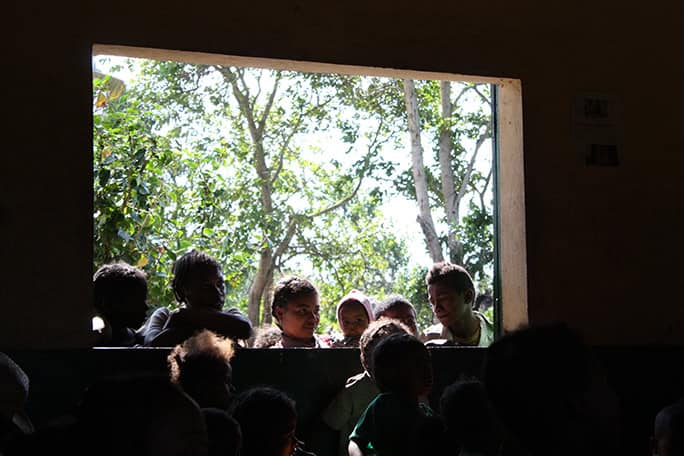
Poverty alleviation involves improving the living conditions of the already poor. Development may be constrained by a lack of freedoms: Land and property rights, access to finance and technology; corruption and political instability can discourage investment and support by government in education, health and infrastructure. Foreign aid budgets may be reduced, tie governments into monopolistic trade relations and create unsustainable dependencies.
Historically successful amelioration shows state-led change combining economic and social policies: Social issues aren’t a consequence of economic growth turned on their head, instead looking at structural causes and drivers of poverty, social inequality and environment degradation to create better conditions for economically, environmentally and socially sustainable futures.
Social problems like poverty and inequality are not just side effects of economic growth. In the past, real progress has happened when governments actively led the way, using both economic and social policies together. We need to look at the deeper, root causes, of these problems—like unfair systems and environmental harm—and address them directly, not just hope that growing the economy will fix everything and hoping social problems will disappear on their own.
Economic and Other Measures of Poverty
Using GDP as a measure of poverty is perhaps unhelpful, based as it is on extraction, production and consumption, its growth doesn’t necessarily or really benefit the poor: The richest have been shown to benefit most, and its ‘trickle-down’ ineffective. If current levels of inequality persist, raising the poorest two-thirds of humanity to even a modest income like $5 per day would require an unsustainably massive increase in global GDP. This highlights the need for fairer distribution, not just more economic growth, to end poverty without destroying the planet.
Social policies need to consider redistribution of wealth, and other definitions and measurement of what it means to be “poor” – for example, aiming for the Happy Planet Index of nations’ sustainable well-being for all. For indigenous peoples, poverty isn’t about economics:
“Poverty is about our land, our well-being, our spirituality, our dignity – and when these are affected then we regard ourselves poor.” – Joan Carling, indigenous rights defender, Kankanaey tribe, Philippines, associated with Tebtebba.
A focus on economic growth can actually lead to grabs on their land, the displacement of indigenous peoples and to resource extraction without their permission. Sustainable development requires a human rights perspective and inclusion (Capacity4dev, 2017).
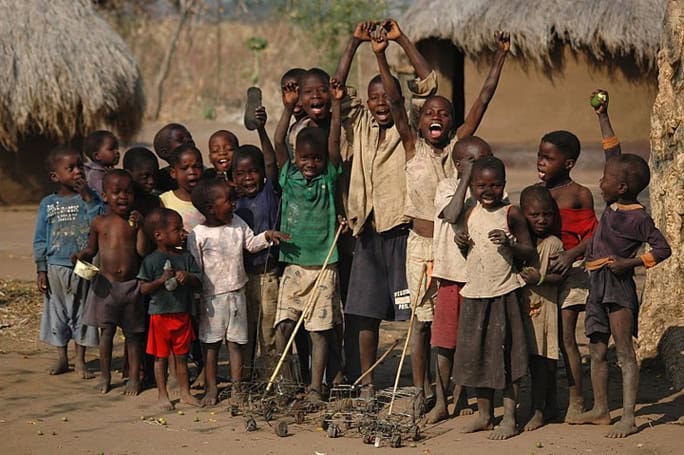
Global Poverty Location
The greatest areas of poverty are:
- Sub-Saharan Africa: now the epicenter of global extreme poverty, accounting for 67% of all people living in extreme poverty, despite having only about 16% of the world’s population (World Bank, June 2025). Most of the world’s poorest countries by GDP per capita are in Sub-Saharan Africa—19/20 of the poorest, with Afghanistan being the only non-African country in the top 20.
- South Asia: despite poverty rate reduction from 9.7% to 7.3% in 2022 due to progress in countries like India, the region still has hundreds of millions living in poverty.
Poverty reduction is not uniform across the world; prospering countries such as China and Brazil have made more progress in the measures of absolute poverty reduction than other countries, but it may not benefit all.
How can tourism help poverty?
Of course, tourism cannot solve all poverty problems alone. But, it can be well positioned to foster sustainable growth and development in areas of poverty and lift people out of it. Pro-poor tourism pro-actively focuses on the end result of net benefits for poor.
Tourism’s value in the global economy is enormous, representing ~10% global GDP and jobs. Tourism is one of the largest and fastest growing sectors, labour-intensive means employment-reliant, providing income and entrepreneurial opportunities at community level, empowering less favoured groups such as youth and women, and all in areas of a country that other sectors might not reach.
Tourism in many developing and least developed countries is the most viable and sustainable economic development option, and in some countries, the main source of foreign exchange earnings.
Whilst there is a risk that tourism further separates wealthy tourists in luxury hotels from poor locals prevented from accessing their own natural heritage such as beaches, local people can be the tourism beneficiaries.
There are now ~1.5 billion international tourists whose expenditure can be a force for good worldwide. The potential for tourism to help eradicate poverty is enormous.
-
Jascivan Carvalho certainly believes it. He’s spent 20 years working with local communities to help eradicate poverty in Ecuador:
“We act today for a better tomorrow”.
Income can provide people the opportunity to not just eat, but provide themselves better food for their health, which puts less pressure on already-oversubscribed health services, human-wildlife cattle conflict and poaching conservation issues, or even children ‘orphanage care’ placements for exploitative voluntourism. Income from tourism can be invested into responsible community projects to help develop and increase those same health services, birth control to limit further population demand, clean water and sanitation, family and work support.
-
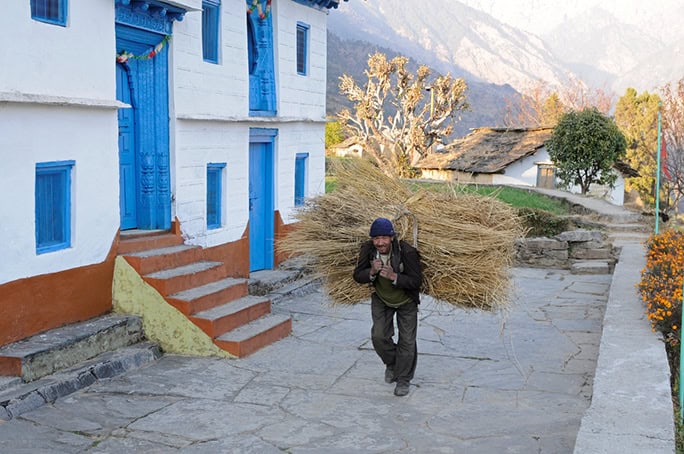
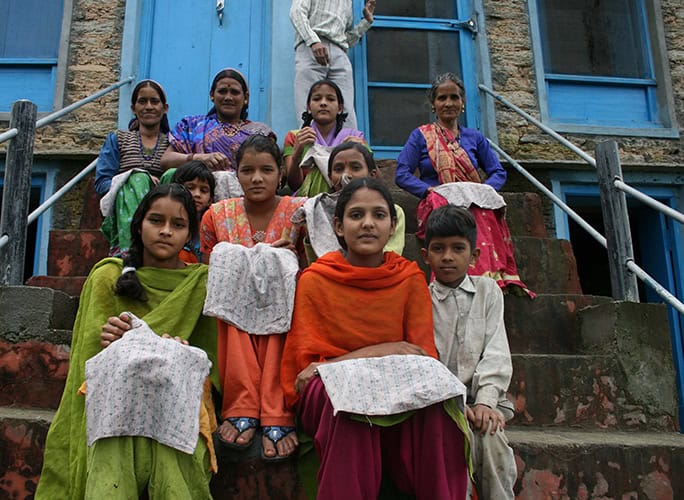
In India, this was the reason for setting up these village to village trekking trips in the Himalaya foothills. At the core are homestay-like guesthouses, with the tourism set up to run alongside to support, but not displace, traditional rural livelihoods.
-
Community, employment, education and health are also the focus for our partner’s lodge in Nepal, to lift the locals out of poverty, who also make sure guests don’t give directly, so as to not encourage begging (disempowering), sweets (bad for teeth) or kids to be out of school.
-
In South Africa, this “Best in Poverty Reduction” award-winning foundation and lodge has played a fundamental role in the uplift of the local community and townships under three programmes: Their Green Futures College offers horticulture, conservation and hospitality training; their Football Foundation – health and wellbeing; and their organic farm Siyakhula – business development, entrepreneurship and food security.
-
At Lake Nicaragua, owner Karen committed to building ecolodge as a local asset for the local people and economy from the outset.
-
Our Malawi partners run trips specifically designed around the Sustainable Development Goals, offering incredible insight into key challenges facing rural communities in Africa, all the while helping eradicate them through the tourists’ immersive learning experiences.
Educational workshops for groups run in conjunction with local partners include Healthcare, Education, Environment, Climate Change, Water, Fair Trade, Sustainable Agriculture and Local Economic Development.
Investment in infrastructure – roads & transportation – is also required for tourism services, often to the benefit of local people too. Tourist services may support more training and education, capacity building in the community, as well as local educational needs like school building, equipment and meal provision to reduce absenteeism.
-
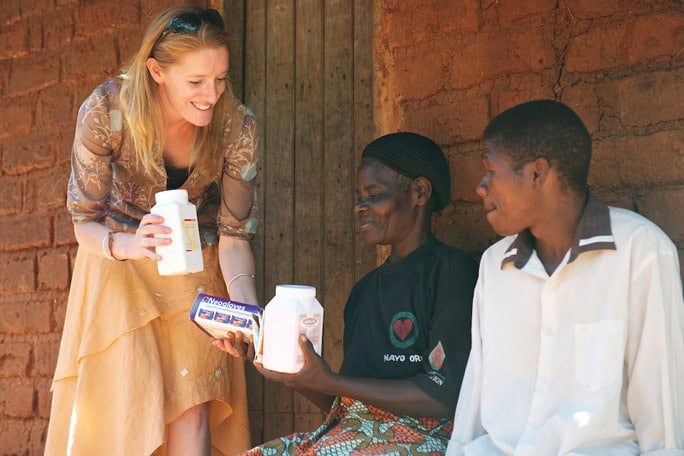
Chumbe Island Coral Park not only employs and trains local people, including supporting illegal fishermen to become guides, but also created a huge marine conservation education programme for the whole of Tanzania, as well as teaching local school students, including Muslim girls, to swim and appreciate the beauty of the environment through snorkelling.
Income from tourism can support the local environment, including marine conservation and key species, the sense of place, engendering in local custodians a strong sense of responsibility, pride and value for their home.
-
SEED Madagascar‘s mission to foster Sustainable Environment Education and Development is to tackle extreme poverty in one the planet’s most unique and endangered environments. Despite its flora and fora abundance, it’s one of the world’s least developed and most impoverished countries: Over 90% live on less than $3.10 per day, with poverty especially severe in the south and southeast due to climate shocks such as droughts, cyclones, and floods. SEED Madagascar enables you to hands-on help with solutions for health, conservation, education and livelihoods as a volunteer.
-
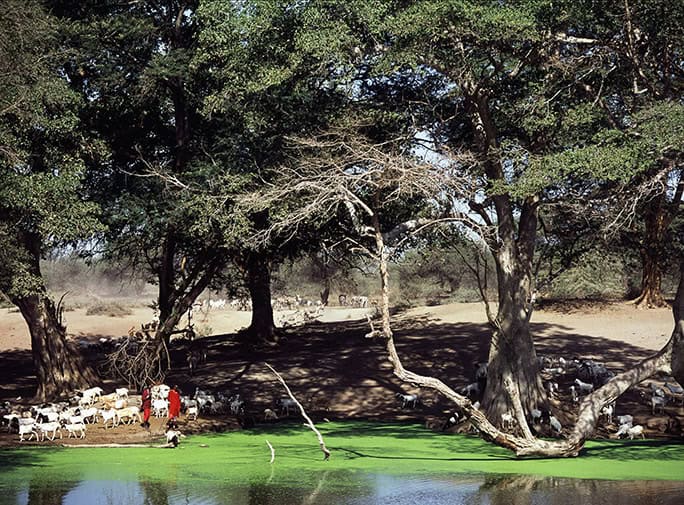
In 2012, the Maasai Wilderness Conservation Trust with partner community ecolodge, won The Equator Prize of the UN Development Programme Equator Initiative recognizing outstanding efforts to reduce poverty. Its Payment for Ecosystem Services fund also supports Maasai pastoralists income from predation of their herds, supporting livelihoods and conservation.
The right and access to land, ownership and microfinance can also bring the opportunity for local tourism enterprise to develop, creating more opportunity for self-sustaining wealth generation. In buying from local hospitality business, tourists can support the local supply chains, and in turn the poorest of consumers thus contribute to sustainable development.
Tourism also provides a way for local people to support, promote and even keep alive their culture. While over-tourism can commoditise culture, carefully managed tourism can bring a great deal of pride and empowerment to communities’ traditional skills, sense of their place and importance in the world.
-
Tropic Ecuador are co-creating the first community-based tourism programme on Floreana Island, The Galapagos, where historically islanders have felt negative impacts of tourism but received few benefits.
-
In India, Village Ways ensures tourism supports but does not displace traditional skills and livelihoods. Wherever possible all work is undertaken by the villagers: Hosts, guides, cooks, housekeepers and porters are all drawn from different families through the villages, all undertaking training to improve skills and sharing the benefits. Supplies (food, building materials, furnishings etc.) are sourced locally and the use of local skills is encouraged and developed, with training and guidance provided where needed, eg. selling craft products.
-
Nikoi Island, as well as employing nearly 100% local people and offering them fantastic training and health benefits, have always supported the local suppliers indigenous Orang Laut people and their cultural identity.
They’ve seen their traditional fishing net sewers introduced to jewellery making, and the creation and exhibition of a Swarovski crystal fishing net, displayed at the National Museum. And the Island supports the local traditional jong (model sailing boats) race twice a year, helping continue interest in this coastal cultural event from younger generations.

By 2030, The Sustainable Development Goals aim to eradicate extreme poverty for all people everywhere, and reduce at least by half the proportion of men, women and children of all ages living in poverty in all its dimensions according to national definitions
Links with the other Sustainable Development Goals
Goal 2 – Zero hunger: Fishing and agriculture are traditional livelihoods supporting millions of lives worldwide.
Goal 3 – Health & well-being: There is a correlation between income inequality and higher rates of health issues (eg. obesity, mental).
Goal 4 – Quality education: Children from the poorest 20% of households are nearly four times more likely to be out of school than those of the richest households. Becoming trapped in a poverty cycle can result in limited opportunities for employment or income generation.
Goal 5 – Gender equality: Tourism jobs, income and entrepreneurial opportunities empower less favoured groups such as women.
Goal 6 – Water: Lack of water results in a vicious circle of ill-health, missing work and education, hampering income & social mobility.
Goal 7 – Sustainable energy: Will help poverty by putting an end to energy poverty.
Goal 8 – Employment & economic growth: Decent, fairly paid, secure employment lifts people out of poverty.
Goal 9 – Industry, innovation & infrastructure: Investment and support can alleviate poverty.
Goal 10 – Reduced inequalities: whether abject or relative, poverty means some people do not have enough to live on.
Goal 11 – Sustainable cities & communities: Where poverty exists, cities and communities cannot be sustainable .
Goal 12 – Sustainable consumption and production: Sustainable consumption and production will help poverty alleviation.
Goal 13 – Climate Change: The most poor are the most vulnerable to climate change and disproportionately burdened.
Goal 14 – Life under water: Fishing and the marine environment offer livelihoods supporting millions of lives worldwide.
Goal 15 – Life on land: Rural impoverished communities often rely on their environment for food, shelter and livelihoods.
Goal 16 – Peace and justice: Unjust corruption, bribery, theft, tax evasion and exploitation come at the cost of sustainable development.
Goal 17 – Partnerships: Tourism can partner with NGOs to ensure poverty-stricken local people benefit.