

We’ve been writing on annual sustainable travel trends since 2021 (including 2022, 2023, 2024, 2025), and others now follow suit.
But this isn’t your ‘average’ Travel Trends. We don’t want overtourism-by-trends here!
Here we look at the intersection of travel trends, regenerative and sustainability trends, and what’s going on in the environment of sustainable tourism specifically – globally, regulatory, technically and commercially, considering the past, and last year for a view of what’s coming next to guide what and where you should know about.
What did we get right in 2025? >
2026 certainly promises a year of change, with a focus on implementation and transformation to regeneration!
In 2026, sustainable tourism is far past niche, rather an essential strategy for the survival of the travel industry: its value over volume, quality over quantity, peace over pandemonium.
“Sustainability is no longer a ‘nice to have’ – it’s essential.” – Booking.com, 2025.
“Consumers are increasingly demanding sustainable travel options and investors are prioritising businesses with strong environmental, social and governance (ESG) credentials.” – Alistair Pritchard, Deloitte, in Travel Weekly, 2025.
Places that thrive in 2026 are those that move beyond simple, low-impact travel to actively restoring ecosystems, reducing emissions, and ensuring tourism benefits local communities.
1. Plot Twist! Navigating a Volatile Landscape to Peace
Global volatility – from ongoing conflicts in Ukraine, the Middle East, and Venezuela to U.S. policy shifts like expanded visa bans starting January 2026 and cutting USAID – disrupts travel flows, slashing visitor numbers and revenues in affected regions. Ukraine alone faces $19.6 billion in lost tourism income since 2022, while peaceful Jordan’s Petra sees hotel occupancy plummet to 10% thanks to its neighbours.
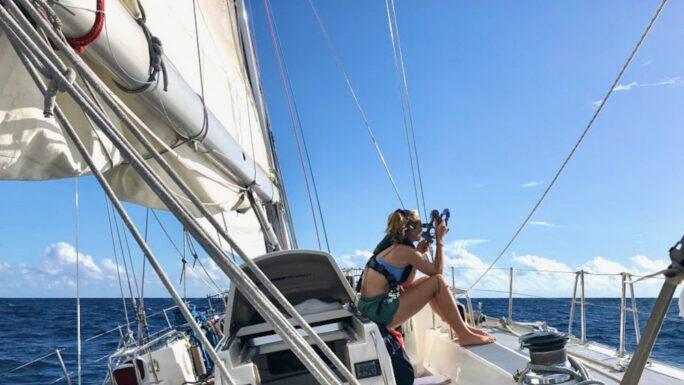
Our Caribbean ocean trips’ itineraries for 3 months re-routed for safety!
Now join from Antigua via Bahamas to Florida >
BrandUSA, the U.S. tourism marketing agency, recently faced an 80% budget slash from about $100 million annually (mostly ESTA fees, not taxpayer funds) to roughly $20 million in 2026, crippling promotion of American destinations.
A new expanded travel ban effective January 1, 2026, blocks or limits visas for nationals of dozens of countries, with heightened border security and enforcement stoking fears – driving a steep 10% decline already in U.S. inbound arrivals versus 2019 pre-COVID levels (Oxford Economics), and delaying full recovery until 2029 due to rhetoric, fees, and tensions.
Meanwhile, the U.S. withdrawal from the Paris Climate Agreement and UNFCCC (effective January 27, 2026) plus USAID’s closure devastate fragile nations, especially in parts of Africa, halting aid for food, health (HIV/TB/vaccines), water, climate projects, and refugees – slashing tourism infrastructure, community-based initiatives, conservation, and training. This reverses UN SDG progress on poverty (SDG1), hunger (SDG2), health (SDG3), education (SDG4), gender equality (SDG5), and climate (SDG13), risking millions of preventable deaths by 2030 and forced migration, while destinations over-rely on tourism for revenue – heightening overtourism, shock exposure, environmental harm, and unequal benefits. Tech platforms’ biases and “anti-woke” shifts further erode sustainability visibility.
Yet, this chaos underscores peace (SDG 16) as both prerequisite and payoff for regenerative travel: your visits to calm, culturally rich spots foster dialogue, support rebuilding, and celebrate differences, turning holidays into bridges of understanding.
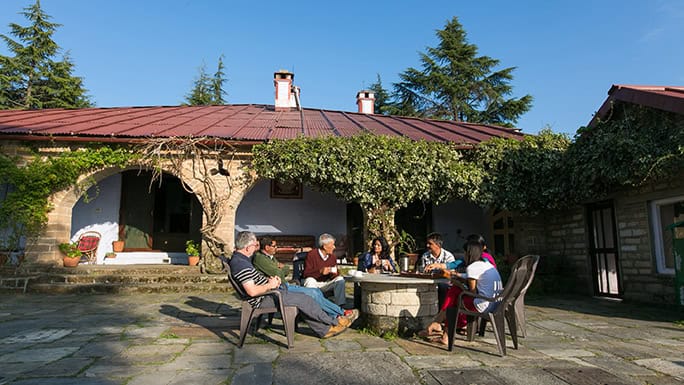
Follow in peaceful footsteps with trips that include a stay at an ashram for Mahatma Gandhi in the foothills of the Himalayas, India >
2. Policy Pendulums Swing: Regulations, Reviews & Rollbacks
Regulatory volatility is reshaping sustainability in travel, with governance swings slowing some advances while accelerating others – like energy security priorities speeding decarbonisation efforts, though still lagging urgent needs. ESG rules increasingly double as geopolitical levers, weaving sanctions, human-rights scrutiny, and trade controls into supply chains and disclosures; this elevates risks beyond reputation to outright political barriers and market exclusions, even as powerful lobbies push back fiercely.
In the EU, key measures face dilution: the Corporate Sustainability Reporting Directive (CSRD), Corporate Sustainability Due Diligence Directive (CSDDD), and EU Deforestation Regulation see narrowed scopes, fewer targeted companies, and delayed timelines, while agriculture/emissions goals now permit 5% reductions to be met through offsets. Carbon pricing for buildings/transport (ETS 2) slips to 2028, and the 2035 combustion-engine car ban hangs in review – industry pressure and competitiveness drives yielding to lighter administrative loads.
The EU’s Green Claims Directive may have stalled, but the separate Empowering Consumers for the Green Transition (EmpCo) Directive still kicks in September 2026, banning greenwashing, unsubstantiated “eco-friendly” boasts and climate-neutrality claims reliant on offsets alone – rewarding authentic regenerative operators and travellers that seek them.
Climate extremes are reshaping Europe travel – Mediterranean heatwaves spur “Take Shelter in Culture” events in Madrid, push off-peak northern escapes, and see shrinking snow-sure ski seasons. The EU’s new first-ever tourism strategy focusing on managing Europe’s growing visitor numbers while protecting the local environment, emphasising emission cuts and local benefits, so savvy travellers like you can back resilient policies by booking community-supported low-impact stays that align with these shifts.
– Good news for legitimately sustainability-focused businesses with evidence, like all our Places, and for consumers faced with ever-increasing unwanted greenwashing.

3. Polycrisis Paralysis, Metacrisis Myopia
Cascading crises define 2026 travel: polycrisis describes interconnected shocks – like climate extremes, economic wobbles, geopolitical flares, and pandemic waves – where feedback loops amplify impacts beyond any single hit, paralysing decisions amid the tangle. Metacrisis digs deeper, targeting civilisation’s flawed OS: worldviews of endless growth on a finite Earth, human-nature divides, short-termism, and siloed fixes that spawn recurring chaos, demanding cultural shifts to regenerative narratives, economies, and tech-nature bonds.
The Post Carbon Institute’s “Great Unraveling” captures this: The Great Acceleration’s fossil-fuelled boom now unravels systems via ecological overshoot, blending environmental collapse, economic fragility, social rifts, and political quakes into daily realities. The SDGs are faltering badly – only 16-17% of targets on track, one-third stalled or reversed, per UN assessments – with COVID-19, conflicts, and climate eroding peace, hunger, and ecosystem gains, though bright spots persist: global extreme poverty dips, working poor down 20 million, over half the world now with social protections. (sdg.iisd.org)
The UN’s 2025 SDG report urges six transitions – food systems; energy access and affordability; digital connectivity; education; jobs and social protection; and climate change, biodiversity loss and pollution (sdg.iisd.org) – with a “rescue plan” need via mega-financing, debt relief, and Global South aid. High-income spots like Nordics lead, while low-income, islands, and crisis zones regress.
Global North-South tourism shines here, channeling funds to these fronts. Ditch excess for minimalist – “over-the-top no longer impresses in polycrisis,” notes Lemongrass PR – embracing rare, people-place connections that regenerate is the new luxury.
Take a look at any of our partners that we curate on delivering extensively described local SDG benefits, for peaceful, prosperous and protected people and places, for example,
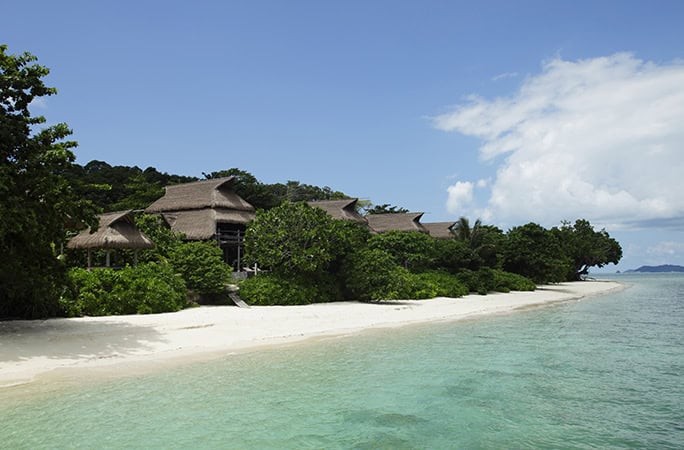
In Indonesia: barefoot simplicity and unplugged island life show how quiet, conscious luxury can feel richer than any spectacle, inviting you to slow down, reconnect and truly exhale >
As a “triple-COP” year (UNFCCC, CBD, UNCCD on climate, biodiversity, land/desertification), 2026 spotlights tourism’s role in these agendas – your regenerative choices fuel positive momentum:
4. Climate Action Now
Global temps crossed +1.5°C in 2024, annual averages +1.35-1.4°C with monthly peaks (e.g., Jan/Feb 2025 ~1.6°C: Berkeley Earth, 2025), and CO2 at ~151% of pre-industrial levels – yet innovations shine: Jamaica’s post-Hurricane Melissa fund blends J$1 billion public‑private funding to support tourism workers’ housing and “build back better” needs, and Brazil’s COP30 pledges $1.3 trillion annual climate finance by 2035, including via Tropical Forests Forever for every hectare of forest conserved, and at least USD 300 billion per year in public finance specifically for developing countries, tripling adaptation & resilience finance for the latter – not just mitigation.
Where we see low carbon, conservation and community benefits, we can see positive impact tourism.
Volunteer in Madagascar in scientific conservation to preserve one of the planet’s most unique and endangered environments and tackle extreme poverty >

2026 also marks the beginning of the UN Decade of Sustainable Transport (2026–2035), spotlighting increasing mobility while advancing cleaner, safer and more resilient transport systems that support SDGs such as on poverty, health, cities, and climate – perfect for travellers seeking low-footprint and positive impact journeys.
Expect electrification surges with electric vehicles, buses, and charging networks scaling fast alongside biofuels and hydrogen for zero-carbon rides. Cities will boom with people-first redesigns: expanded bike-shares, micro-mobility hubs, and transit-oriented developments slashing megacity congestion and emissions, plus “15-minute” neighbourhoods offering seamless first/last-mile access prioritising pedestrians, women, youth, and disabled users for safer, inclusive streets.
Resilience ramps up too, via multimodal corridors connecting rural spots to market hubs and services using climate-tough infrastructure like elevated rail and flood-proof roads. Regional cross-border logistics platforms will cut trade costs for landlocked nations and small islands, while advancing SDG 9 and resilient infrastructure – making sustainable getaways smoother and more impactful worldwide.
Connectivity is vital for tourism to support destinations in sustainable development.
How do we reduce our emissions? Read our Top 10 Tips to Reduce Your Footprint in Travel >Interested in keeping up with the latest news on climate and connectivity?
Subscribe to our weekly news highlights on LinkedIn or Follow on Facebook >
5. Biodiversity Boosters
Biodiversity sits at the heart of the global polycrisis-metacrisis, both as a casualty of interconnected environmental, social and economic pressures, and as a vital key to building their resilience.
2026 is emerging as a critical year for global focus on pollution, waste management, and resource depletion, characterized by a shift from voluntary commitments to mandatory regulations, with a strong emphasis on circular economy practices, critical mineral supply chain security, water scarcity, and a legally binding international discussion on plastic pollution is underway.
Spotlights ahead include
- the UN Decade for Afforestation and Reforestation (2026–2035)
- the new UN High Seas Treaty activating marine protections and triggering the first “Ocean COP”
- the EU Carbon Border Adjustment Mechanism (CBAM) requiring importers to pay for emissions embedded in goods like cement (construction using local materials looks so much better too)
- Kenya’s Our Ocean Conference securing $140-160 billion in pledges for blue economy commitments;
and *two* COP17s!
- The UN Biodiversity Conference (CBD COP17) in Armenia, “Taking action for nature” reviewing national commitments progress; and
- the United Nations Convention to Combat Desertification (UNCCD COP17) addressing desertification and land restoration.
In Morocco our partner’s education charity has undertaken work with girls planting to help prevent desertification, teaching vital life skills and female empowerment in a traditionally male-dominated environment – be it education, work or manual skills. Every visit supports girls’ education, and development >

6. Water-Wise Travels
With global water demand exceeding supply and half of the world’s population living in areas of high water stress by 2030 (UN), ensuring availability and sustainable management of water and sanitation (SDG6) is one of the biggest challenges heading into 2026. A new UN report finds the “Era of ‘global water bankruptcy’ is here” with no SDG6 targets on track for 2030 despite some (access) gains: Progress has stalled or regressed in key areas like water quality, efficiency, and ecosystem protection, requiring massive urgent acceleration due to overuse and pollution.
Waste mismanagement in Bali (only 7% plastic recycled) pollutes waterways, while tourism volume intensifies freshwater scarcity, leading to local protests linking mass tourism to severe water shortages, with holiday rentals (Canary Islands, Spain), strained limited infrastructure (Mexico City, Mexico) and supplies amid drought conditions expected to persist (Agrigento in Sicily, Italy).
Humanity not only pollutes waterways but has destroyed natural water stores like wetlands – equivalent to the entire European Union’s land area lost over the past five decades – slashing available freshwater in tourist hotspots.
The UN 2026 Water Conference (December 2–4, UAE) targets SDG6 water security and the “Water for Sustainable Development” decade via a “source-to-sea” approach, linking rivers to ocean health; outcomes will shape coastal tourism by aligning freshwater and marine agendas.
In Mombasa, Kenya – host of the 2026 Our Ocean Conference – coastal tourism’s 14.6% visitor surge overwhelms sewage systems, polluting seas and worsening local shortages, tying water woes to biodiversity loss under Life Below Water (SDG 14) goals.
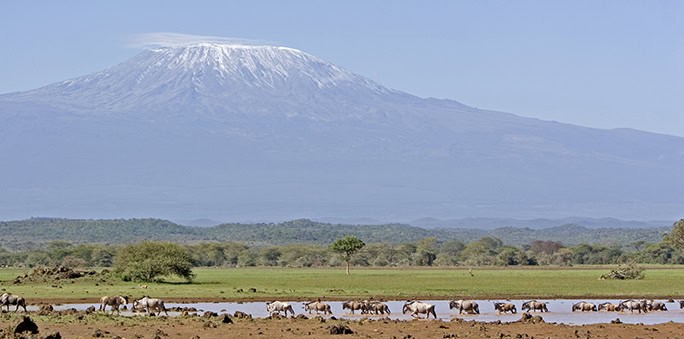
Kilimanjaro’s region faces escalating water stress too, threatening farms, ecosystems, and its vital tourism economy – which supplies over a third of national revenue. Since the 1970s, 13,000 hectares of cloud forest have vanished from the slopes, slashing mist/dew capture for rivers; climate-driven wildfires and heat cut dew formation by 25%, while glacier retreat and changes in rainfall patterns mean less gradual meltwater in the dry season, so rivers and streams run dry, sparking shortages, crop failures, poverty, forest encroachment, human-wildlife clashes, and trail fire risks. This cascades to tourism: lodges, camps and tour operators face soaring costs for securing water/sanitation for clients, climbers, guides and porters, degraded scenery/wildlife viewing (EUJournal), potential visitor caps, route closures, or facility-community-wildlife conflicts over scarce water (AfricaSustainabilityMatters).
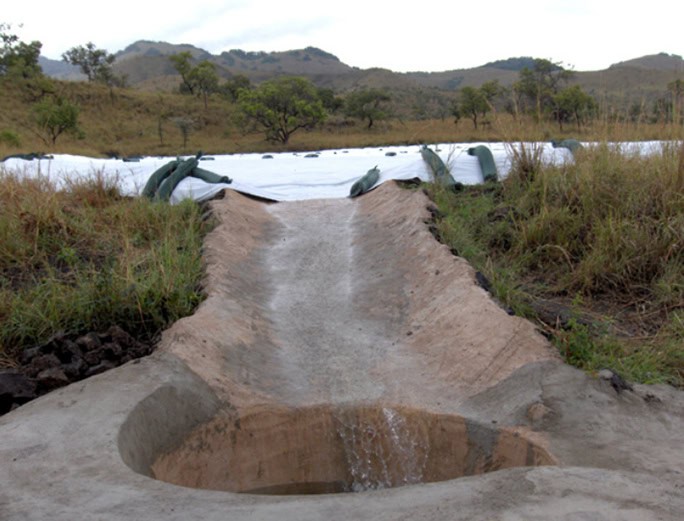
Thankfully, pioneering organisations like our Kenya partner have been working on water catchment and efficient use, and forestation for years, as part of their Maasai foundation’s climate, conservation and conflict initiatives >

7. Economy: ‘Sustainable Growth’, Demarketing, Blue or Green?
‘Sustainable Growth” seems to be a phrase de rigueur, but is it really possible? In theory it’s expanding business in a way that meets present needs without compromising future generations’ planet and people.
But is it just Business-As-Usual dressed up as greenwash sustainability interest? Without shifting from ‘growth’-focused mindsets and models, to greater acceptance that growth is not necessarily optimum or success, will it really address sustainability?
In 2026, despite geopolitical tensions, rising costs and an impacted US market, global tourism is poised for international growth forecast to accelerate to 1.57 billion arrivals, intensifying peaks with events like FIFA World Cup.
Traveller taxes are expanding in value, volume and scope, such as in US National Park fees (+$100) and in Europe, not necessarily by enough to put off individual visitors, but adding $200-500 to family trips, shifting demand to shoulder seasons and greater value times with less crowds, queues and comfort, while generating billions globally: Venice €10 day-trippers, Barcelona €4-5/night, Amsterdam €12.50, Edinburgh the UK’s first 5% accommodation levy – to fund fixes.
Elsewhere demarketing manifests in capping passengers, boats or even all arrivals, e.g., Conflict Islands (Papua New Guinea). With ports starting to say no to governments, will we see this spread to airports?
We can certainly expect to see the Blue Economy take centre stage, both due to Biodiversity focus (5) and Water (6): ocean‑related activities such as shipping, fisheries, offshore energy and coastal/marine tourism, all managed to protect ocean health while creating jobs and value.
Tourism dominates as the top sector, claiming ~one-third of the global ocean economy (surpassing maritime transport, fishing and pre-Covid levels), with the EU’s coastal/maritime segment leading in jobs and value-added – the sector major responsibility for ocean protection.
Climate threats – sea-level rise, beach erosion, coral bleaching, extreme weather – erode coastal appeal, spurring resilient infrastructure and diversified offers to future-proof regenerative seaside escapes.
Africa‘s Green Economy Summit in February 2026 (Cape Town), links global investors to the continent’s green projects – leveraging vast population, renewable energy potential, and biodiversity to lead the transition.
Regenerative tourism shines here, fueled by blue finance and nature-based solutions that tie your travels to marine safeguards, climate adaptation, and community strength – turning beach getaways into resilience builders.
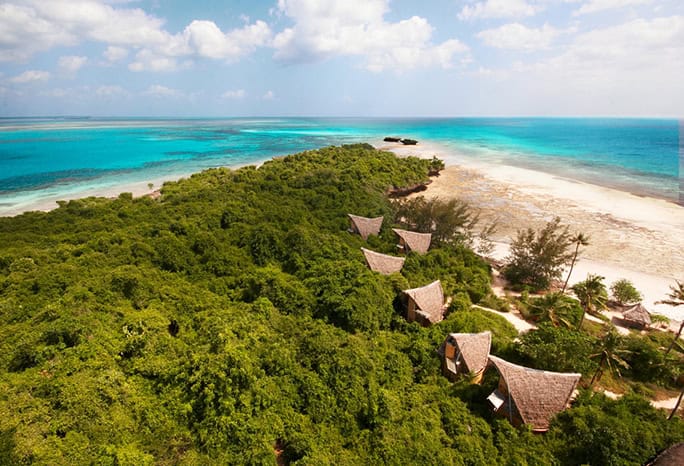
Blue Economy: Turn regeneration into luxury, at this Tanzania zero‑impact eco‑sanctuary where supporting a protected reef and forest is as much the experience as the escape >
8. Peak Overtourism?
Overtourism creates unease for everyone – visitors, locals, and ecosystems alike – fuelled by climate extremes, weak management, and community backlash, intertwining with biodiversity, water, and cruise pressures we’ve already explored.
Europe’s hotspots like Mallorca and the Canary Islands hit record crowds in 2025, sparking protests over housing crunches, strained infrastructure, and environmental impacts, with 2026 forecasts even heavier thanks to growing air connectivity, big events (eg. FIFA World Cup across the USA/Canada/Mexico; Winter Olympics in Italy) and continued recovery in Asia. As global arrivals climb to 1.57 billion, ~50% are heading to leading region Europe, adding to its 2025 793 million arrivals.
Social media algorithms funnel crowds to viral Instagrammable spots, overwhelming neighbourhoods as trends spike beyond infrastructure’s reach – Fodor’s 2026 “No List” flags relief requests for Isola Sacra (Italy), Jungfrau (Switzerland), Montmartre (Paris), Glacier National Park (USA), Mexico City, Mombasa, Antarctica, and for the second year, the Canaries due to ecosystem stress and pushback.
Cities clamp down on short-term rentals and party tourism amid property inflation, while taxes proliferate – funding restoration, waste management, trails, but demanding transparency to build trust and avoid “revenue grab” perceptions: Greece for climate‑resilience and cruise disembarkation; Azores, Madeira, Lisbon and Faro, and other municipalities in Portugal; Barcelona, Catalonia and Mogán, Gran Canaria, in Spain; Thailand; Kyoto, Japan; and potentially Wales, London.
Expect broader shifts: visitor caps on maximum capacities, nature-site rules (reservations/shuttles/hours), dynamic pricing (congestion charges, seasonal/day levies), low-impact itinerary designs (cycling/rail networks, longer stays), community metrics (resident satisfaction, housing/water stress), and stricter green claim audits.
For sustainable tourism, legitimacy is required. If visitors view fees as simple revenue grabs, compliance and trust erode. If residents don’t see improvements, political support fades. The strongest models are those that show where the money goes – and that protect locals from being priced out of their own neighbourhoods.
Pioneers like Bhutan (high-value/low-volume since 1970s, $100-250 fees capping 140k-300k tourists for cultural depth/Gross National Happiness) and Dubrovnik, Croatia, evolving to quality focus (ship caps, off-peak walk-not-just-talk tourism via winter festivals, carolling, ice rinks; marketing year-round slow travel avoiding summer heat hell) show the way (“Climate Change and the Beginning of the Age of Non-Tourism”, GreenShift, Skift podcast, 2025).
Sustainable tourism doesn’t halt adventures; it ensures they’re viable long-term by safeguarding attractions, livability, and climate realities.
Avoid the crowds: stay locally & off-peak in rural Croatia by a breath-taking UNESCO World Heritage National Park to experience nature by day and stunning star-gazing by night >

The destinations that succeed in 2026 and onwards will be the ones that protect what people came to see, keep local life liveable, and make the climate maths harder to ignore.
9. Tech’s Double Edge Impact: From Data to Dignity with AI + Ethics?
The digital landscape is shifting, and volatile: AI, social algorithms, potential regulations… The world is watching as the impact of Australia’s ban of social media to under 16s plays out. From the momentum in Generative AI, to the rise in Agentic (autonomously sensing, reasoning, planning, and interacting ecosystems), bots support personalisation preferences, dynamic prices, efficiency, customer service automation – and guests become big data, commodifying customers.
Is tech helping or hindering? Guests crave authenticity amid efficiency. So where’s the human touch? How can small businesses that care cut through pay-to-play noise and connect to share sustainability stories without deep pockets to purchase promotion?
Upsides shine: tools predict crowds to ease pinch points, detect fraud, map pollution, track energy, anticipate customer needs, auto-revenue-manage occupancy and optimise lower-emission routes with SAF/certification nudges – AI agents guide waste / water/ wildlife smarts. (SkyScanner).
Downsides hits sustainability hard: fragmented, unclean, non-seamless, non-interoperable data (Travalyst fixing), tough intangibles like culture, legacy system costs, info overload – Google’s million hits bury gems, influencers spark overtourism, LLMs exploit, tech’s own emissions loom, jobs vanish.
Does anyone in sustainable tourism (not greenwashing) have what’s required? The potential’s vast but do the risks outweigh without governance? Tech races ahead of data/legacy – and responsibility, yet human issues and values still require human critical thinking, curation and content (like at Earth-Changers.com) and collaborating and sharing data will be key.
With all this information overload, “decision detox” via thoughtful all-inclusives – particularly for mums with decision fatigue – restores (Lemongrass PR): seek off-algorithm, off-season for calm, regenerative escapes that keep human heart central.
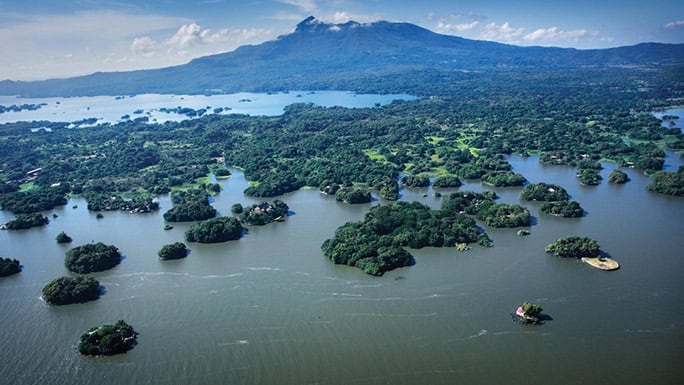
Enjoy all-inclusive meals and activities with wellness and spa with this escape to a secluded private island on Lake Nicaragua >
10. Transformative Escapes: Power to the People
Amid the swirling pressures – geopolitical flux, polarised politics, regulatory whiplash, polycrisis paralysis, metacrisis myopia, resource-strapped “sustainable” growth, and deepening inequalities – uncertainty screams for regenerative tourism that truly prioritizes local people and places first.
Let’s see collective action to restore ecosystems and empower locals:
In sustainable development: Grassroots renewal surges via youth-led uprisings in Nepal, Madagascar, Tanzania, and Morocco in 2025, often sparked by social media bans or resource mismanagement, may topple corrupt regimes over inequality, censorship, and resource grabs – and spark cleaner governance, stable policies, and empowered communities, protest demands channeled into compliant infrastructure, more supportive for sustainable projects.
Youth protesters, digitally sharp and eco-driven, now influence tourism boards: anti-corruption wins keep revenues local through certified eco-lodges/homestays, spurring rural jobs sans exploitation, with full alignment to credible sustainable models.
2026’s International Year of Volunteers for Sustainable Development celebrates this momentum, amplifying volunteer roles in SDG wins – your regenerative trips can fuel these ground-up triumphs.
In Human Rights: Where attacks at tourism sites may have hampered tourism in the past, visitation can encourage comm-unity, good deeds, and support for local-led, sustainable projects empowering youth-driven culturally-rich dialogue, like Bondi Rising. Peace is not only pre-requisite for tourism, but tourism fosters peace, understanding and tolerance as much as it needs them.
Tourism for sports events is a big trend: 10% of global tourism spending, projected to $1.3 trillion by 2032; 44% of sports fans travel internationally for events, rising to 56% for ages 16–34, fueling multi-destination trips beyond host cities – Expedia, 2025, from UN Tourism data. But big events with a large audience and festive atmosphere represent risks of negative impacts – including socially.
FIFA’s 2026 World Cup sets a benchmark with child rights focus – mandating human rights actions plans across all 16 host cities for child protection, anti-discrimination, anti-trafficking. The ECPAT-led #WeProtectChildren campaign launched in January, trains hotels, airlines and other tourism partners to spot/report exploitation, ensuring festive atmospheres stay safe.
In Food: In 2026, the UN International Year of Rangelands and Pastoralists spotlights half the planet’s land: rangelands that are critical for biodiversity, food security, climate resilience, and rural livelihoods. Youth activists are pushing this #IYRP agenda, campaigning for land rights, fair markets for pastoral products, and genuine food sovereignty as impacts bite.
Where corrupt regimes have siphoned funds from rural communities, political change can unlock resources for rangeland restoration – like grazing corridors in Tanzania or herding models that help curb deforestation in Madagascar.
For regenerative tourism, that means more trips centred on community-led landscape restoration as living heritage, where pastoralist-stewards guide travellers through ecosystems they’re actively regenerating with deep indigenous knowledge.
This aligns with travel demand: Expedia’s “Unpack” report highlights “Farm Charm” with slow, nature-based trips, 84% of travellers interested in farm stays, and sustainability and authenticity shaping the future of tourism.
In Customer Rights: Travellers now demand verifiable impact – rejecting greenwashing via rights to transparency, data-backed claims, and value-aligned choices like local sourcing and certifications. This empowers you to pick community-stewardship, purpose-led trips that regenerate destinations, foster authentic connections, and create transformation for hosts and guests alike, spanning cultures and generations.
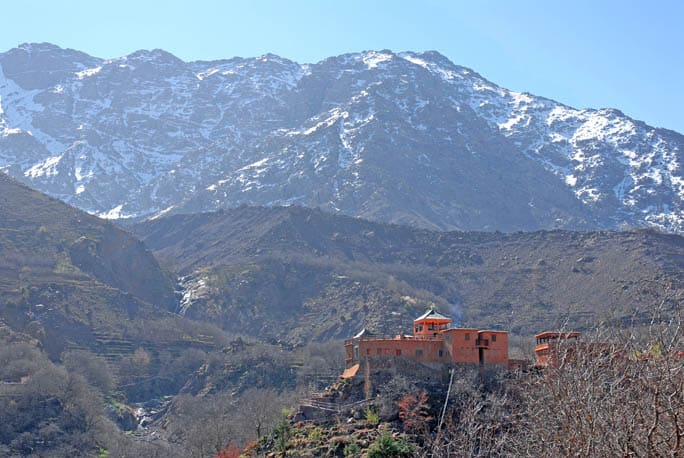
Escape to a collaborative Retreat for Social Change in Morocco! >
What are your thoughts on any of the above! Let us know on social media!
What would you like to do and where would you like to go in 2026?
Let us know and we can consult our little black book for you and suggest!